
A screen you can stretch in your hands. Shoes that give your steps a motorised boost. A suit that lifts a human into the air. Some technology deserves a second look—and these five demonstrations are exactly that kind of technology.
We’ve picked inventions with a visible, unusual effect, rather than another ordinary accessory with a clever marketing name. The collection spans a research prototype, devices with product pages, and specialist professional equipment. Meet the technology behind each moment, then watch all five in our short video below.
1. LG Display: a screen that stretches and twists
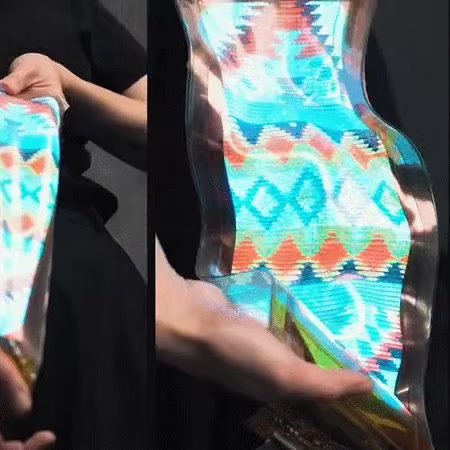
Most of us treat a screen as something rigid and fragile. LG Display’s stretchable prototype turns that expectation upside down: the illuminated panel can be pulled, folded and twisted while displaying colour. In the demonstration, it looks almost like a piece of glowing fabric.
LG’s November 2024 announcement describes a prototype that expands from 12 inches to 18 inches. That is a development milestone, not a specification for a phone you can buy. The company also describes potential applications on clothing and other curved surfaces.
The extraordinary part is watching the display change shape in someone’s hands. Search for LG Display stretchable display to explore the research; this is still prototype technology, rather than a finished consumer gadget.
Official source: LG Display (lgcorp.com/media/release/28333).
2. Looking Glass Go: a little window into 3D
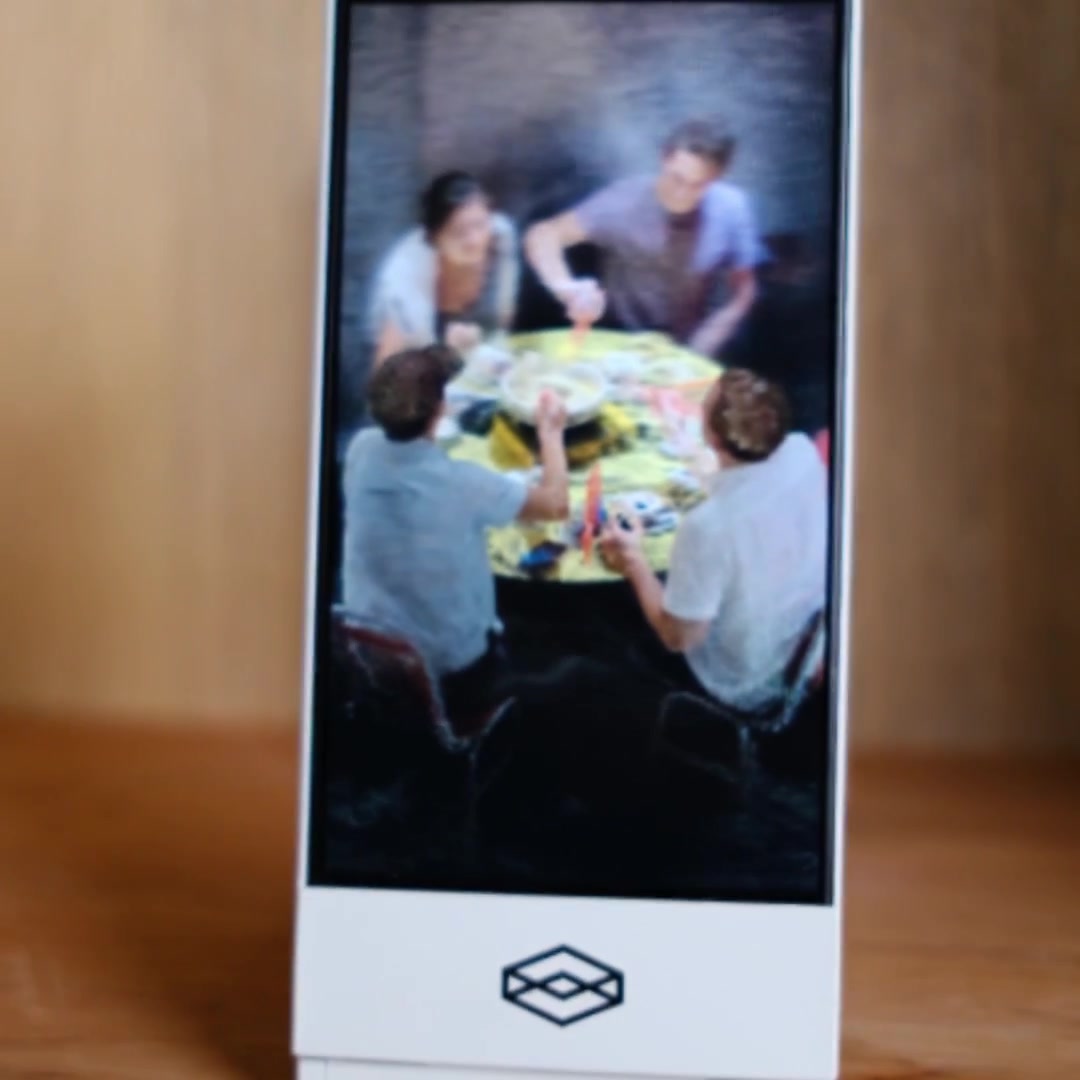
Looking Glass Go takes the familiar idea of a digital photo frame and adds something much stranger: depth you can see without putting on special glasses or a headset. As the viewing angle changes, the displayed scene reveals different perspectives.
The device is a compact, six-inch light-field display. Looking Glass provides software for converting existing photos into depth content, alongside tools for displaying 3D material. The effect belongs to the display itself; it is not a free-floating image projected into the room.
A still photograph cannot fully communicate this trick. Watch the camera move around the device in the video and look for the changing perspective. The exact product name to research is Looking Glass Go.
Official source: Looking Glass Factory (checkout.lookingglassfactory.com/products/looking-glass-go).
3. Shift Robotics Moonwalkers: powered wheels beneath your feet
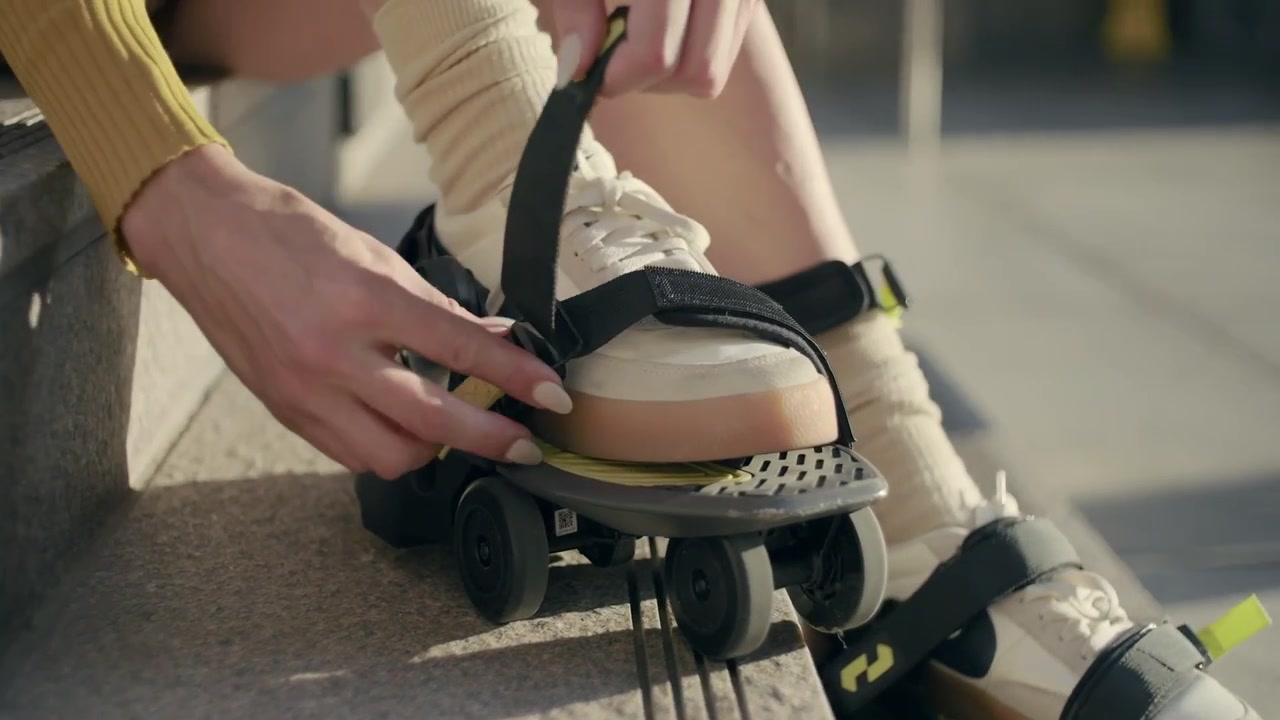
There is something wonderfully odd about seeing someone walk normally while powered wheels carry each step farther along the pavement. Moonwalkers strap over shoes and provide motorised assistance as the wearer walks.
Shift Robotics says the control system responds to the wearer’s gait and adjusts power accordingly. The idea is to work with a walking stride, rather than demand the continuous rolling technique of conventional skates.
Our video includes walking footage from the original launch demonstration and a closer look at the hardware. It does not present that older footage as a demonstration of a newly released model. Look up Shift Robotics Moonwalkers for the manufacturer’s current model information and operating guidance.
Official source: Shift Robotics (shiftrobotics.io/products/moonwalkers).
4. HaptX Gloves G1: virtual objects that push back
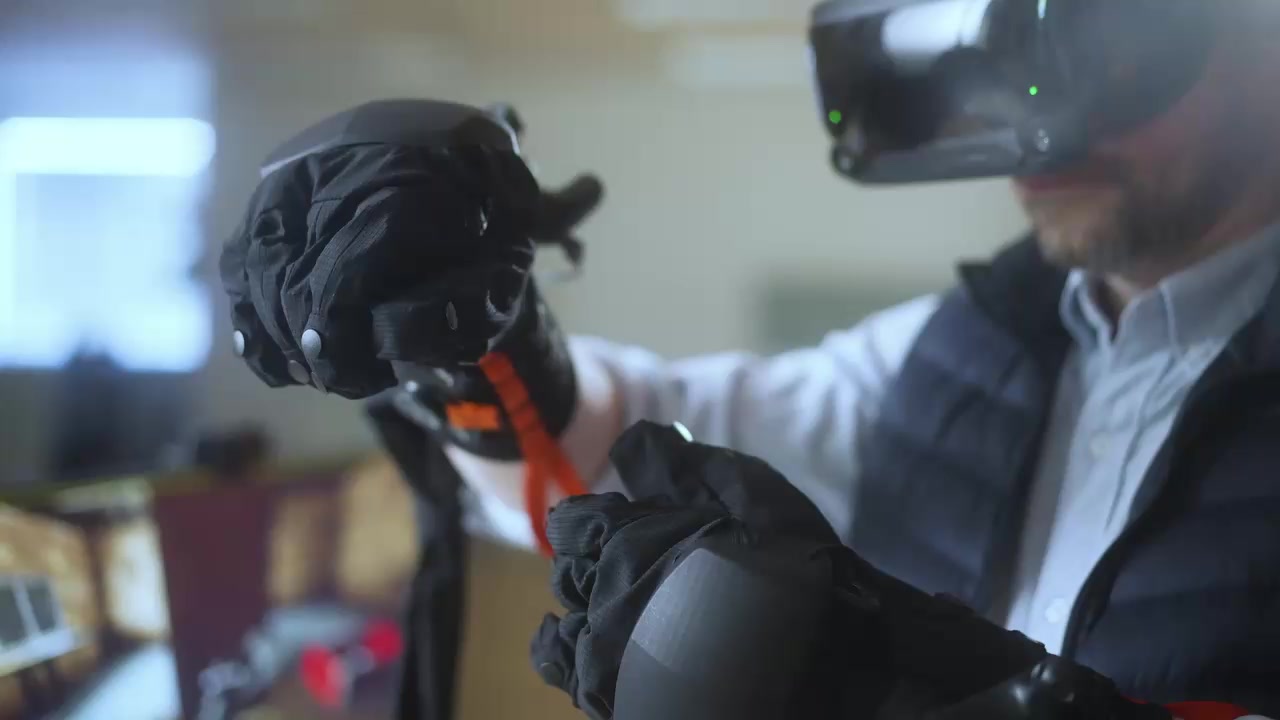
Virtual reality can show you an object. HaptX wants your hands to feel an interaction with it too. Its Gloves G1 use tactile actuators that physically move the skin, combined with force feedback that resists finger movement.
That means a simulated grip can produce physical feedback instead of leaving your fingers closing through empty air. HaptX describes the system for training, robotics and other digital environments; this is specialist equipment with supporting hardware.
The gloves are not a way to materialise a virtual object. They provide sensations and resistance that software coordinates with what the user sees. Search for HaptX Gloves G1 to explore how the system combines touch, tracking and digital interaction.
Official source: HaptX (haptx.com/gloves-g1).
5. Gravity Industries Jet Suit: wearable human flight
The final entry is the one most likely to make you rewind. Gravity Industries’ Jet Suit uses turbine propulsion to lift a trained pilot into the air. The footage shows a person flying with wearable equipment, rather than sitting inside an aircraft.
It is specialist flight equipment that requires serious training. Calling it a gadget is our playful shorthand for an extraordinary invention, not a suggestion that it belongs beside your headphones or is ready for an ordinary commute.
Gravity Industries is registered in the United Kingdom, and its official website provides routes into flight experiences, professional applications and innovation work. Search for Gravity Industries Jet Suit if you want to learn more about the system behind the demonstration.

Official source: Gravity Industries (gravity.co).
From displays that change shape to machines that change how we move, these inventions make the future feel surprisingly tangible. Which one made you do the biggest double take?