
Some places on the UNESCO World Heritage List look as though they were designed by someone with a very odd imagination. Five of them are collected here, one country at a time, using the figures UNESCO gives on each property’s own page. All five pages were read on 27 October 2026.
Northern Ireland: a pavement of about 40,000 columns
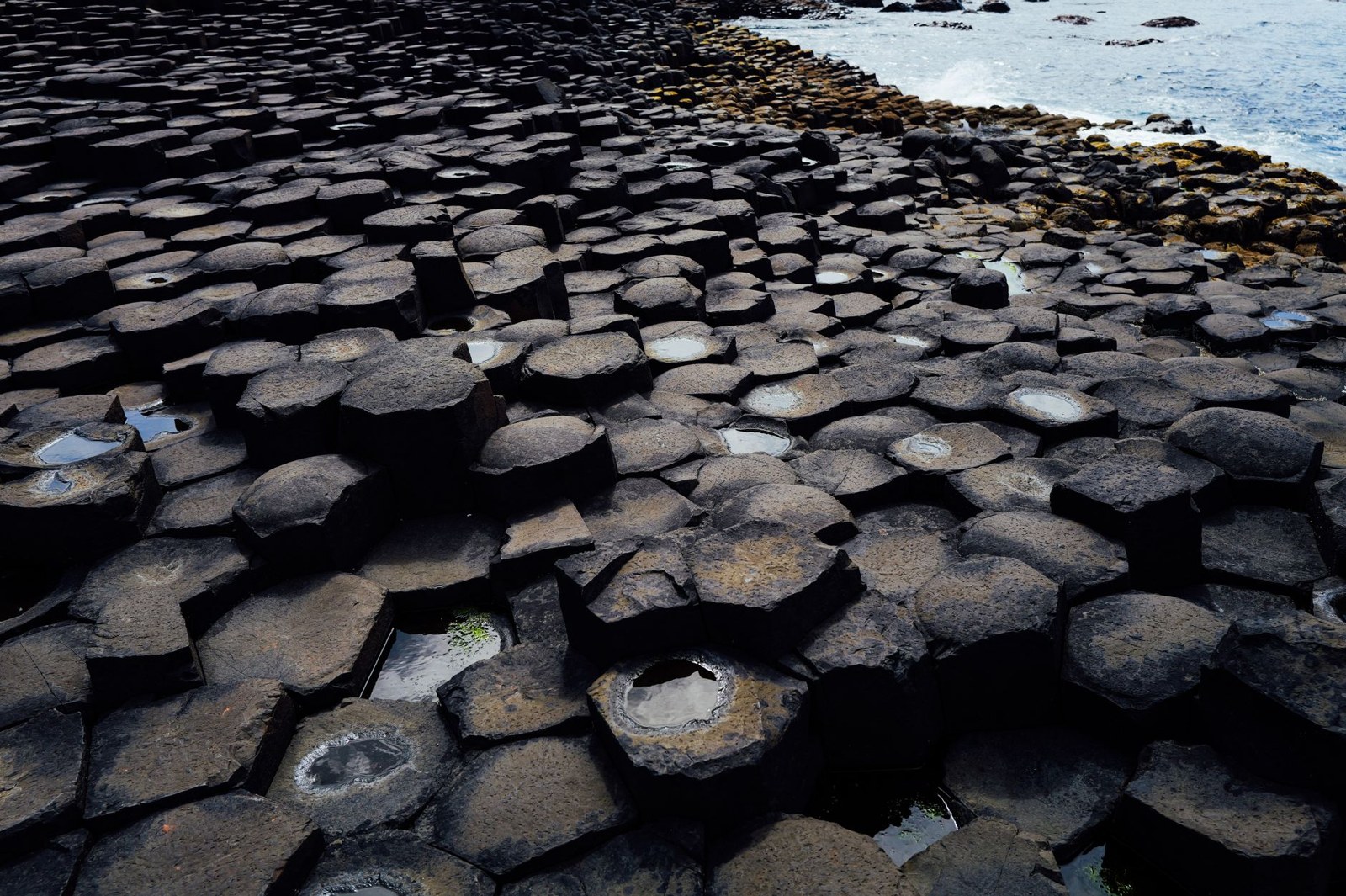
UNESCO’s page for the Giant’s Causeway and Causeway Coast describes the most characteristic feature as the exposure of some 40,000 large, regularly shaped polygonal columns of basalt, seen in perfect horizontal sections and forming a pavement. The sight has inspired legends of giants striding over the sea to Scotland. UNESCO adds that it has been a visitor attraction for at least 300 years and has come to be regarded as a symbol for Northern Ireland.
The science is as striking as the legend. UNESCO says this landscape was caused by volcanic activity during the Tertiary and that the exposed strata have helped shape the understanding of the sequences of activity in Earth’s geological history. Most of the 70-hectare site is owned and managed by the National Trust, and UNESCO adds that most of the property is also a National Nature Reserve.
Madagascar: a forest of stone needles
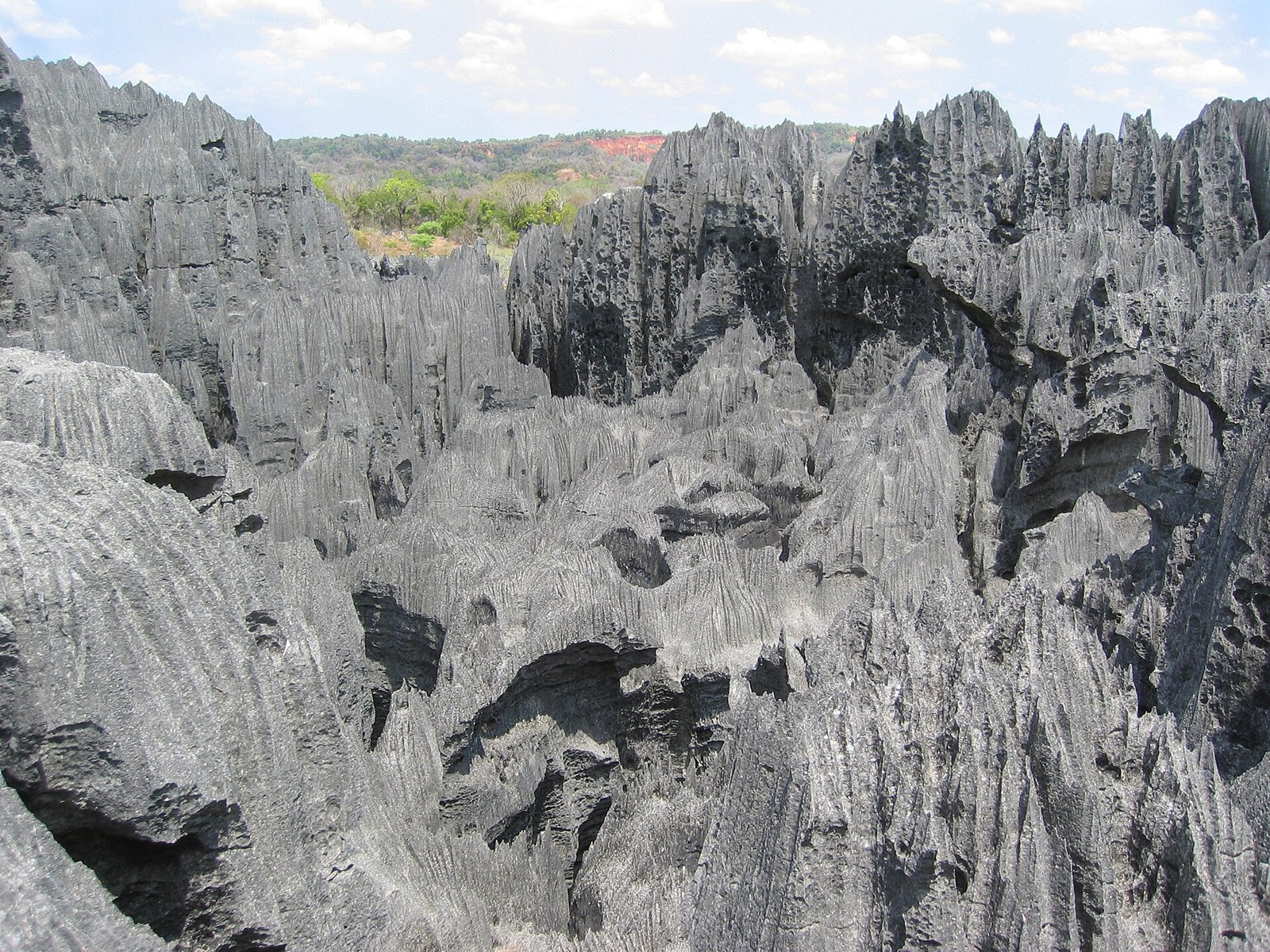
The Tsingy de Bemaraha is one of the component parts of UNESCO’s Andrefana Dry Forests property. UNESCO describes it as karstic scenery with a highly dissected limestone massif crossed by a deep river gorge, a “forest of sharp stones” with limestone pinnacles rising up to 100 metres, forming what it calls veritable cathedrals. The effect it singles out is the shades of forest green set against the metallic reflections of the grey karst “bristles”.
The wider property matters for wildlife as well. UNESCO says Madagascar’s dry forests evolved in isolation on a large island separated from all other land for tens of millions of years, and it gives as an example of a lineage lost elsewhere the endemic order of mesites, which it says are about 54 million years old.
Viet Nam: more than a thousand limestone islands
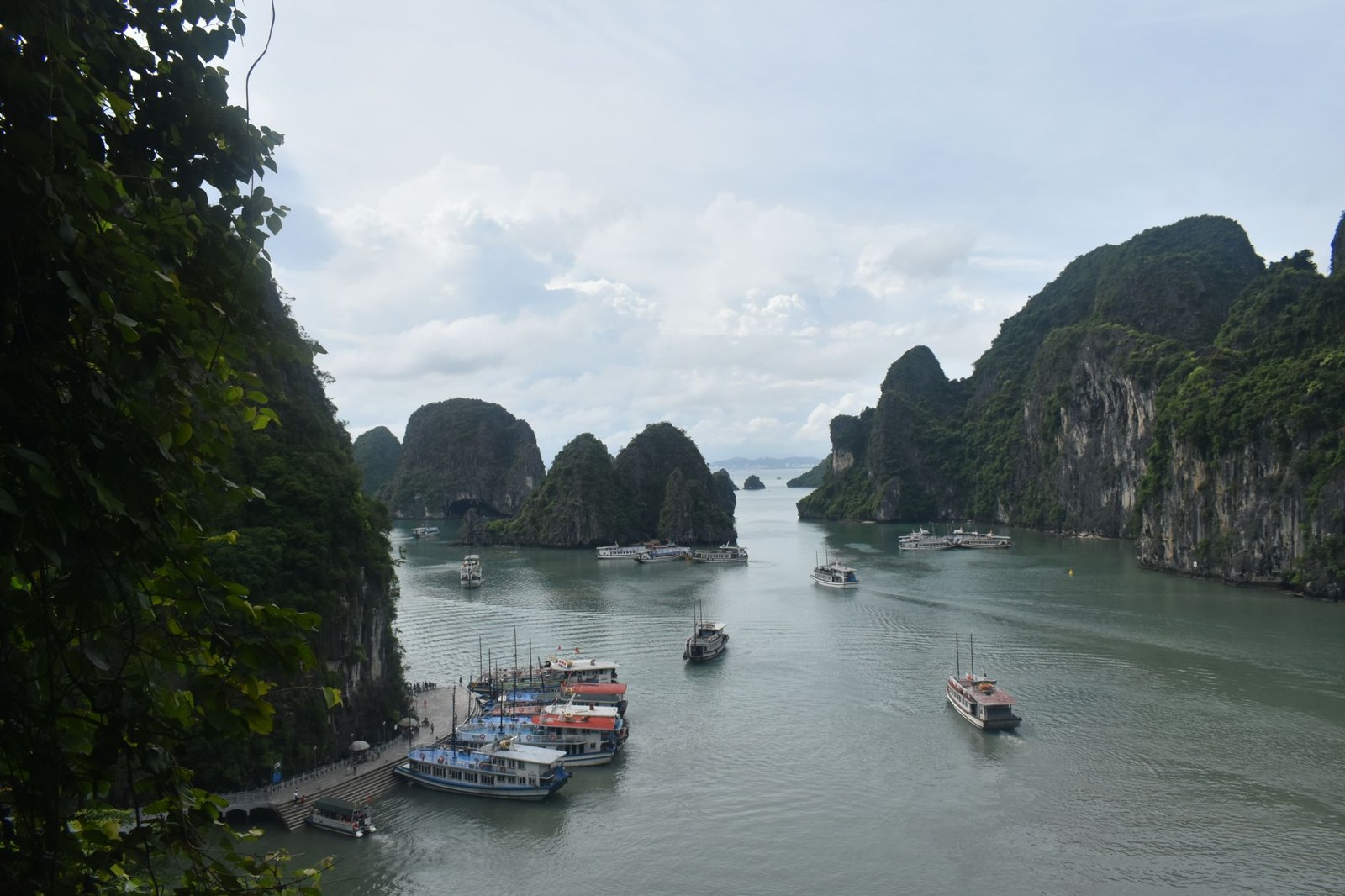
UNESCO says Ha Long Bay and the Cat Ba Archipelago cover 65,650 hectares and include 1,133 islands and islets in the north-east of Viet Nam. The property is made up of vegetated limestone islands and towering limestone pillars rising from the sea. UNESCO calls it the most extensive and best-known example of marine-invaded tower karst globally, a landscape formed when the sea invaded limestone terrain that had formed in humid tropical conditions.
Its list of features goes beyond the skyline. UNESCO mentions marine lakes, notches and caves shaped by erosion, and three main types of cave. The Cat Ba Archipelago includes the largest island in the region, which UNESCO says has an inaccessible wilderness interior.
Turkey: white terraces built by hot springs
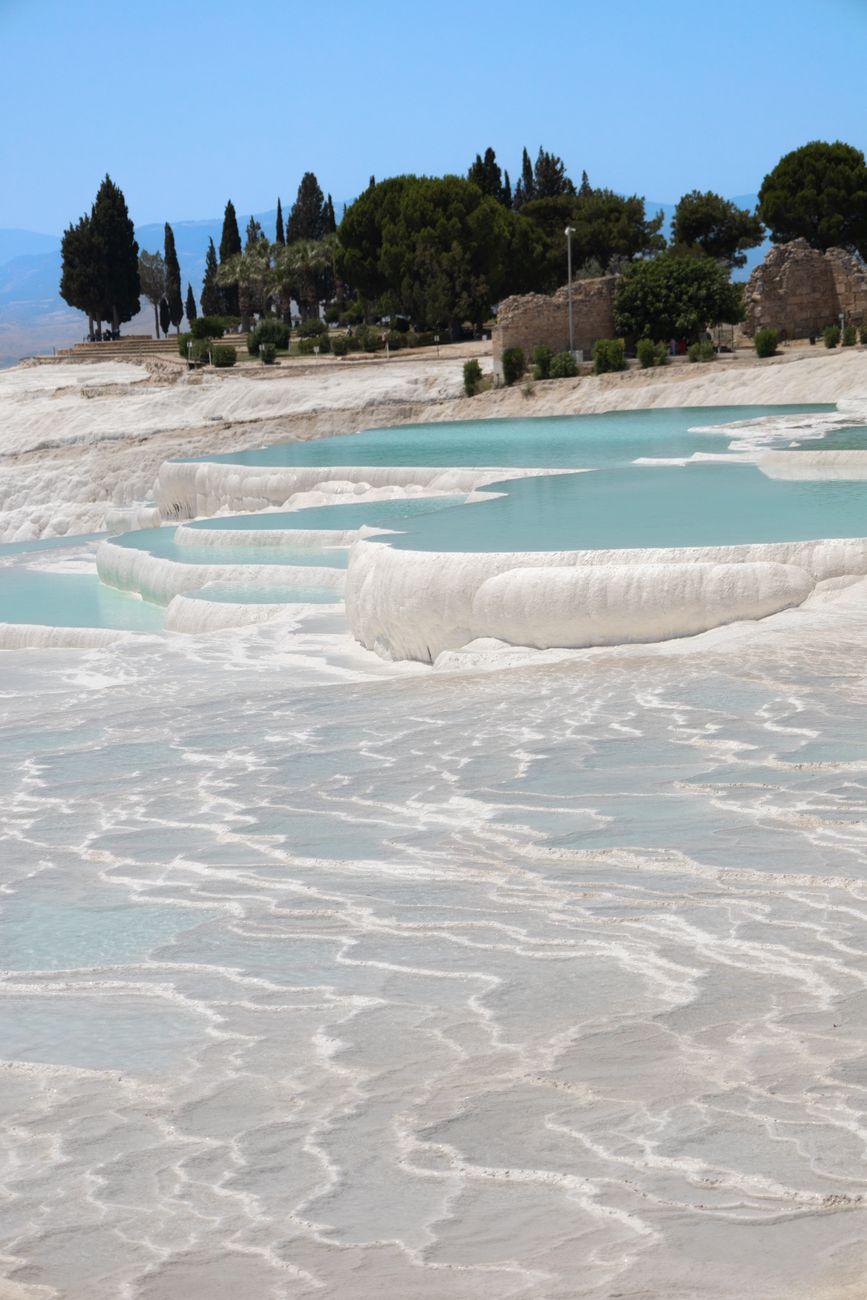
At Hierapolis-Pamukkale in south-west Turkey, UNESCO explains, calcite-laden waters emerge from springs in a cliff almost 200 metres high overlooking the plain. They have created petrified waterfalls, stalactites and pools with step-like terraces, some less than a metre high and others as high as six metres. Fresh deposits of calcium carbonate give the formations a dazzling white coating, and the Turkish name Pamukkale means “cotton castle”.
The natural wonder sits beside a human story. UNESCO says the nearby Hellenistic spa town of Hierapolis was founded by the Attalid kings of Pergamon at the end of the 2nd century BC, and that remains from the Greco-Roman period include baths, a theatre and a necropolis. The same page names high numbers of international tourists as a main threat to the site. It says the small lake around the ancient civil agora, where tourists swim among the ancient columns, is particularly threatened, with biological pollution and erosion of Roman marble elements.
Socotra: islands where much of the wildlife is found nowhere else
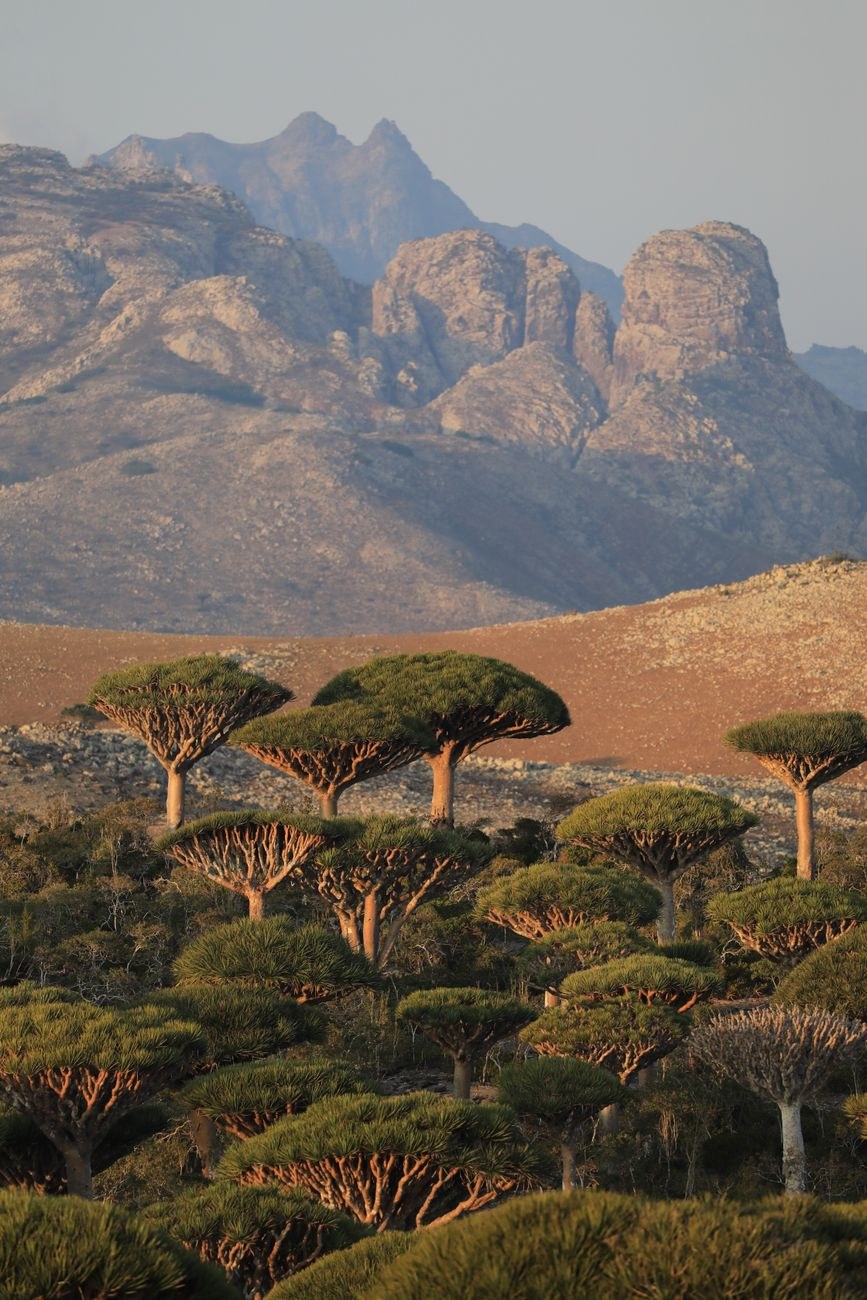
The Socotra Archipelago lies in the north-west Indian Ocean near the Gulf of Aden. UNESCO says it is 250 km long, made up of four islands and two rocky islets that appear as a prolongation of the Horn of Africa. Its importance, in UNESCO’s words, lies in its biodiversity. Of Socotra’s 825 plant species, 37% do not occur anywhere else in the world, and the same goes for 90% of its reptile species and 95% of its land snail species.
The sea is just as rich. UNESCO lists 192 bird species, 44 of which breed on the islands, plus 253 species of reef-building corals, 730 species of coastal fish and 300 species of crab, lobster and shrimp.
The bottom line
UNESCO’s pages describe five very different landscapes: basalt columns in Northern Ireland, limestone pinnacles in Madagascar, a drowned limestone seascape in Viet Nam, hot-spring terraces in Turkey and an island group with high levels of endemic species in the Indian Ocean. For the first four, UNESCO attributes the landforms to processes such as volcanic activity, karst formation and hot-spring deposits, while the Socotra page is about the archipelago’s biodiversity.
Sources
- Giant’s Causeway and Causeway Coast, UNESCO World Heritage Centre, read 27 October 2026 (whc.unesco.org)
- Andrefana Dry Forests, UNESCO World Heritage Centre, read 27 October 2026 (whc.unesco.org)
- Ha Long Bay – Cat Ba Archipelago, UNESCO World Heritage Centre, read 27 October 2026 (whc.unesco.org)
- Hierapolis-Pamukkale, UNESCO World Heritage Centre, read 27 October 2026 (whc.unesco.org)
- Socotra Archipelago, UNESCO World Heritage Centre, read 27 October 2026 (whc.unesco.org)