
Some of the most dramatic landscapes in the solar system are not on any map you could fold into a glovebox. NASA describes canyons, volcanoes, storms and seas on other worlds that make familiar scenery feel modest. Six questions lead the tour here, and every figure comes from NASA’s own science pages.
Where is the biggest volcano in the solar system?
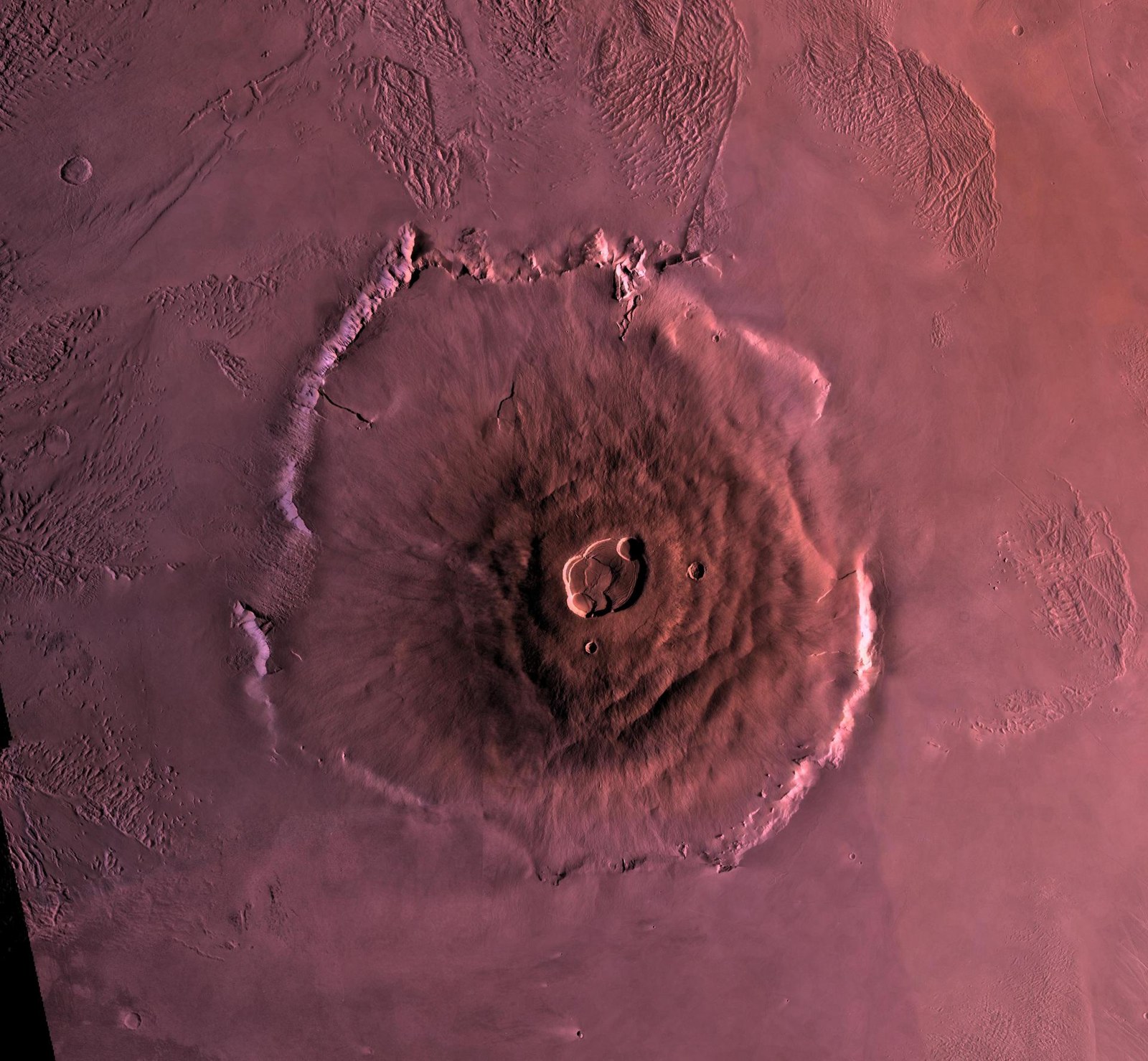
On Mars. NASA’s Mars facts page says Mars is home to the largest volcano in the solar system, Olympus Mons, with a base covering an area as large as the state of Arizona. NASA’s own resources give different heights for it, so this guide does not quote a numerical height or compare one with Everest.
How long is a canyon that could cross a continent?
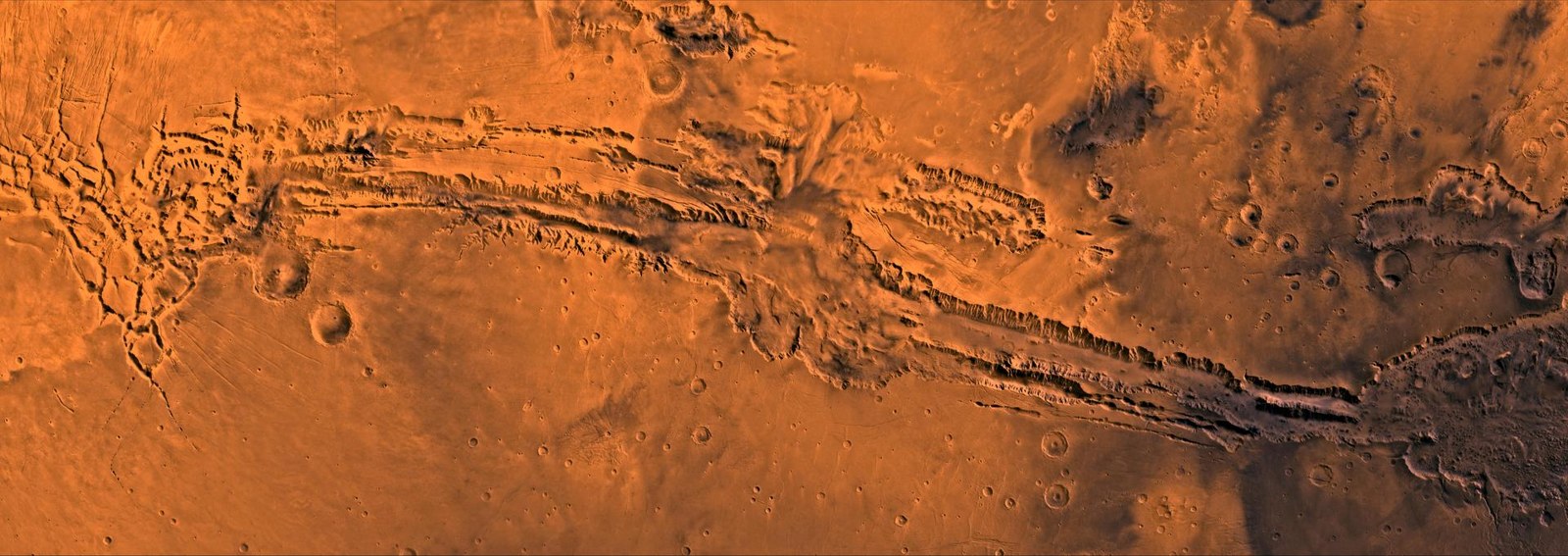
Another Martian record sits on the same NASA page. Valles Marineris is described as the largest canyon in the solar system and as long enough to stretch from California to New York. NASA gives its length as about 2,400 miles (3,870 kilometres), its width as about 370 miles (600 kilometres) at the widest, and its depth as about 5.8 miles (9.3 kilometres) at the deepest, measured from the rim to the canyon floor. That is more than 10 times longer and wider than Earth’s Grand Canyon, according to NASA.
What is the six-sided storm at the top of Saturn?
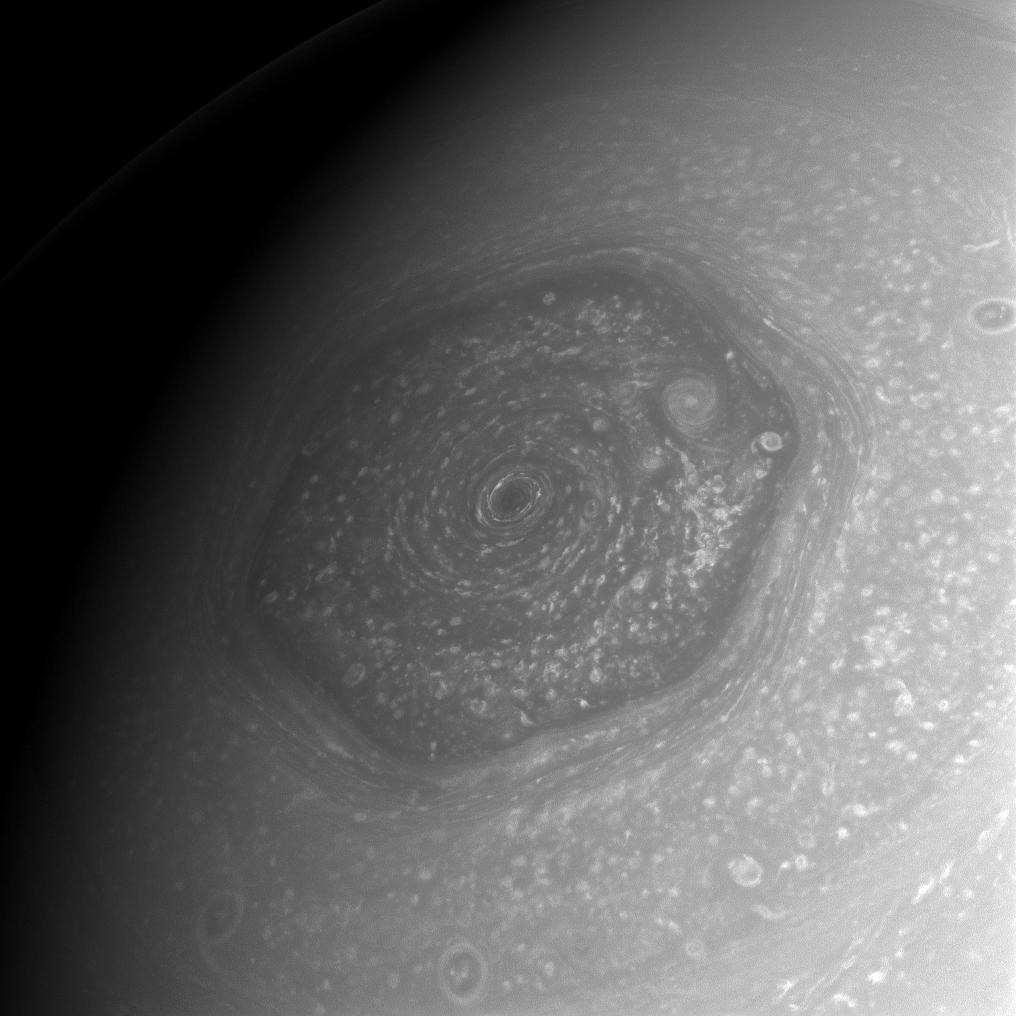
Saturn’s north pole has a six-sided jet stream, first noticed in images from the twin Voyager spacecraft in the early 1980s and observed more closely later by Cassini. NASA describes the hexagon as spanning about 20,000 miles (30,000 kilometres) across, a wavy jet stream of 200-mile-per-hour winds (about 322 kilometres per hour) with a massive rotating storm at the centre.
The story has a recent twist. NASA reports that observations from the Hubble Space Telescope revealed a giant, evolving, 10-sided atmospheric wave encircling Saturn’s south pole, according to a research study published in September 2026. The page says the discovery draws on observations dating back to 2023 and is the first time a large, regular-sided jet pattern has been observed in the planet’s southern hemisphere.
How long can a storm last on Jupiter?
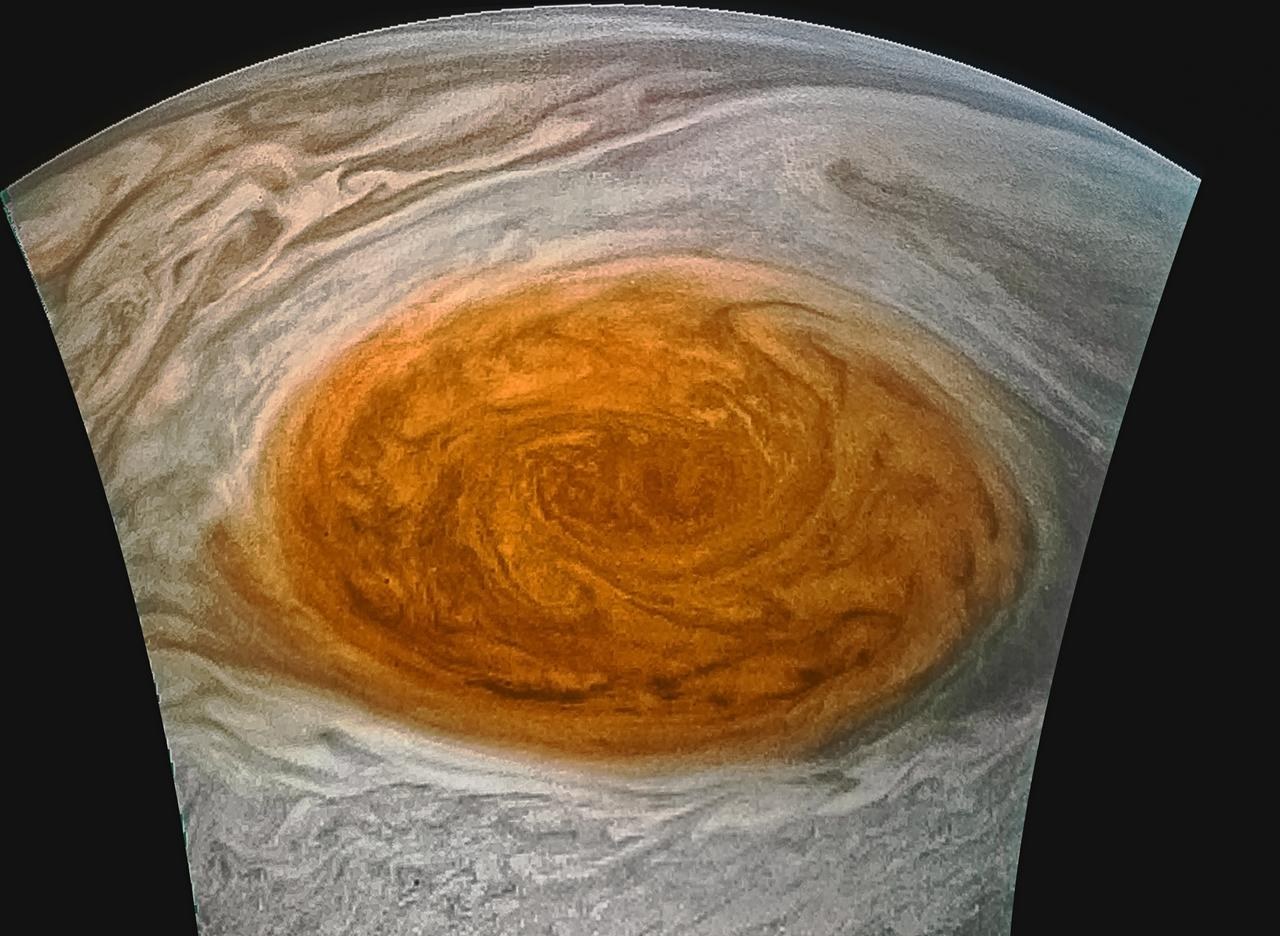
NASA’s Jupiter facts page calls the Great Red Spot an iconic giant storm bigger than Earth, a swirling oval of clouds on the giant planet. For scale, the same page gives Jupiter’s radius as 43,440.7 miles (69,911 kilometres) and says the planet is 11 times wider than Earth. NASA explains that with no solid surface to slow them down, Jupiter’s spots can persist for many years, and that three smaller ovals more recently merged to form the Little Red Spot, about half the size of its larger cousin.
Data from the Juno spacecraft add a view below the clouds. NASA says Juno’s gravity data allowed the team to constrain the extent of the Great Red Spot to a depth of about 300 miles (500 kilometres) below the cloud tops.
Which moon has rain, rivers and seas?
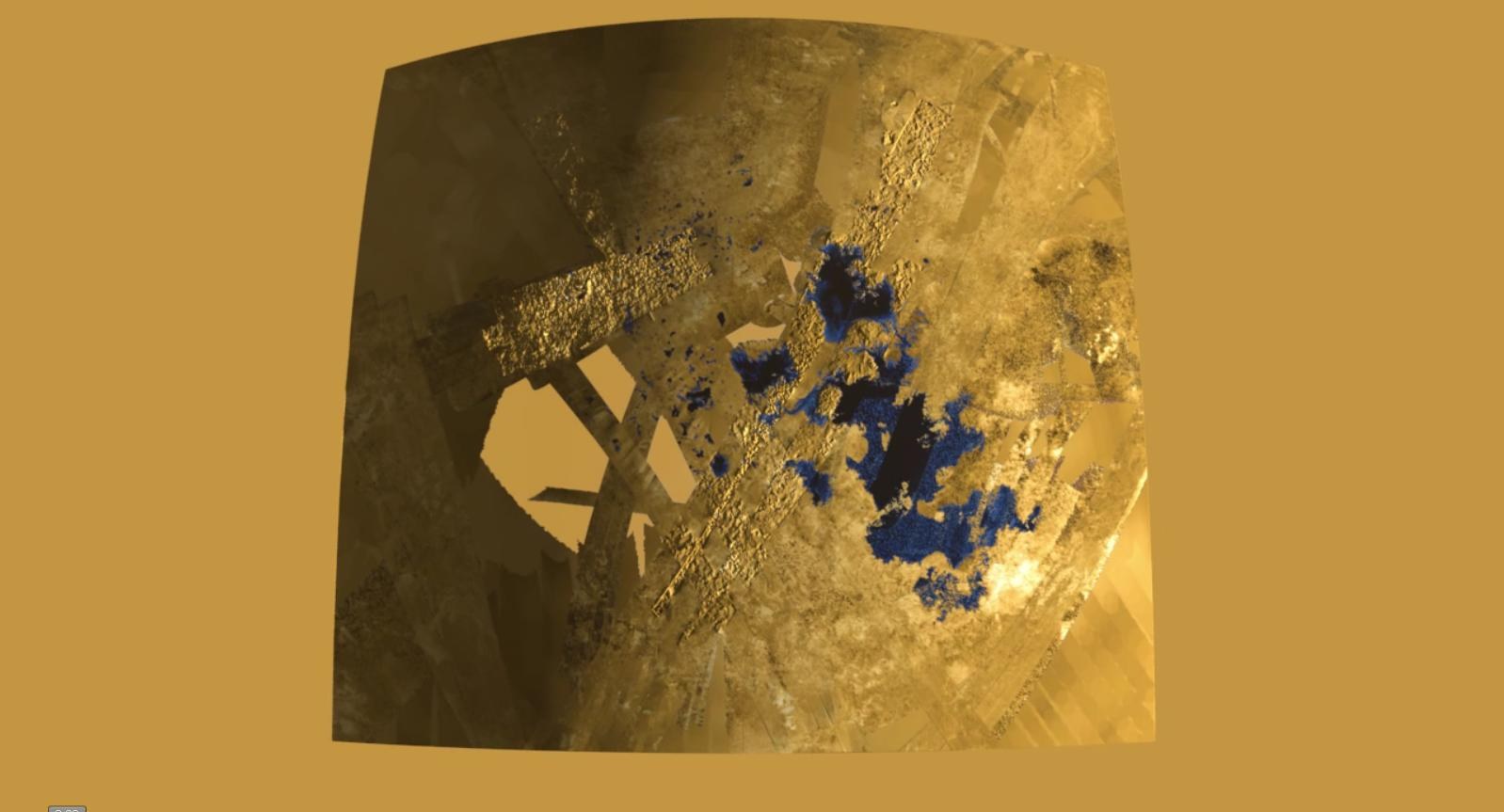
Titan, Saturn’s largest moon. NASA’s Titan page says it is the only moon in the solar system known to have a substantial atmosphere and the only place besides Earth known to have liquids on its surface. NASA describes clouds, rain, rivers, lakes and seas of liquid hydrocarbons such as methane and ethane.
Titan is also the target of NASA’s Dragonfly rotorcraft. NASA’s Titan page says Dragonfly is due to launch to Titan in 2028 and then spend three years making multiple landings to investigate prebiotic chemical processes and complex organic compounds; the mission page lists the launch as no earlier than July 2028, so the date could change.
Where does a small moon fire jets of water into space?
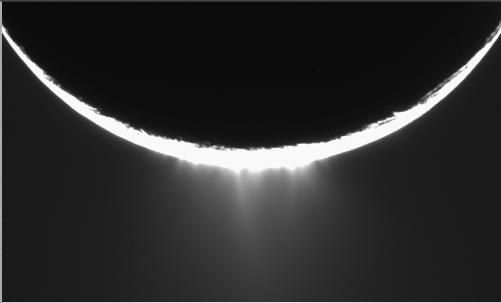
Enceladus, another of Saturn’s moons. NASA calls it a small, icy world, about 310 miles (500 kilometres) across, with geyser-like jets spewing water vapour and ice particles into space. Cassini discovered the eruptions in 2005, and NASA says the icy water particles and gas gush from the surface at approximately 800 miles per hour (400 metres per second). The jets come from relatively warm fractures that scientists informally call the “tiger stripes”.
The moon is also the most reflective body in the solar system, with a surface temperature of about minus 330 degrees Fahrenheit (minus 201 degrees Celsius). Its spray of icy particles forms Saturn’s E ring. From samples of the plume, NASA says scientists have determined that Enceladus has most of the chemical ingredients needed for life and likely has hydrothermal vents, and calls it a promising lead in the search for worlds where life could exist.
The bottom line
Six places, one source: NASA’s own pages describe the biggest volcano and the largest canyon in the solar system, a six-sided storm at Saturn, a giant storm on Jupiter, a moon with a liquid-hydrocarbon cycle and a moon that sprays its ocean into space. The figures are NASA’s published numbers, and the pages were read on 25 October 2026.
Sources
- Mars Facts, NASA Science, read 25 October 2026 (science.nasa.gov)
- Saturn Facts, NASA Science, read 25 October 2026 (science.nasa.gov)
- Jupiter Facts, NASA Science, read 25 October 2026 (science.nasa.gov)
- Titan, NASA Science, read 25 October 2026 (science.nasa.gov)
- Dragonfly, NASA Science, read 25 October 2026 (science.nasa.gov)
- Enceladus, NASA Science, read 25 October 2026 (science.nasa.gov)
- Moon to Mars: How Big Is It? teacher resource, NASA, NP-2020-03-14-MSFC, read 25 October 2026 (nasa.gov)