
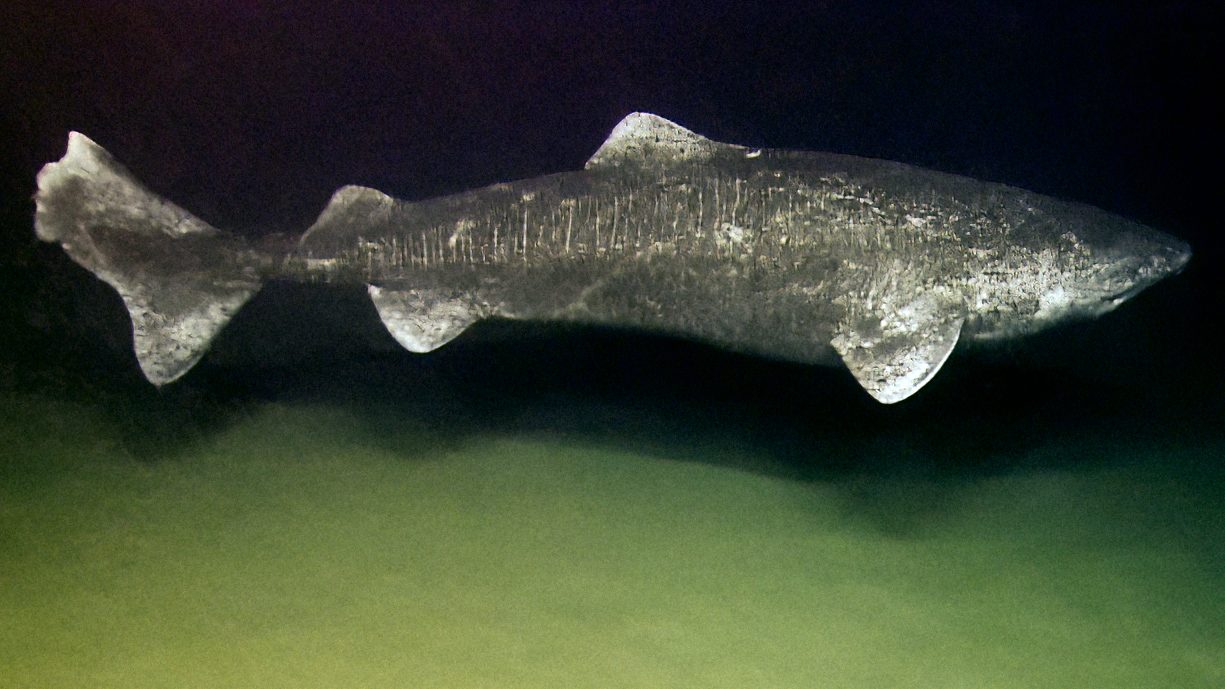
Which animal lives longest depends on what is being counted: a single vertebrate, a clam with countable growth rings, a whole colony. Six candidates follow, each with the way its age was estimated and the caution the source attaches. Every page was read on 27 October 2026.
Which vertebrate has the longest known lifespan?
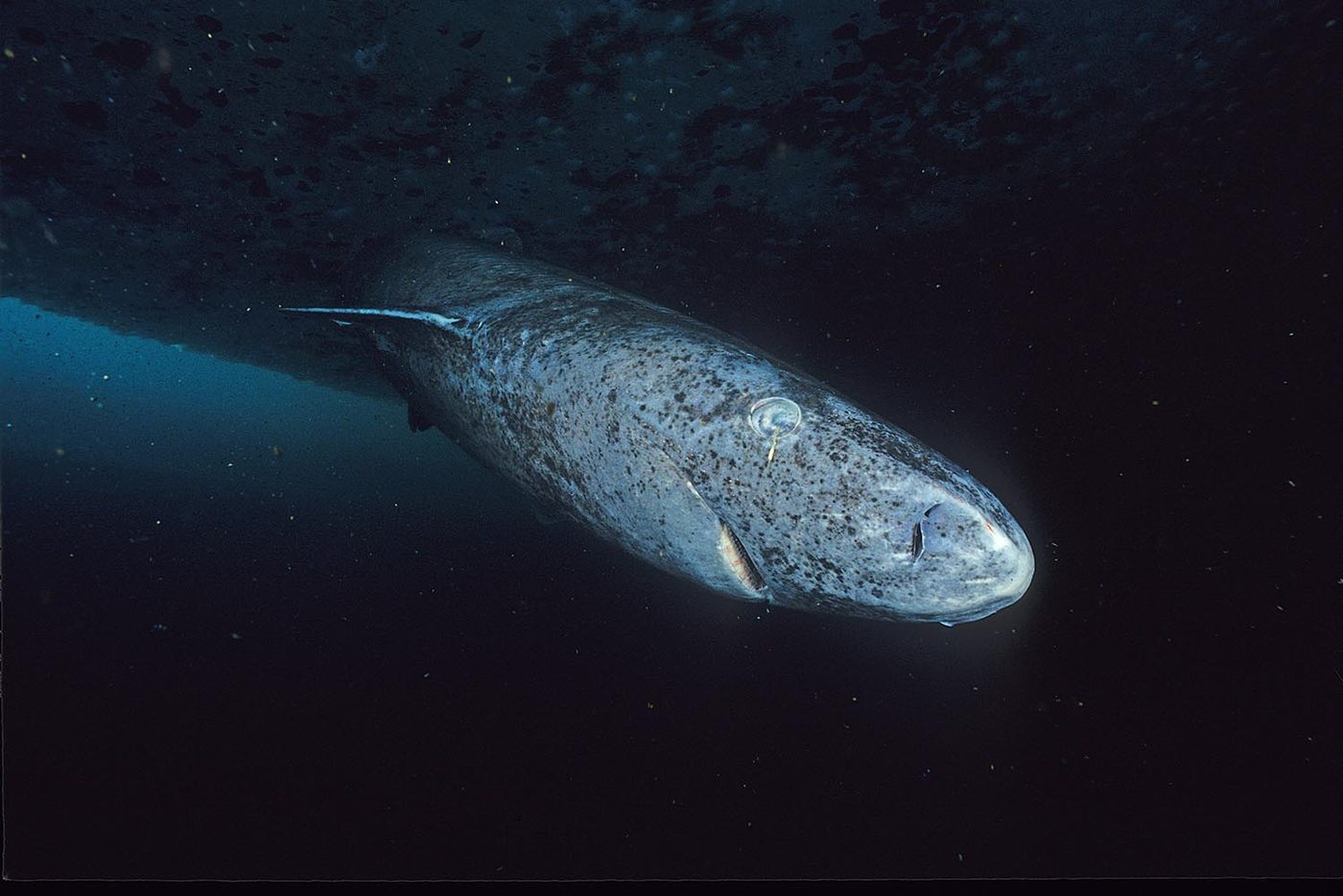
A 2016 study in Science radiocarbon-dated the eye lens nuclei of 28 female Greenland sharks (81 to 502 centimetres long). It found a life span of at least 272 years, and put the largest animal, at 502 centimetres, at 392 ± 120 years old, reported as the midpoint and extent of a 95.4% probability range. Age at sexual maturity came out at least 156 ± 22 years. The authors conclude that the Greenland shark is the longest-lived vertebrate known. A NOAA education page on fishery facts, by contrast, calls the rougheye rockfish the longest known living fish, able to live over 200 years, so the two sources do not agree on that title.
What is the oldest animal with a counted age?
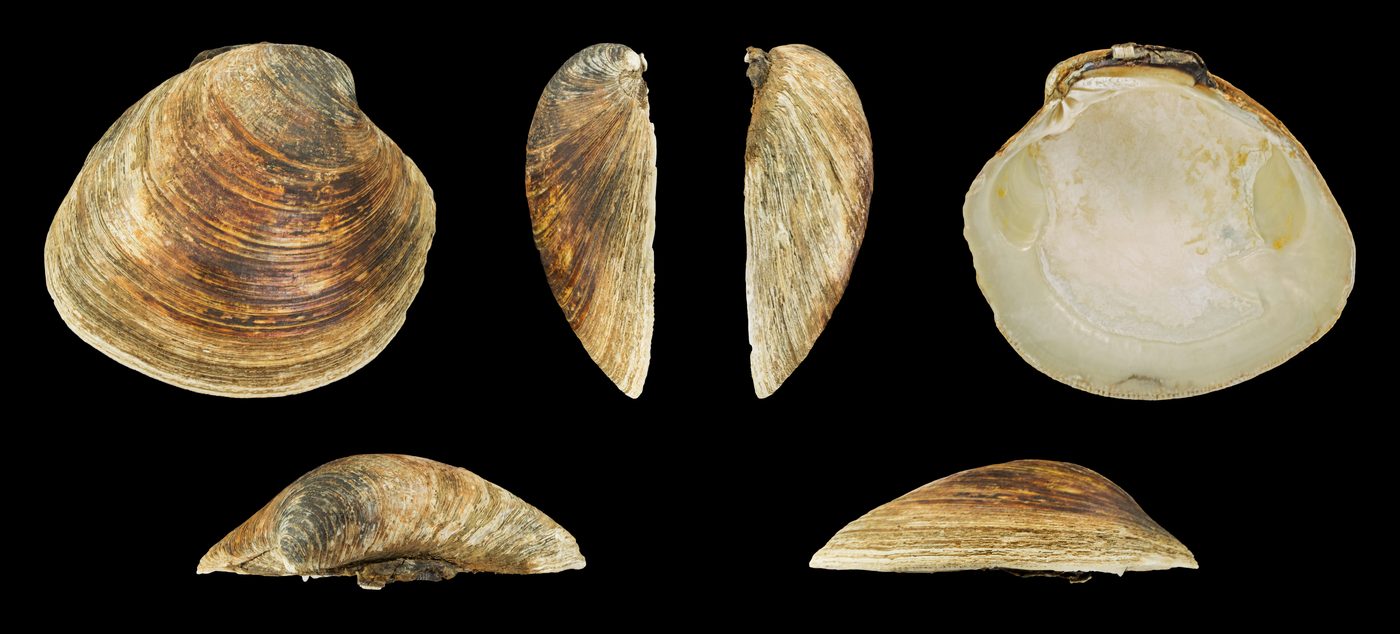
ScienceNordic reported on 6 November 2013 that new dating put a clam nicknamed Ming at 507 years old when it died in 2006, more than 100 years older than the 405 years first reported. The ocean quahog (Arctica islandica) adds a growth ring to its shell each year, and the new estimate means it was born in 1499. The page calls it the longest-lived non-colonial animal so far reported whose age at death can be accurately determined. Researcher Paul Butler is quoted saying the team got the age wrong the first time and is now certain of the new figure, while Rob Witbaard of the Royal Netherlands Institute for Sea Research, who was not involved in the study, is quoted as saying any error could only be one or two years.
Could a mammal reach 200 years?
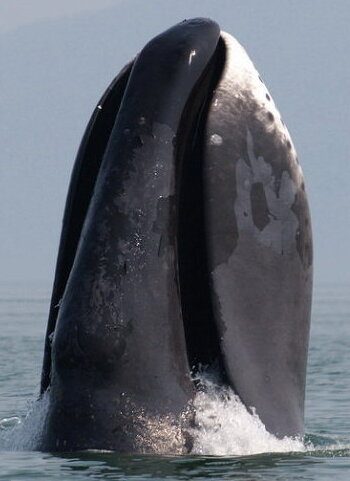
NOAA Fisheries lists the bowhead whale’s lifespan as unknown but says evidence suggests they can live over 200 years. Its page says stone harpoon tips recovered from harvested bowheads show the whales live well over 100 years, and that newer techniques suggest they may live to be over 200. Genes that repair damaged DNA may be responsible for their longevity, it adds. Science News Explores, in January 2015, wrote that some bowheads have lived well beyond 100, including one that survived to 211. NOAA also notes that age determination in bowheads has historically been difficult.
How old is the oldest land animal?
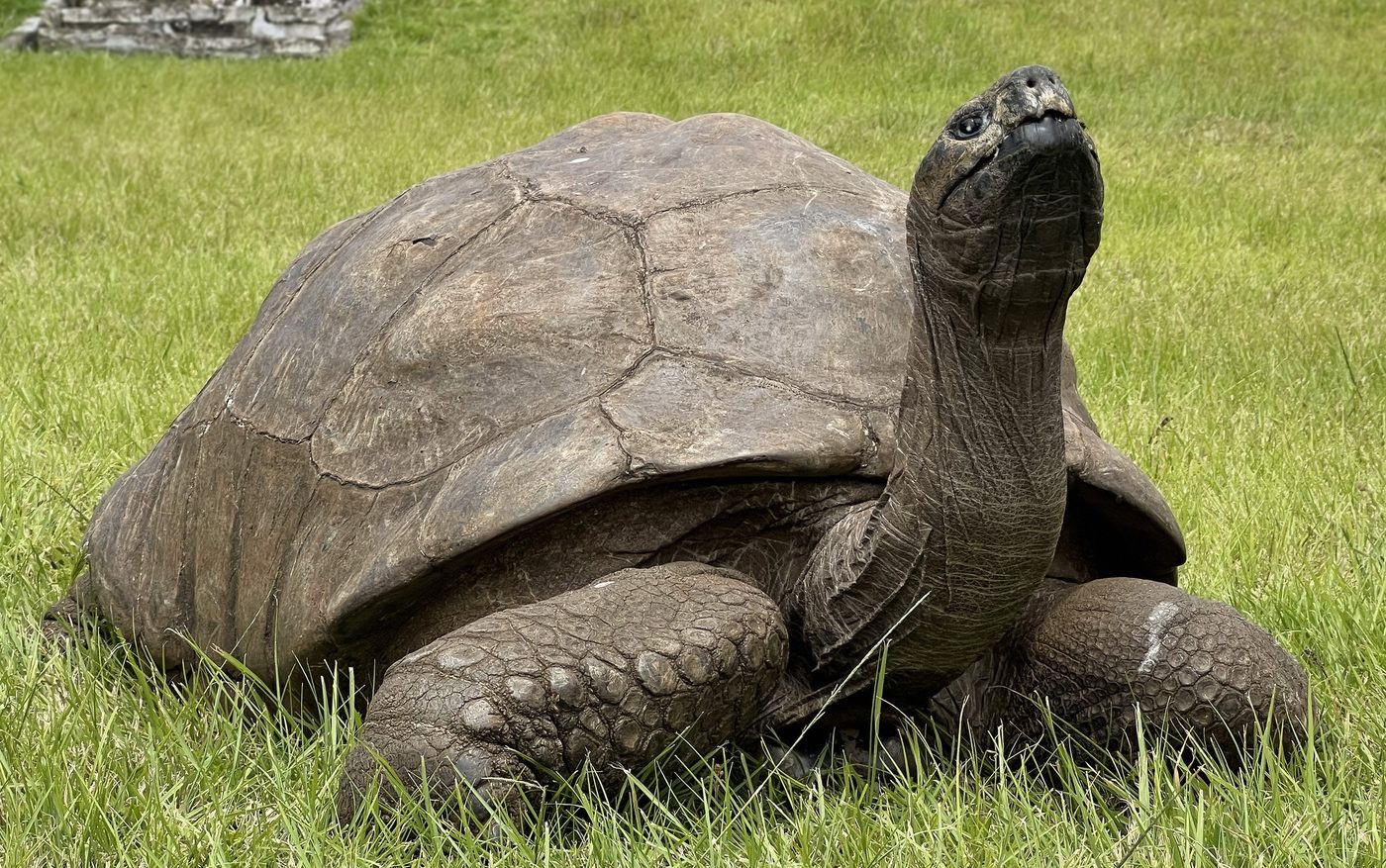
Smithsonian Magazine reported that Jonathan, a Seychelles giant tortoise on the island of Saint Helena, celebrated his 191st birthday in 2023, and calls him the world’s oldest living land animal. His exact age is unknown. He was fully grown when he was gifted to the island’s governor from Seychelles in 1882, which experts said meant he was at least 50. The governor of Saint Helena granted him an official birthday of 4 December 1832, but the page says experts consider him likely even older. It gives the average life expectancy of Seychelles giant tortoises as 150 years.
Do any animals outlast that, if a colony counts?
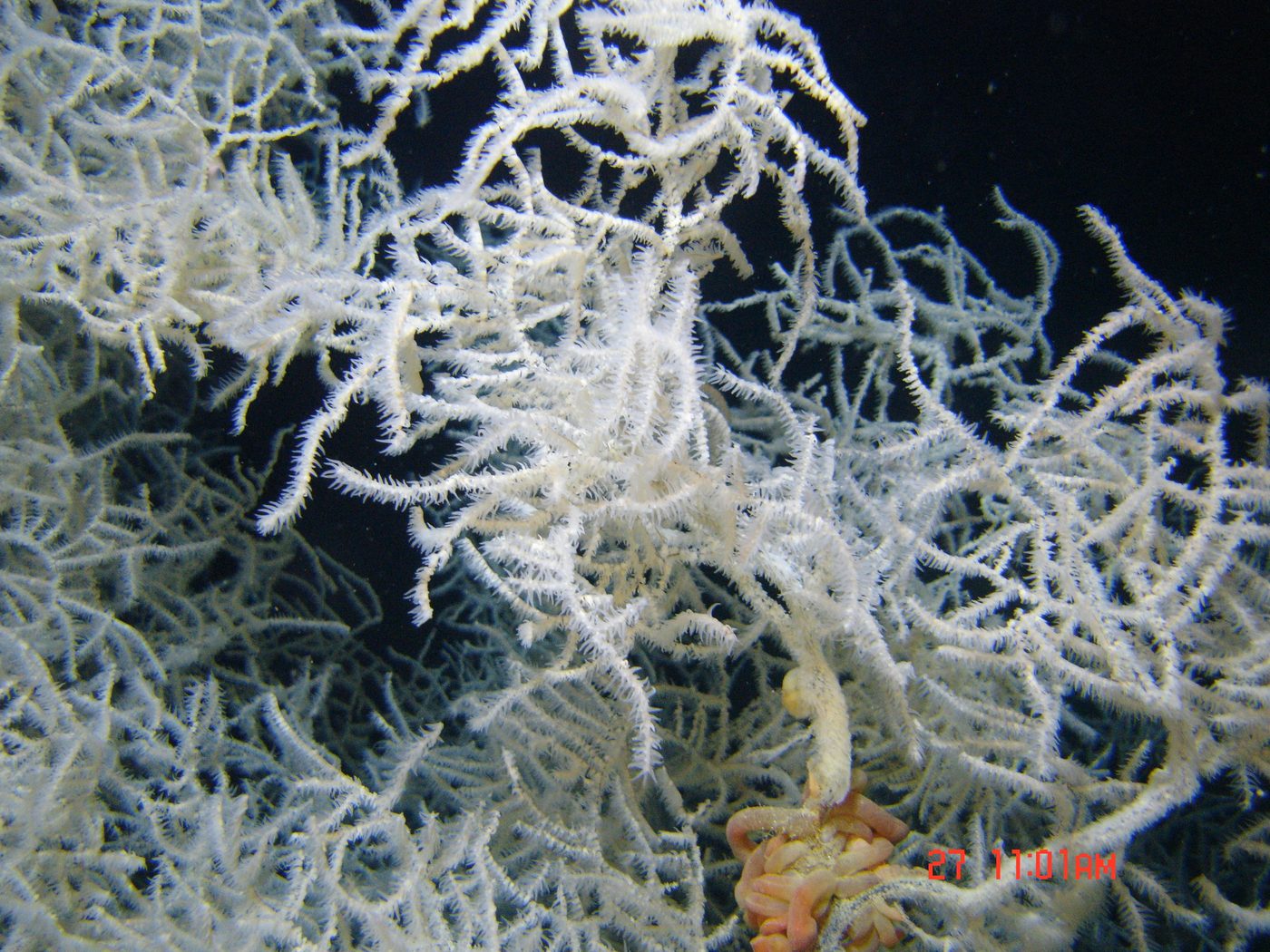
A 2009 paper in the Proceedings of the National Academy of Sciences used radiocarbon dating on deep-water proteinaceous corals. It found that individual colony longevities are on the order of thousands of years, with the longest-lived Gerardia and Leiopathes specimens at 2,742 and 4,265 years, and radial growth rates as low as 4 to 35 micrometres a year. The abstract frames both figures as colony longevities.
What about the “immortal” jellyfish?
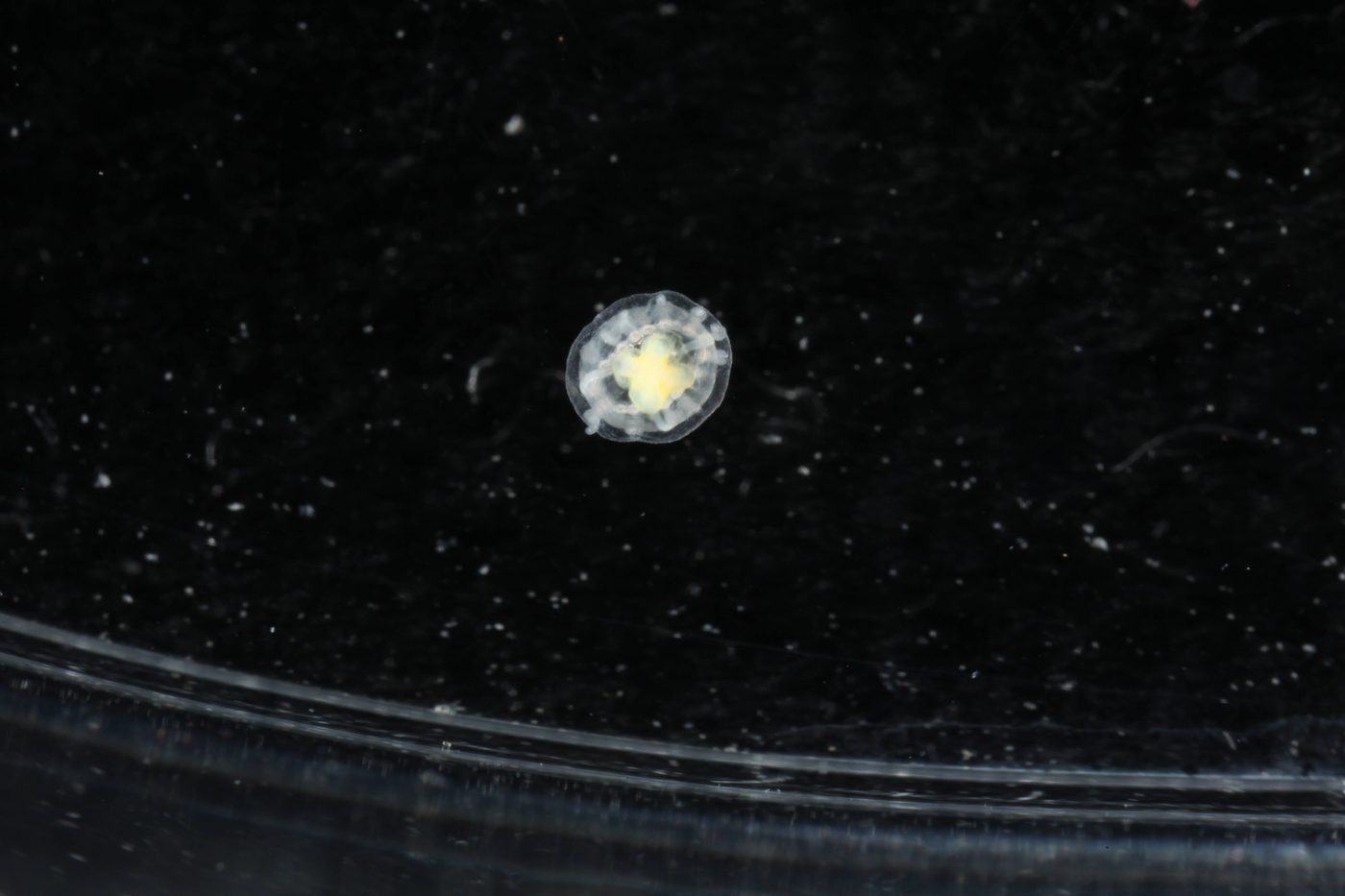
A Smithsonian invasions database page on Turritopsis dohrnii says medusae can transform into a cyst, which can then regenerate into a polyp, “making the organism potentially immortal”. A 2019 paper in G3 describes the process as reverse development in response to physical damage, adverse conditions or aging, with a cyst stage between the medusa and the polyp. Its abstract reports transcriptome comparisons and says the results are a first attempt to understand the life-cycle reversal genetically. Neither that page nor the paper’s abstract gives a measured lifespan, so no age is claimed here.
The bottom line
The sources give very different kinds of evidence: radiocarbon dating for sharks and corals, growth rings for the clam, harpoon tips and estimates for the whale, and an island’s records for a tortoise. Each figure is an estimate or an attributed record, and the jellyfish’s “potentially immortal” label describes a life-cycle reversal, not an observed age.
Sources
- Eye lens radiocarbon reveals centuries of longevity in the Greenland shark (Somniosus microcephalus), Nielsen and others, Science 353: 702-704, 2016, abstract on PubMed, read 27 October 2026 (pubmed.ncbi.nlm.nih.gov)
- Fish and Fishery Facts, NOAA National Marine Sanctuaries, read 27 October 2026 (sanctuaries.noaa.gov)
- New record: World’s oldest animal is 507 years old, ScienceNordic, 6 November 2013, read 27 October 2026 (sciencenordic.com)
- Bowhead whale species profile, NOAA Fisheries, read 27 October 2026 (fisheries.noaa.gov)
- A whale of a lifespan, Science News Explores, 20 January 2015, read 27 October 2026 (snexplores.org)
- The World’s Oldest Living Land Animal, a Tortoise Named Jonathan, Turns 191, Smithsonian Magazine, undated page covering his 191st birthday (late 2023), read 27 October 2026 (smithsonianmag.com)
- Extreme longevity in proteinaceous deep-sea corals, Roark and others, Proceedings of the National Academy of Sciences 106: 5204-5208, 2009, abstract on PubMed, read 27 October 2026 (pubmed.ncbi.nlm.nih.gov)
- Turritopsis dohrnii, Smithsonian invasions database (NEMESIS), read 27 October 2026 (invasions.si.edu)
- Transcriptome Characterization of Reverse Development in Turritopsis dohrnii, Matsumoto and Piraino, G3 9: 4127-4138, 2019, read 27 October 2026 (pmc.ncbi.nlm.nih.gov)