
How big can one living thing get? It depends on what counts as a single organism. Forest Service pages define a genet as a genetically unique individual organism, and the first three records below rest on that idea: one individual that has spread by growing outwards. Each figure is credited to the body or researchers who published it, with their qualifiers, and every page was read on 27 October 2026.
Pando in Utah: one seed, more than 40,000 trunks
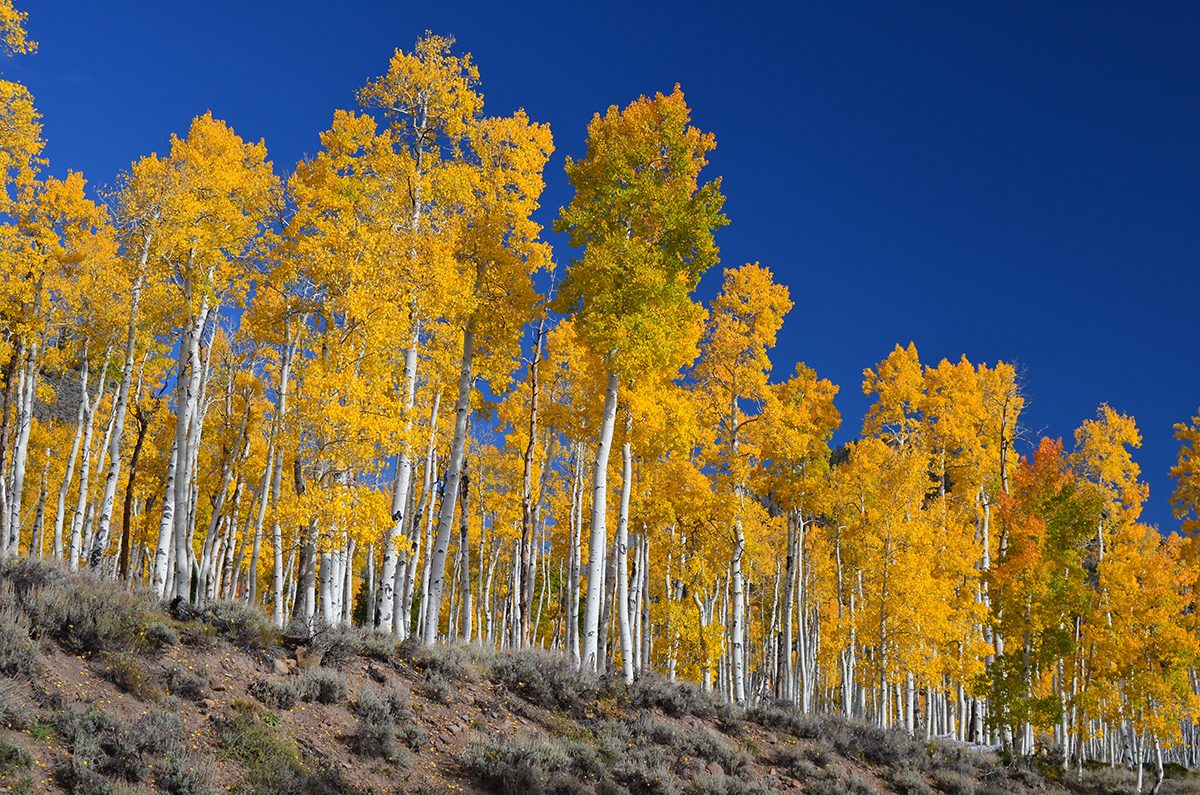
The US Forest Service’s Fishlake National Forest page describes Pando as an aspen clone that originated from a single seed and spreads by sending up new shoots from its expanding root system. Scientists named it with a Latin word that means “I spread”. The page says Pando is believed to be the largest organism ever found, at nearly 13 million pounds, and that the clone spreads over 106 acres and consists of over 40,000 individual trees.
The age is harder to pin down. The Forest Service says the exact age of the clone and its root system is difficult to calculate, but it is estimated to have started at the end of the last ice age, and that some of the trees are over 130 years old. The page also refers to decline: the Forest Service and partners, including Friends of Pando, are working together to study Pando in order to address the issues of decline.
An Oregon fungus: about 2,400 acres of one genet
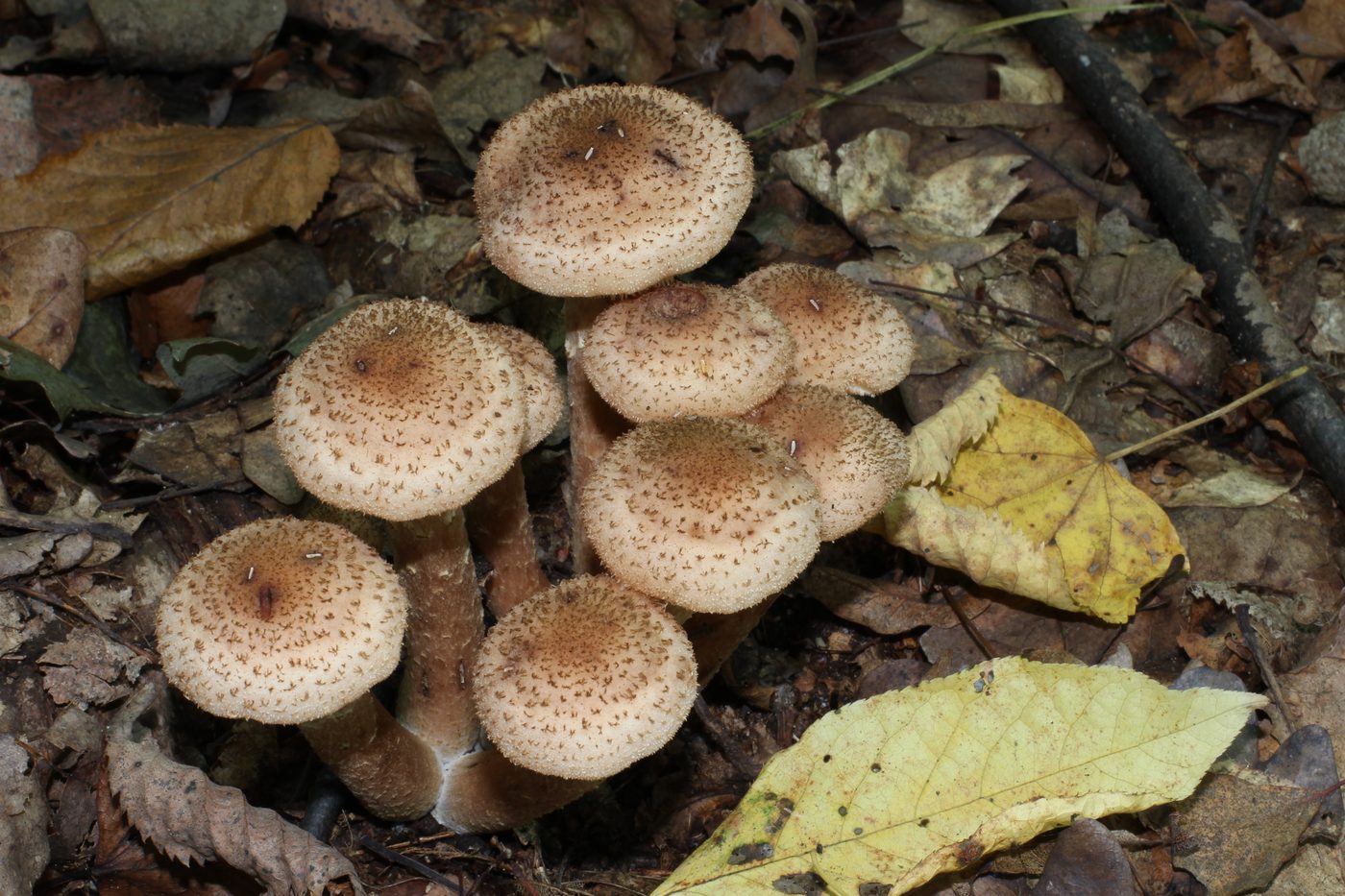
On the Malheur National Forest, the Forest Service says at least five separate Armillaria ostoyae genets live in the mountains east of Prairie City, Oregon. Several are very large, including what the page calls the largest known fungus genet in the world, identified as the Humongous Fungus. A Forest Service leaflet dated July 2024 says single clones such as the “humongous fungus” have been estimated to be 2,400 acres (970 ha) in size and at least 2,200 years old in a mixed-conifer forest of northeastern Oregon.
A 2003 study by Ferguson and colleagues, working in the Blue Mountains of north-east Oregon, sampled recently dead or live, symptomatic conifers. It reported Armillaria ostoyae genet sizes of approximately 20, 95, 195, 260 and 965 ha, and, using three estimates of spread rate, age estimates for the 965-ha genet ranging from 1900 to 8650 years. The leaflet’s “at least 2,200 years” and the study’s range of 1900 to 8650 years are different statements, and the study shows how wide the range can be.
Shark Bay: a seagrass meadow that is one plant
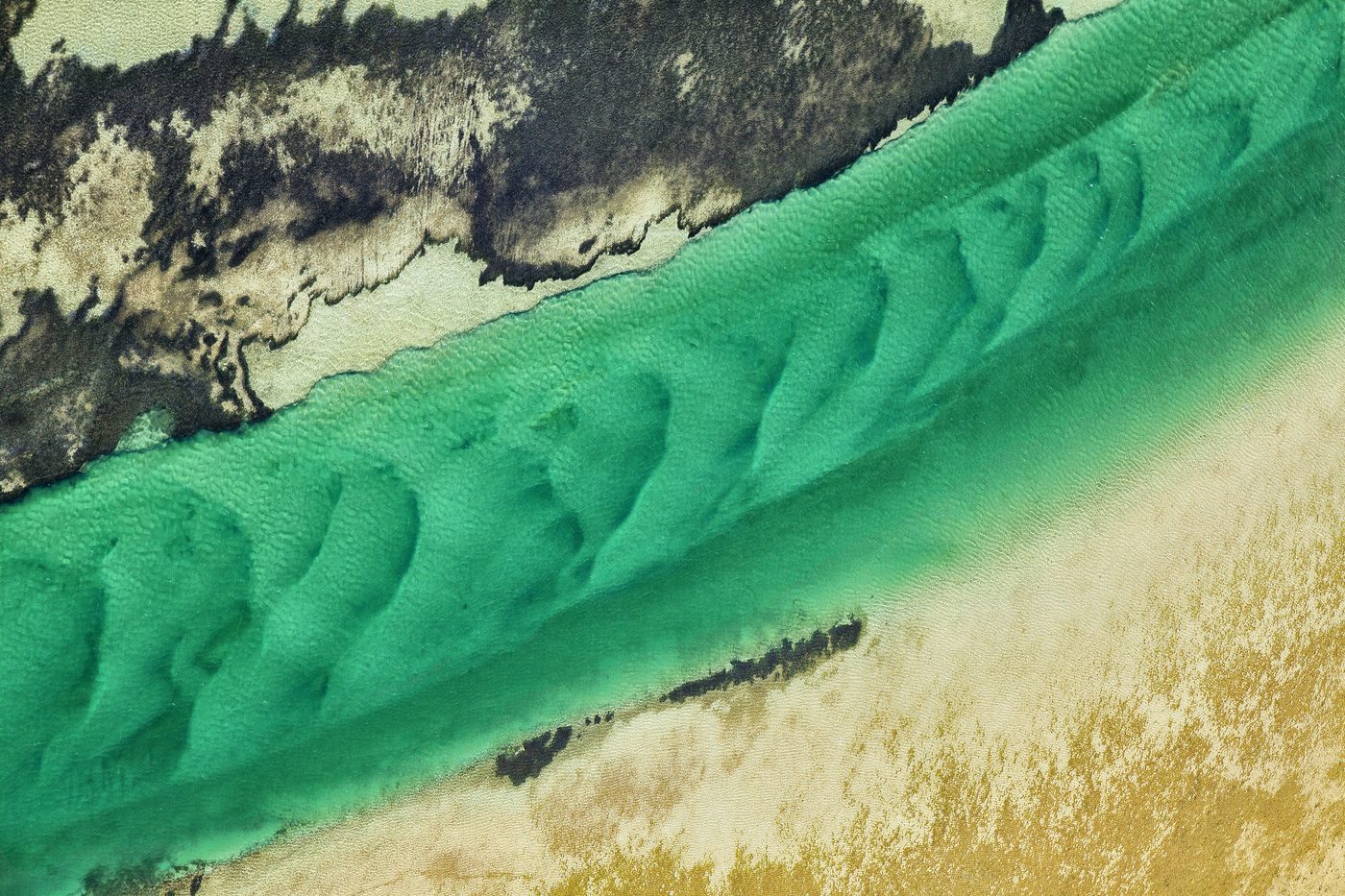
Researchers from the University of Western Australia and Flinders University reported in Proceedings of the Royal Society B that the ribbon weed (Posidonia australis) meadows of Shark Bay in Western Australia appear to be a single plant. According to the university’s release of 1 June 2022, the team sampled seagrass shoots from across the bay and generated a “fingerprint” using 18,000 genetic markers. Lead author Jane Edgeloe said just one plant had expanded over 180km, making it the largest known plant on earth, and the release says the existing 200km2 of meadows appear to have expanded from a single, colonising seedling.
The release gives the age as an estimate of at least 4,500 years. It adds that the plant has twice as many chromosomes as its oceanic relatives, making it a polyploid, and Flinders ecologist Dr Martin Breed said it may in fact be sterile.
The blue whale: one animal, up to 110 feet
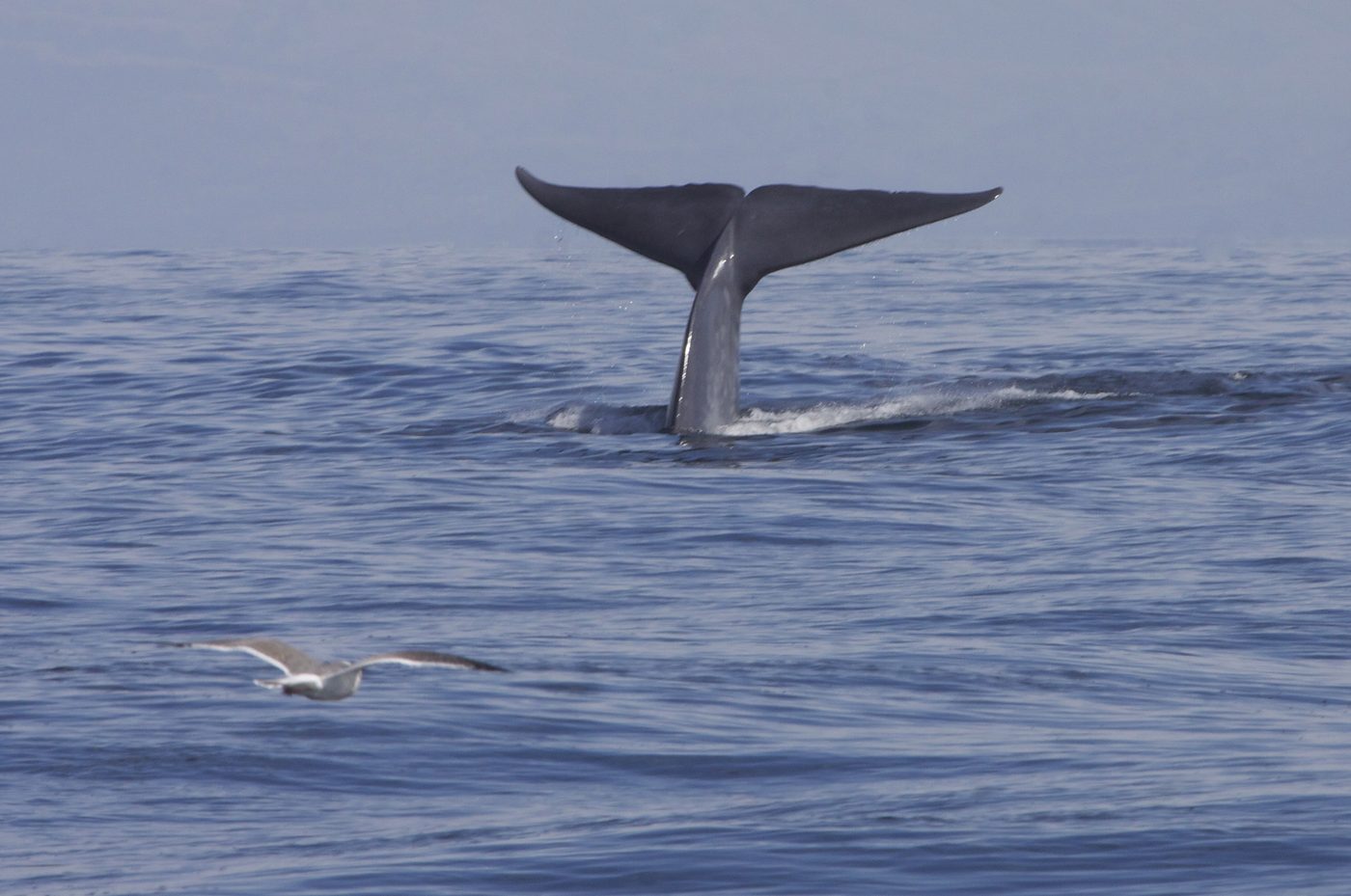
NOAA Fisheries calls blue whales the largest animals ever to live on our planet. Its species page lists a weight of up to 330,000 pounds and a length of up to 110 feet, and says the size varies by region: in the North Atlantic and North Pacific, blue whales can grow up to about 90 feet and are over 100,000 pounds, while in the Antarctic they can reach up to about 110 feet and weigh more than 330,000 pounds. The lifespan is estimated at around 80 to 90 years.
The Great Barrier Reef: enormous, but a community
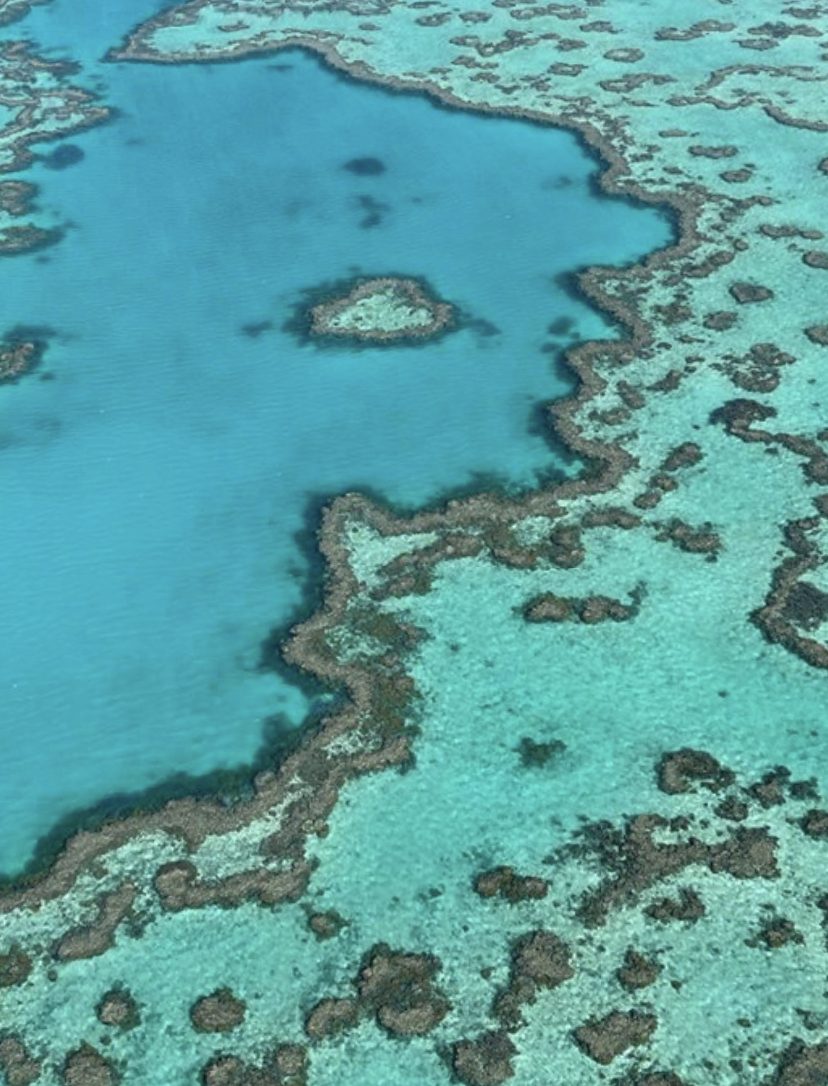
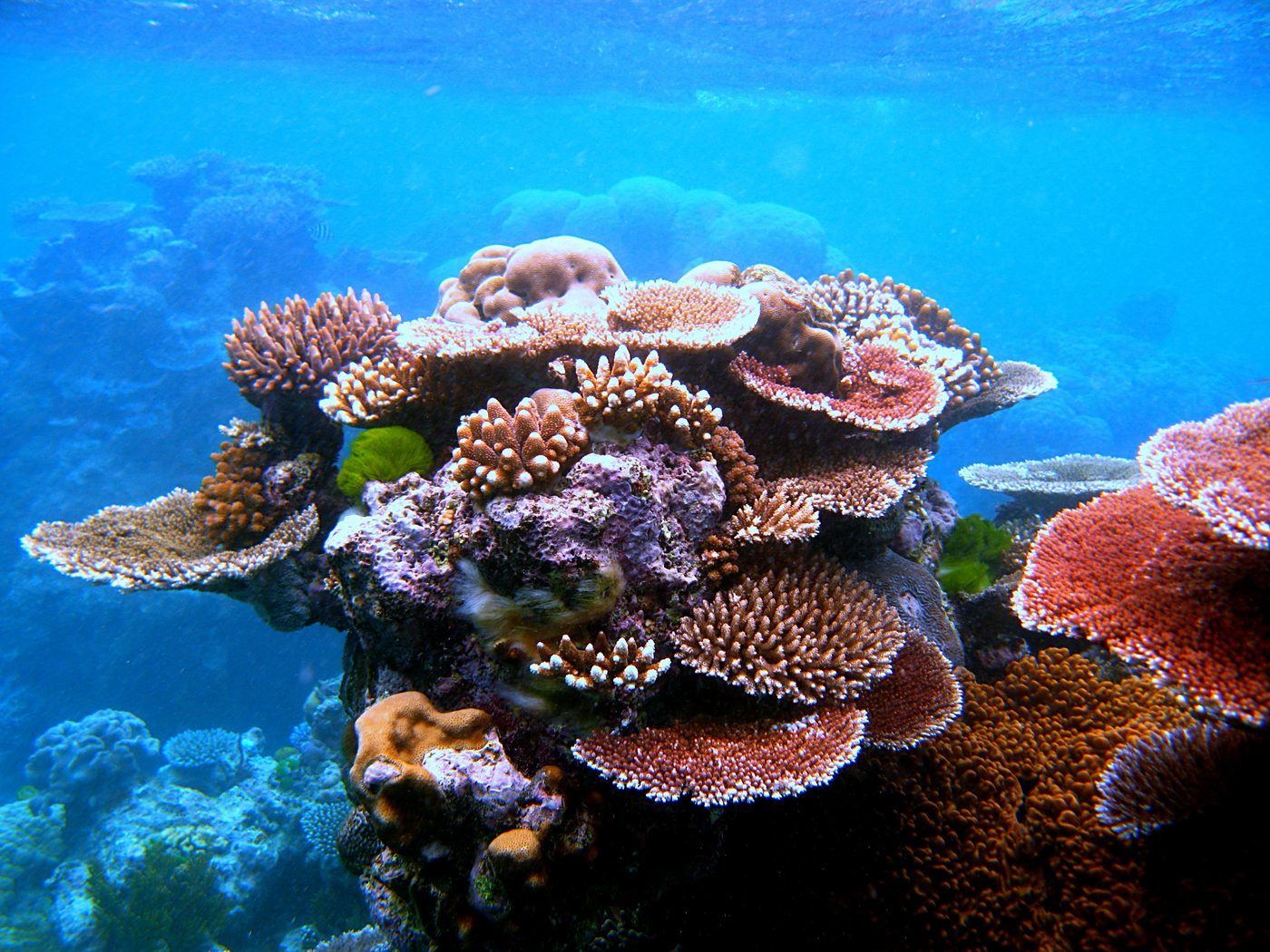
UNESCO says the Great Barrier Reef contains the world’s largest collection of coral reefs, with 400 types of coral, and describes it as the world’s largest coral reef ecosystem. Within it, UNESCO says, are some 2,500 individual reefs and over 900 islands, and it adds that the reef is one of a few living structures visible from space. That wording describes an ecosystem and a collection of reefs, not a single plant or animal.
The bottom line
The sources use different yardsticks: weight for Pando, area for the Oregon fungus, distance across the bay for the Shark Bay seagrass, body size for the blue whale. Where they give ranges, as with the fungus’s age, the range is the honest answer. A reef is a different kind of record, because it is a community rather than an individual.
Sources
- Pando, Fishlake National Forest, USDA Forest Service, last updated 23 October 2026, read 27 October 2026 (fs.usda.gov)
- Explore the Forest! Humongous Fungus, Malheur National Forest, USDA Forest Service, last updated 24 April 2025, read 27 October 2026 (fs.usda.gov)
- Armillaria Root Disease in Conifers of Western North America, Forest Insect and Disease Leaflet 188, USDA Forest Service, July 2024, read 27 October 2026 (fs.usda.gov)
- Coarse-scale population structure of pathogenic Armillaria species in a mixed-conifer forest in the Blue Mountains of northeast Oregon, Ferguson and others, 2003, read 27 October 2026 (fs.usda.gov)
- Largest known plant on earth discovered at Shark Bay and it’s 4,500 years old, University of Western Australia, 1 June 2022, read 27 October 2026 (uwa.edu.au)
- Ancient, largest plant found in WA, Flinders University news, 1 June 2022, read 27 October 2026 (news.flinders.edu.au)
- Blue Whale, NOAA Fisheries, read 27 October 2026 (fisheries.noaa.gov)
- Great Barrier Reef, UNESCO World Heritage Centre, read 27 October 2026 (whc.unesco.org)