
Sleep is hard to measure in the wild, so animal sleep claims often travel further than the evidence behind them. Here are five, each set against what researchers actually recorded, with the number of animals studied and the method given wherever the source gives them. The subject is animals only. Every page was read on 27 October 2026.
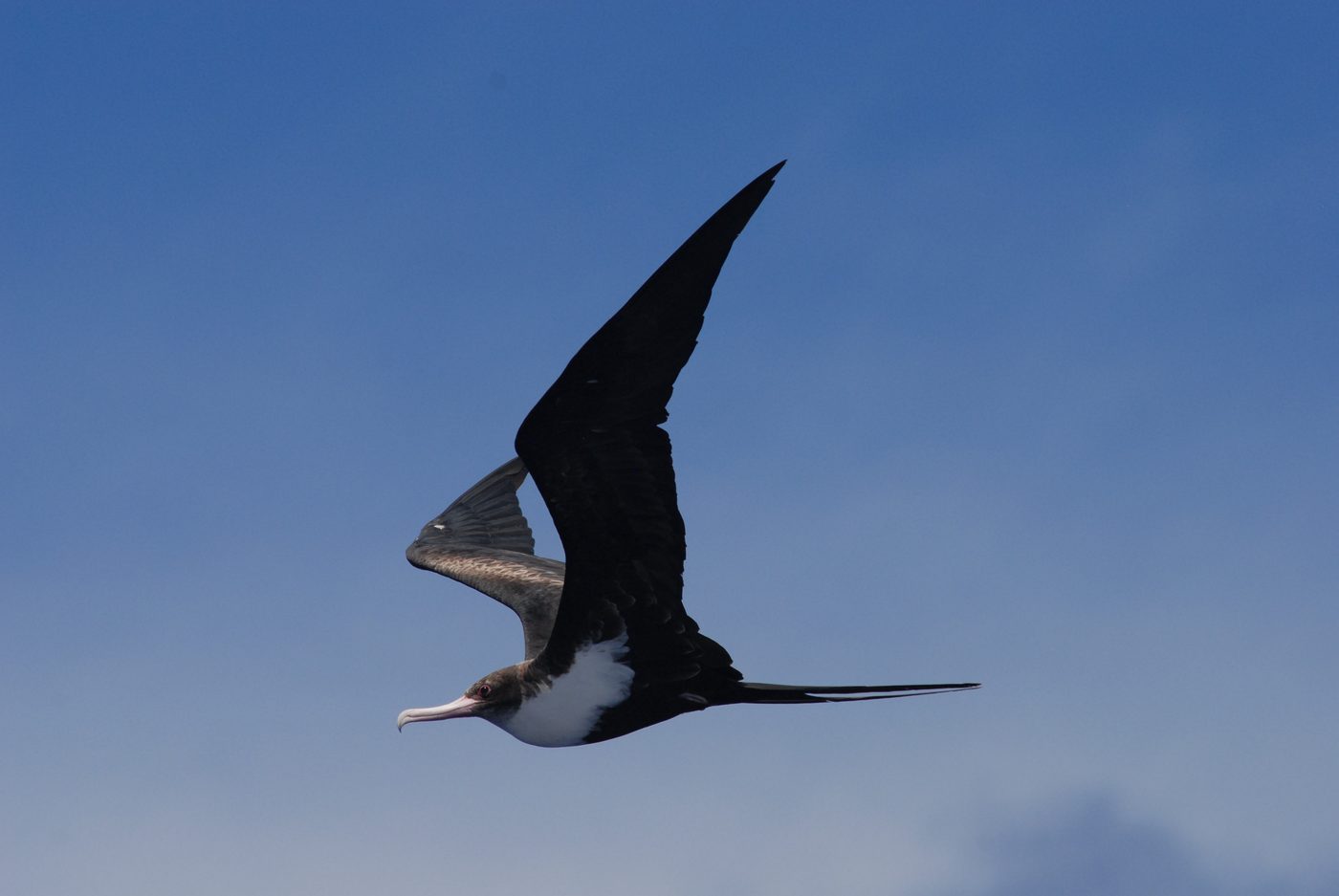
Frigatebirds: asleep on the wing, but only 42 minutes a day
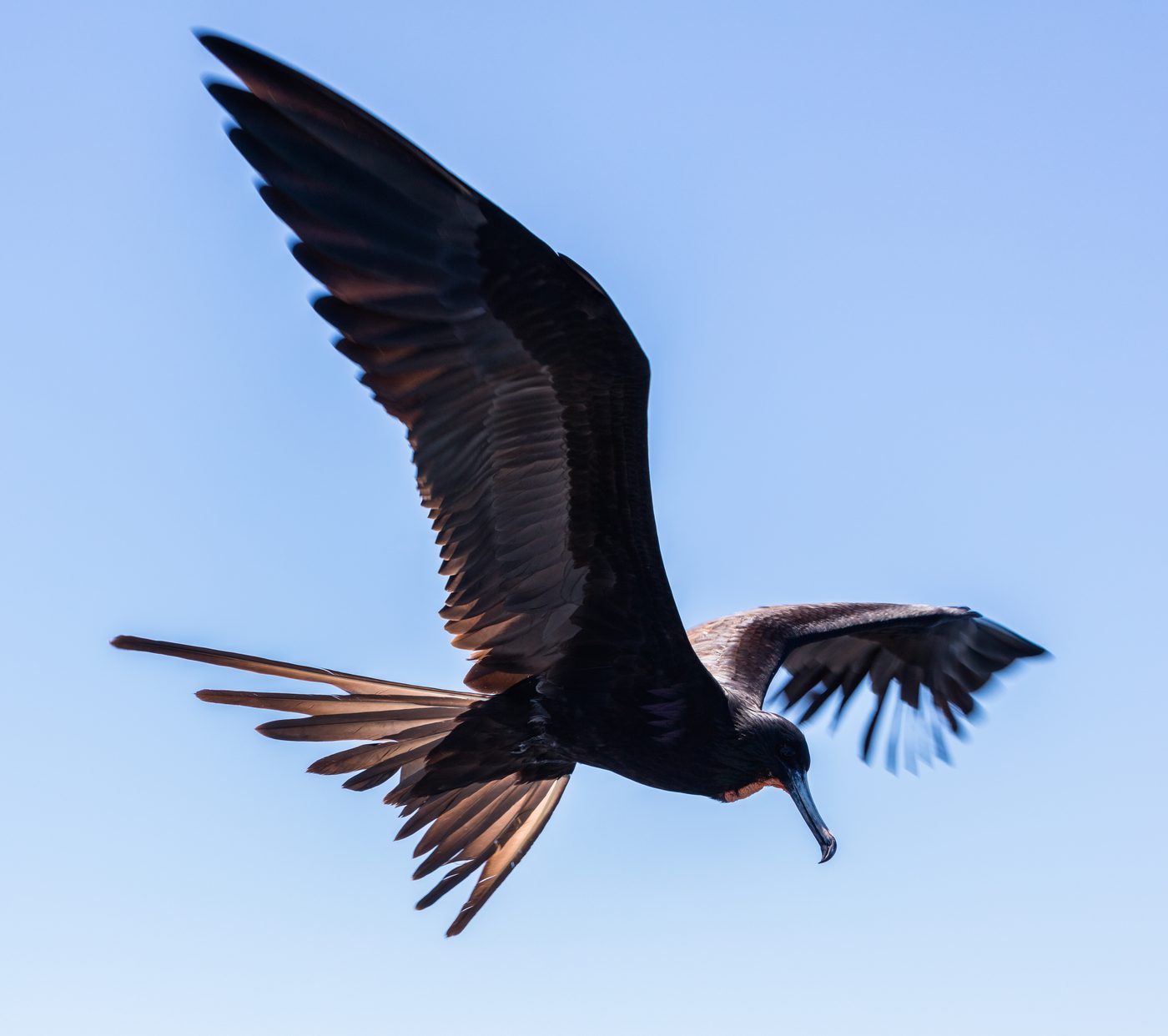
In a study led by Niels Rattenborg of the Max Planck Institute for Ornithology, a small flight data recorder was attached to the heads of nesting female great frigatebirds in the Galápagos. The birds carried it on non-stop foraging flights lasting up to ten days and 3000 kilometres, and it registered brain activity in both hemispheres. According to the institute’s release of 3 August 2016, the birds slept in flight with either one hemisphere at a time or both together.
The surprise was the total. On average the frigatebirds slept only 42 minutes per day in flight, against over twelve hours per day back on land. When they circled on rising air, the hemisphere linked to the eye facing the turn was typically awake, which the release says suggested the birds were watching where they were going. It adds that why they sleep so little in flight remains unclear.
Dolphins: two tested in five-day sessions, one continued for fifteen days
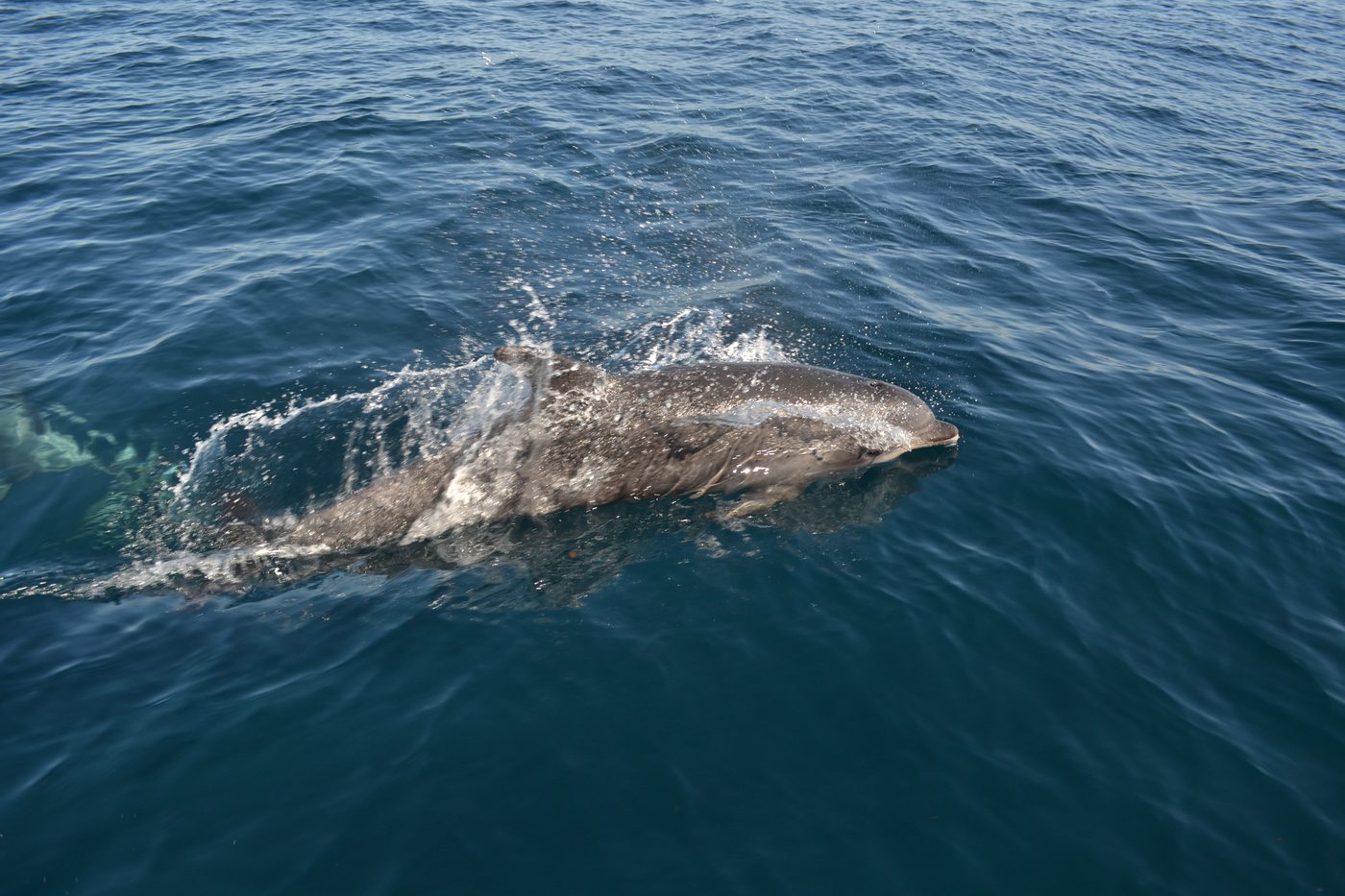
Dolphins sleep with only one half of the brain at a time, a trait called unihemispheric sleep that was believed to have evolved so they can breathe at the surface even when half-asleep. A PLOS ONE study released on 17 October 2012 tested what that allows. Brian Branstetter of the National Marine Mammal Foundation and colleagues tested two dolphins on an echolocation task that required them to detect and report targets.
Two dolphins, one male and one female, completed five-day testing sessions. One achieved 75–86 percent correct responses and the other 97–99 percent. A fifteen-day session involved one dolphin, which maintained near-perfect performance without a significant decline. How much longer the animals could have continued was not studied, and the work covers only those two dolphins.
Elephants: about two hours a day in two wild matriarchs
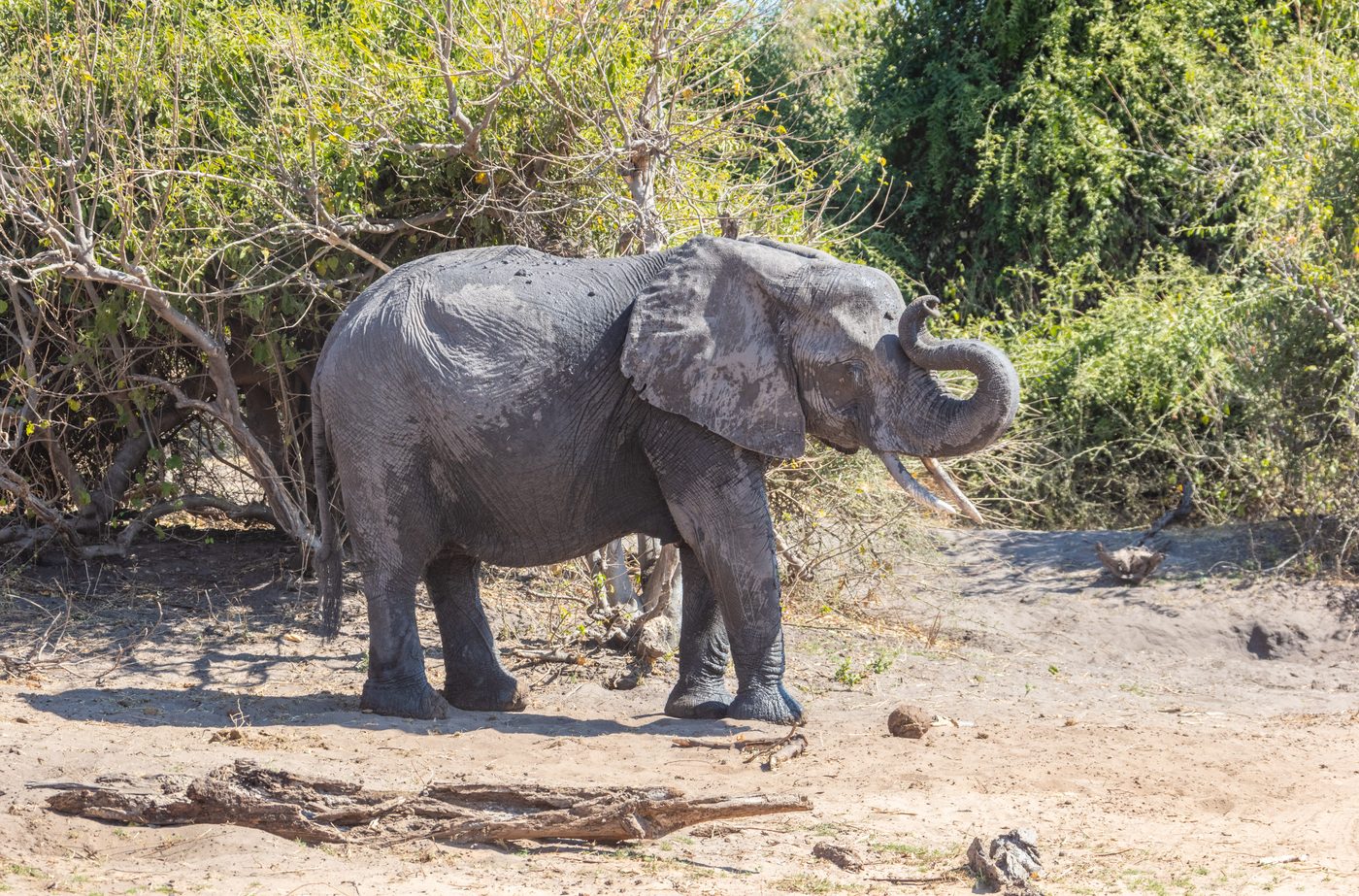
A 2017 PLOS ONE study by Nadine Gravett, Paul Manger and colleagues, from the University of the Witwatersrand and partners, put an activity logger in the trunk of each of two wild African elephant matriarchs in Botswana’s Chobe National Park, plus a GPS collar with a gyroscope, for 35 days. The two elephants averaged a total daily sleep of 2 hours, mostly between 02:00 and 06:00, which the authors described as the shortest daily sleep time of any mammal recorded to date.
Two animals are a narrow base, and the paper contrasts them with captivity: Wits University’s release says zoo studies record around four hours per day. The elephants lay down to sleep only every third or fourth day, and on five occasions went without sleep for up to 46 hours, covering around 30 km in 10 hours, possibly because of disturbances such as predators, poachers or a bull in musth.
Elephant seals: naps while sinking on a dive
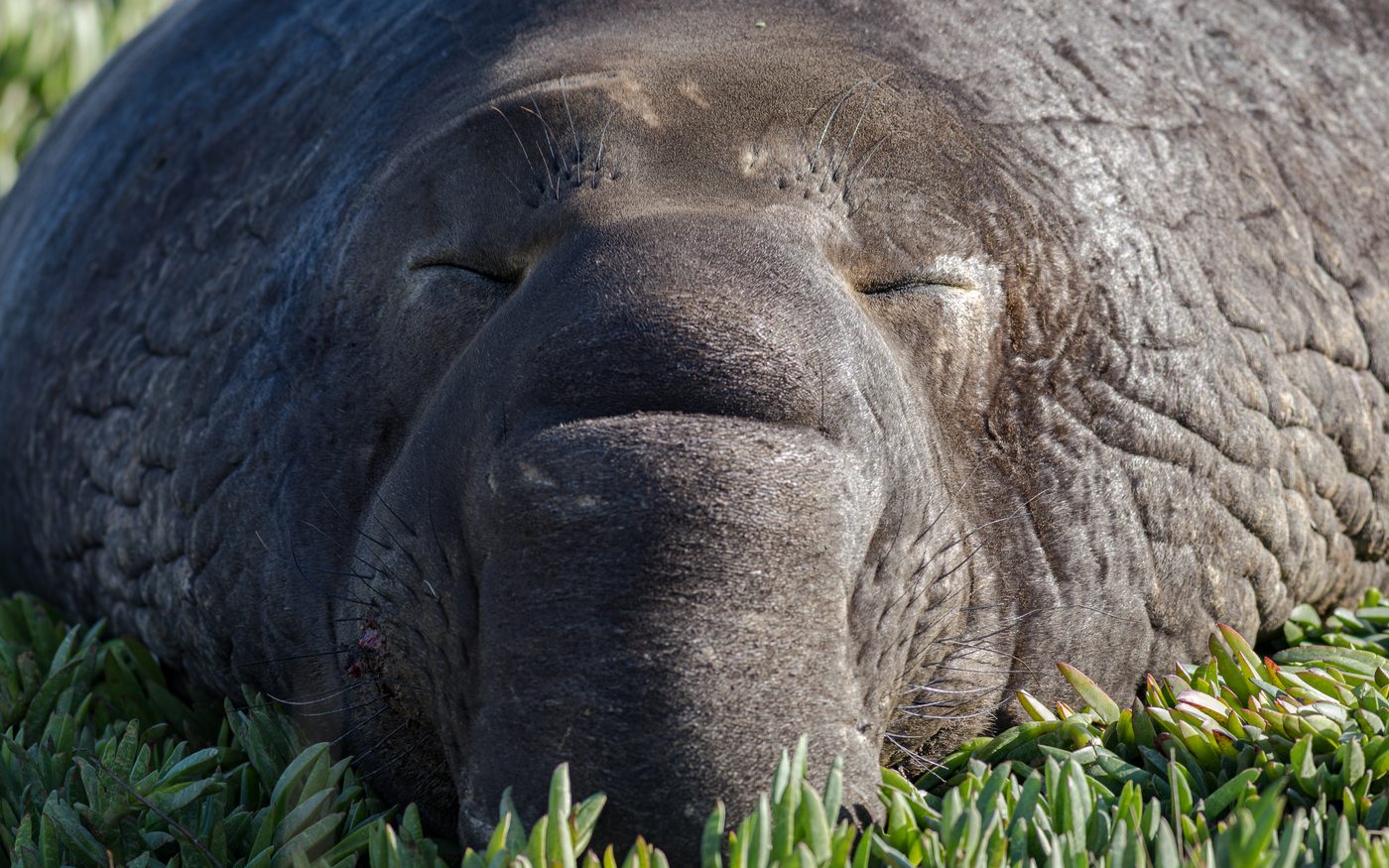
A study in Science, announced by UC Santa Cruz on 20 April 2023, recorded brain activity in a free-ranging wild marine mammal for the first time. Using a neoprene headcap with sensors, the team collected data from 13 juvenile female northern elephant seals, including 104 sleep dives. The seals slept for about 10 minutes at a time during deep dives of about 30 minutes, and in REM sleep they turned upside down and drifted downwards in a “sleep spiral”.
Using dive data from 334 seals, the researchers estimated that at sea they averaged just 2 hours of sleep per day for months, compared with over 10 hours on the beach. The release says that, at sea, they rival the record for the least sleep among all mammals, held by African elephants.
Sea otters: the hand-holding photos mostly come from aquariums
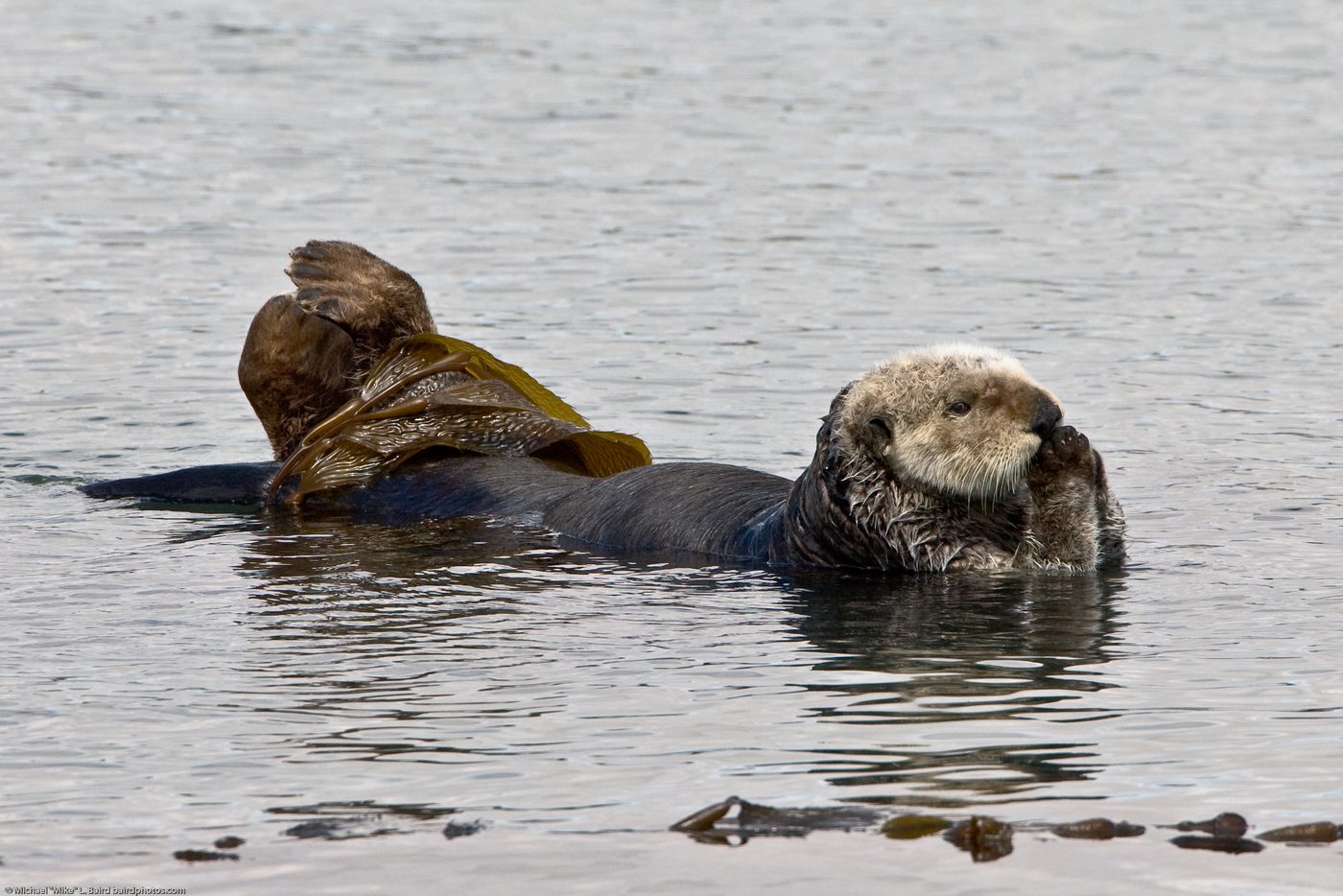
Monterey Bay Aquarium’s sea otter program manager, Jessica Fujii, told Science Friday that the otters in the hand-holding picture she was asked about were living in an aquarium, and that pretty much every photo and video of the behaviour shows those particular otters. In the wild, she said, adult animals just holding on to each other is not something that is seen, though mothers and pups do hold on to each other.
What they do see is rafting: otters resting together, perhaps in the same kelp bed, without linking paws. Fujii also said mothers place pups in kelp or wrap them in it, which keeps them from drifting off while the mother dives for food. The interview concerned hand-holding in general, not a measured sleep study.
The bottom line
The firm findings here are narrow: one species of frigatebird, two dolphins, two elephants, 13 instrumented seals. Each study is a record of what those animals did, and the researchers’ own caveats stay attached. The otter item is a reminder that a charming photograph can describe captive animals rather than wild ones.
Sources
- First evidence of sleep in flight, Max Planck Society, 3 August 2016, read 27 October 2026 (mpg.de)
- Dolphins can maintain vigilant behavior through echolocation for 15 days without interruption or cognitive impairment, Branstetter and others, PLoS ONE 7(10):e47478, 17 October 2012, DOI 10.1371/journal.pone.0047478, abstract read 27 October 2026 (europepmc.org)
- Dolphins can remain alert for up to 15 days at a time with no sign of fatigue, Public Library of Science via ScienceDaily, 17 October 2012, read 27 October 2026 (sciencedaily.com)
- Inactivity/sleep in two wild free-roaming African elephant matriarchs, Gravett and others, PLOS ONE, 2017, read 27 October 2026 (journals.plos.org)
- The ultimate power nap: researchers use Fitbits to track elephant sleep in the wild, University of the Witwatersrand via ScienceDaily, 2 March 2017, read 27 October 2026 (sciencedaily.com)
- Elephant seals’ brainwaves reveal surprising sleeping habits, UC Santa Cruz release via Neuroscience News, 20 April 2023, read 27 October 2026 (neurosciencenews.com)
- Experts on sea otter science, and surfboard-stealing, Science Friday, page date not shown, read 27 October 2026 (sciencefriday.com)