“Smartest animal” lists rarely say what was actually tested. This article works the other way round: for each animal, the task, the sample and the result as the researchers reported it. Every one of these studies involved a handful of individuals, so the findings describe those animals, not a whole species. All six pages were read on 27 October 2026.
Crows and rooks: stones, sticks and a floating worm
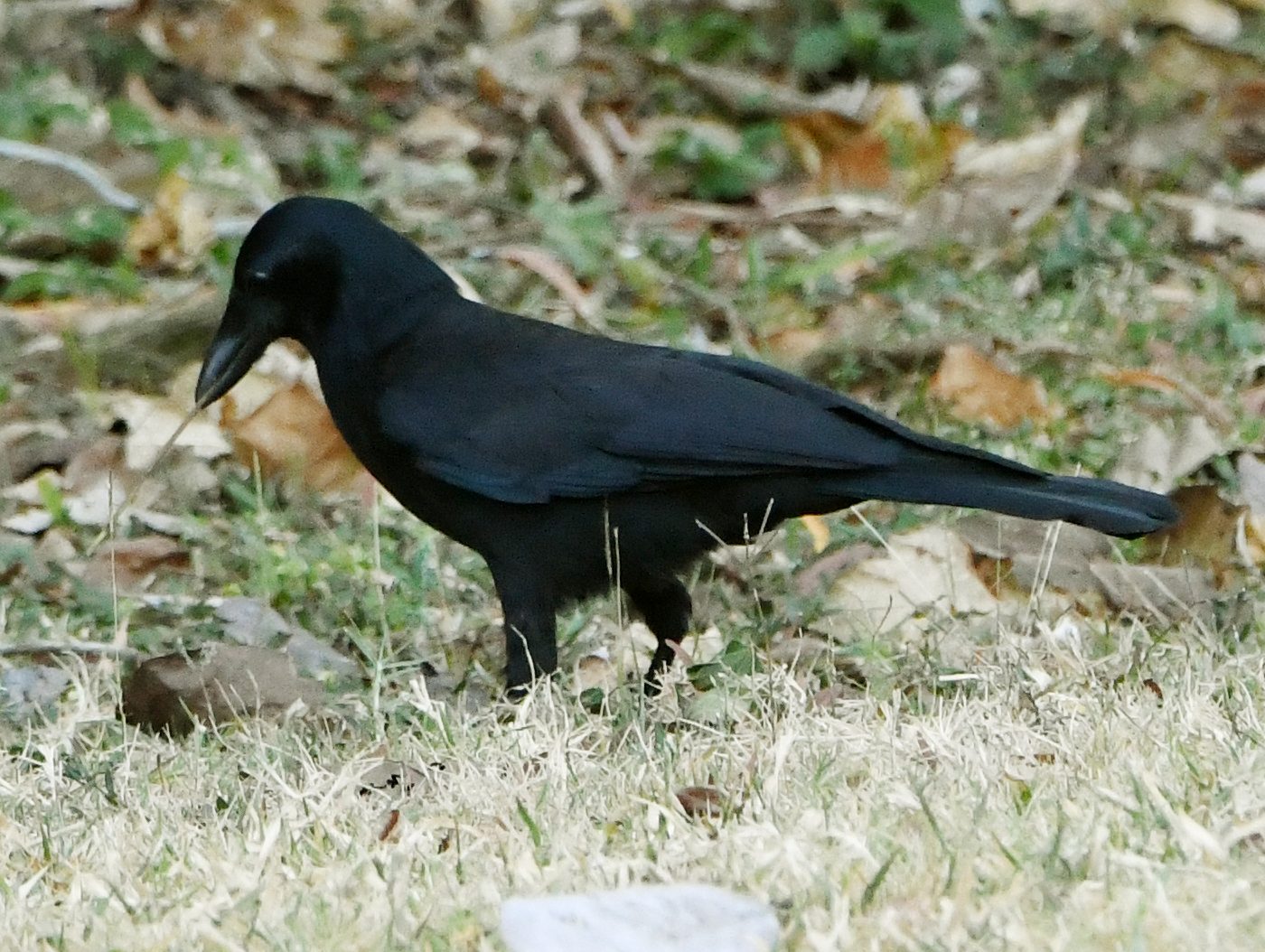
At the University of Cambridge, four rooks were given a worm floating in a tube of water and some stones. According to the university’s release, the birds raised the water by dropping stones in, were highly successful whatever the starting water level, and added the exact number of stones needed. Two rooks succeeded on their first try and two needed a second. Offered a tube of sawdust or a tube of water, they dropped pebbles into the water and not the sawdust. Lead author Christopher Bird noted that rooks are not believed to use tools in the wild.
A different species faced a different task. In a 2007 University of Auckland study, reported by Cell Press, seven New Caledonian crows were shown meat in a hole, a stick too short to reach it, and a long stick inside a toolbox that was also out of reach. Researcher Russell Gray said six of the seven tried to get the long stick with the short one at their first attempt.
Chimpanzees: a numbers memory game on a touch screen
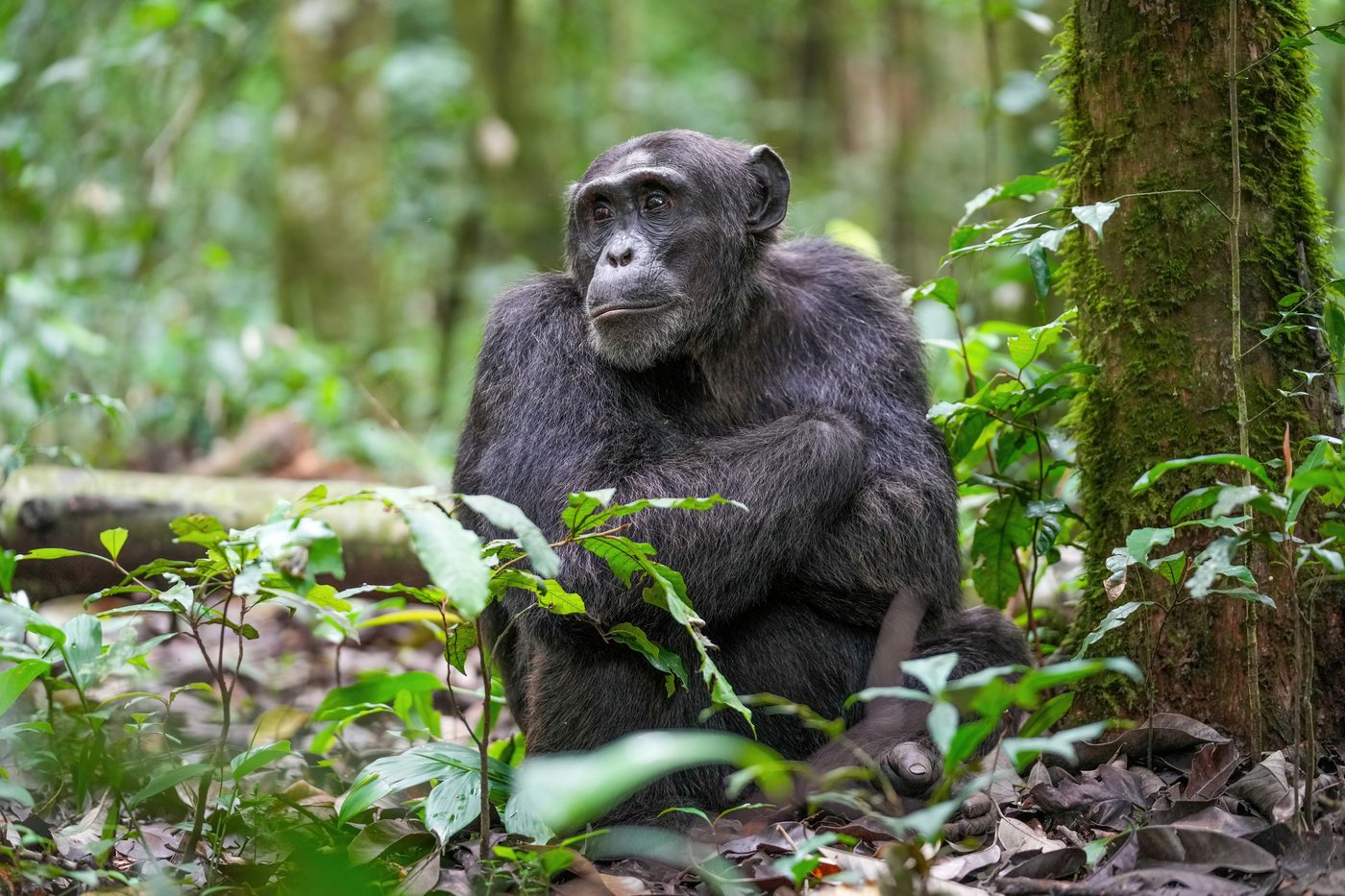
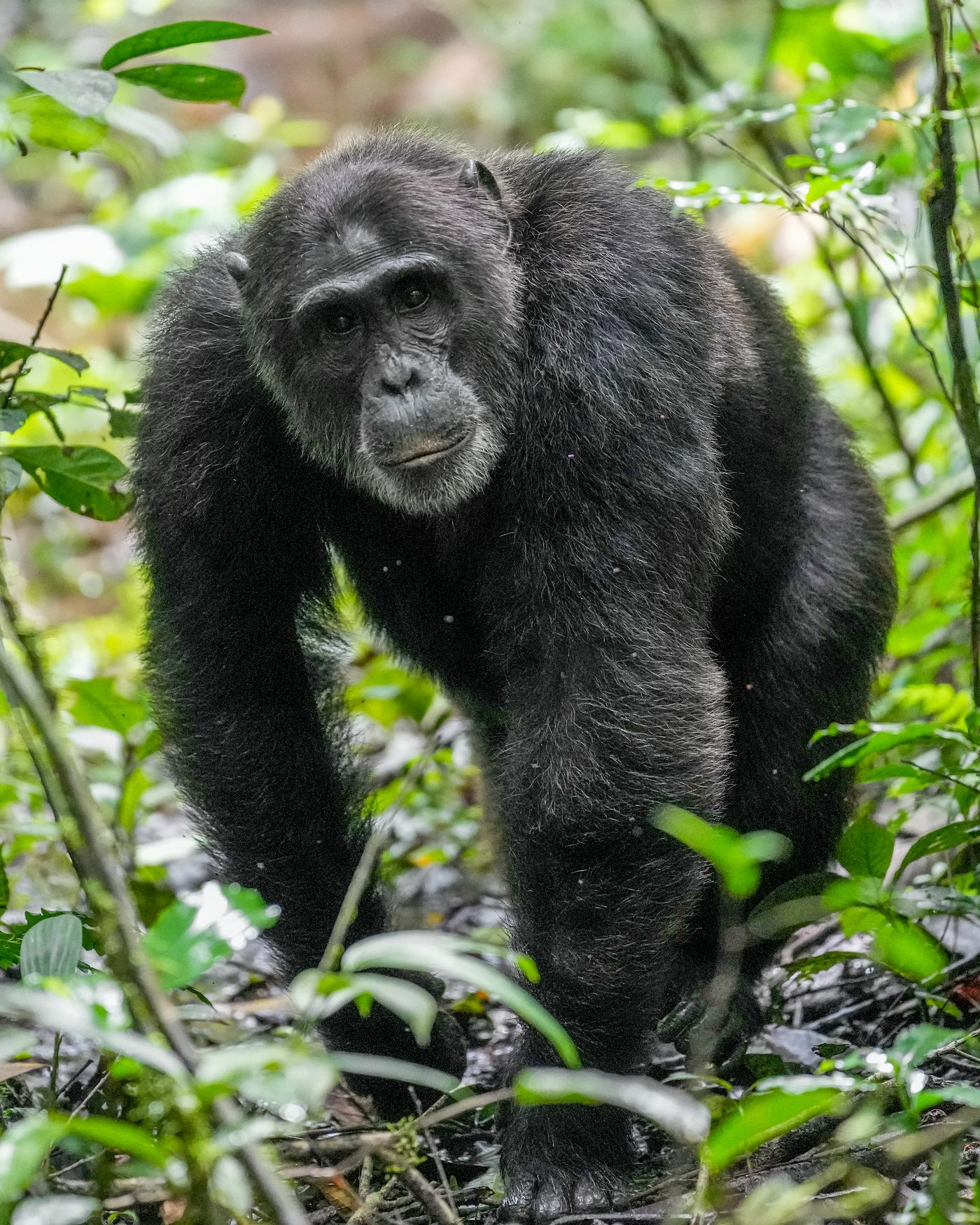
Researchers at Kyoto University tested three pairs of mother and infant chimpanzees, all of which had already learned the ascending order of the numerals 1 to 9, against university students. Numerals appeared briefly on a touch screen and were replaced by blank squares, and the subject had to touch the squares in the right order. According to the Cell Press release, the young chimpanzees’ performance did not change as the display time was varied, while the human subjects became less accurate as it shortened. The three young chimpanzees also did better than their mothers.
Tetsuro Matsuzawa said the young chimpanzees’ working memory for numerals was better than that of human adults tested in the same apparatus and procedure. The result is for this one task and these animals.
An elephant, a jumbo-size mirror and a mark
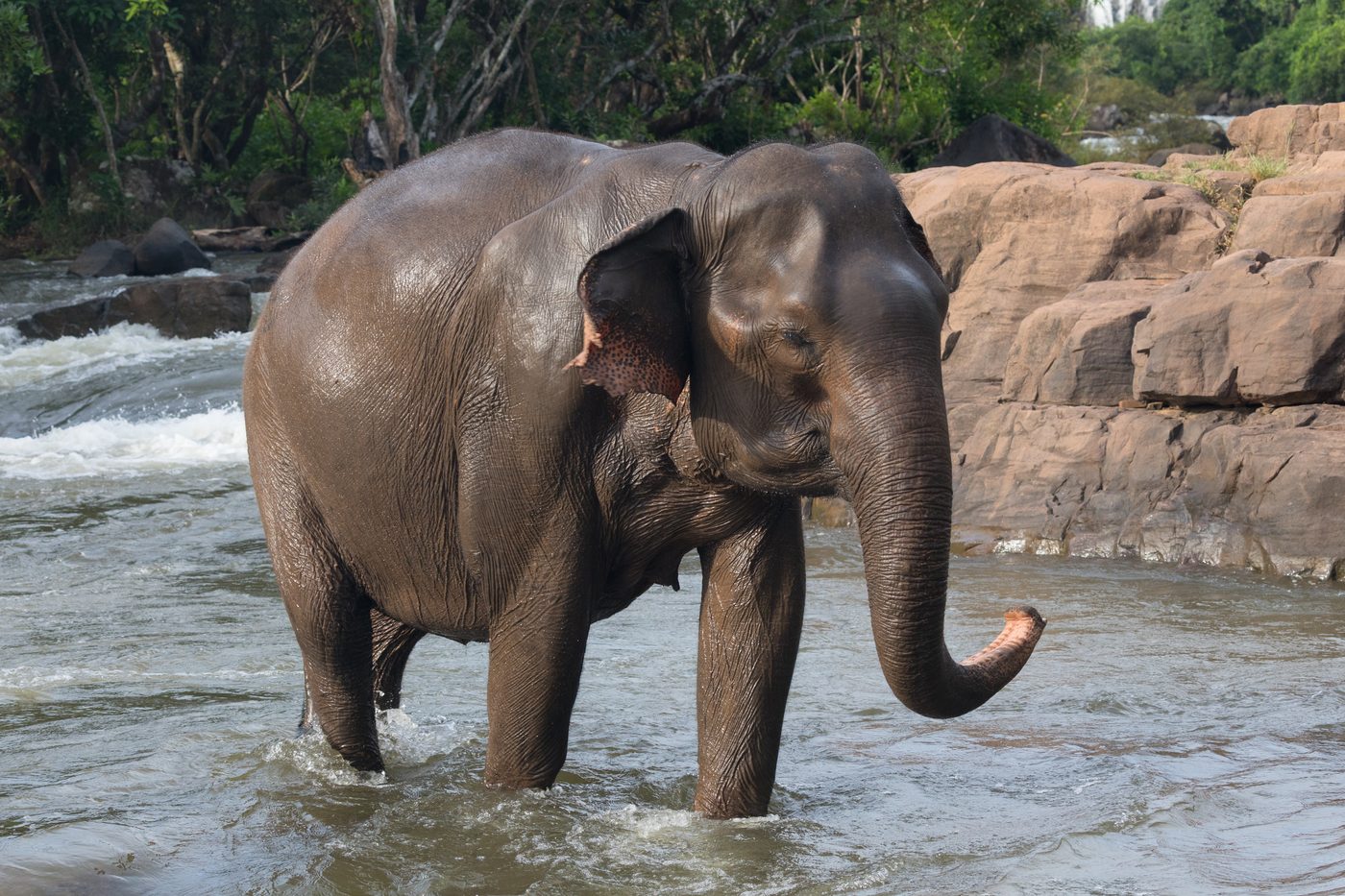
In a 2006 PNAS study, three adult female Asian elephants at the Bronx Zoo in New York were introduced to a mirror measuring 244 by 244 centimetres. Visible marks and invisible sham marks were applied to their heads, to test whether any would use the mirror to touch a mark they could not otherwise see. One elephant, Happy, passed the mark test on the first day of marking, touching the visible mark but not the sham mark. The authors report that the other two, Maxine and Patty, failed to show increased self-touching.
The authors called the mark-touching by one elephant compelling evidence for the capacity in that species, and said further studies on elephants of different ages, gender and personal history would be needed to confirm it.
Dolphins and a mirror in a pool
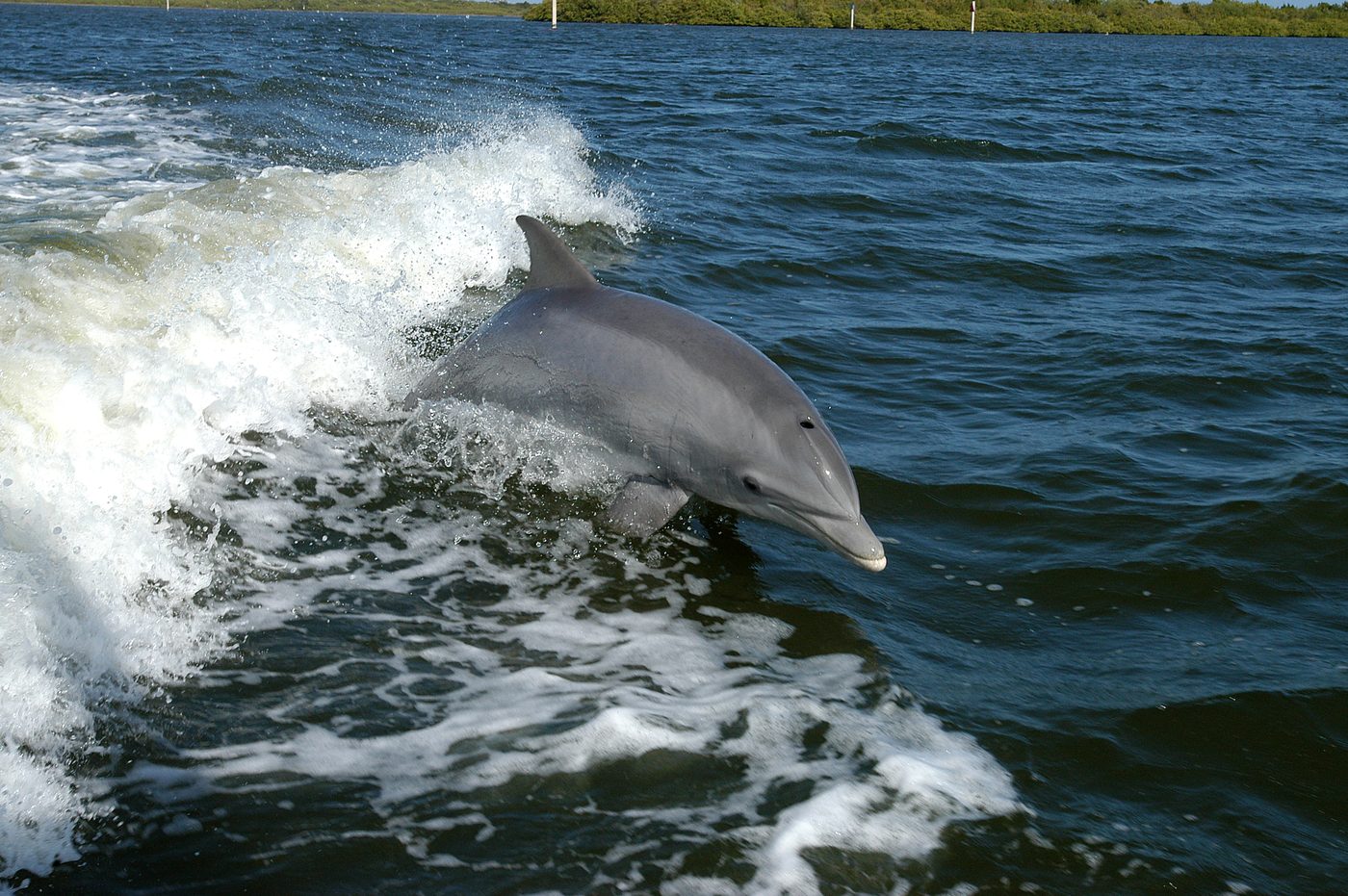
Diana Reiss and Lori Marino’s 2001 PNAS study used two captive-born male bottlenose dolphins at the New York Aquarium, aged 13 and 17. They were marked, sham-marked or left untouched and exposed to reflective surfaces; in one phase a mirror was fixed to a pool gate in 16 of 30 sessions. The abstract says both dolphins showed responses consistent with using the mirror to investigate marked parts of the body, which the authors called a striking example of evolutionary convergence with great apes and humans.
A grey parrot that said “none”
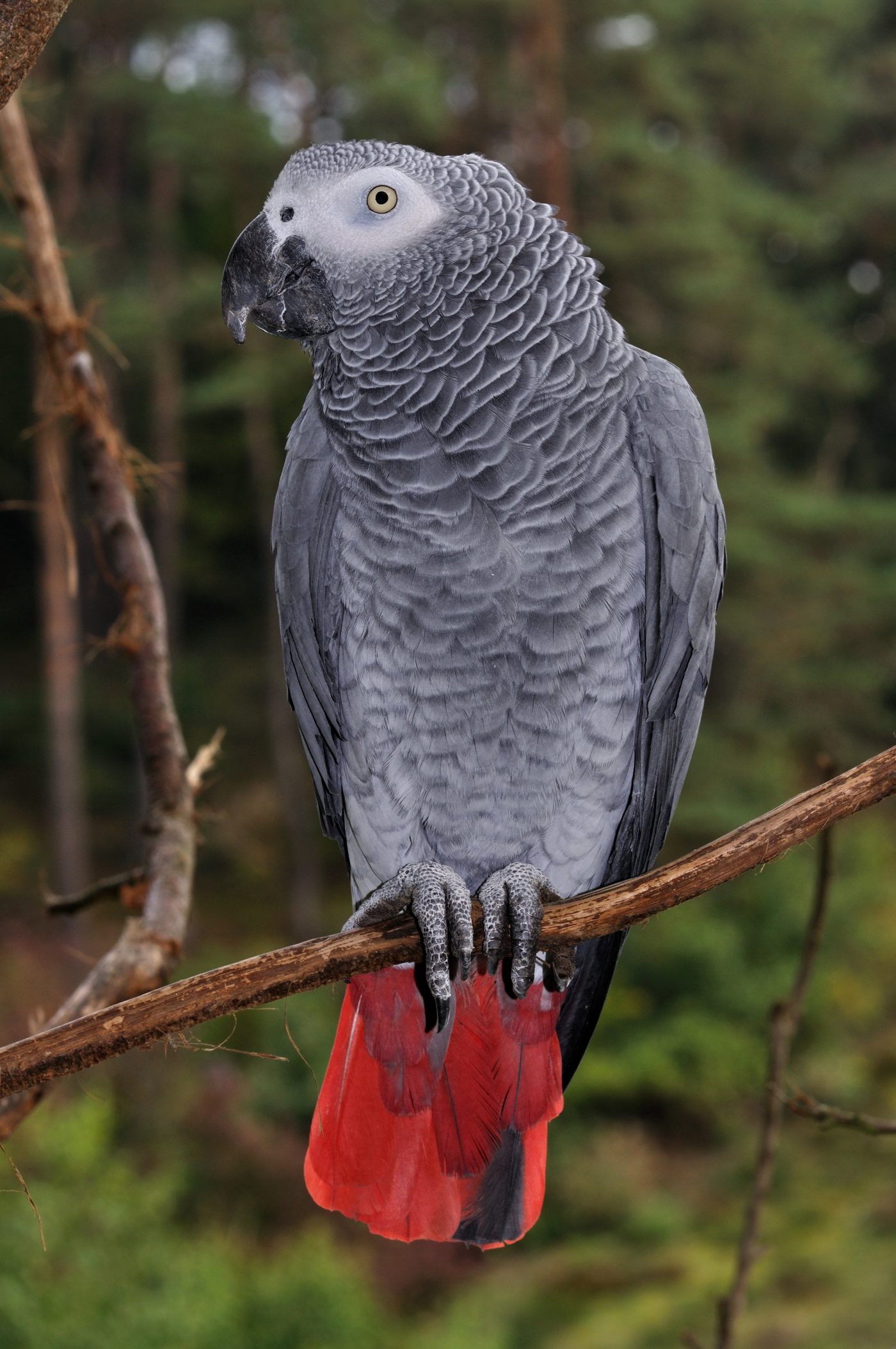
At Brandeis University, comparative psychologist Irene Pepperberg tested Alex, a 28-year-old African grey parrot. During a counting test he spontaneously said “none” to describe an absence of a quantity on a tray, which prompted a series of trials in which he consistently identified zero quantity with that label, according to the university’s account of the study in the Journal of Comparative Psychology.
Pepperberg called it a “zero-like concept”, not identical to the human one, and suggested such skills may rest on simpler abilities such as recognising more versus less. She described Alex as the first bird to show an understanding of the absence of a numerical set.
The bottom line
These six studies used different tasks, so their results cannot be lined up as a ranking, and none of the sources does that. What they report is what particular animals did when given a particular problem: rooks and crows used tools, young chimpanzees held numerals in memory, one elephant touched a mark seen in a mirror, two dolphins responded to a mirror in ways consistent with inspecting a mark, and one parrot labelled an empty tray “none”. The sources also state their own limits: small samples and, in the mirror studies, zoo and aquarium animals.
Sources
- From Fable To Fact: Rooks Use Stones And Water To Catch A Worm, University of Cambridge release, ScienceDaily, 10 August 2009, read 27 October 2026 (sciencedaily.com)
- New Caledonian Crows Find Two Tools Better Than One, Cell Press release, ScienceDaily, 20 August 2007, read 27 October 2026 (sciencedaily.com)
- Young Chimps Top Adult Humans In Numerical Memory, Cell Press release, ScienceDaily, 9 December 2007, read 27 October 2026 (sciencedaily.com)
- Self-recognition in an Asian elephant, Plotnik, de Waal and Reiss, PNAS 2006, PubMed Central, read 27 October 2026 (pmc.ncbi.nlm.nih.gov)
- Mirror self-recognition in the bottlenose dolphin: A case of cognitive convergence, Reiss and Marino, PNAS 2001, PubMed Central, read 27 October 2026 (pmc.ncbi.nlm.nih.gov)
- African Grey Parrot Understands Concept of Zero, Brandeis University research reported by Innovations Report, 11 July 2005, read 27 October 2026 (innovations-report.com)