
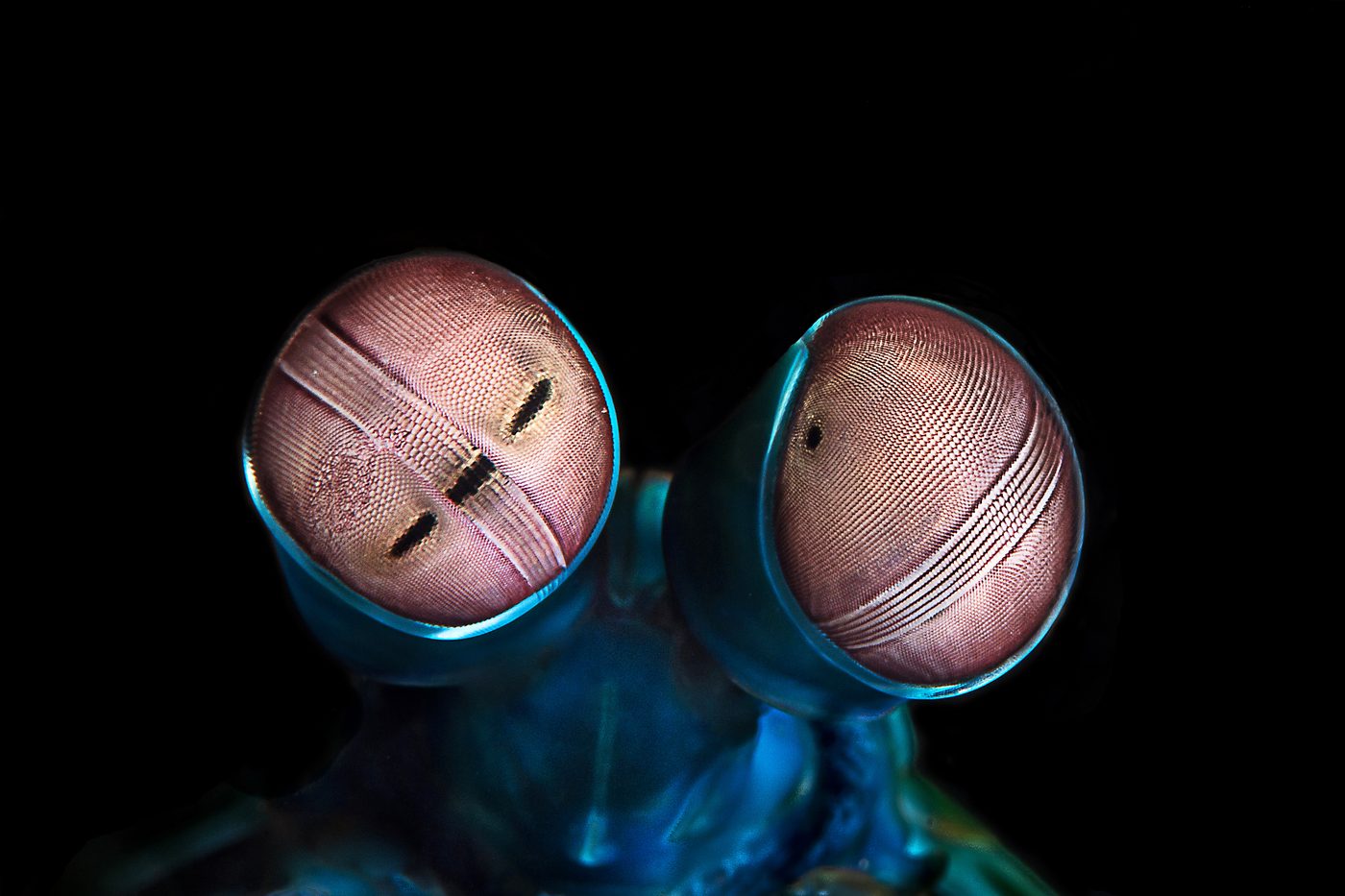
These animals detect sound, light, heat, touch or electric fields using specialised capabilities. Some extend familiar human senses; others detect signals people cannot normally perceive. Each ability below is credited to the study or institution that describes it, together with the qualifier the source attaches. All pages were read on 27 October 2026.
Bats: calling out and listening for the echo
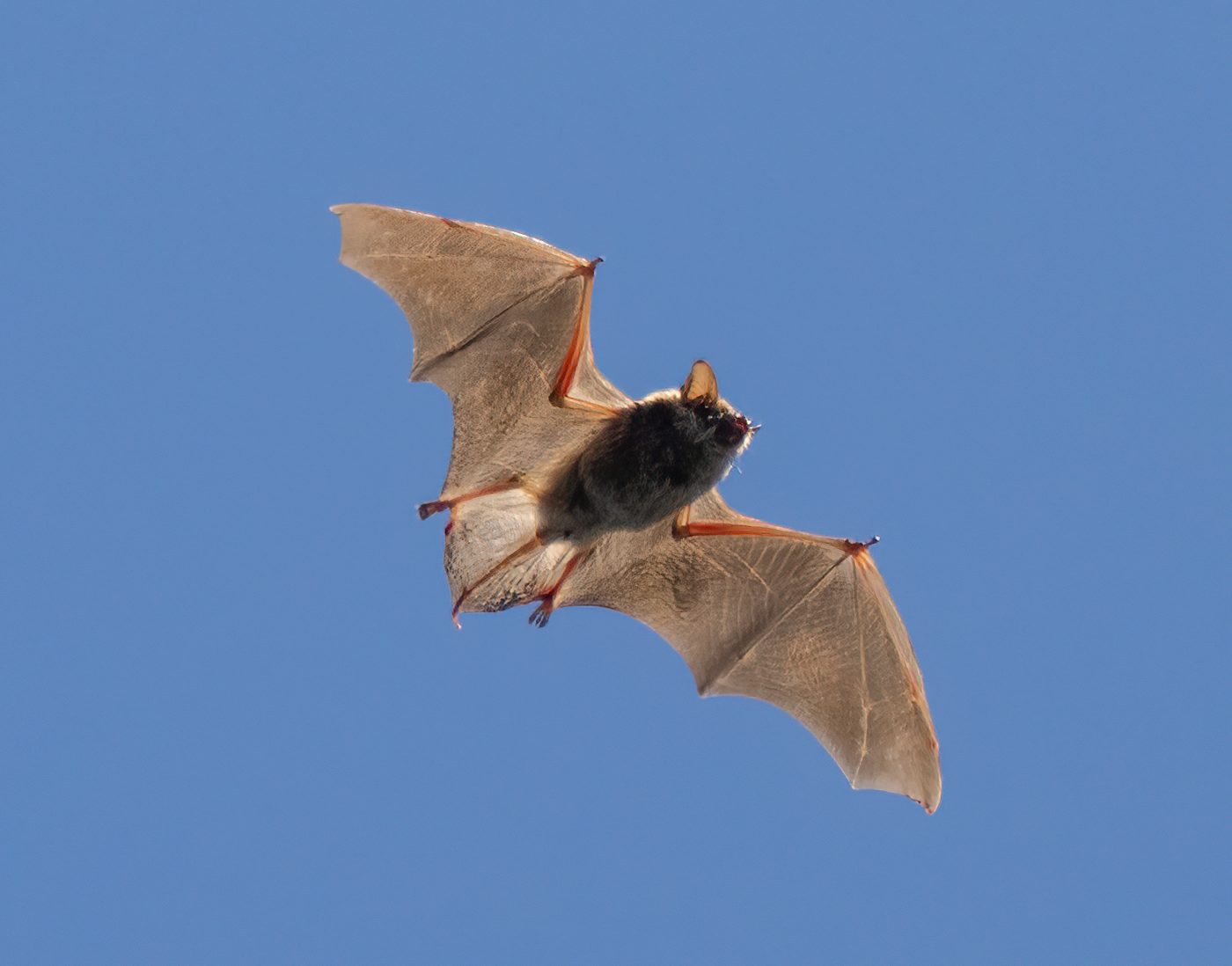
The US National Park Service (NPS) says bats navigate and find insect prey using echolocation. They produce sound waves above the range of human hearing, called ultrasound. The waves bounce off objects and return to the bats’ ears, which the NPS describes as finely tuned to recognise their own calls. When a bat detects an insect it wants to eat, the NPS says, it makes a rapid series of calls, a “feeding buzz”, to pinpoint the exact location of its prey. Each bat species has its own call pattern, and the NPS slows some of its recordings down 10 times so human ears can hear them.
Mantis shrimp: seeing twisted light
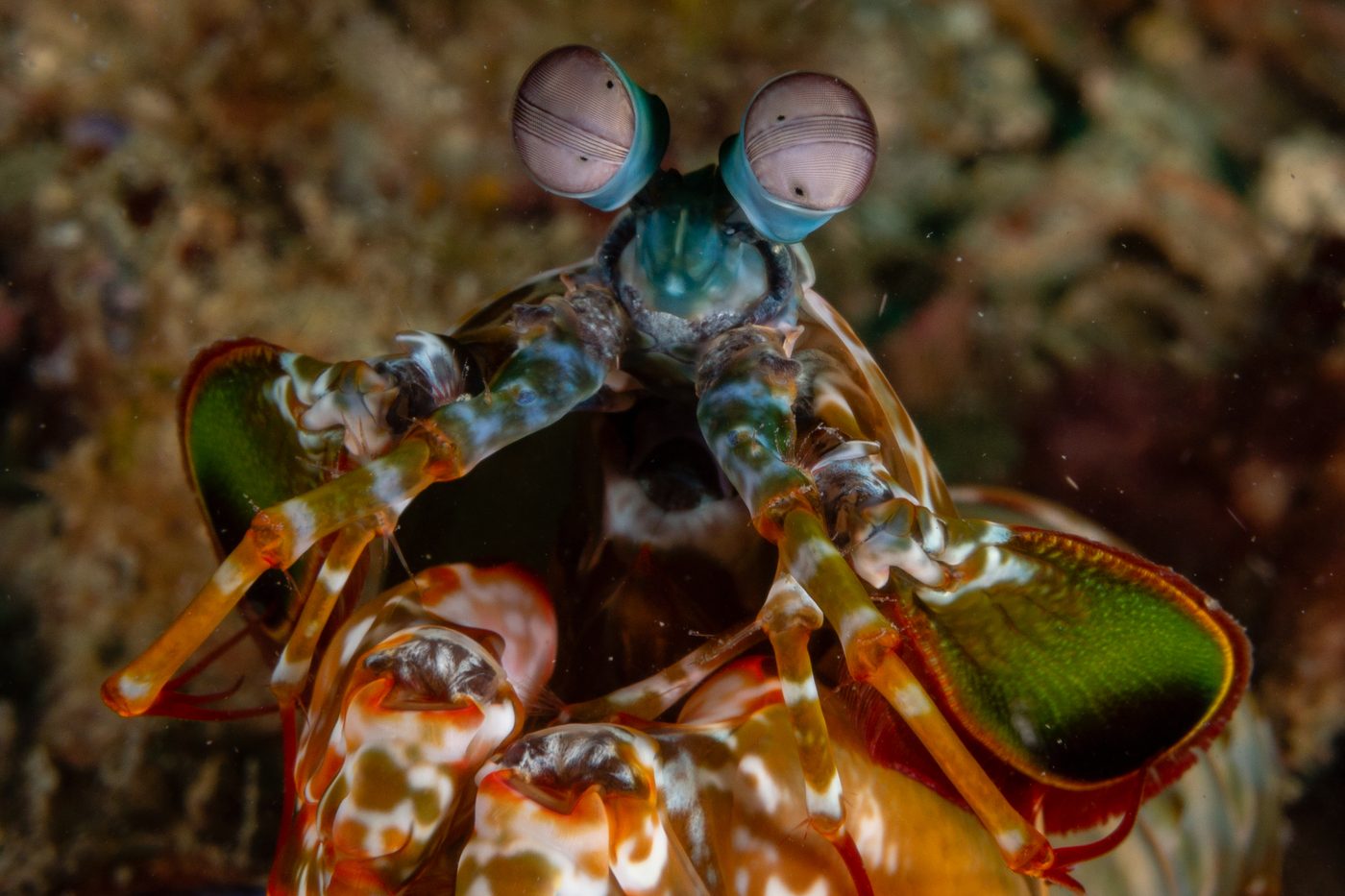
A 2008 Current Biology study demonstrated circular-polarisation vision in stomatopod crustaceans, the group that includes mantis shrimps. Its authors suggested sexual signalling and mate choice as possible functions, while also allowing other explanations. Later research on the mantis shrimp Gonodactylaceus falcatus, published in Current Biology in 2015, demonstrated that it discriminates circular polarisation and uses it to avoid occupied burrows.
Star-nosed mole: a nose that works by touch
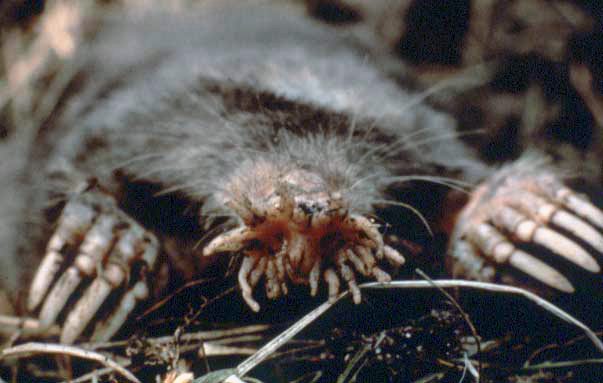
Smithsonian magazine quotes Kenneth Catania, who it says had studied the species for twenty years, describing the mole’s star as not an olfactory organ but a skin surface that mediates touch. Catania calls it probably the most sensitive and highly acute touch organ found on any mammal. The star has 22 appendages carrying about 25,000 domed Eimer’s organs, and it is innervated by more than 100,000 sensory neurons. The magazine passes on Catania’s comparison: the human hand has 17,000 touch fibres, yet the entire star is smaller than a human fingertip.
Sharks: reading faint electric fields

The Florida Museum of Natural History says sharks, skates and rays have an electric sense system, the ampullae of Lorenzini: many tiny gel-filled canals on the head that detect the weak electric fields produced by prey. The museum says sharks primarily use it to locate cryptic prey their other senses cannot detect, such as stingrays buried in sand. It adds that it is also believed these fish can detect the electric fields they induce when swimming through the Earth’s magnetic field, as a sort of compass.
Elephants: rumbles below human hearing

NPR reported in 2015 on biologist Katy Payne, who created the Elephant Listening Project and first noticed a throbbing in the air at a zoo elephant enclosure in Portland, Oregon, in 1984. NPR notes that infrasound is below 20 hertz, the lower limit of human hearing. Cornell engineer Christopher Clark told NPR that in dense forest the higher frequencies are lost and it is the very low part of a rumble that propagates. Payne’s team in Central Africa matched rumbles to behaviours such as greetings, and she said elephants may be coordinating the behaviour of populations over large areas.
Pit vipers: a heat picture from a facial pit
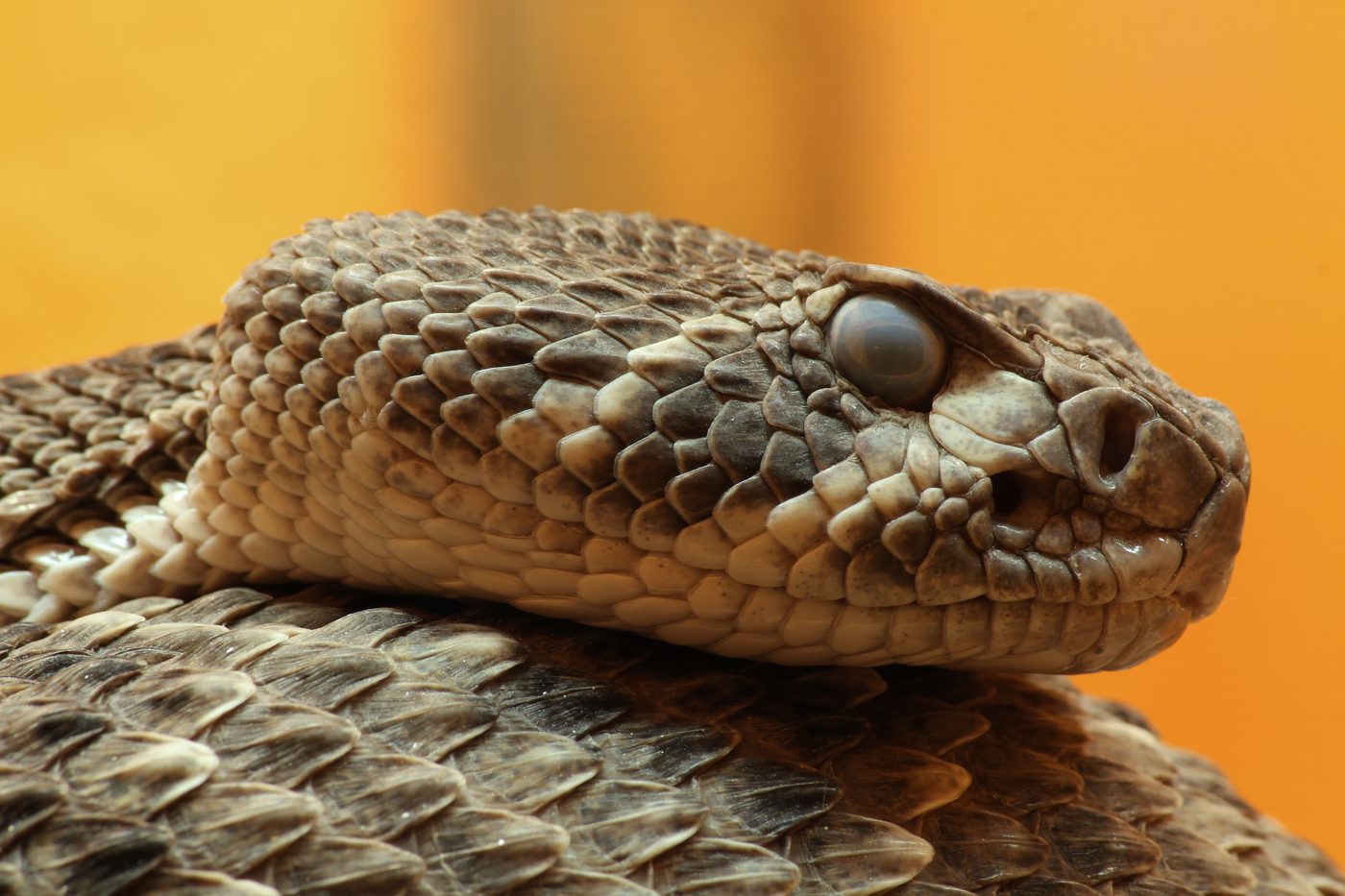
A 2010 paper in Nature from the University of California, San Francisco, reports that TRPA1 channels act as infrared receptors on the nerve fibres that serve the pit organ, which in the western diamondback rattlesnake sits between the eye and the nostril. The authors say pit-bearing snakes’ TRPA1 channels are the most heat-sensitive vertebrate ion channels identified so far, and that snakes detect infrared by radiant heating of the pit organ, not by photochemistry. The paper adds that biophysical studies suggest vipers can detect prey up to 1 metre away, and that some pythons and boas also detect infrared, with 5 to 10 times lower sensitivity than the vipers.
The bottom line
The wording of each source matters. The 2008 mantis shrimp paper only “suggests” sexual signalling and mate choice as functions of circular-polarisation vision, the Florida Museum says compass use in sharks is “also believed”, Payne says elephant rumbles “may” coordinate populations, and the viper paper says its 1 metre range is what biophysical studies “suggest”. Each page also describes one species or group, and none is evidence for another animal’s sense. The elephant work, for example, is described as fieldwork with forest elephants in Central Africa plus observations at a zoo.
Sources
- Echolocation, Bats, US National Park Service, last updated 17 October 2024, read 27 October 2026 (nps.gov)
- Circular polarization vision in a stomatopod crustacean, Chiou and others, Current Biology 18(6):429-434, March 2008, DOI 10.1016/j.cub.2008.02.066, abstract read 27 October 2026 (europepmc.org)
- Circularly polarized light as a communication signal in mantis shrimps, Gagnon and others, Current Biology 25(23):3074-3078, December 2015, DOI 10.1016/j.cub.2015.10.047, abstract read 27 October 2026 (pubmed.ncbi.nlm.nih.gov)
- Watch How Fast the Insane Snout of the Star-Nosed Mole Can Move, Smithsonian Magazine, undated, read 27 October 2026 (smithsonianmag.com)
- Fish Adaptions and Shark Biology, Discover Fish, Florida Museum of Natural History, undated, read 27 October 2026 (floridamuseum.ufl.edu)
- To Decode Elephant Conversation, You Must Feel The Jungle Rumble, NPR, 20 August 2015, read 27 October 2026 (npr.org)
- Molecular Basis of Infrared Detection by Snakes, Gracheva et al., Nature, 14 March 2010 (author manuscript on PubMed Central), read 27 October 2026 (pmc.ncbi.nlm.nih.gov)