
Size records for machines depend on what is measured: mass, length, bucket volume or ring circumference. Each figure below comes from the body named, in its own unit, and each record is worded as that body words it. Every page was read on 27 October 2026.
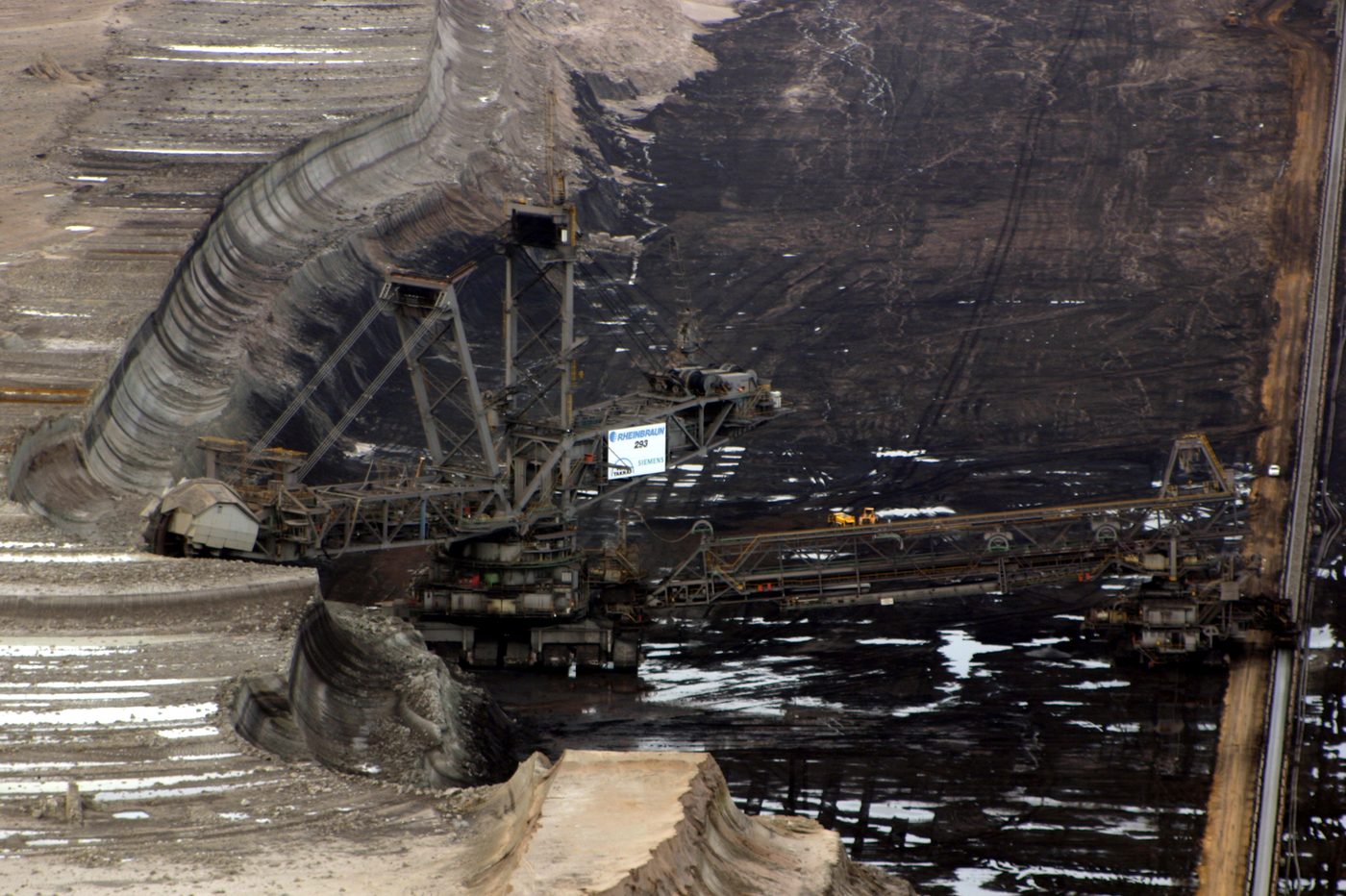
Bagger 293: heaviest self-moving machine, according to Guinness
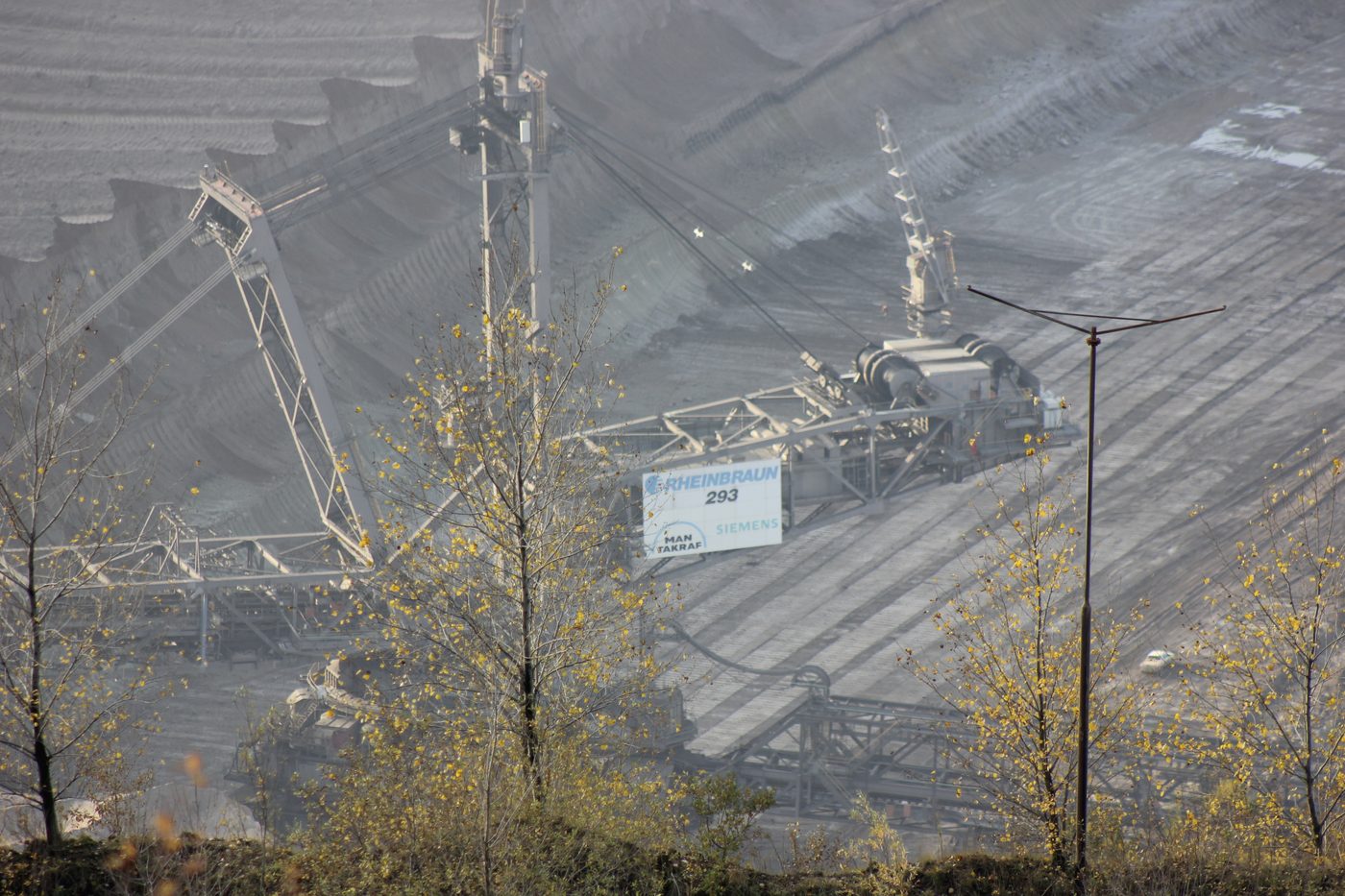
Guinness World Records, citing Off-Highway Research, lists the Bagger 293 bucket-wheel excavator, made by TAKRAF of Leipzig, as the heaviest machine capable of moving under its own power, at 14,196 tonnes. Guinness says it is employed in an open-cast coal mine in the German state of North Rhine Westphalia and gives it as 220 m long and 94.5 m tall at its highest point, shifting 240,000 cubic metres of earth a day with 18 buckets on a wheel 21.6 m across. An ASME article describes it the same way and says it takes five people to operate.
Big Brutus: the largest electric shovel still standing
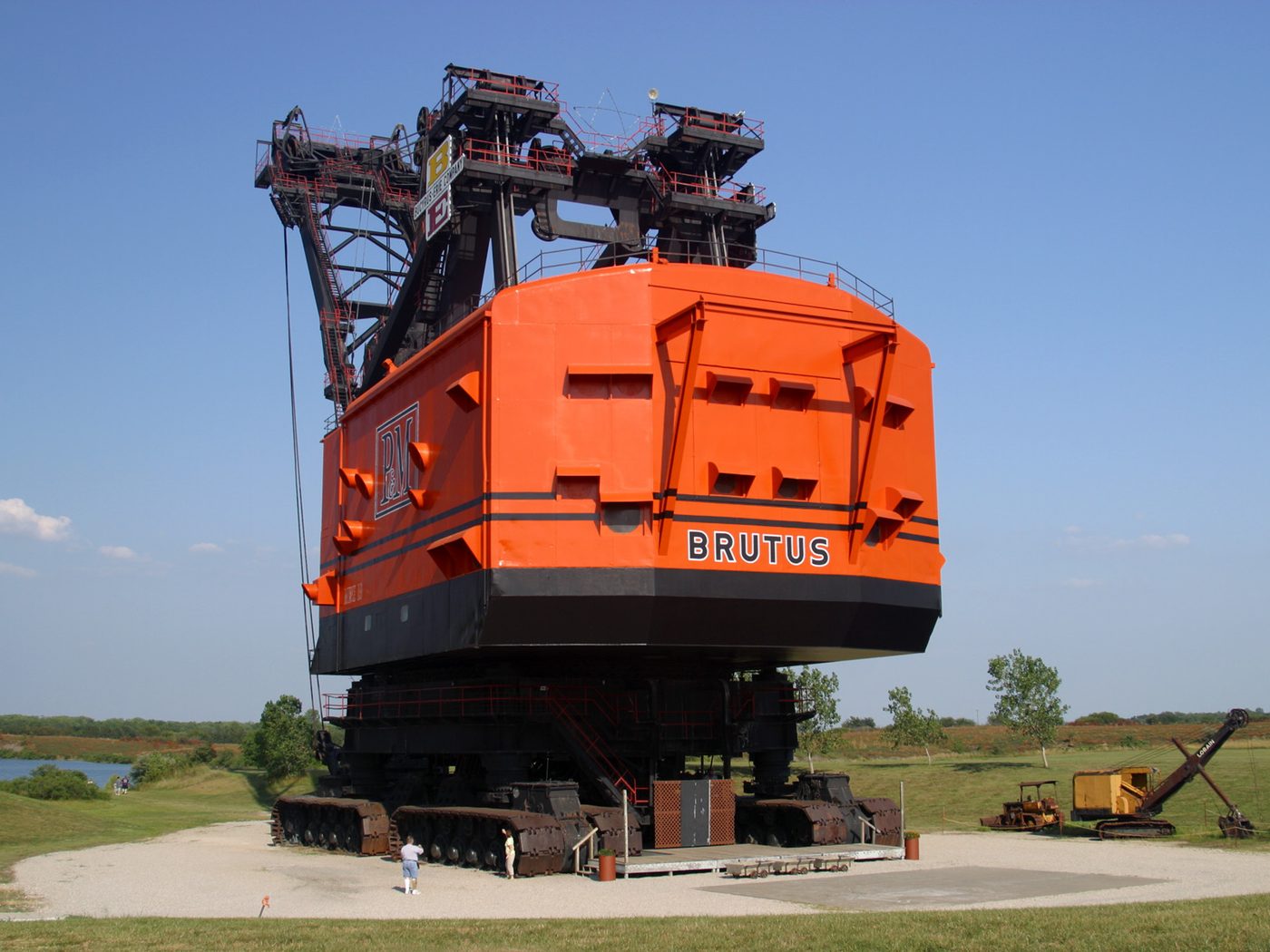
ASME’s January 2024 article says Big Brutus, a Bucyrus-Erie model 1850B built in 1962 for the Pittsburg & Midway Coal Mining Co. in Kansas, weighs 11 million pounds, with a 150-foot boom and a capacity of 90 cubic yards, and that it worked the pit of a strip mine until 1974. It says Brutus was not the largest electric shovel working in its day but is the largest still standing. The larger one, a Marion shovel nicknamed The Captain, built in 1965 with a 180-cubic-yard bucket, was scrapped after a fire in 1991. The Kansas Historical Society also gives 11 million pounds, but the sources differ on height: 15 stories for the society, 16 for ASME.
F60: a conveyor bridge 502 metres long
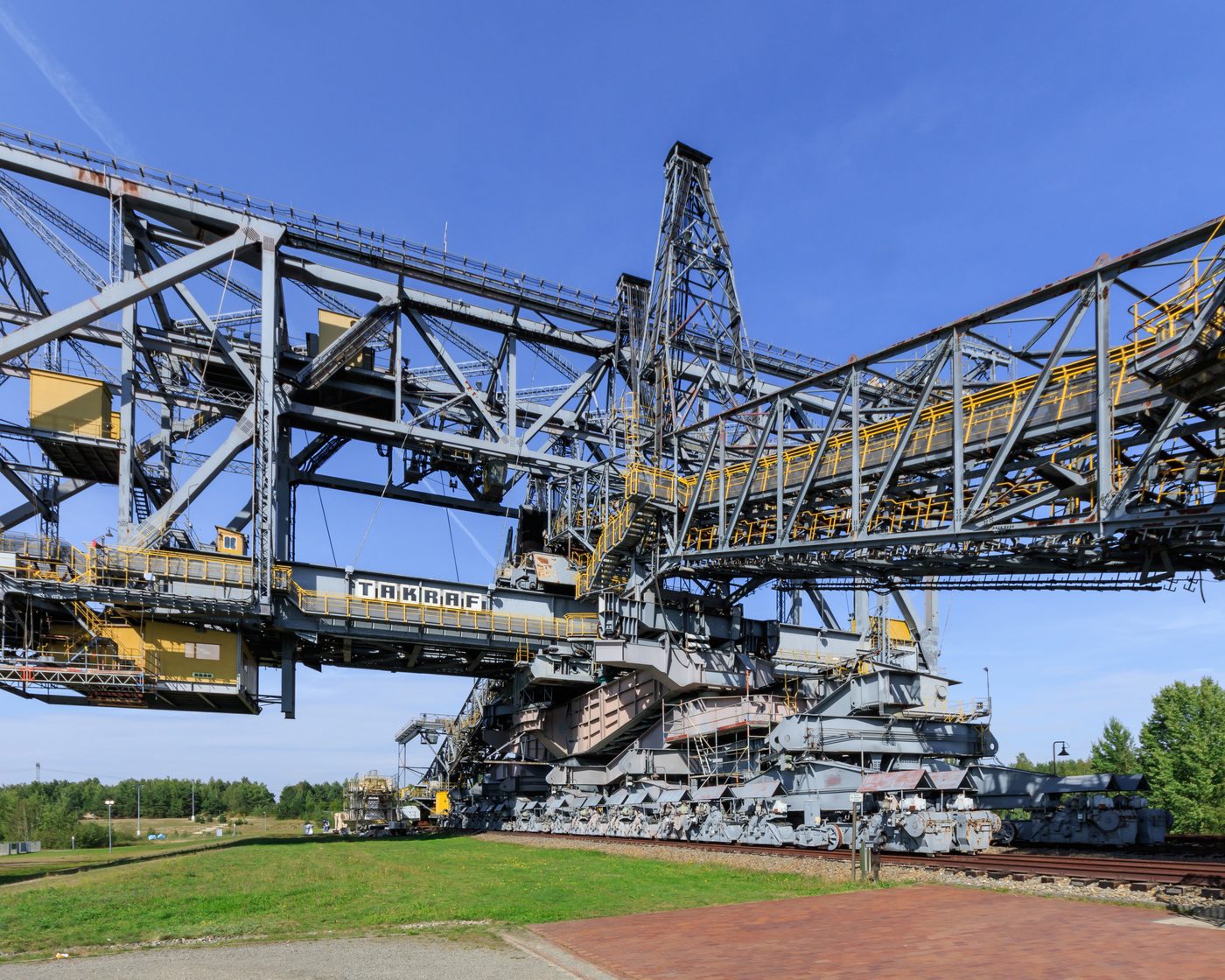
ASME describes the F60 overburden conveyor bridge at Lichterfeld, Germany, as the last of a series of five, built by VEB TAKRAF Lauchhammer from 1989 to 1991 and worked from March 1991 to June 1992. It gives the length as 502 metres, the width as 204 metres and the height as almost 80 metres, and says it weighs 11,000 tons today after modification and disassembly of some components. ASME says it spanned the mining area, linking the extraction side with the side where overburden was dropped.
Crawler-transporter 2: NASA’s rocket mover
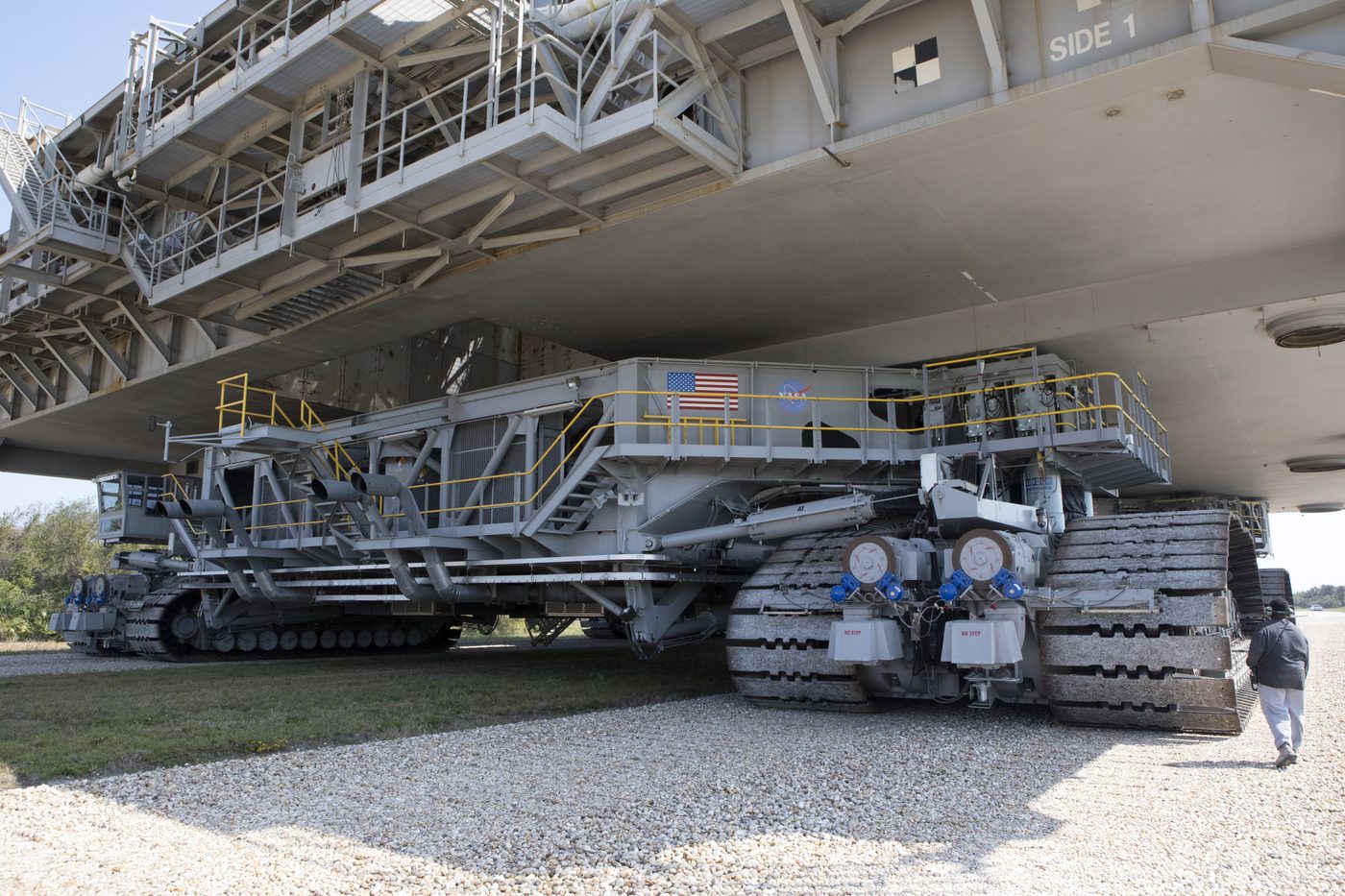
NASA’s crawler-transporter fact sheet, which is undated and treats Artemis I as upcoming, says the pair at Kennedy Space Center were built in 1965 to move the Saturn V rocket and that each is larger than a baseball infield. For CT-2 it gives 131 feet long, 114 feet wide and approximately 6.65 million pounds, and says its uprated load-carrying capacity is 18 million pounds, 50% higher than the original design. The crawlers are designed to roll under a mobile launcher, pick it up and steadily carry it 4.2 miles to Launch Pad 39B.
Large Hadron Collider: a ring 27 kilometres around
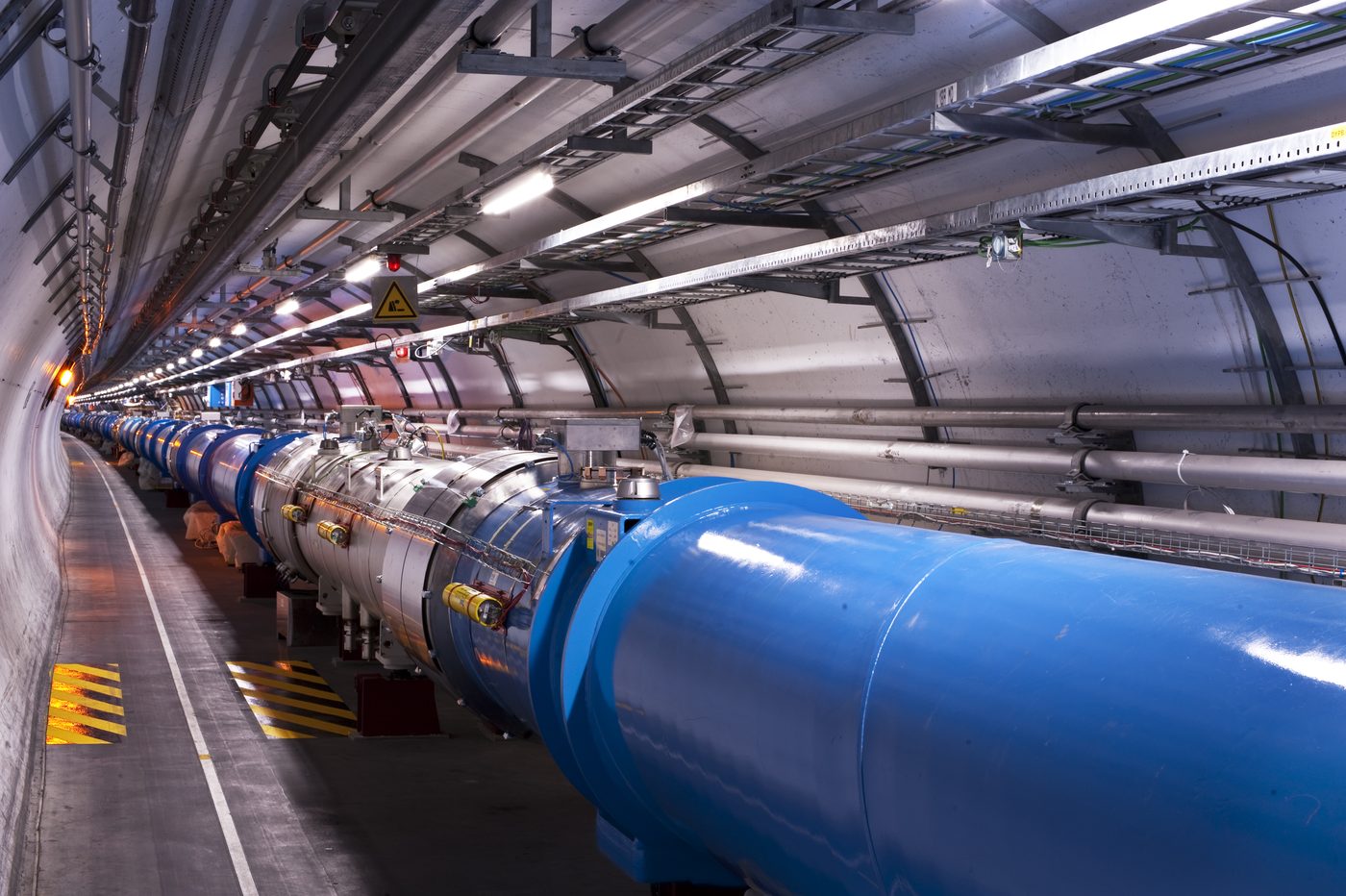
CERN describes the LHC as the world’s largest and most powerful particle accelerator. Its page says the machine is a 27-kilometre ring of superconducting magnets in a tunnel 100 metres underground, that it first started up on 10 September 2008, and that the magnets are chilled to -271.3°C, a temperature colder than outer space. Inside the ring, two high-energy particle beams travel at close to the speed of light in opposite directions before they are made to collide; 1232 dipole magnets, each 15 metres long, bend the beams and 392 quadrupole magnets, each 5 to 7 metres long, focus them.
Five machines, different measures
| Machine | What is measured | Figure | Source |
|---|---|---|---|
| Bagger 293 | weight | 14,196 tonnes | Guinness World Records, citing Off-Highway Research |
| Big Brutus | weight | 11 million pounds | ASME; Kansas Historical Society |
| F60 | length | 502 metres | ASME |
| Crawler-transporter 2 | weight | approximately 6.65 million pounds | NASA fact sheet |
| Large Hadron Collider | ring length | 27 kilometres | CERN |
The bottom line
The five figures measure different things, in different units, so this article does not rank them against one another. The records are the claims of Guinness, ASME and CERN, worded here as they word them, and the sources themselves differ on details such as the height of Big Brutus.
Sources
- Heaviest land vehicle, Guinness World Records, read 27 October 2026 (guinnessworldrecords.com)
- 5 of the World’s Largest Machines, ASME, read 27 October 2026 (asme.org)
- Big Brutus Survives as Mining Museum, John Kosowatz, ASME, 8 January 2024, read 27 October 2026 (asme.org)
- Big Brutus, Kansapedia, Kansas Historical Society, modified May 2022, read 27 October 2026 (kshs.org)
- Crawler-Transporters, NASA Facts, National Aeronautics and Space Administration, undated, read 27 October 2026 (nasa.gov)
- The Large Hadron Collider, CERN, read 27 October 2026 (home.cern)