
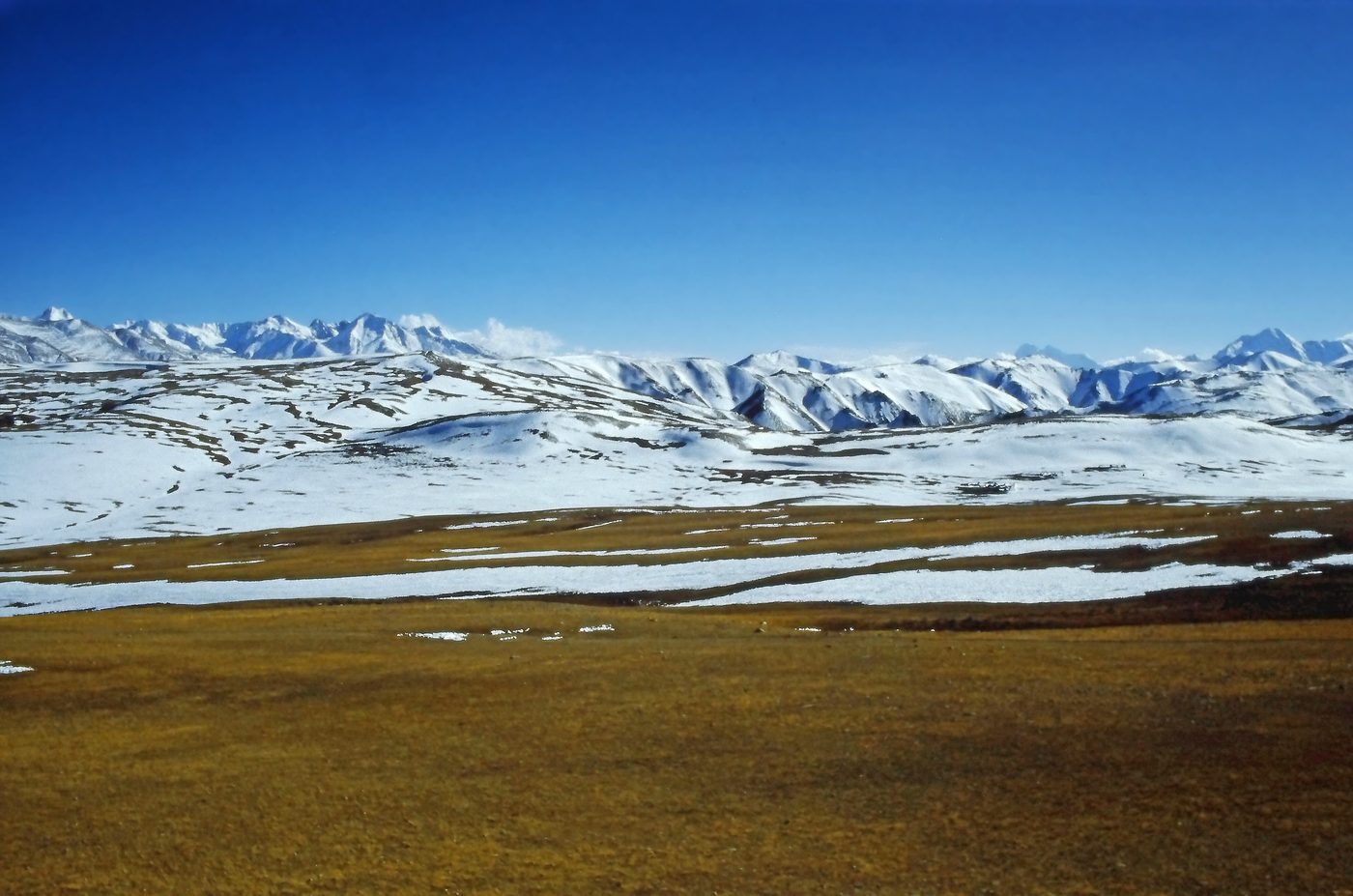
Bird altitude records rest on very different kinds of evidence: a collision with an aircraft, GPS satellite tags, a laser rangefinder. A figure means little without knowing which one produced it, so each record below comes with what was measured and how. Every page was read on 27 October 2026, and the numbers are those of the bodies and studies named.
Which bird holds the highest recorded altitude?
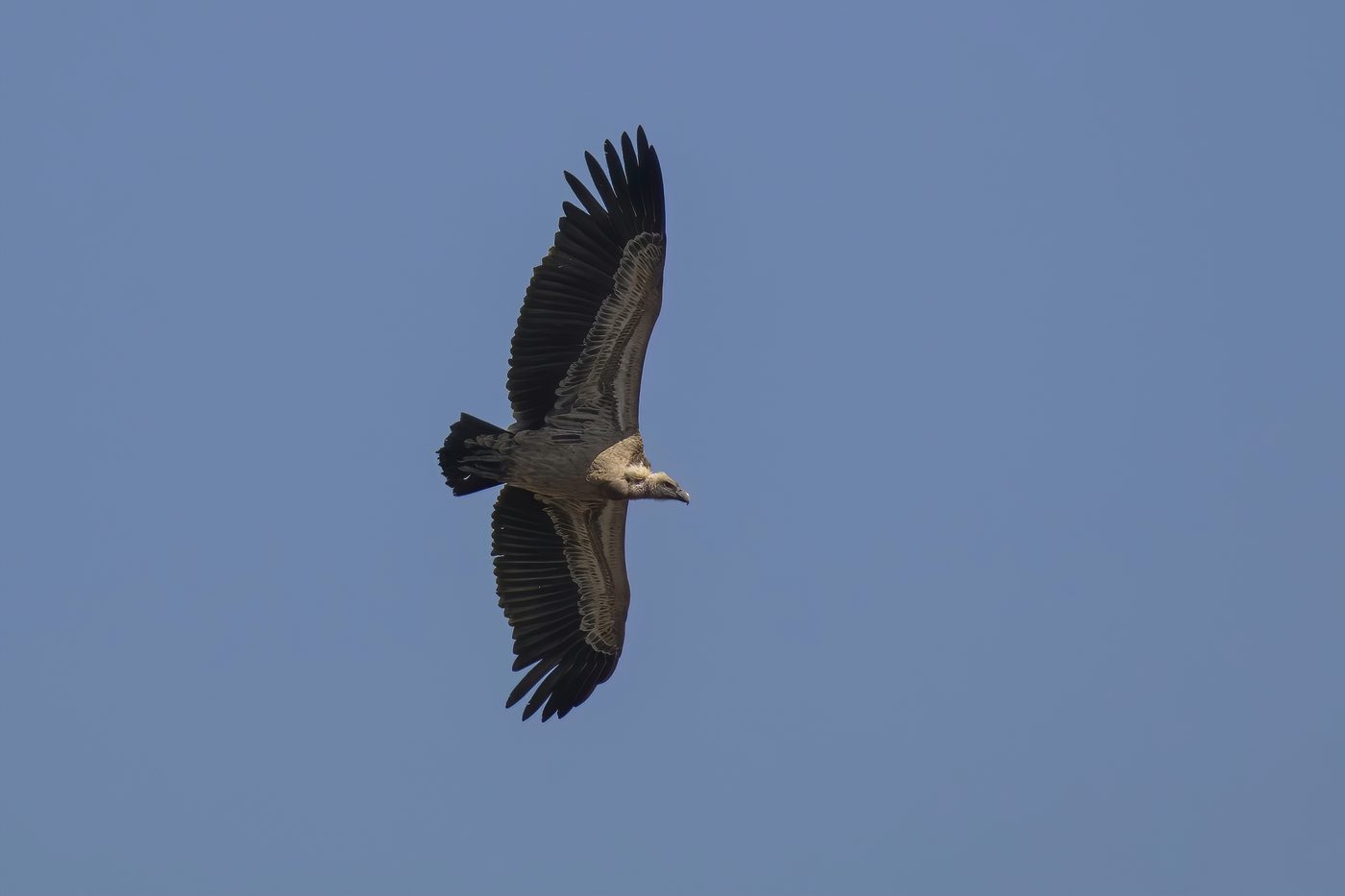
Discover Wildlife, in a piece by British Trust for Ornithology ornithologist Mike Toms, names the Rüppell’s vulture. On 29 November 1973, it says, a commercial aircraft struck a bird at 11,300m over West Africa, and feathers lodged in the engine identified it as a Rüppell’s vulture. The article adds that the record has not been broken even now that flight paths can be tracked in detail with radio- and satellite-tags. It also describes the species as critically endangered and says it has since been shown to possess a form of haemoglobin in its blood that binds with oxygen exceptionally efficiently.
Guinness World Records, which gives the same figure, says the collision happened over Abidjan, Ivory Coast, that the impact damaged an engine and caused it to shut down, and that the plane landed safely. It describes the species as rarely seen above 6,000 m. So this is a collision record, not a tracking record.
Do bar-headed geese really climb over the Himalaya?
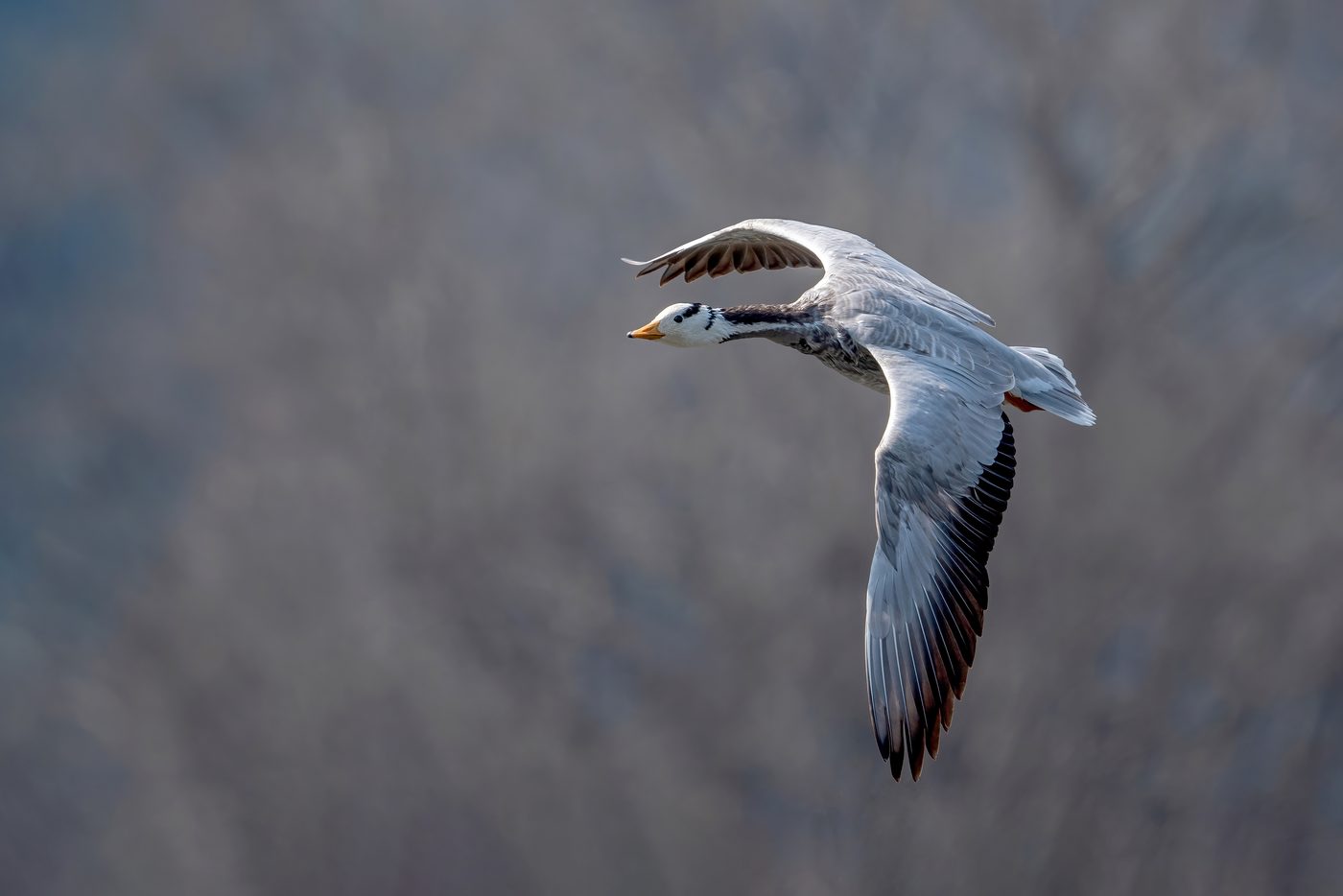
Bangor University researchers followed bar-headed geese with GPS satellite tags, in work reported in the journal PNAS on 31 May 2011. The geese were captured in India and Mongolia, tracked every hour, and shown to climb up to 6,000 m in only 8 hours on their spring migration over the Himalaya, in climbs lasting at least seven hours. They waited for winds to die down, then made the climb in the calm of night and early morning.
A follow-up study in Proceedings of the Royal Society B, released on 31 October 2012, used GPS locations from 42 individual geese. It found they regularly fly between 4,500 m and 5,500 m above sea level, with maximum recorded heights of 6,540 m and 7,290 m. The geese chose to fly relatively close to the terrain, which the university said means extremely high altitude flight in this species may be rarer than previously thought. The release sets out the puzzle: oxygen levels at such altitudes fall to less than half their sea-level value, and the paradox had troubled biologists for more than 30 years.
The 2011 release adds a contrast and a caution. Studies of a similar bird, the Brent goose, migrating between Ireland and Canada, have suggested that its ability to climb while flying is so poor that it may land and walk across the Greenland ice cap. And co-investigator Pat Butler said it remained a fascinating question how much higher the bar-headed geese might be able to fly, since the birds kept relatively low to the ground.
How high do common cranes fly over open water?
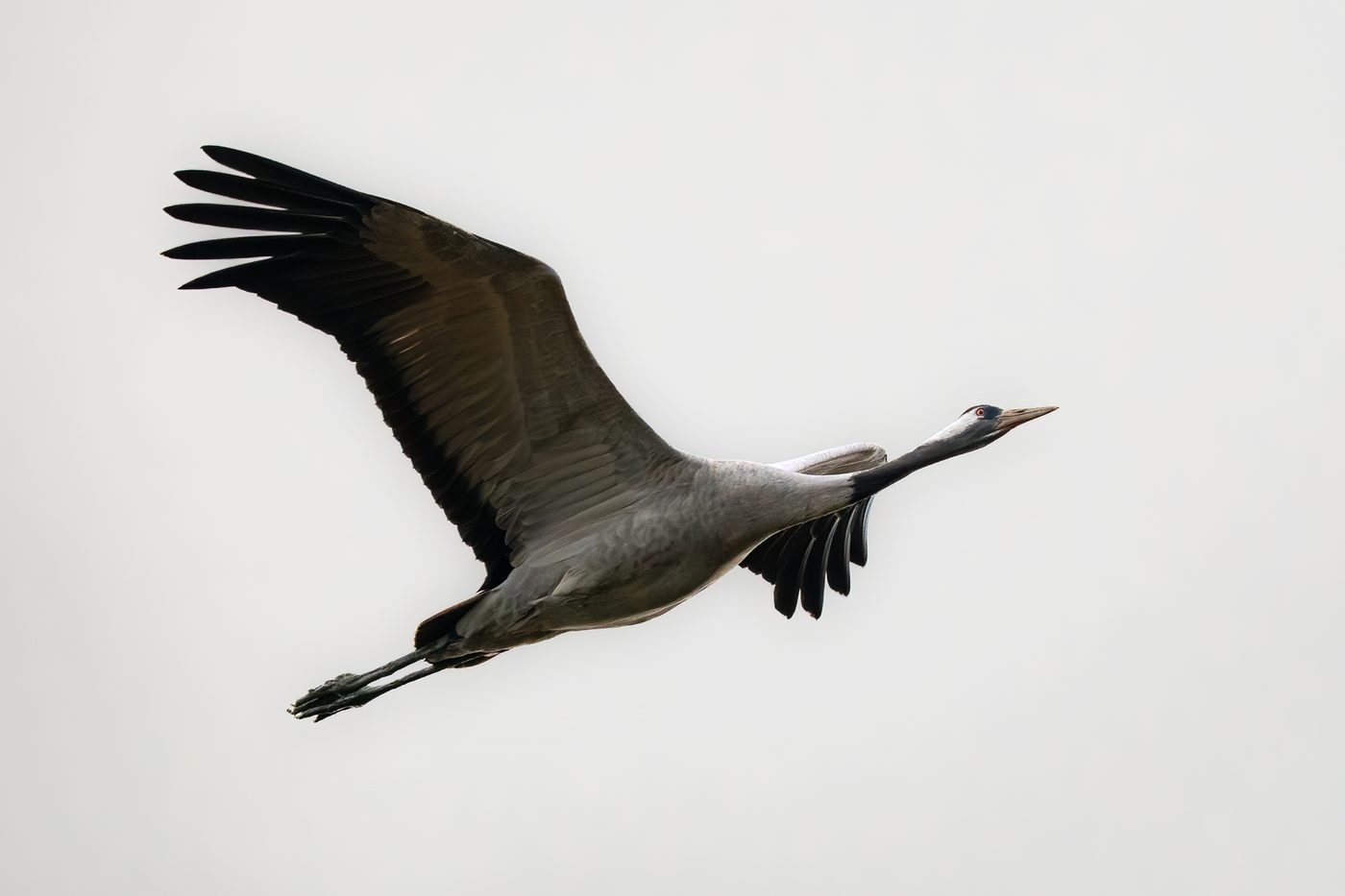
A 2025 paper in Ecology and Evolution, by Henrik Skov and colleagues, used laser rangefinder tracking and GPS-tagged common cranes to study their vertical flight behaviour as they cross the Arkona Basin in the Baltic Sea between Sweden and Germany. The cranes use thermal winds at the coast to soar and frequently reach altitudes above 300 m. The paper says altitude strongly depends on wind and clearness conditions, and that predicted altitudes fell towards the central offshore parts of the basin.
The paper is framed around offshore wind farm development and covers the Baltic crossing only; it reports nothing about the Himalaya.
What do everyday flyers do?
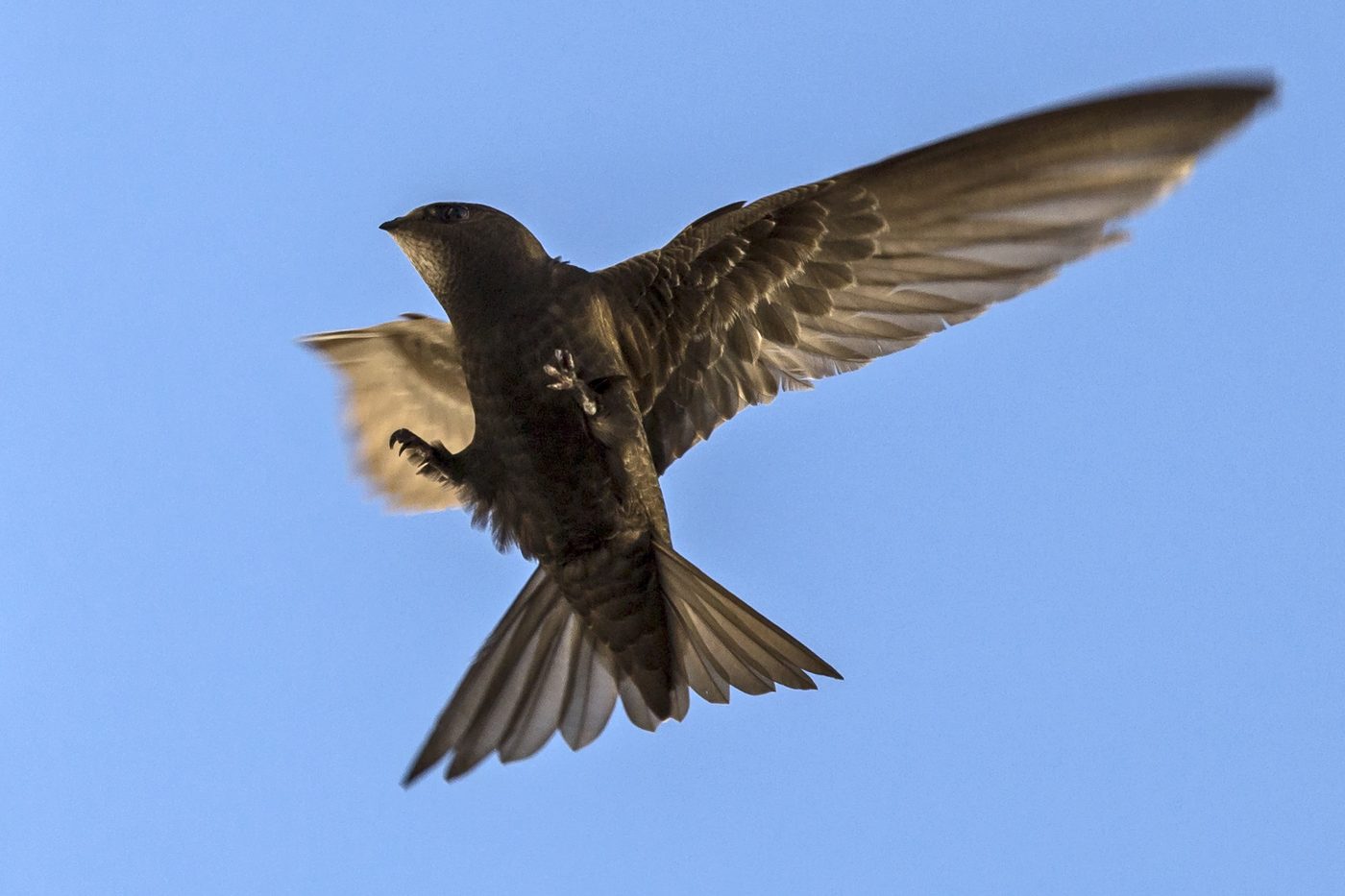
Discover Wildlife notes that species feeding on the wing pick the height where their prey is most plentiful: swallows hunt fairly low for larger flies, house martins go higher for aphids and midges, and swifts go higher still for the smallest invertebrates. It also says petrels and albatrosses travel very low to use uplift from waves, and that many small migrants gradually gain altitude on long-haul flights, climbing from 1,000m to 6,000m.
The bottom line
Three records, three methods: an aircraft strike at 11,300 m, GPS maxima of 6,540 m and 7,290 m for bar-headed geese, and rangefinder and GPS data for cranes that often exceeded 300 m over the Baltic. They answer different questions: the highest height one bird was ever logged at, the heights geese reached on a mountain crossing, and the heights cranes chose over open sea. None is a like-for-like comparison.
Sources
- How high do birds fly? One amazing species has been recorded at an astonishing 11,300m, Mike Toms, Discover Wildlife, 16 September 2026, read 27 October 2026 (discoverwildlife.com)
- Highest flying birds, Guinness World Records, read 27 October 2026 (guinnessworldrecords.com)
- On a wild goose chase after the world’s highest migrant, Bangor University, 31 May 2011, read 27 October 2026 (bangor.ac.uk)
- High-Flying Geese take low profile over Himalayas, Bangor University Wetlands Group, 31 October 2012, read 27 October 2026 (wetlands.bangor.ac.uk)
- Flight Altitude of Common Cranes (Grus grus) Crossing the Arkona Basin (Baltic Sea), Skov and others, Ecology and Evolution, 12 December 2025, read 27 October 2026 (ncbi.nlm.nih.gov/pmc)