
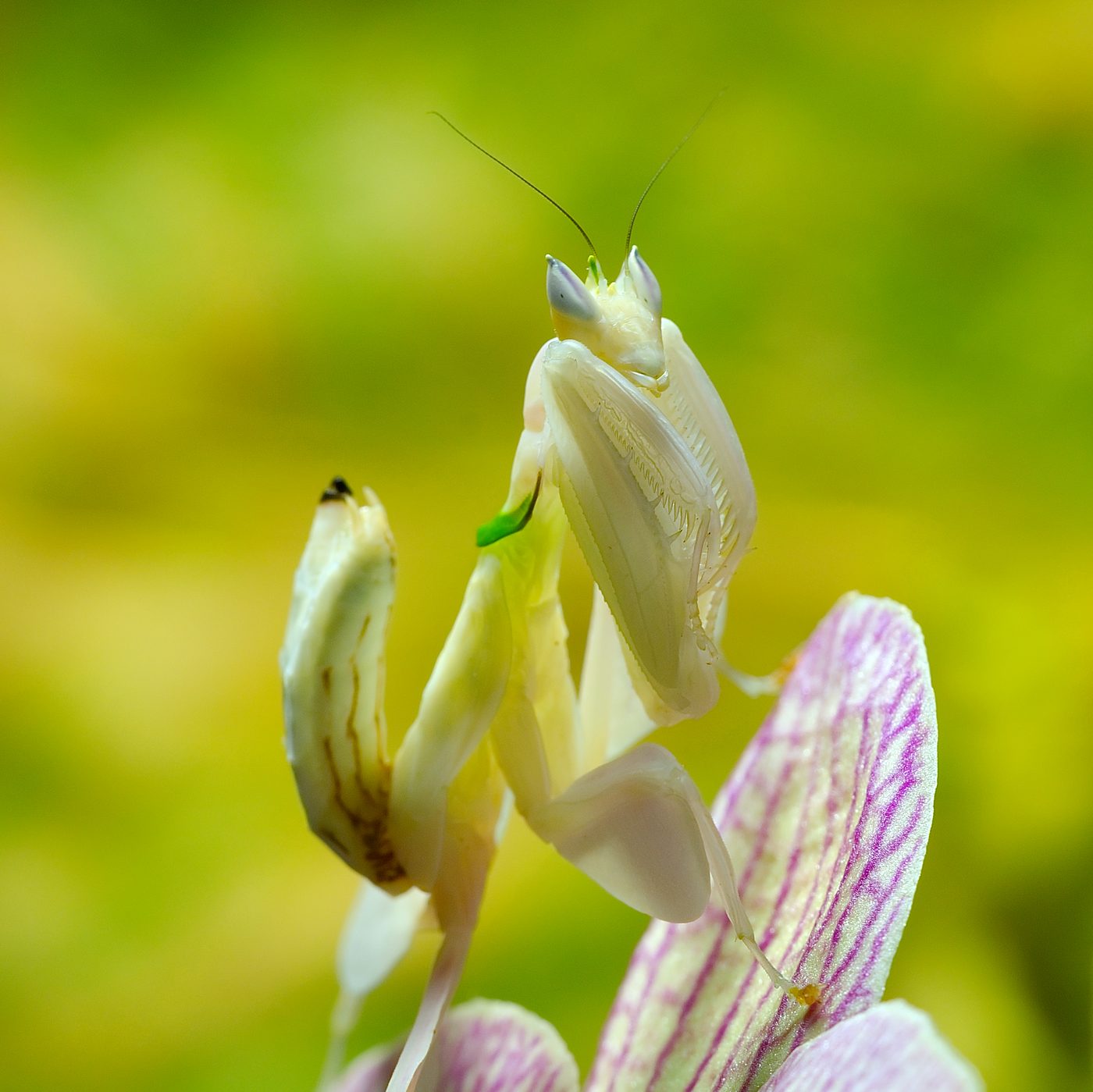
Disguise in nature serves different jobs: hiding, luring, startling, impersonating and infiltrating. Six animals are sorted below by the job the sources describe, with the caution the researchers attach. Every page was read on 27 October 2026.
To hide: the stick insect
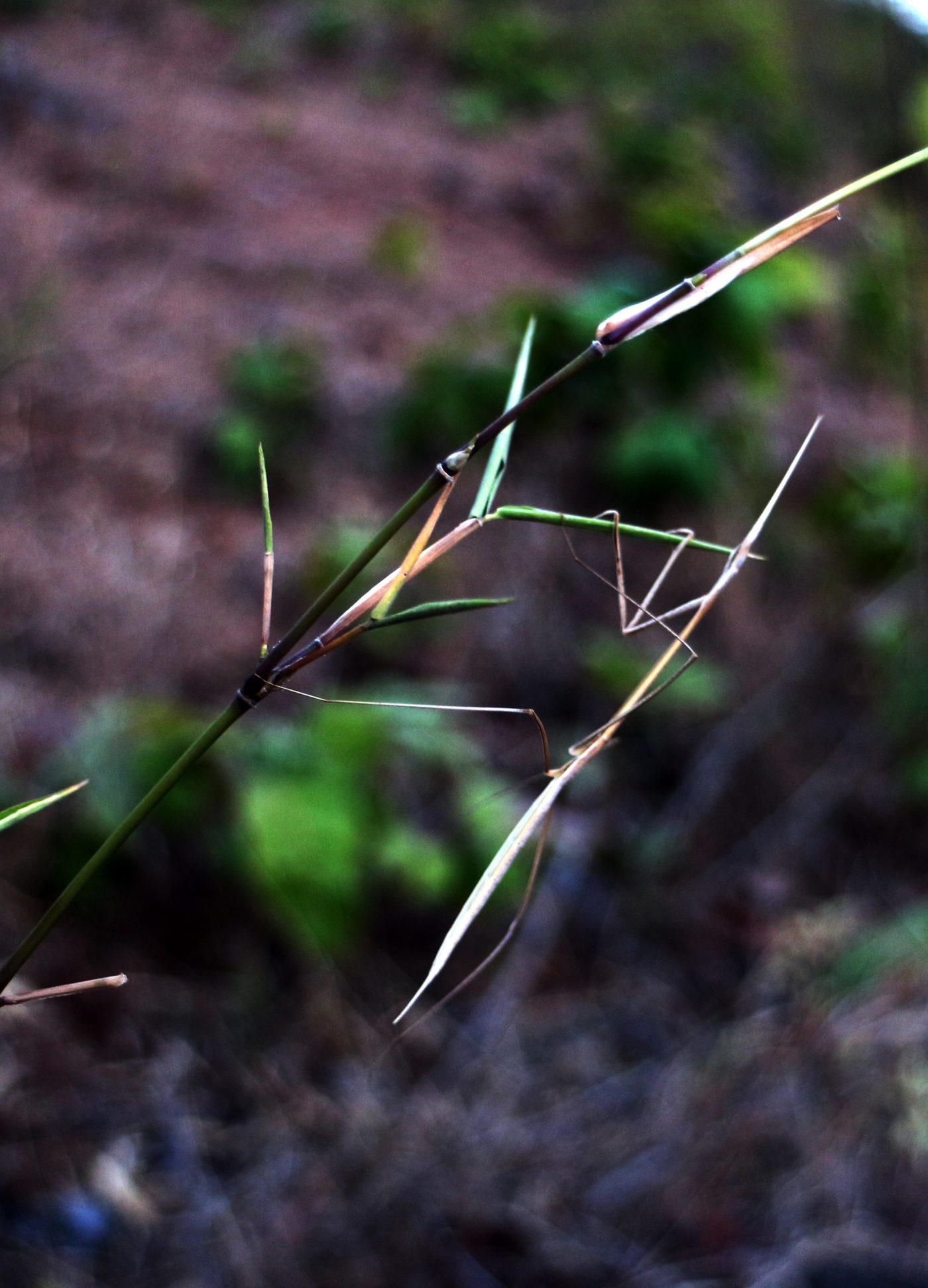
The Australian Museum describes phasmids as insects that eat leaves and resemble leaves or sticks. It says they have developed many unusual shapes to camouflage themselves and avoid detection by predators, and that about 150 species are found in Australia, often overlooked because of their excellent camouflage. When disturbed, a phasmid may sway, imitating a dead leaf or stick swaying in the breeze. The order includes the longest insects in the world, the museum says, giving the longest Australian phasmid, the Titan Stick Insect, as growing to 25 centimetres long, and its page shows stick insect eggs that look like seeds.
To hide in plain sight: the leafy sea dragon
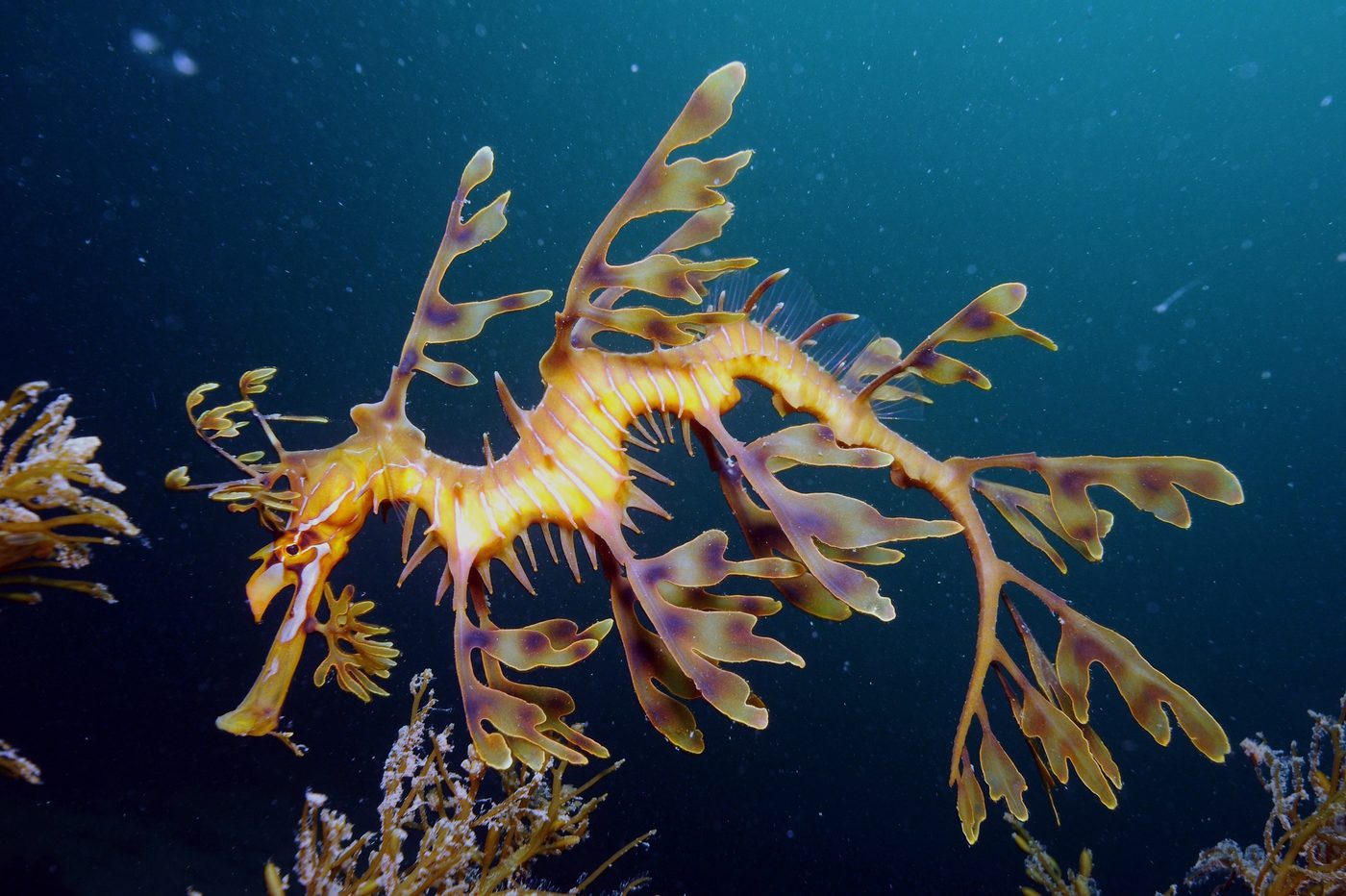
Monterey Bay Aquarium says this close kin of seahorses lives on cooler rocky reefs off south and western Australia, where its leaflike fins and frilly appendages leave it perfectly camouflaged among seaweeds and seagrass beds. The page adds that it is difficult to spot among the kelp as it sways slowly with the current. Monterey Bay Aquarium also notes that the male carries the eggs on the underside of its tail in a brood patch. The Australian Museum calls it endemic to Australian temperate waters, and says its colouration and leafy appendages give it excellent camouflage on kelp-covered rocky reefs.
To lure: the orchid mantis
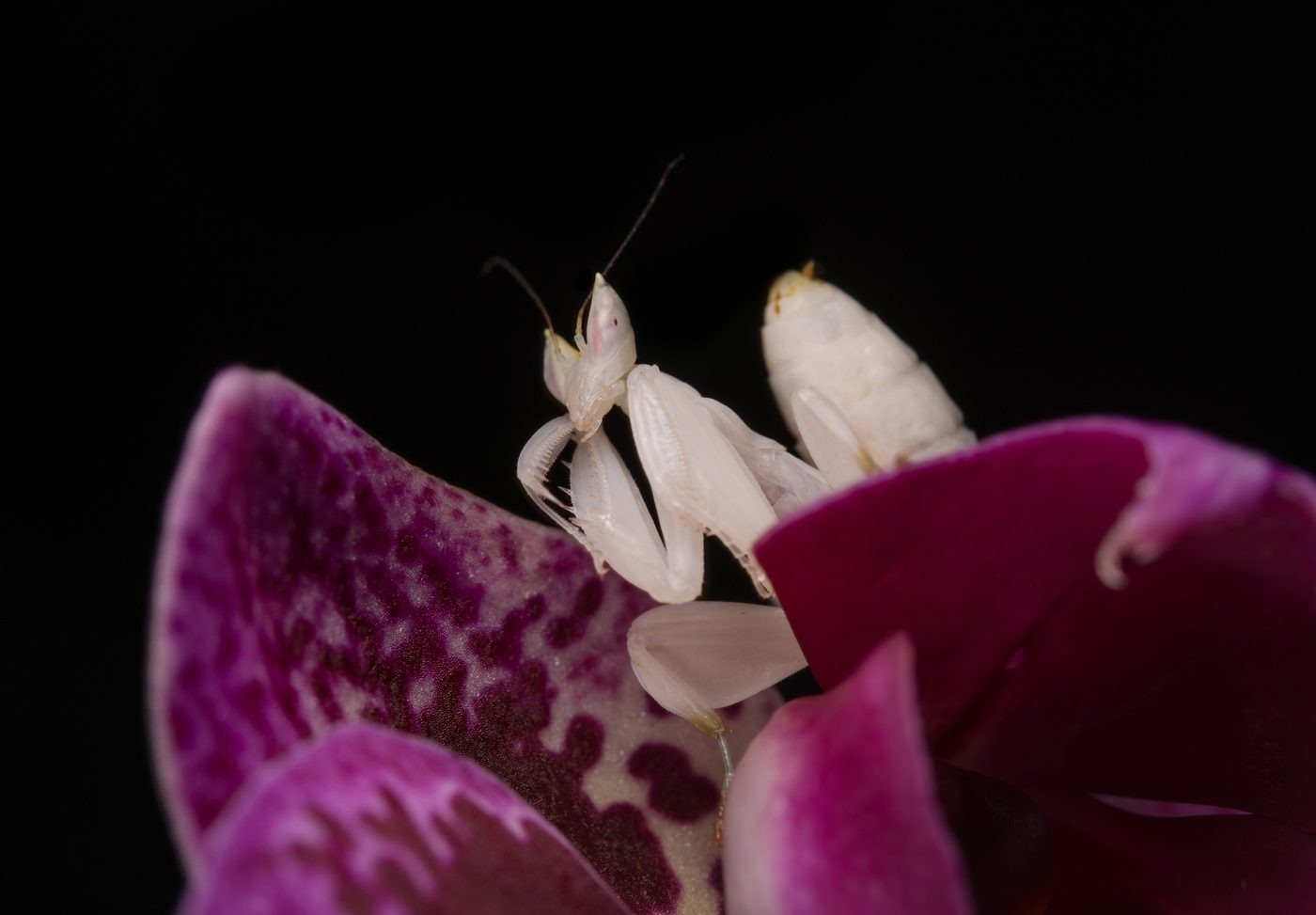
A 2014 study in The American Naturalist tested a long-discussed idea about the Malaysian orchid mantis (Hymenopus coronatus). Colour analysis found it indistinguishable from the colour of sympatric flowers for hymenopteran pollinators, and field experiments showed isolated mantises attracting wild pollinators at a rate even higher than flowers, then capturing them as prey. The authors call this the first experimental evidence of pollinator deception in the species.
To startle, or to misdirect: the owl butterfly
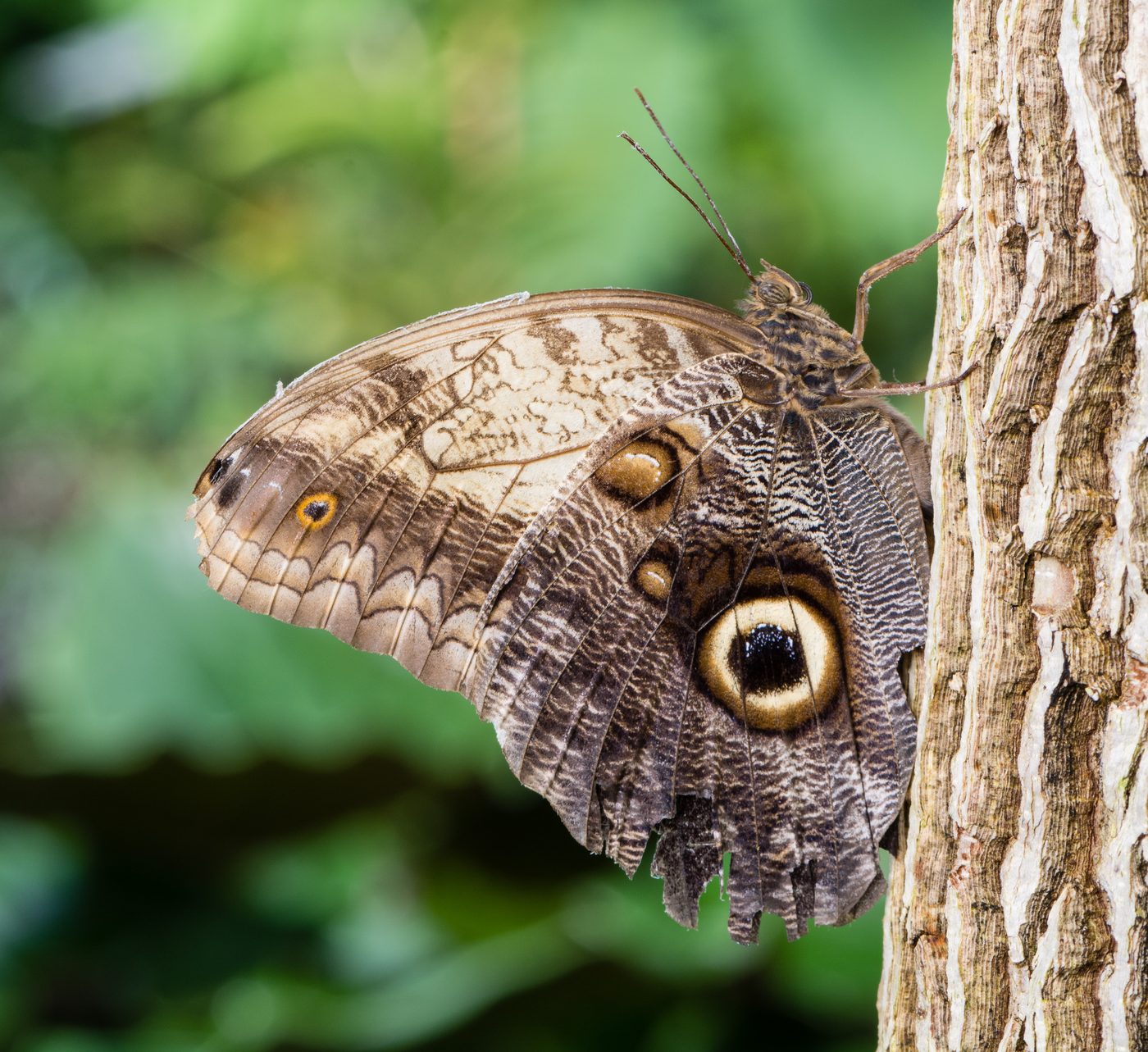
The Natural History Museum says the genus Caligo has large round hindwing eyespots that resemble owl eyes, which gives owl butterflies their name, and sets out two main theories: intimidating predators, or deflecting attacks to non-vital parts. A 2024 study in Peer Community Journal used paper facsimiles of Caligo martia in a Restinga forest in austral South America. Facsimiles with eyespots were mostly attacked on the wings, while most bird attacks on camouflaged facsimiles without eyespots hit vital body areas. The authors say the eyespots appear to have a deflection function, and that the eyespots did not appear to reduce attack rates, suggesting local birds were not intimidated.
To impersonate: the hoverfly
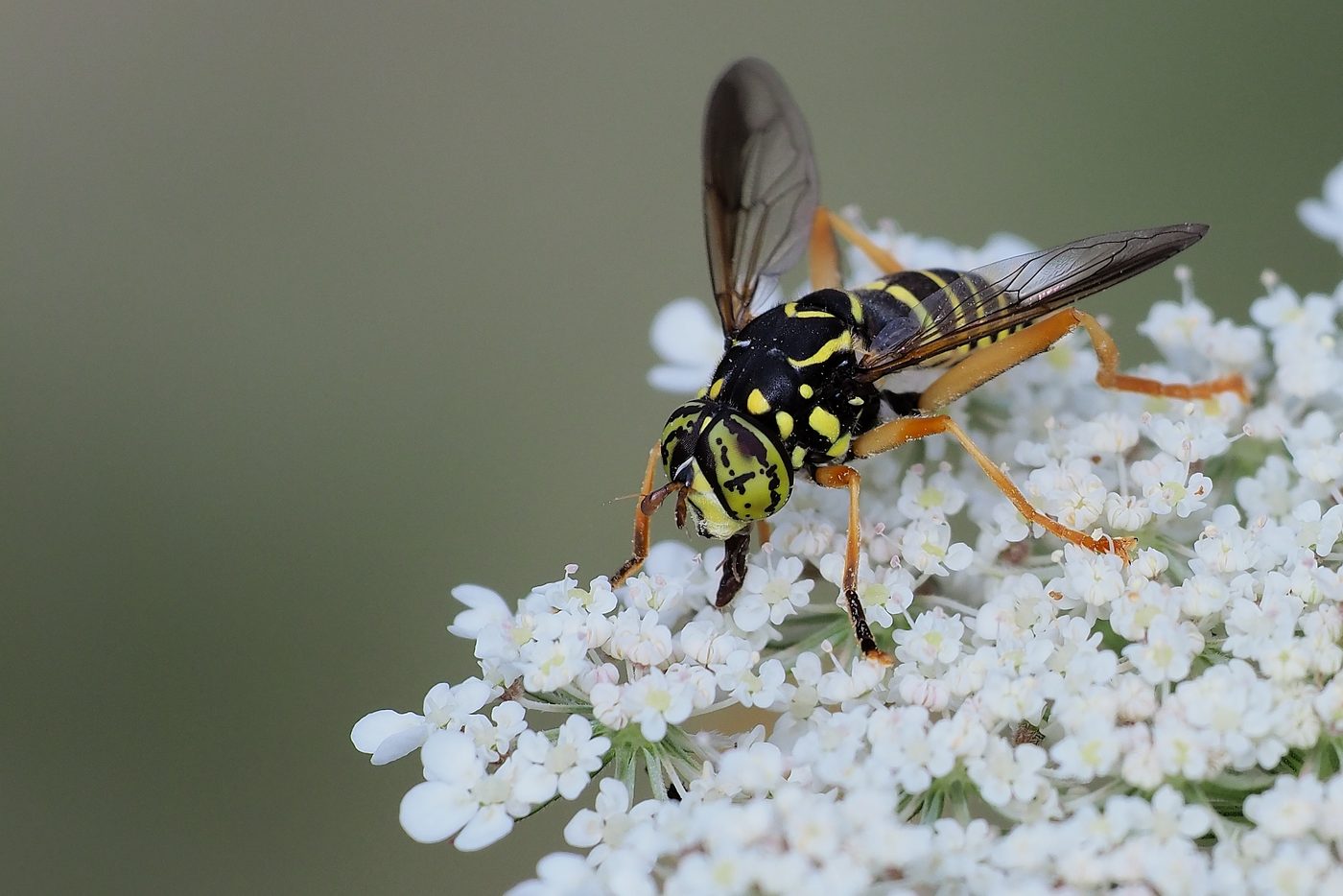
A 2024 paper in Behavioral Ecology notes that many Batesian mimics, such as some hoverflies (Syrphidae), are considered to have an imperfect resemblance to their wasp or bee models. Its test was an online survey in which participants were shown images of hoverflies and their models from different angles and asked to tell models from mimics. The results show that viewing angle affects perceived mimicry in some species, although it does not provide a complete explanation for imperfect mimicry persisting, and the effect is highly species-specific. The survey asked participants, not predators, and the authors call for study of the viewing angles predators use most often.
To infiltrate: the cuckoo’s egg
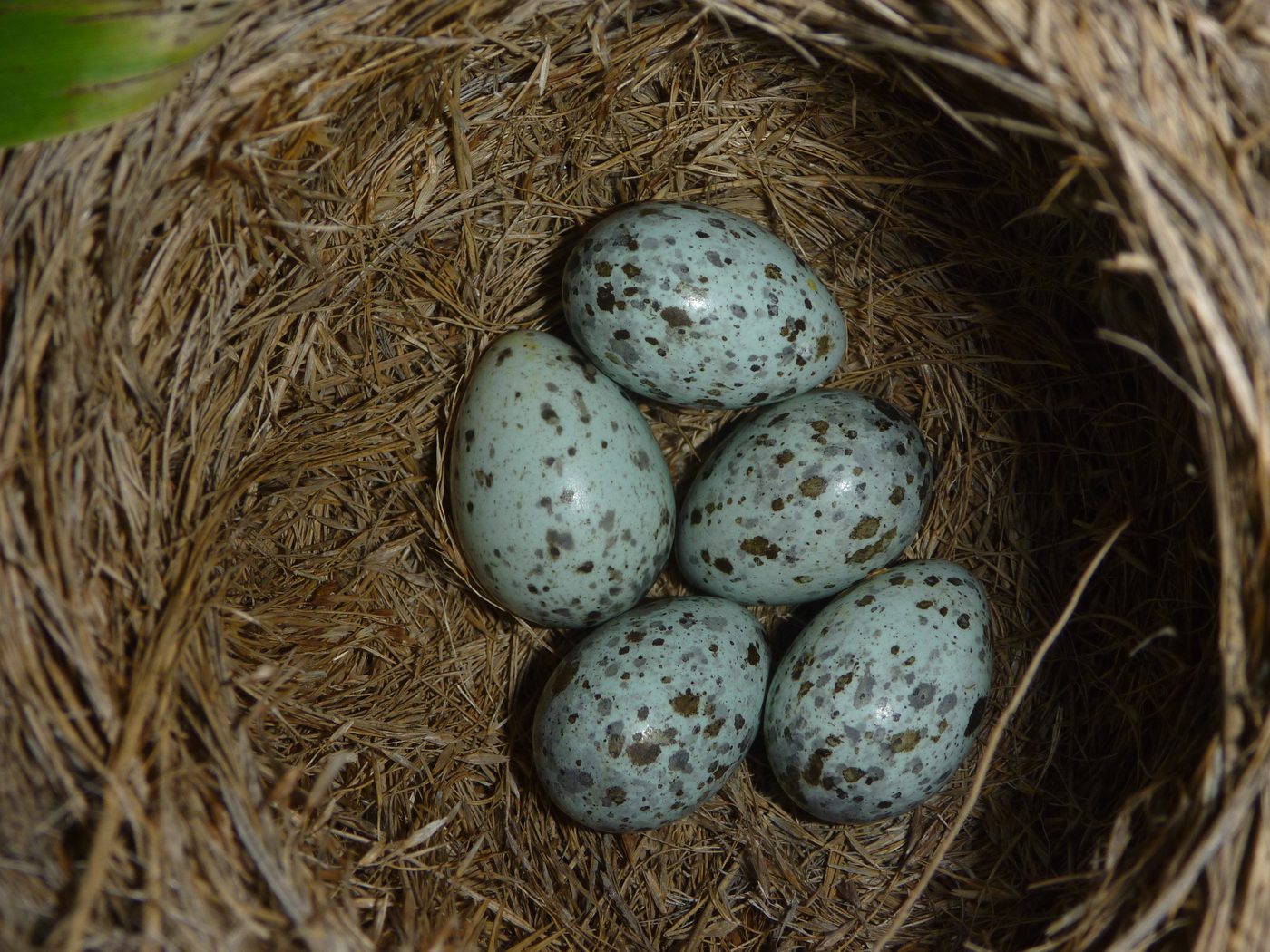
Different host-races of the common cuckoo lay eggs in the nests of other species and leave all parental care to the hosts. A 2011 study by Cambridge researchers modelled bird vision for the eggs of 11 principal host species and found egg background colour and luminance strongly mimicked by most cuckoo host-races, with mimicry better when hosts show strong rejection. A 2010 study of eight hosts found the same pattern for markings. Cuckoo eggs often, but not always, appear to match their hosts’ eggs, the 2011 abstract notes.
The bottom line
Every disguise above comes with the researchers’ own limits: eyespots that deflect but do not appear to scare, hoverfly mimicry judged by human viewers, and cuckoo matching that is often but not always close. The sources describe what the disguises do in those studies, and nothing here claims more.
Sources
- Leaf and Stick Insects: Order Phasmatodea, The Australian Museum, read 27 October 2026 (australian.museum)
- Leafy sea dragon, Monterey Bay Aquarium, read 27 October 2026 (montereybayaquarium.org)
- Leafy Seadragon, Phycodurus eques, The Australian Museum, read 27 October 2026 (australian.museum)
- Pollinator deception in the orchid mantis, O’Hanlon, Holwell and Herberstein, The American Naturalist 183: 126-132, 2014, abstract on PubMed, read 27 October 2026 (pubmed.ncbi.nlm.nih.gov)
- Why do some butterflies and moths have eyespots?, Natural History Museum, read 27 October 2026 (nhm.ac.uk)
- The large and central Caligo martia eyespot may reduce fatal attacks by birds, Iserhard and others, Peer Community Journal 4: e71, 2024, read 27 October 2026 (peercommunityjournal.org)
- How does viewing angle affect the perceived accuracy of Batesian mimicry in hoverflies?, Baker and others, Behavioral Ecology 35(5), 2024, read 27 October 2026 (pmc.ncbi.nlm.nih.gov)
- Avian vision and the evolution of egg color mimicry in the common cuckoo, Stoddard and Stevens, Evolution 65: 2004-2013, 2011, abstract on PubMed, read 27 October 2026 (pubmed.ncbi.nlm.nih.gov)
- Pattern mimicry of host eggs by the common cuckoo, as seen through a bird’s eye, Stoddard and Stevens, Proceedings of the Royal Society B 277: 1387-1393, 2010, abstract on PubMed, read 27 October 2026 (pubmed.ncbi.nlm.nih.gov)