
Speed claims about animals are slippery. A sprint, a dive and a level flight are different things, and the sources do not always agree. These are six examples, not a speed ranking. The sources use different methods, and some widely repeated figures are challenged by research. Every page was read on 27 October 2026.
The ostrich: short bursts on foot
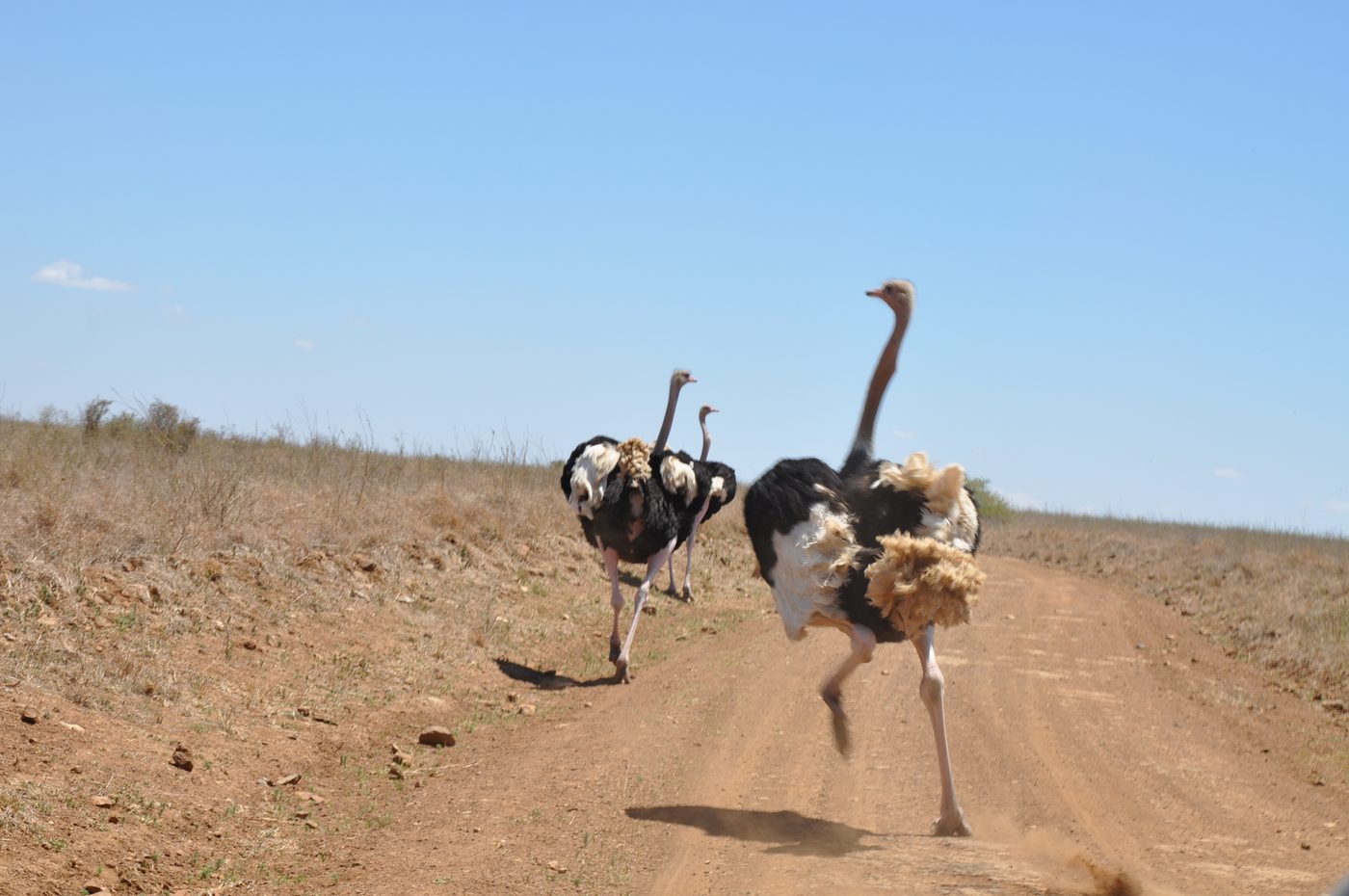
San Diego Zoo Wildlife Alliance says ostriches can sprint in short bursts up to 43 miles per hour (70 kilometres per hour) and can maintain a steady speed of 31 miles per hour (50 kilometres per hour). Its page adds that a single stride can be 10 to 16 feet (3 to 5 metres) long, and that ostrich chicks can run at speeds approaching 35 miles per hour at a month old. The page does not say how these figures were measured.
The pronghorn: two park pages, two figures
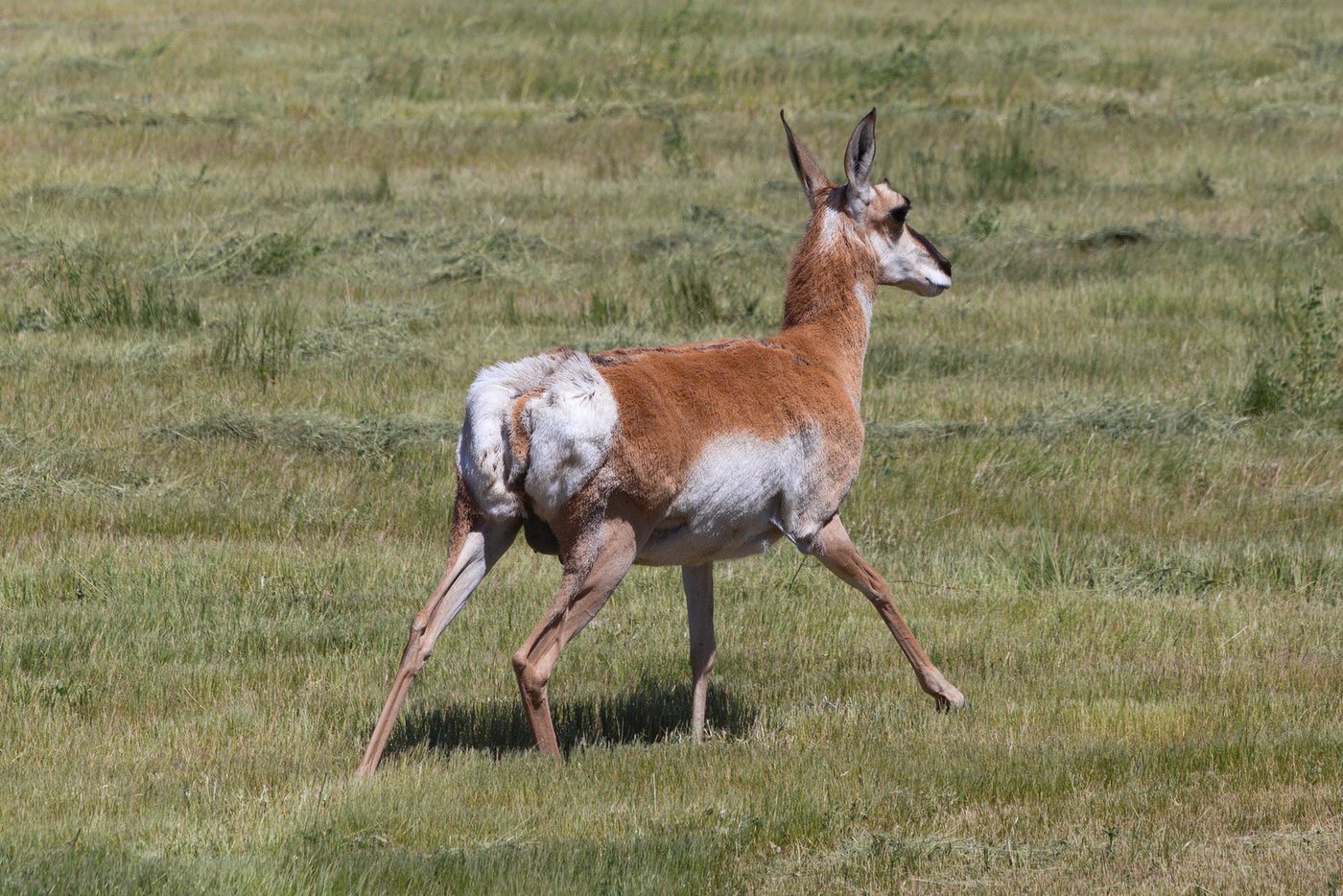
The National Park Service page for Wind Cave National Park calls the pronghorn the fastest North American land mammal. It says pronghorn can reach up to 60 miles per hour for about half a mile, with strides up to 24 feet, and can run longer distances at 30 to 40 miles per hour. Yellowstone National Park gives a lower sprint figure of 45 to 50 miles per hour.
The sailfish: figures that vary by page
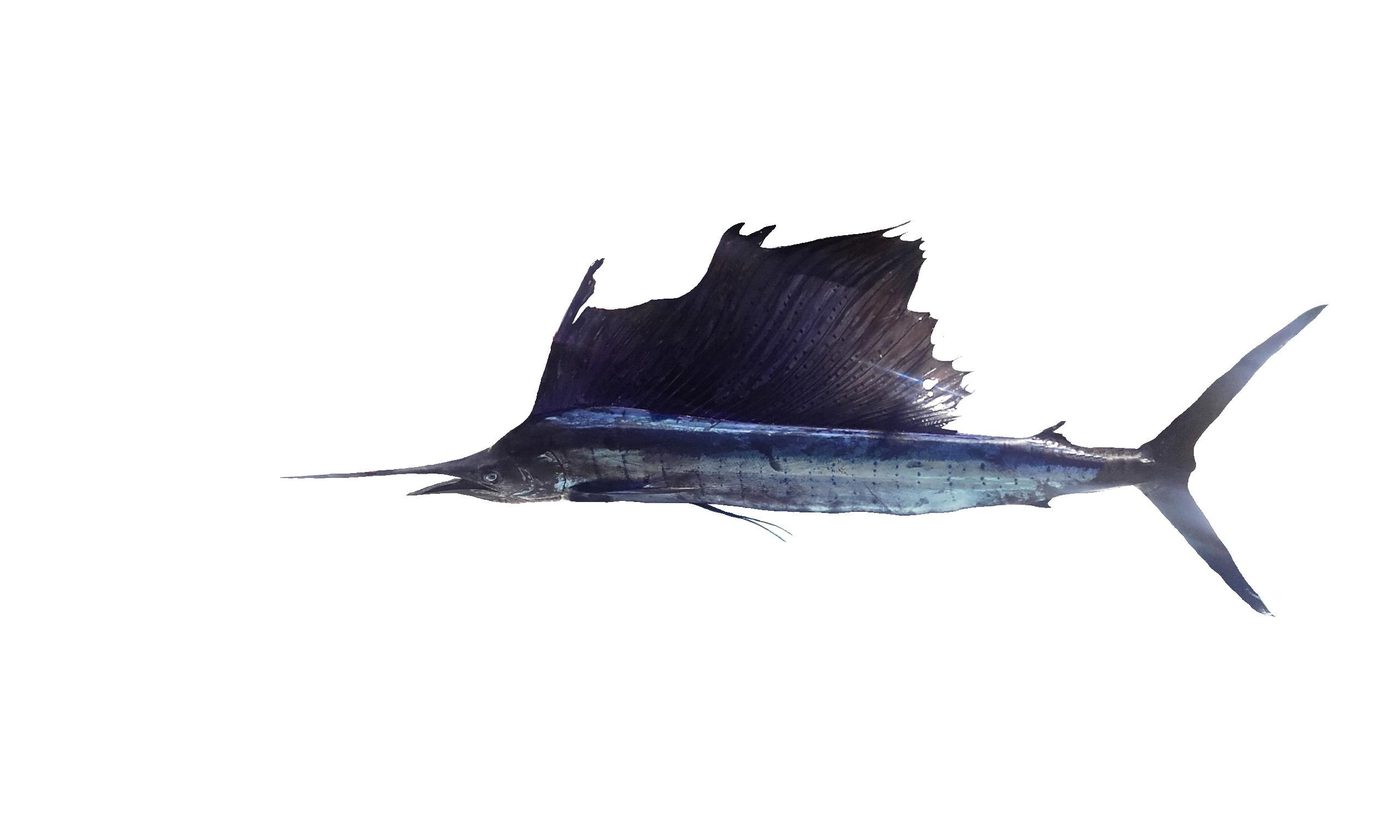
National Geographic’s sailfish page says the fastest fish in the ocean, sailfish can reach speeds of 68 miles per hour. A NOAA National Marine Sanctuaries page names sailfish, swordfish and marlin together as the fastest fish in the ocean, reaching speeds of up to 70 mph. The number and the list of species differ between the two, and neither page says how the speed was measured, so they are best read as the organisations’ stated figures.
These popular figures are disputed. A 2016 Biology Open study estimated maximum sailfish speed from muscle twitch contraction time at 8.3 ± 1.4 metres per second, and its authors say their results suggest sailfish cannot exceed 10 to 15 metres per second, contrary to earlier estimates of around 35. This was a physiological estimate, not a directly tracked maximum swimming speed.
The cheetah: a sprint that cannot last
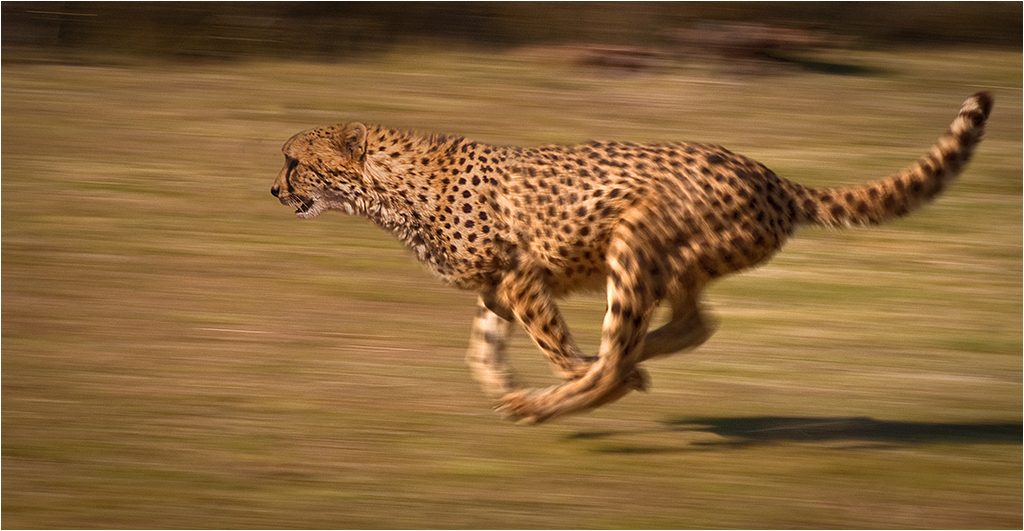
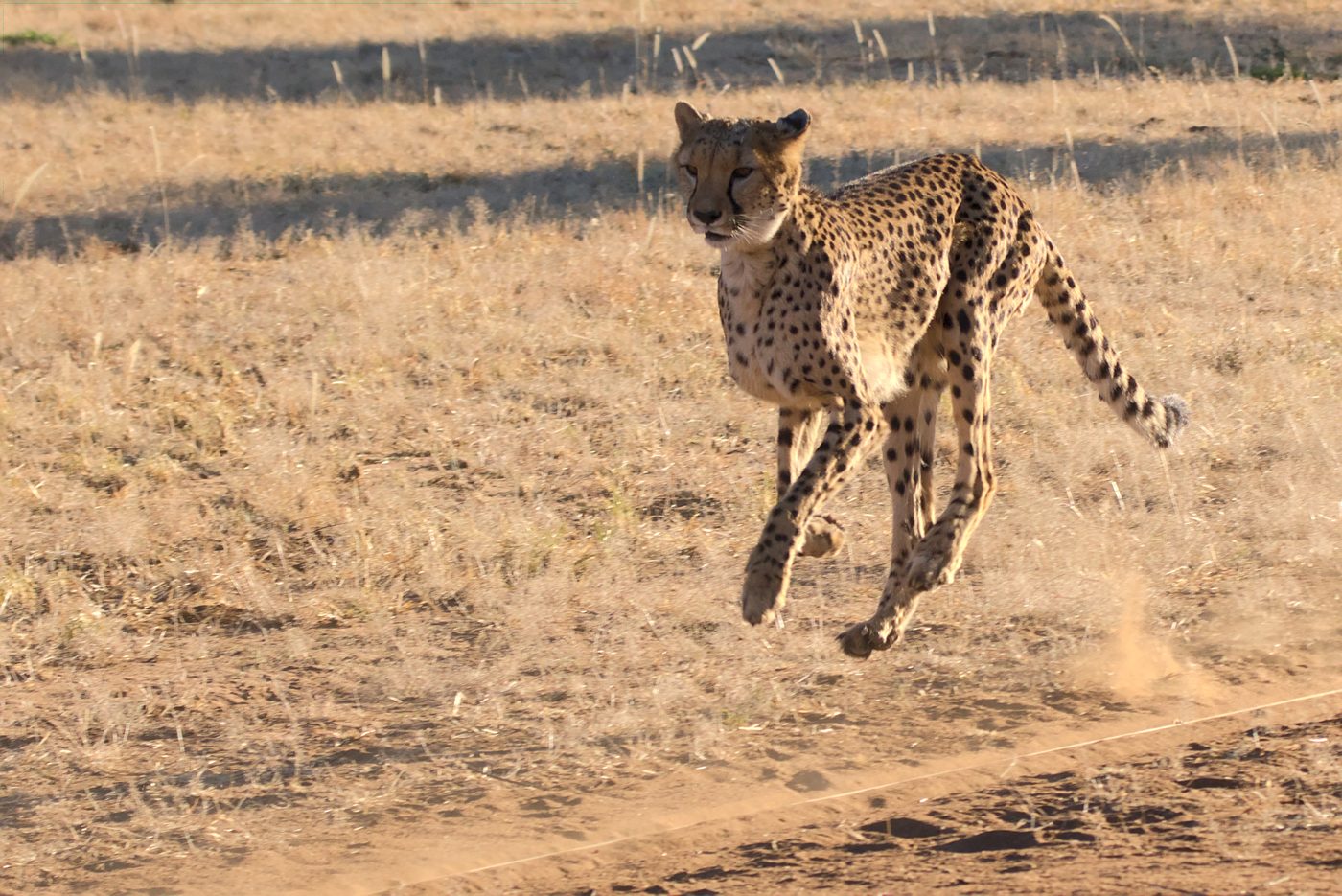
The Smithsonian’s National Zoo calls cheetahs the fastest land mammal and says their top speed averages between 60 and 70 miles per hour (96 and 112 kilometres per hour), maintained for only about 300 yards (274 metres). It adds that they can accelerate from zero to 45 miles per hour in 2.5 seconds, and that at top speed they cover 23 feet (7 metres) in a single stride. San Diego Zoo Wildlife Alliance says a cheetah can run up to 70 miles per hour (112 kilometres per hour), the top of the Smithsonian range.
The free-tailed bat: level flight, tracked from a plane
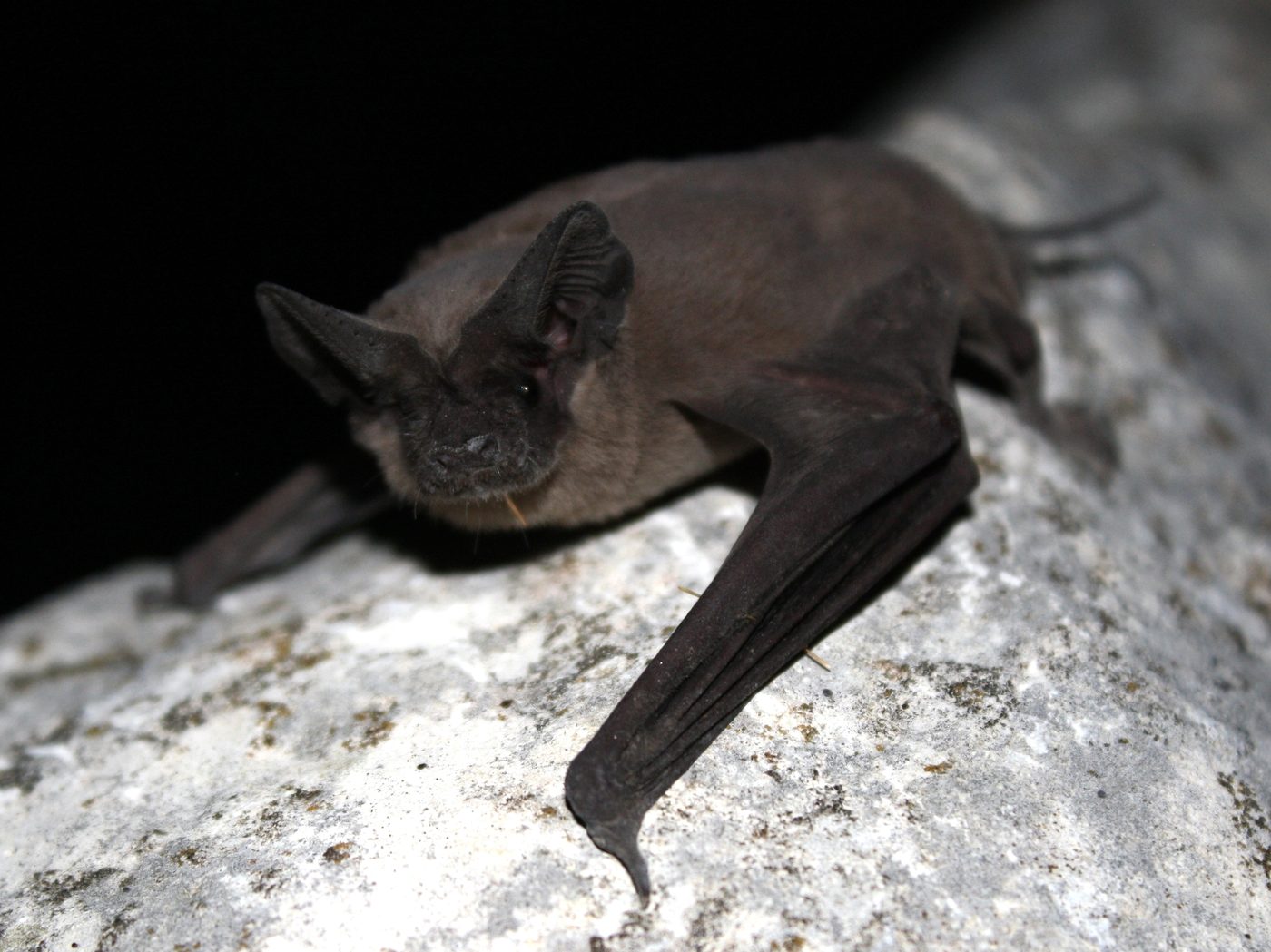
A 2016 paper in Royal Society Open Science tracked seven Brazilian free-tailed bats (Tadarida brasiliensis), one per night between 8 and 15 July 2009, from a plane over south-western Texas. Each bat carried a radio transmitter. The authors report individual maximum ground speeds from 27.2 to 44.5 metres per second, reached for brief periods, against a median ground speed of 5.7 metres per second. They set aside one reading of 60.1 metres per second as an apparent outlier. The Max Planck Institute for Ornithology described the result as over 160 kilometres per hour, a new record for horizontal flight. The paper gives the common swift’s maximum ground speed on record as 31.1 metres per second, and calls its own maxima conservative estimates.
The peregrine falcon: the dive
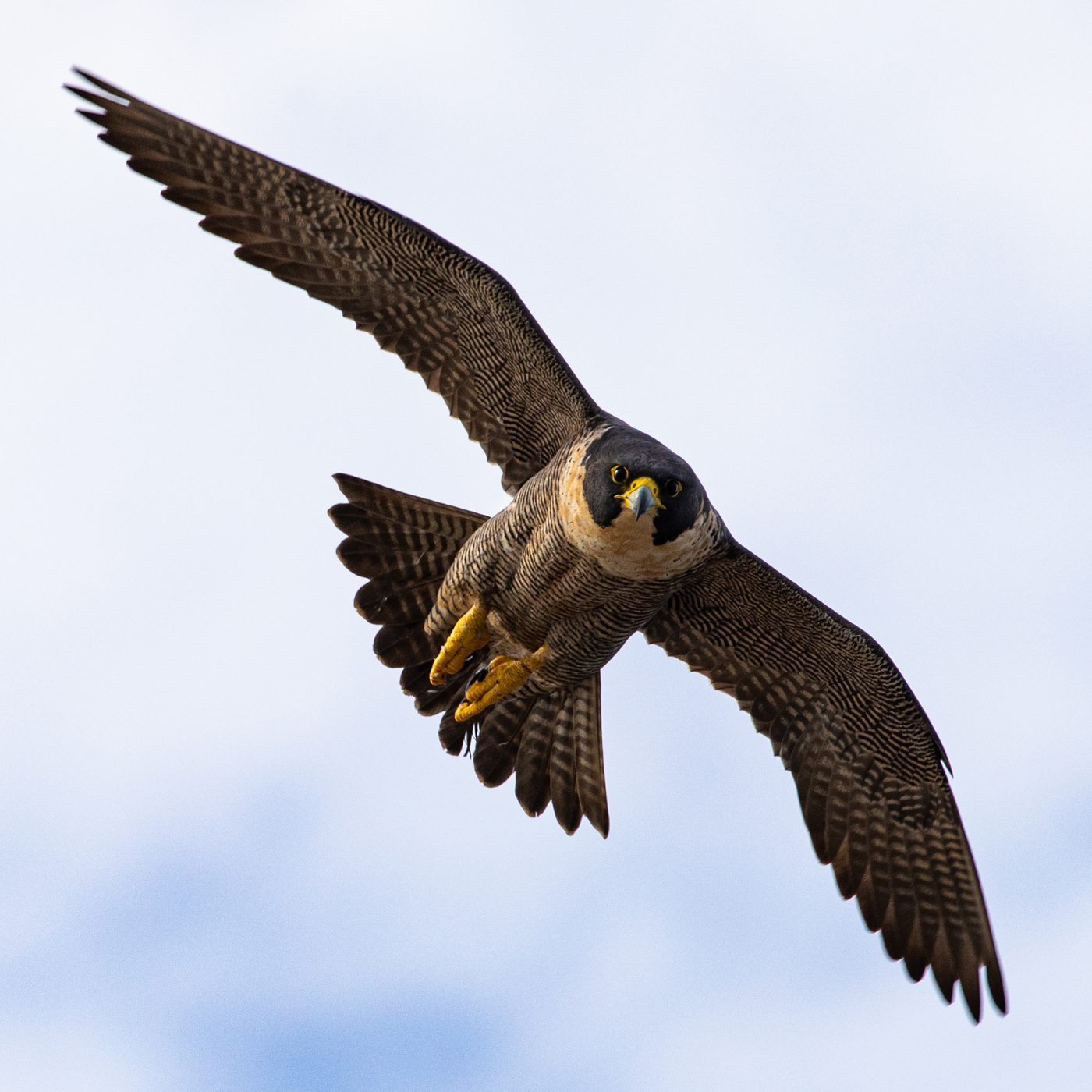
The National Park Service page for Zion National Park says a peregrine can reach 100 to 200 miles per hour in a stoop, and that the fastest ever recorded reached 242 mph or 389 km/h; it does not say who recorded it. Another park service page, for the Mississippi National River and Recreation Area, says a stoop may reach up to 200 mph, but that the bird probably uses no more speed than it needs and most dives are closer to 100 mph. The Max Planck release says up to 300 kilometres per hour when diving. The 2016 bat paper adds that stooping raptors can exceed 50 metres per second, but that, unlike horizontal powered flight, a stoop is gravity-assisted.
The figures side by side
| Animal | Movement | Figures given in the sources used |
|---|---|---|
| Ostrich | On foot | Up to 43 mph in short bursts (San Diego Zoo Wildlife Alliance) |
| Pronghorn | On foot | Up to 60 mph for about half a mile (NPS, Wind Cave); 45 to 50 mph sprints (NPS, Yellowstone) |
| Sailfish | Swimming | Popular figures: 68 mph (National Geographic); up to 70 mph for sailfish, swordfish and marlin (NOAA). Study estimate: 8.3 ± 1.4 m/s from muscle contraction time (Biology Open, 2016) |
| Cheetah | On foot | 60 to 70 mph (Smithsonian’s National Zoo); up to 70 mph (San Diego Zoo Wildlife Alliance) |
| Brazilian free-tailed bat | Level flight | Highest individual ground speed 44.5 m/s; over 160 km/h (Max Planck Institute) |
| Peregrine falcon | Stoop (dive) | Up to 200 mph (NPS); 242 mph recorded (NPS, Zion); up to 300 km/h (Max Planck Institute) |
The bottom line
No single number settles “fastest”, because a falcon’s dive, a bat’s level flight and a cheetah’s sprint measure different things. The figures above are the ones the named organisations or authors give, and the sources differ on the pronghorn, sailfish, cheetah and peregrine.
Sources
- Ostrich, San Diego Zoo Wildlife Alliance, read 27 October 2026 (animals.sandiegozoo.org)
- Pronghorn, National Park Service, Wind Cave National Park, last updated 9 February 2026, read 27 October 2026 (nps.gov)
- Pronghorn, National Park Service, Yellowstone National Park, last updated 17 April 2025, read 27 October 2026 (home.nps.gov)
- Sailfish, National Geographic, read 27 October 2026 (nationalgeographic.com)
- Maximum swimming speeds of sailfish and three other large marine predatory fish species based on muscle contraction time and stride length: a myth revisited, Svendsen and others, Biology Open 5(10):1415-1419, 19 August 2016, DOI 10.1242/bio.019919, abstract read 27 October 2026 (doi.org)
- Fish and Fishery Facts, NOAA National Marine Sanctuaries, read 27 October 2026 (sanctuaries.noaa.gov)
- Cheetah, Smithsonian’s National Zoo and Conservation Biology Institute, read 27 October 2026 (nationalzoo.si.edu)
- Cheetah, San Diego Zoo Wildlife Alliance, read 27 October 2026 (animals.sandiegozoo.org)
- Airplane tracking documents the fastest flight speeds recorded for bats, McCracken and others, Royal Society Open Science 3: 160398, 2016, read 27 October 2026 (pmc.ncbi.nlm.nih.gov)
- Brazilian free-tailed bat is the fastest flyer in the animal kingdom, Max Planck Society, 9 November 2016, read 27 October 2026 (mpg.de)
- Peregrine Falcon, National Park Service, Zion National Park, last updated 25 February 2022, read 27 October 2026 (nps.gov)
- Peregrine Falcon, National Park Service, Mississippi National River and Recreation Area, last updated 25 February 2022, read 27 October 2026 (home.nps.gov)