
“Extinct” is not always the last word. Some of these animals were considered extinct; others went unrecorded by scientists for decades. These five rediscoveries are presented in chronological order, from 1948 to 2023, and each source below gives its own dates and numbers. All pages were read on 27 October 2026.
1948: the bird behind the strange calls
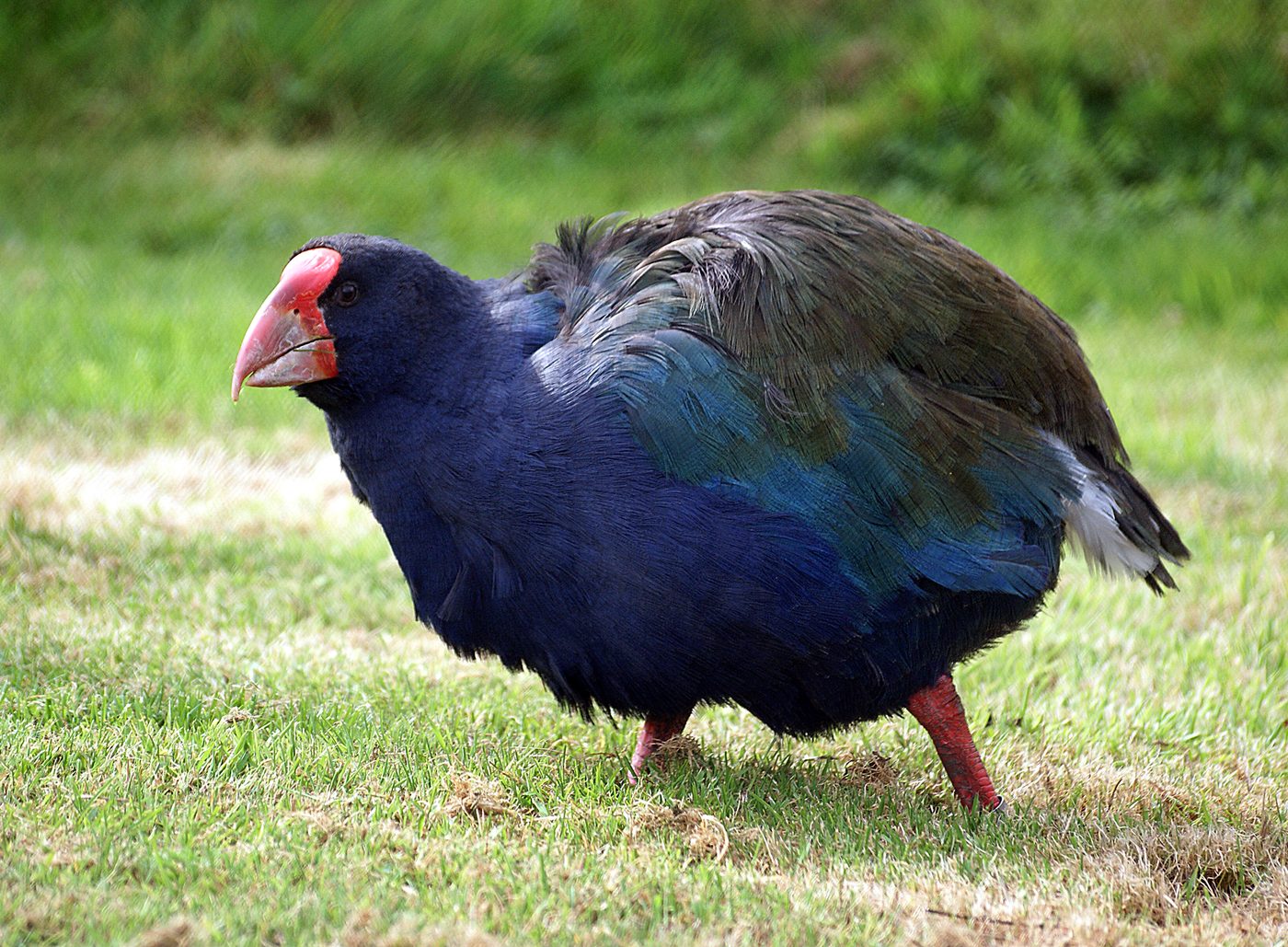
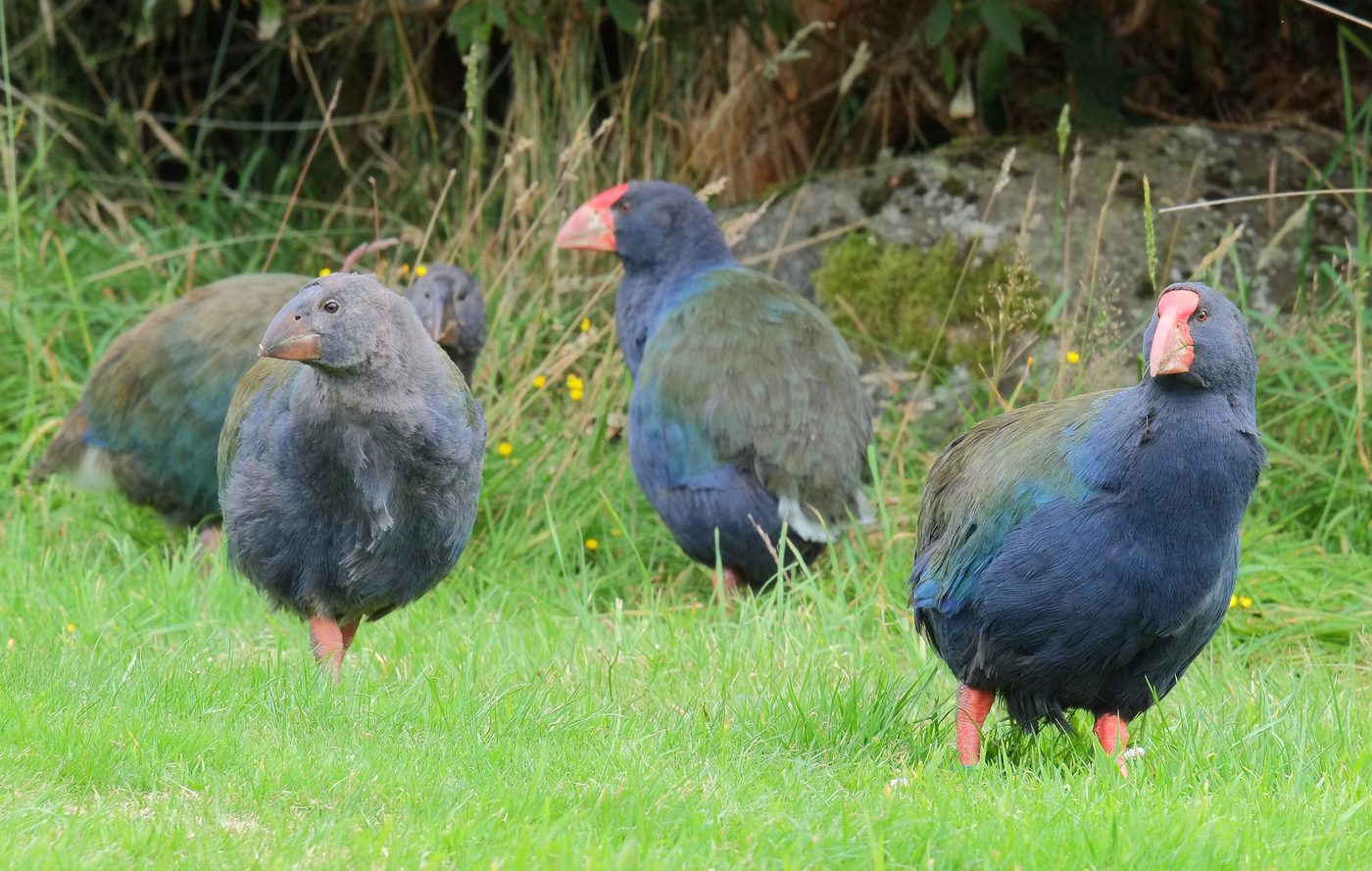
The Department of Conservation (DOC) in New Zealand says that on 20 November 1948 Invercargill doctor Geoffrey Orbell led a team into the remote Murchison Mountains of Fiordland National Park, hunting for a species declared extinct half a century before. DOC names Neil McCrostie, Rex Watson and Joan Telfer as members of the party, and says they were spurred on by unidentified signs: strange bird calls and footprints in the tussock. At what is now Lake Orbell, DOC writes, a bird standing half a metre high, bright iridescent blue and green, eyed them with indifference. That bird was the takahē.
DOC adds that it has run a dedicated Takahē Recovery Programme for more than 30 years. In its 2018 post it describes parent birds raising 60 to 70 chicks per year.
1951: a seabird the islands had written off
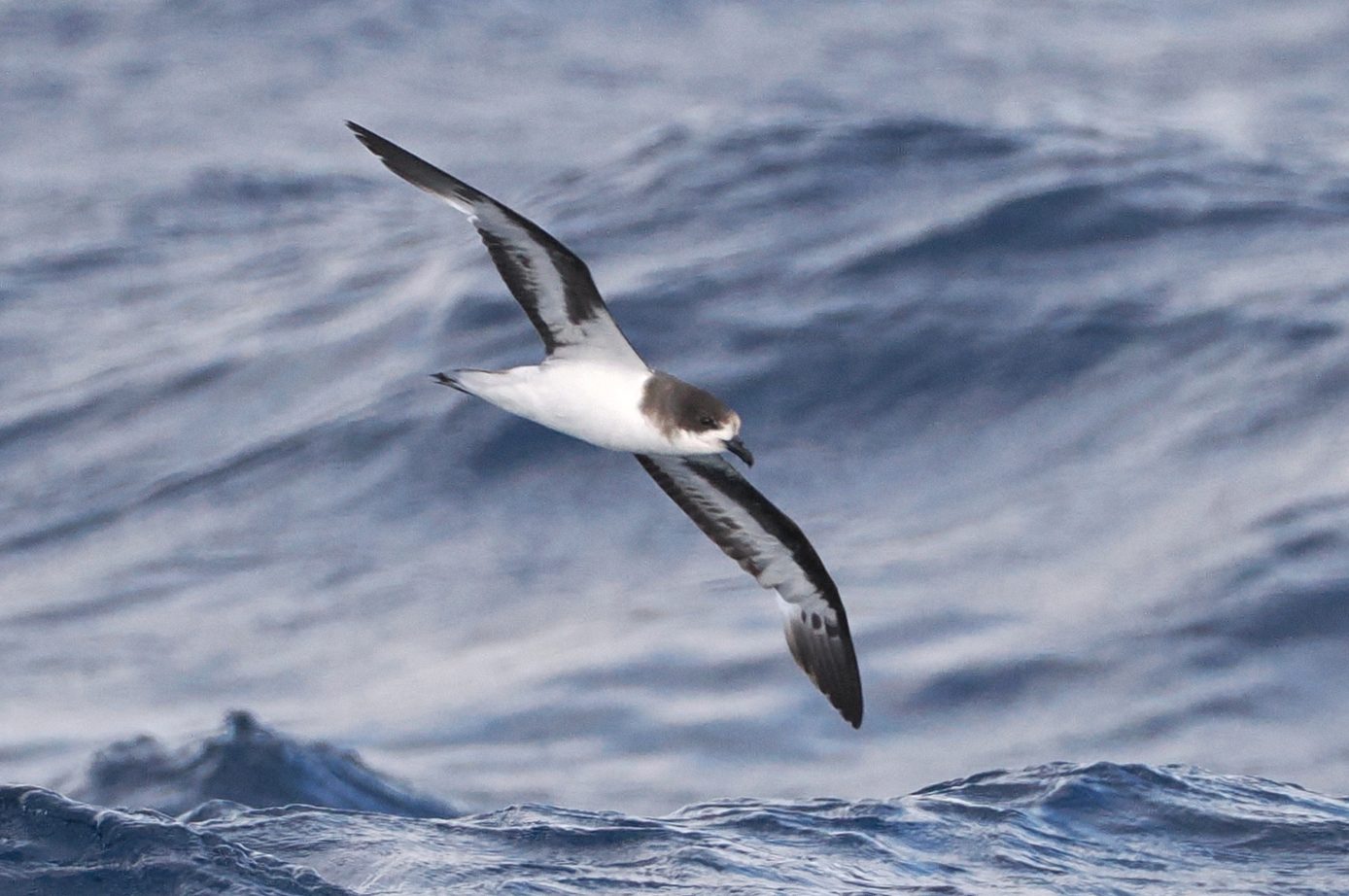
The Bermuda Audubon Society says the Bermuda petrel, known locally as the cahow, was thought to be extinct since the 1600s before it was rediscovered in 1951. Audubon magazine’s 2013 book review says cahows were considered extinct for more than three hundred years, and that several fresh carcasses turned up in the 1930s and 1940s, leading to a 1951 search for living birds. The biologists invited 15-year-old David Wingate to join the hunt, and the review says the discovery sparked his lifelong obsession with saving the bird.
Bermuda Audubon says an intensive recovery programme means there are now over 100 nesting pairs. It adds that the bird nests only in Bermuda, on a few small islands, visits its burrows only at night, and lays a single egg each year.
1981: a ranch dog and an animal nobody recognised
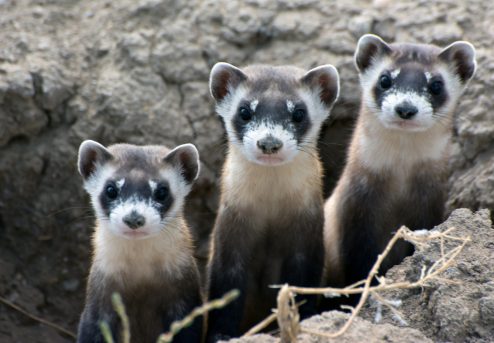
According to the Smithsonian’s National Zoo, black-footed ferrets, North America’s only native ferret species, were thought to have gone extinct in 1979. On 26 September 1981, one was discovered on the Wyoming prairie. The zoo’s account is that a ranch dog named Shep brought home an animal his owners, John and Lucille Hogg, did not recognise. A local taxidermist identified it, and biologists who searched the area then found a colony.
The comeback came with a hard turn. The zoo says fleas carrying sylvatic plague were found in that colony in 1985, and all the ferrets were taken into human care. When the last wild ferret was caught in 1987, 18 ferrets made up the breeding population of the entire species. The zoo reports that 49 ferrets were released in Shirley Basin, Wyoming, in 1991, and that more than 10,500 kits have been born in human care since the breeding programme began in 1986.
2001: the stick insect on a sea stack
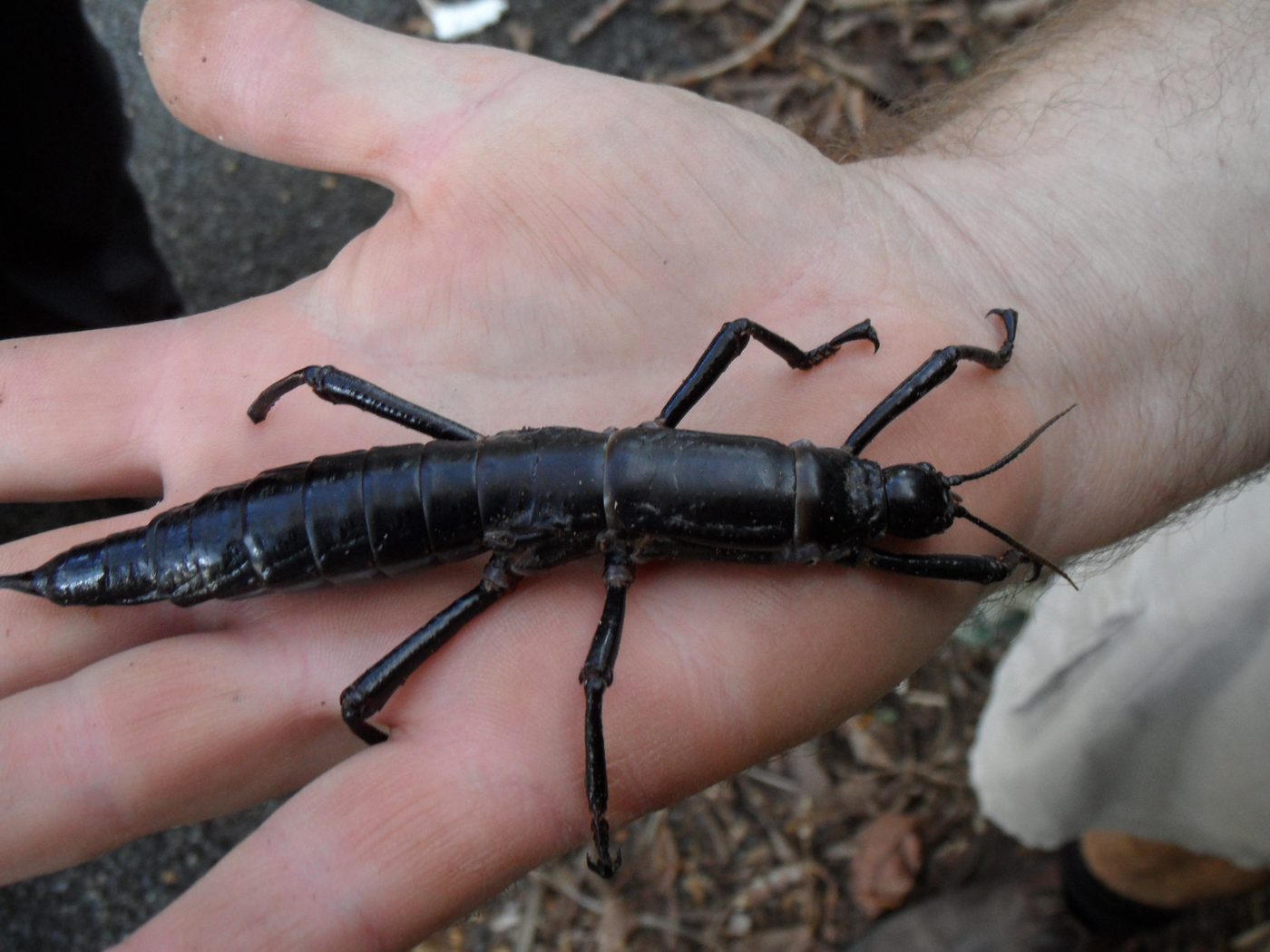
Zoos Victoria says the Lord Howe Island stick insect was rediscovered in 2001 on Ball’s Pyramid, a volcanic outcrop 23 km off the coast of Lord Howe Island, and that black rats had driven it to the brink of extinction early last century. The Australian Museum describes the find as a small group of live specimens on Melaleuca howeana bushes, made on a night survey. Zoos Victoria says a rescue team brought two breeding pairs back to mainland Australia in 2003.
The museum’s blog says the pair sent to Melbourne Zoo were named Adam and Eve. Eve became very ill but survived, and went on to lay 248 eggs. The museum reports that since the programme began in 2003, Melbourne Zoo has hatched more than 14,000 nymphs. Zoos Victoria still lists the species as critically endangered.
2023: the echidna on the last memory card
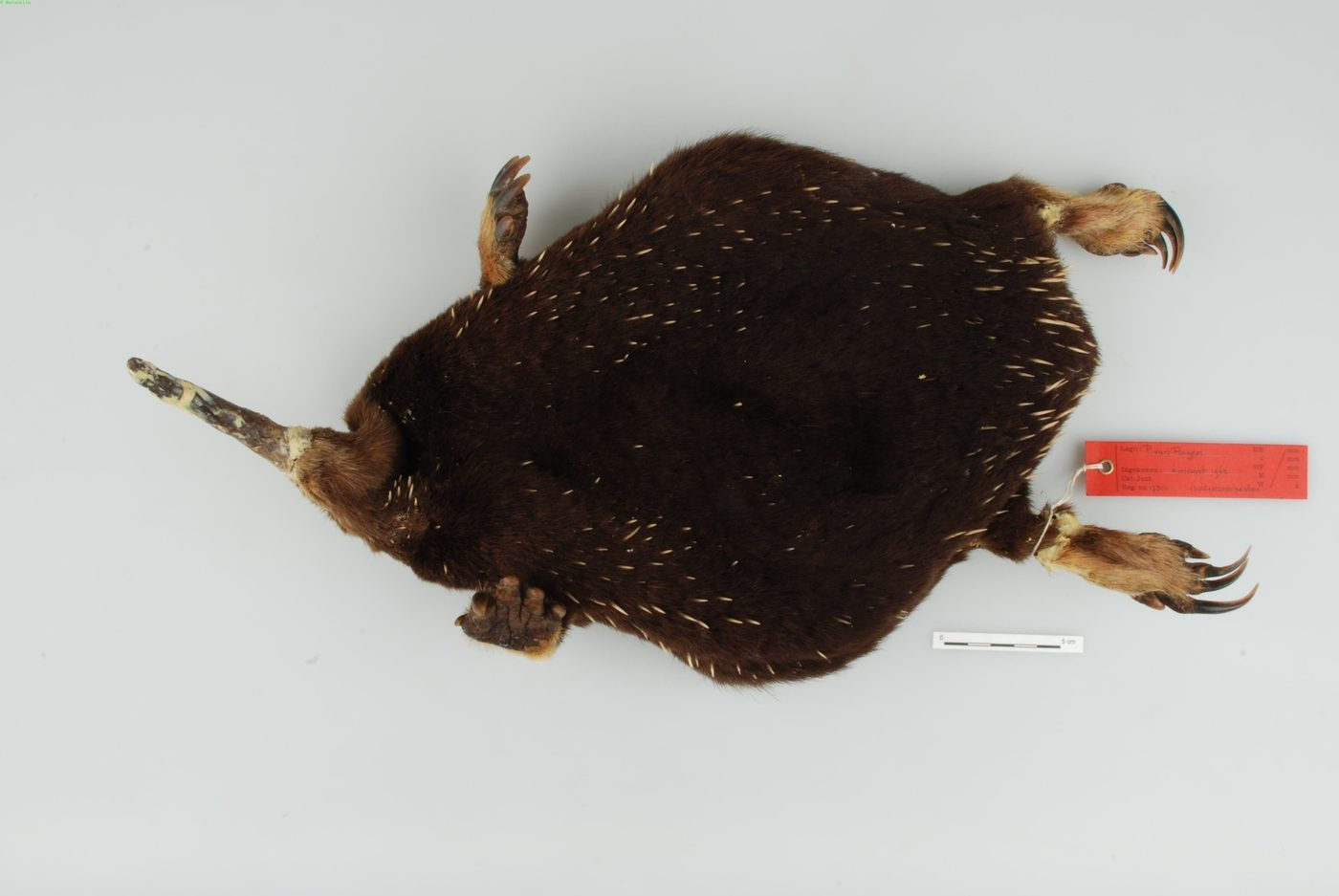
On 10 November 2023, Oxford University announced that an expedition had captured Attenborough’s long-beaked echidna in photos and video for the first time, using remote trail cameras in the Cyclops Mountains of Indonesia’s Papua Province. Oxford says science had recorded the animal only once before, in 1961. The team deployed over 80 trail cameras and, for almost the entire four weeks in the forest, they recorded no sign of it. The pictures came on the last day, with the last images on the final memory card. The identification was later confirmed by Professor Kristofer Helgen.
Oxford adds that the species is a monotreme, one of only five remaining species of egg-laying mammals, and that it is currently classified as Critically Endangered on the IUCN Red List.
The bottom line
These are five different stories, and the sources do not present them as equal. DOC, the Smithsonian’s National Zoo and Bermuda Audubon describe long managed recoveries. Zoos Victoria still lists the stick insect as critically endangered, and Oxford says the echidna is Critically Endangered on the IUCN Red List. The sources also date the silence differently: DOC says takahē was declared extinct half a century before 1948, Bermuda Audubon says the cahow was thought extinct since the 1600s, and Audubon magazine says more than three hundred years. Each figure above is the one its own page gives.
Sources
- The rediscovery of the takahē: seventy years on, Department of Conservation (New Zealand) blog, 20 November 2018, read 27 October 2026 (blog.doc.govt.nz)
- Bermuda Petrel (Cahow), Bermuda Audubon Society, undated, read 27 October 2026 (audubon.bm)
- Review: Rare Birds, The Extraordinary Tale of the Bermuda Petrel and the Man Who Brought It Back from Extinction, Audubon magazine, 17 May 2013, read 27 October 2026 (audubon.org)
- Black-Footed Ferrets: Top Milestones for a Species Once Presumed Extinct, Smithsonian’s National Zoo and Conservation Biology Institute, 24 September 2021, read 27 October 2026 (nationalzoo.si.edu)
- Lord Howe Island Stick Insect, Zoos Victoria, undated, read 27 October 2026 (zoo.org.au)
- VIP: Very Important Phasmid, The Australian Museum Blog, undated, read 27 October 2026 (australian.museum)
- Found at last: bizarre, egg-laying mammal finally rediscovered after 60 years, University of Oxford, 10 November 2023, read 27 October 2026 (ox.ac.uk)