
Cavin and Alvarez of the Natural History Museum of Geneva write that Charles Darwin coined “living fossils” for lineages whose new forms form more slowly and whose old forms are exterminated more slowly, and that the expression has sometimes been misunderstood as meaning that some organisms do not evolve. Science writer Riley Black describes the popular definition as “a species that has gone unchanged for millions of years” and says it does not work even for the most famous examples. Five cases follow, with the label tested against what each source reports. All pages were read on 27 October 2026.
Coelacanth: an old lineage, not a still one
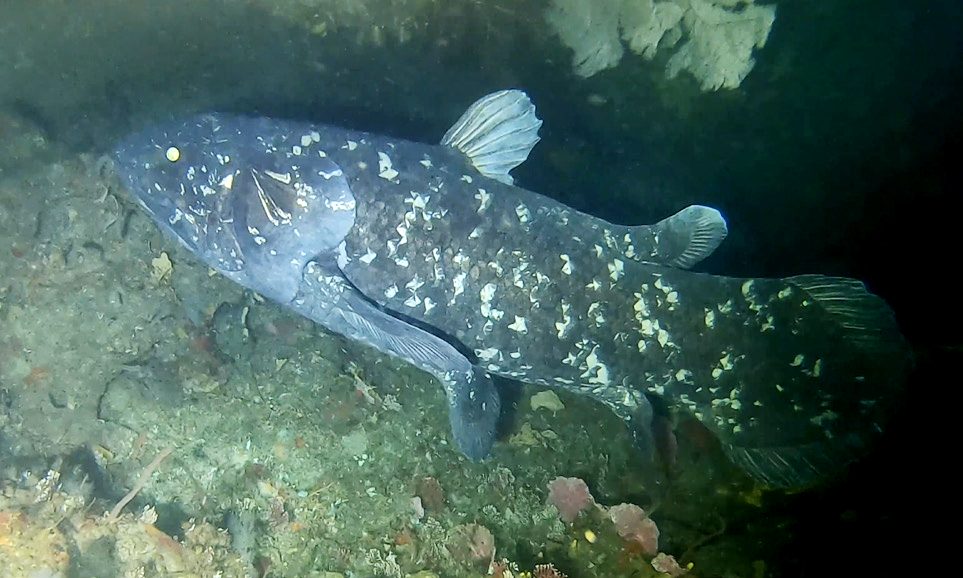
Black says the coelacanth was thought to have disappeared with the last non-avian dinosaurs about 66 million years ago, until a modern one was recognised at a South African fish market in 1938. The two living species have never been found in the fossil record, Black writes; they belong to a lineage going back 390 million years but are not unchanged hold-outs. Cavin and Alvarez report that most twenty-first century genetic studies found the Latimeria genome’s substitution rate slower than in other vertebrate lineages, though alternative interpretations remain, and that part of the community working on coelacanths avoids the expression.
Horseshoe crab: a Jurassic cousin, not a twin
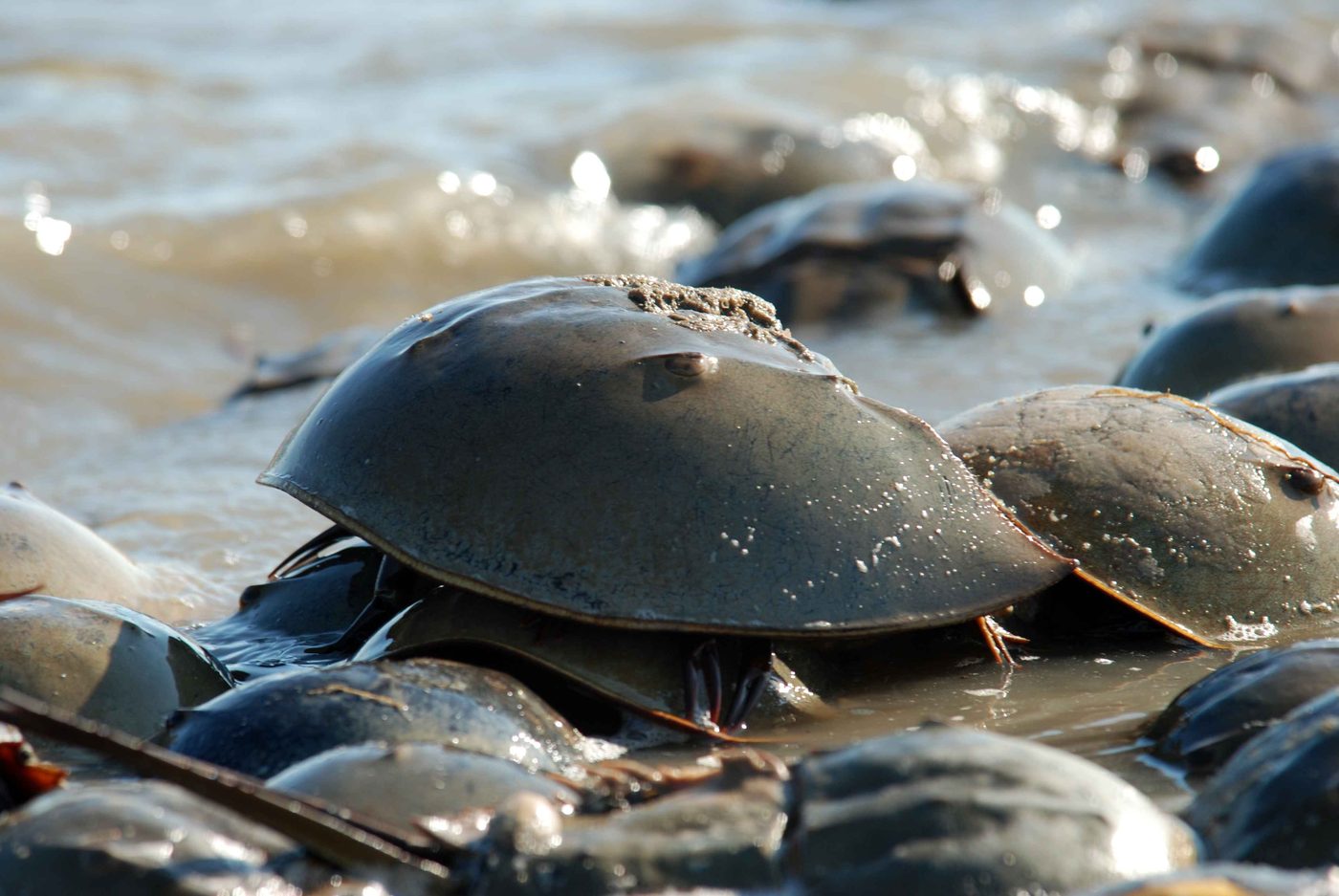
In 2014 Riley Black reported on a 148-million-year-old horseshoe crab fossil from Poland’s Kcynia Formation, which Błażej Błażejowski and Adrian Kin named Limulus darwini. It belongs to the same genus as the living Limulus polyphemus. Juveniles of today’s horseshoe crabs are the spitting image of the Jurassic species, Black writes, though a handful of characteristics distinguish them. Black says it would be a mistake to call horseshoe crabs living fossils, and notes that the researchers suggest a new term, stabilomorphs.
Nautilus: similar animals for about 500 million years
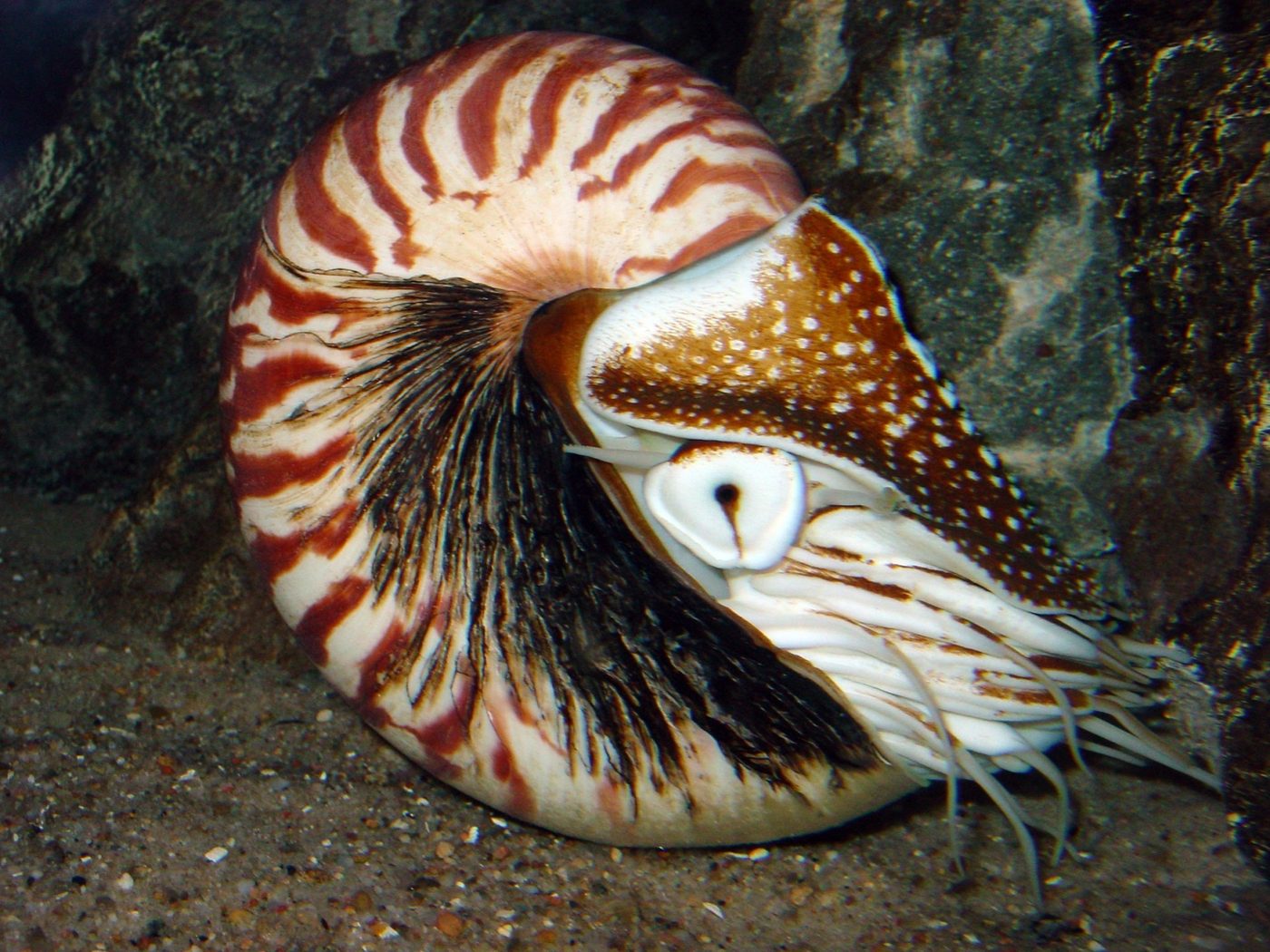
NOAA says the fossil record shows animals similar to the chambered nautilus have existed for about 500 million years, and that the six living species appear to be in decline. The Australian Museum, which calls nautiluses living fossils, says they are modern descendants of the nautiloids, the oldest group of cephalopods, dating back to the Upper Cambrian (500 to 550 million years ago), and that the group was once extremely species-rich. Black’s account of the stabilomorph idea says Limulus would count but crocodiles, coelacanths and the pearly nautilus would not.
Tuatara: the only survivor of its group
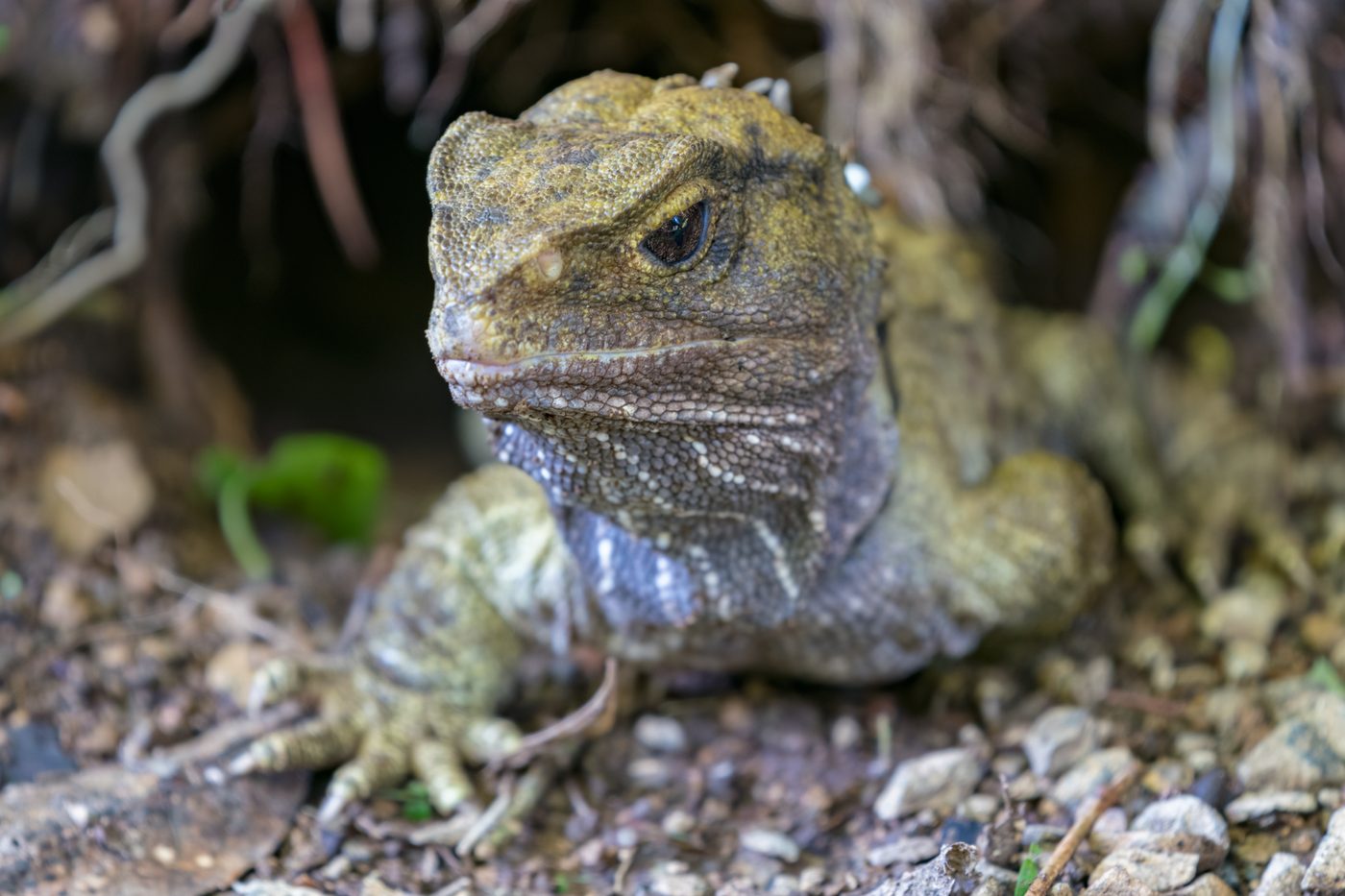
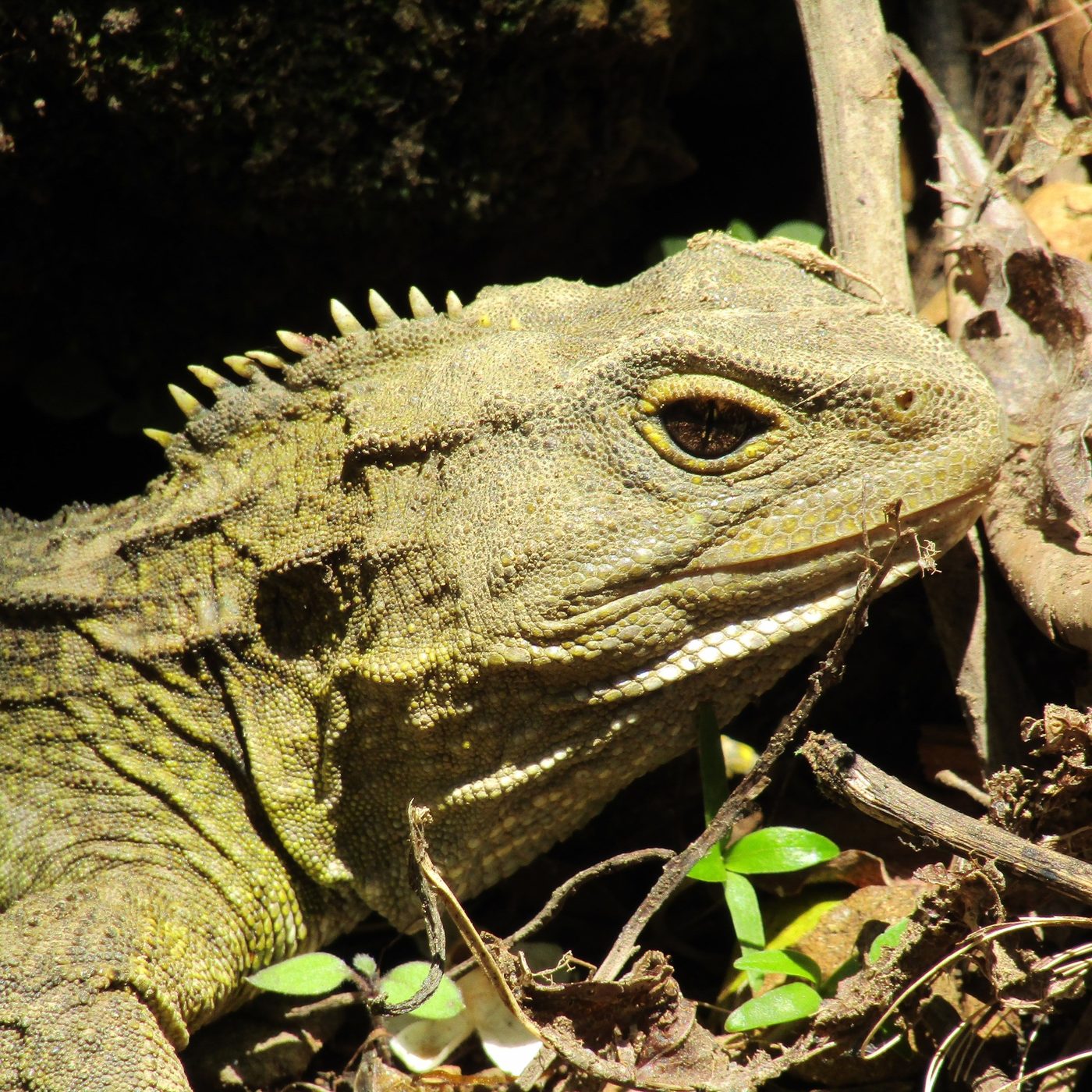
The Science Learning Hub says the tuatara is the only living representative of the reptile group Rhynchocephalia, which first appeared over 200 million years ago, and that tuatara are not lizards. It notes they are commonly called living fossils, then says the term is inaccurate and misleading: it gives the idea that tuatara have not changed for millions of years, but although they are the last representatives of an ancient group, they are not identical to the fossils of their ancestors and relatives.
Wollemi pine: fossils first, living trees second
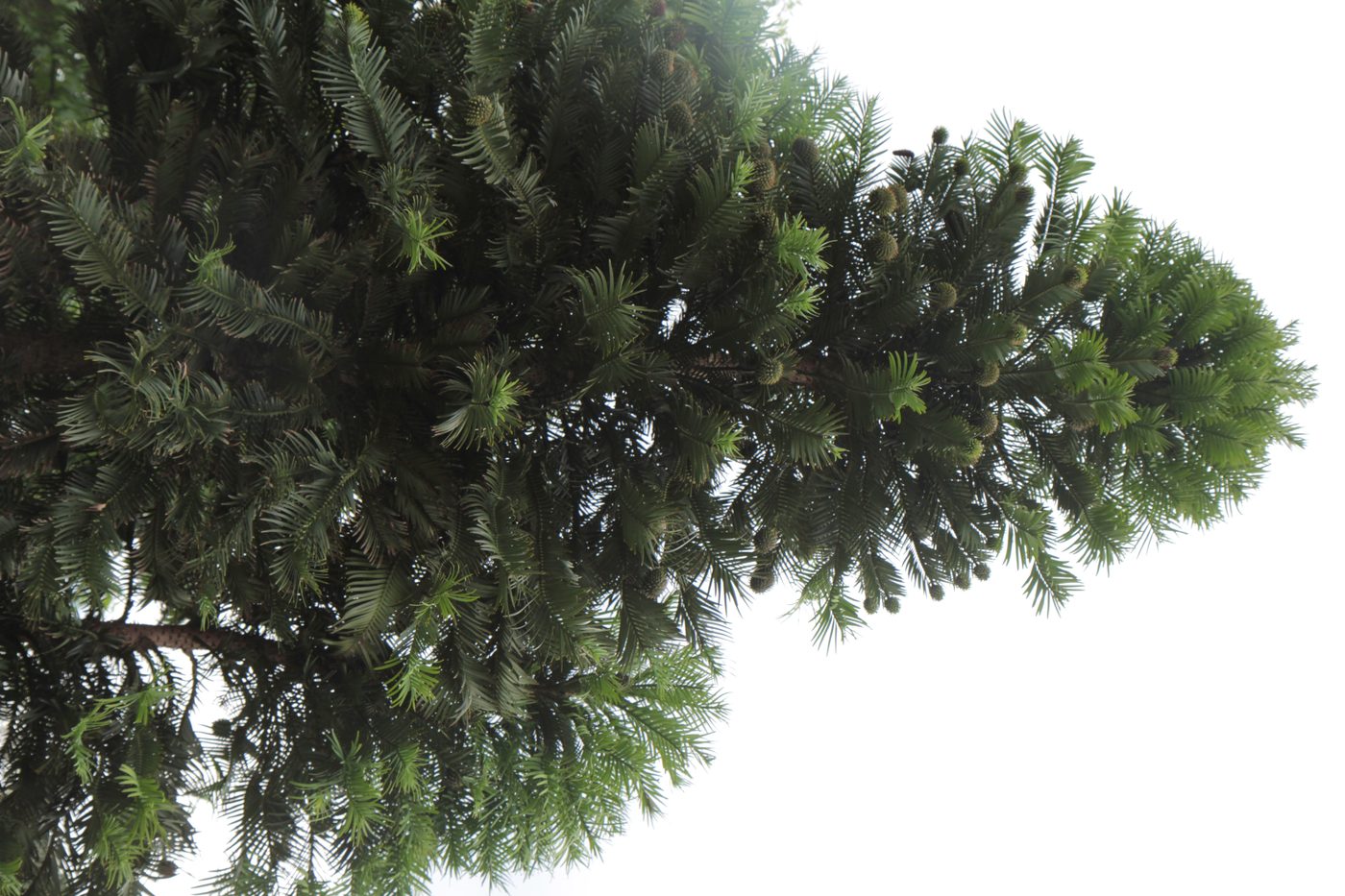
The NSW Government says unusual trees were found in Wollemi National Park, north-west of Sydney, in 1994. It describes the Wollemi pine as a conifer “from the time of the dinosaurs” and one of the world’s rarest plants, with its wild location kept secret to ensure its survival. A 2023 genome preprint by Dennis Stevenson and colleagues says the tree was presumed extinct until its rediscovery and had until then been known only from the fossil record, with fossils from South America, Antarctica, New Zealand and Australia dated from approximately 90 to 2.5 million years before present.
The preprint’s authors themselves call the tree morphologically unchanged since the Cretaceous and critically endangered, with less than 60 wild adults. That is the authors’ wording; none of the other sources here makes that claim.
The bottom line
The sources use the label in two ways. The Australian Museum and the Wollemi preprint apply it; the Science Learning Hub calls it inaccurate and misleading, and Cavin and Alvarez say part of the community working on coelacanths avoids it. Figures such as 390 million years or about 500 million years are the sources’ numbers for a lineage or for similar animals in the fossil record.
Sources
- Why Coelacanths Are Almost “Living Fossils”?, Cavin and Alvarez, Frontiers in Ecology and Evolution, 23 May 2022, read 27 October 2026 (frontiersin.org)
- Unless They’re Zombies, Fossils Don’t Live, Riley Black, National Geographic, 22 August 2012, read 27 October 2026 (nationalgeographic.com)
- Evolution in the Slow Lane, Riley Black, National Geographic, 7 October 2014, read 27 October 2026 (nationalgeographic.com)
- What is a nautilus?, NOAA National Ocean Service, read 27 October 2026 (oceanservice.noaa.gov)
- Chambered Nautilus, The Australian Museum, read 27 October 2026 (australian.museum)
- Tuatara, Science Learning Hub, University of Waikato, read 27 October 2026 (sciencelearn.org.nz)
- Royal Botanic Garden Wollemi Tree, NSW Government, read 27 October 2026 (nsw.gov.au)
- The genome of the Wollemi pine, a critically endangered “living fossil” unchanged since the Cretaceous, reveals extensive ancient transposon activity, Stevenson et al., bioRxiv preprint, 24 August 2023, PubMed Central, read 27 October 2026 (ncbi.nlm.nih.gov)