
Stories of animals that “survive anything” tend to drop the details. The details matter: what was done to the animal, in what state, and for how long. Five well-known cases follow, framed as the common belief and what the source says, with the conditions kept. Every page was read on 27 October 2026.
Belief: tardigrades can survive anything
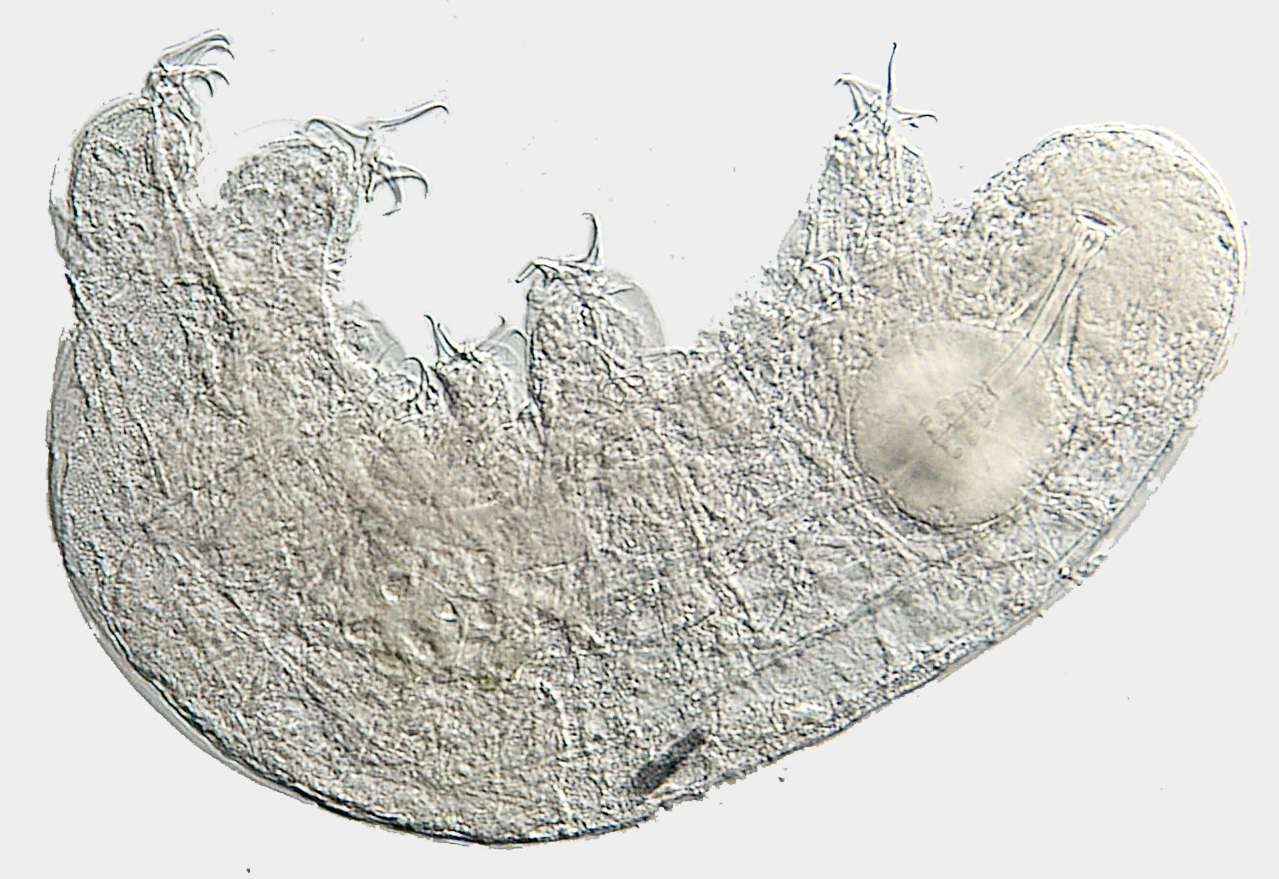
A 2008 Cell Press release on a study in Current Biology describes tardigrades, or water bears, as tiny invertebrates from 0.1 to 1.5 millimetres in size that are easily found on wet lichens and mosses. It calls the work the first time any animal had been tested for survival under open-space conditions. Dried-up tardigrades flew on the European Space Agency’s FOTON-M3 spacecraft, launched in September 2007, and were exposed to vacuum, solar ultraviolet radiation and cosmic radiation in a low Earth orbit at around 270 kilometres. After return, most survived exposure to vacuum and cosmic rays alone, and some survived solar UV levels the release puts at more than 1,000 times those at the surface. Survivors could reproduce. The release says tardigrades are very resistant to drying out, and that the researchers called the survival of that UV dose a mystery. The test used dried animals in one experiment, which is narrower than “anything”.
Belief: a frozen frog is a dead frog
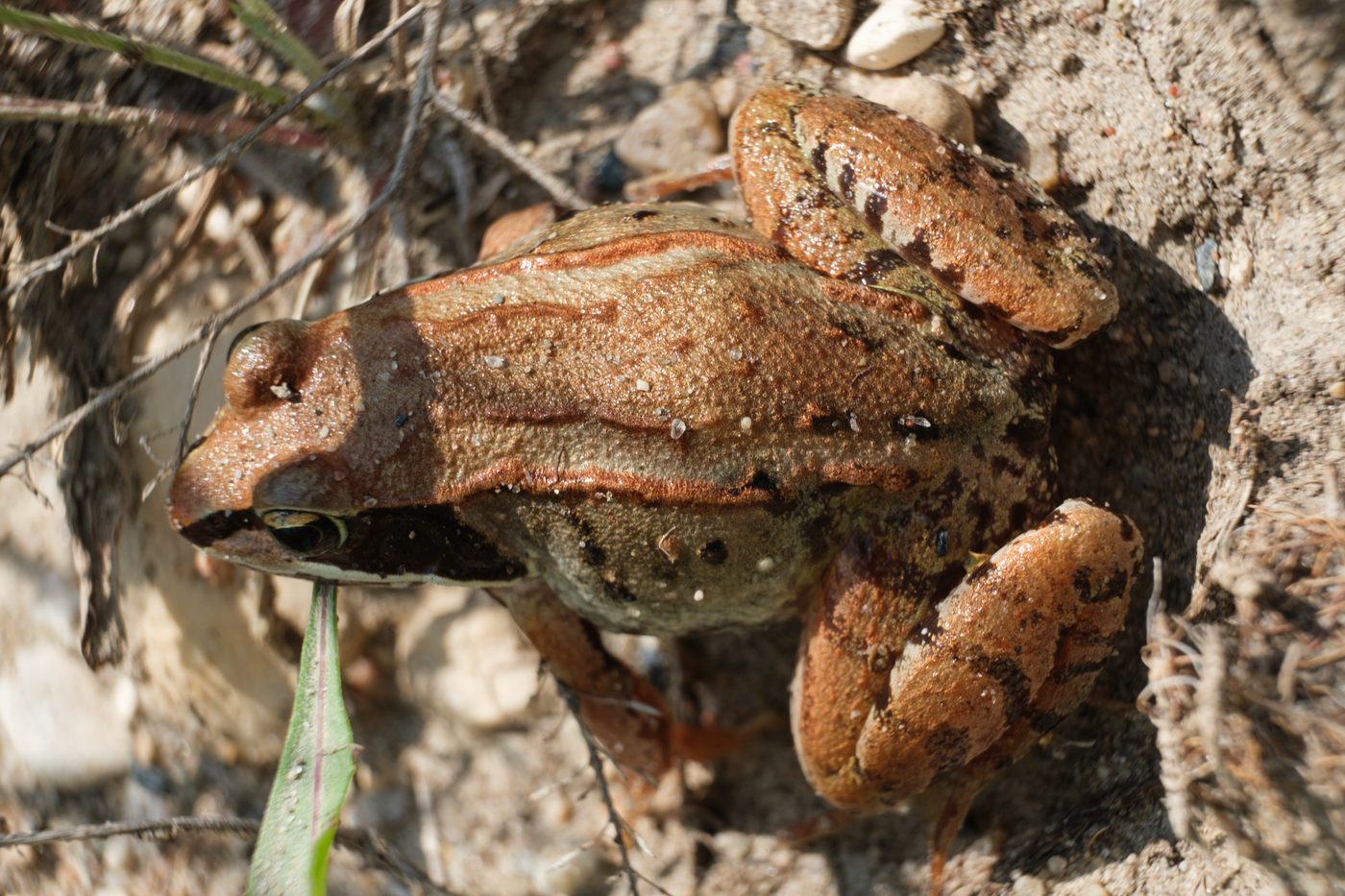
The Wildlife Conservation Society says up to about two thirds of the water in a wood frog’s body can turn to ice and the frog will still awaken in spring. It says wood frogs hibernate close to the soil’s surface rather than burrowing deep, and that the first heavy rains of spring are their cue to re-emerge. The frogs use compounds such as urea and glucose to prevent water loss from cells, and their cells can keep functioning while the blood freezes solid. The page does not describe how the freezing was measured. National Geographic, in 2022, adds that the liver pumps out large amounts of glucose that acts like antifreeze, and that wood frogs in Alaska will freeze down to negative 5 degrees Fahrenheit.
Belief: warm-blooded animals cannot go below freezing
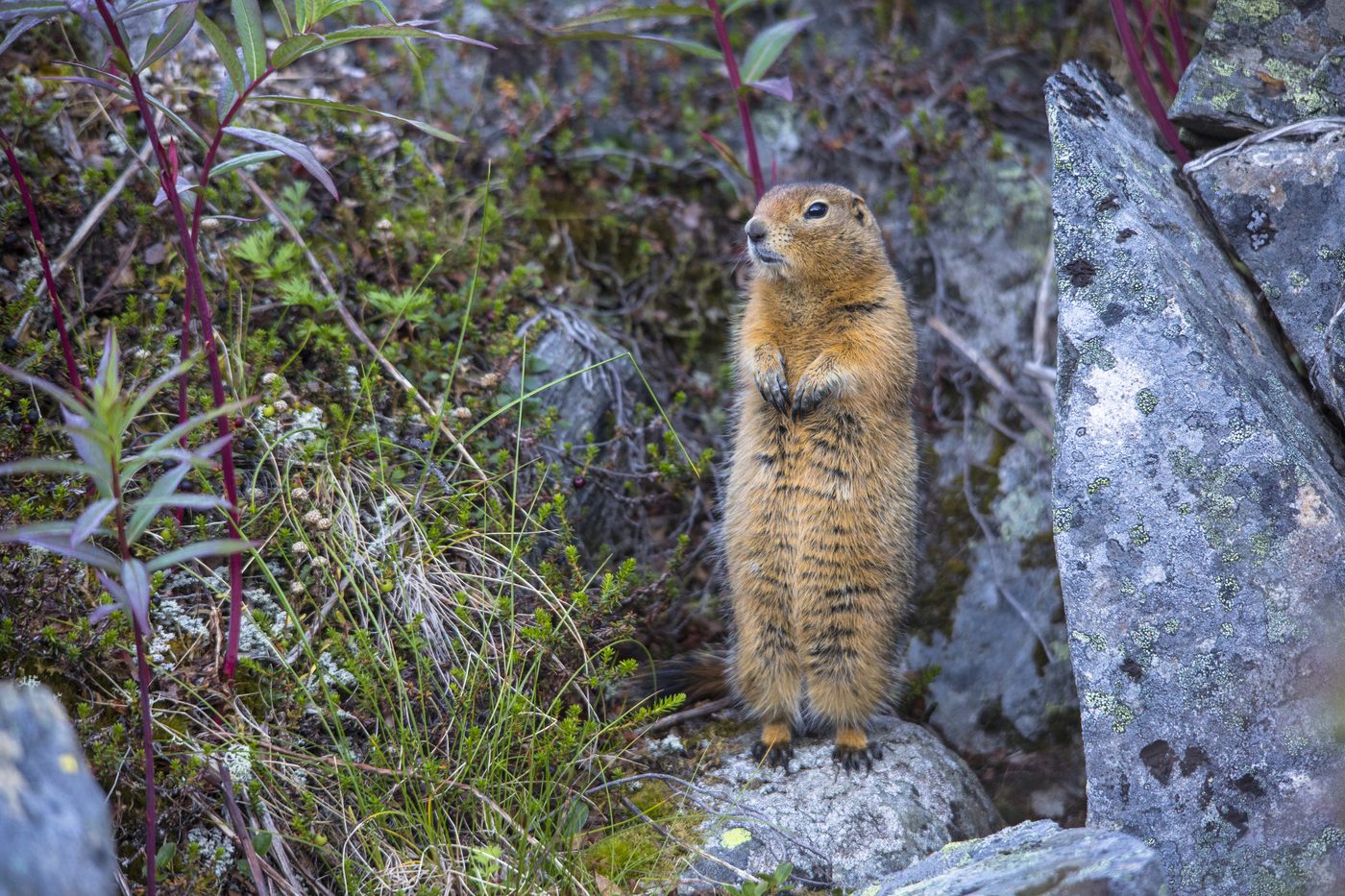
The University of Alaska Fairbanks says Brian Barnes found in the late 1980s that Arctic ground squirrels allow their body fluids to supercool below freezing point while nearly all metabolic activity shuts down. Transmitters implanted in squirrels hibernating outdoors showed core body temperatures several degrees below freezing during torpor, without harm. The page adds that the squirrels warm up every few weeks and that without regular warming they die. It calls them the only warm-blooded animal known to endure subfreezing body temperatures.
Belief: huddling is the whole story for emperor penguins
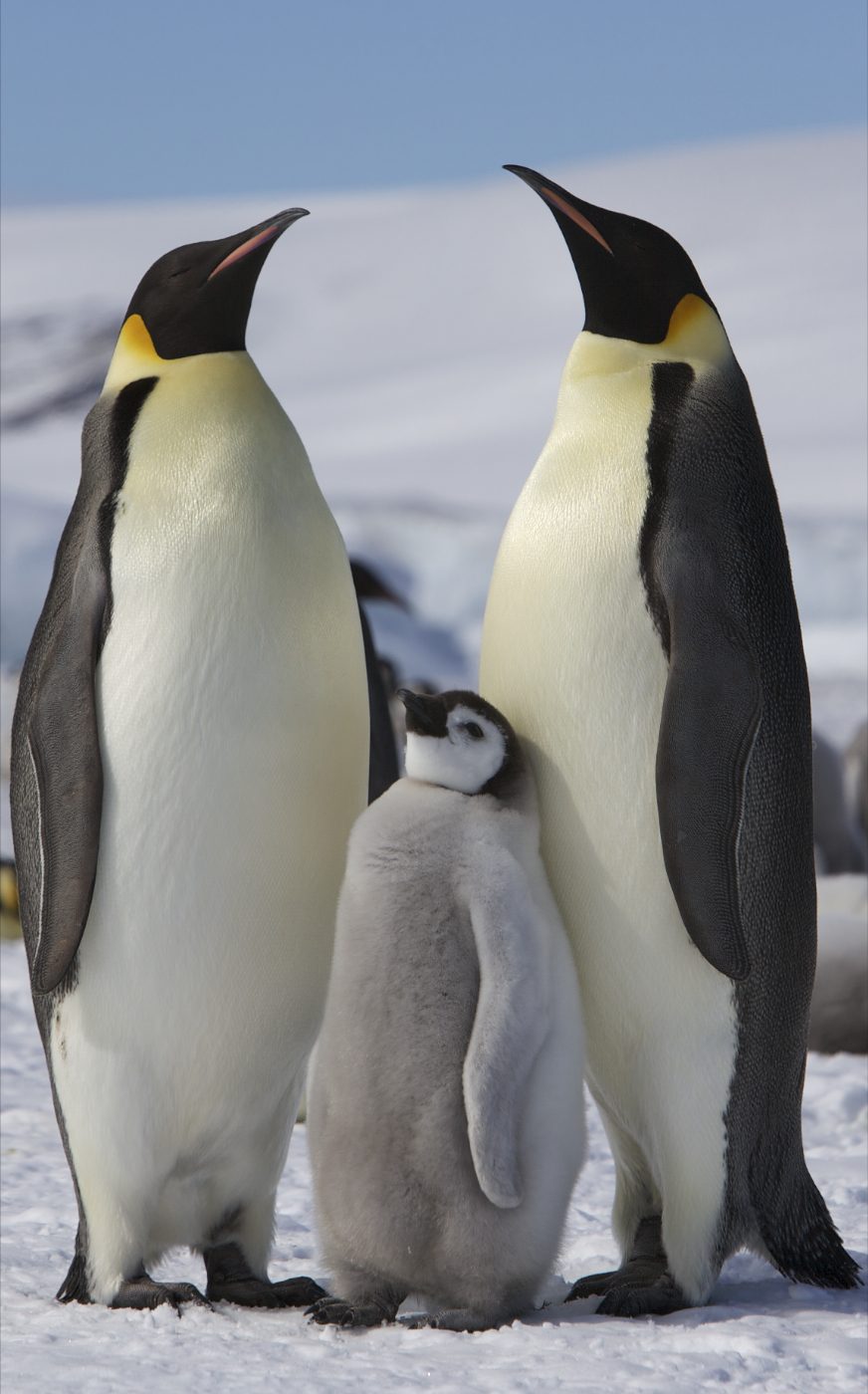
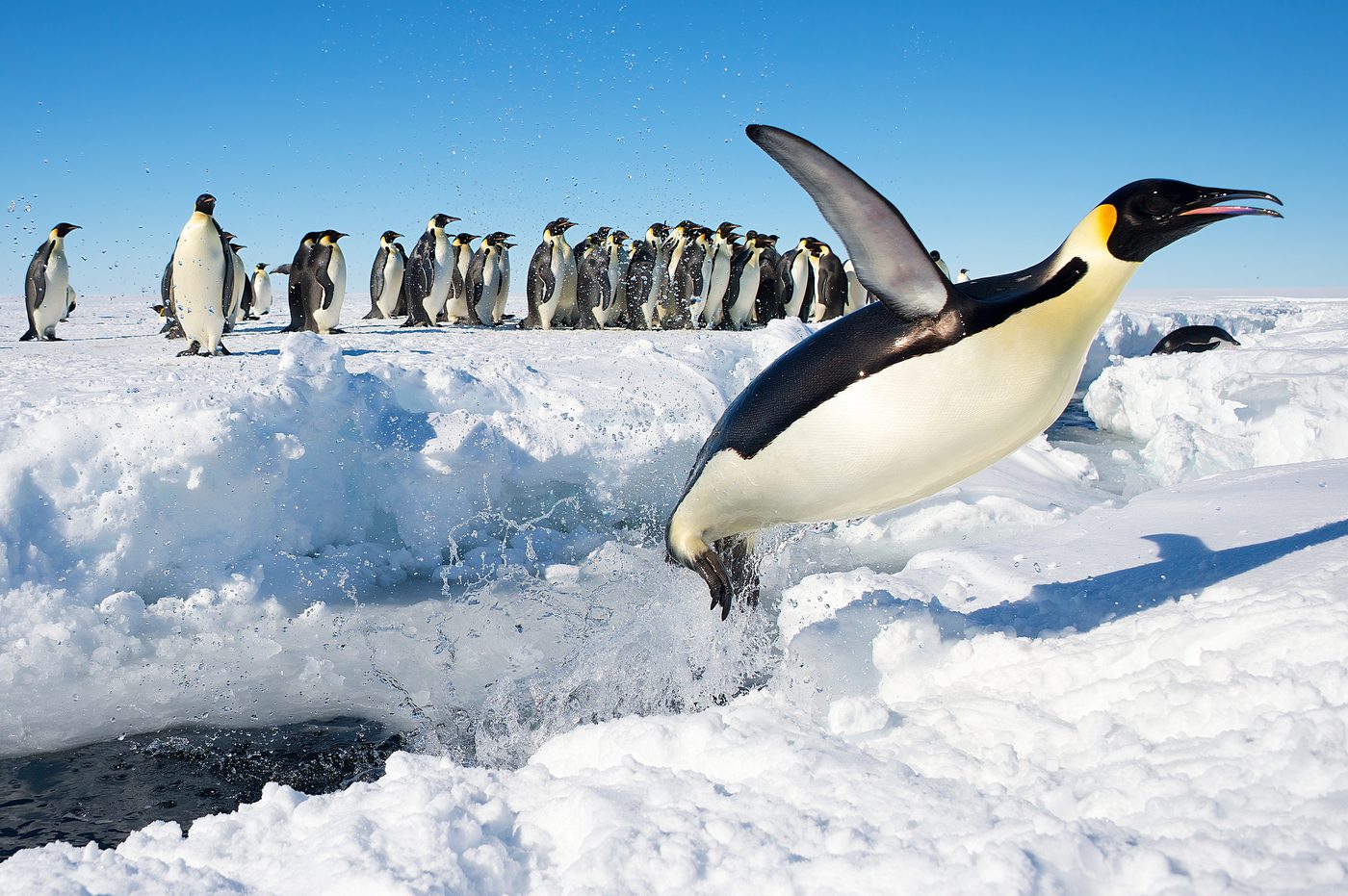
The Australian Antarctic Program says emperor penguins are the only animals that breed during the Antarctic winter, and that only the males incubate. Its page lists several adaptations alongside huddling: several layers of scale-like feathers, which take winds of over 60 knots to ruffle, small bills and flippers, nasal chambers that recover heat from exhalation, large fat reserves and low winter activity. It also says blood is pre-cooled on the way to the feet, wings and bill and warmed on the way back to the heart, and that special fats in the feet prevent them from freezing. Huddling is described as one of the survival mechanisms, not the only one.
Belief: every desert animal needs a water source
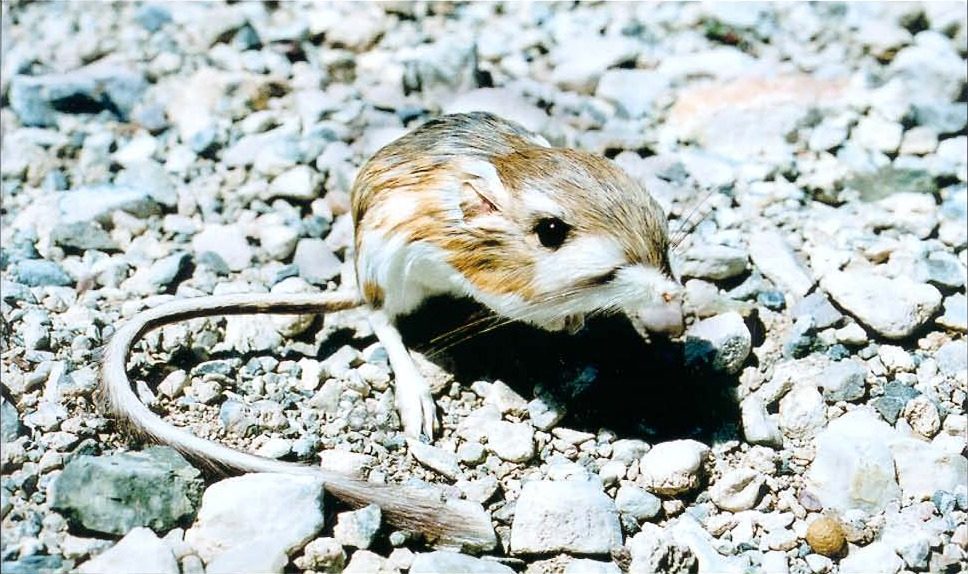
The National Park Service’s White Sands page says kangaroo rats are so well adapted that they rarely, if ever, drink water, getting what they need from the dry seeds they eat. A second NPS page, for Organ Pipe Cactus National Monument, words it differently: a kangaroo rat has almost no need for liquid water, and can extract half a gram of water from every gram of seeds. Both describe urine that is highly concentrated, and the White Sands page adds specialised nasal passages that cut water lost in exhalation. The two pages differ on “rarely” versus “almost no need”.
The bottom line
Each of these abilities has a boundary set by the source: dried tardigrades in one orbital experiment, partial freezing in wood frogs, supercooling in Arctic ground squirrels, several winter adaptations in emperor penguins and a seed-based water supply in kangaroo rats. Each is reported for the named animal under the stated conditions, and none is claimed here for other species.
Sources
- ‘Water Bears’ Able To Survive Exposure To Vacuum Of Space, Cell Press release on Jönsson and others, Current Biology, ScienceDaily, 9 September 2008, read 27 October 2026 (sciencedaily.com)
- The Frog That Can Freeze, Wildlife Conservation Society, 17 December 2020, read 27 October 2026 (blog.wcs.org)
- These animals can freeze solid in winter. Here’s how they survive., National Geographic, 17 November 2022, read 27 October 2026 (nationalgeographic.com)
- Arctic ground squirrels are supercooled, University of Alaska Fairbanks Centennial, read 27 October 2026 (uaf.edu)
- Emperor penguin, Australian Antarctic Program, read 27 October 2026 (antarctica.gov.au)
- Kangaroo Rats, National Park Service, White Sands National Park, last updated 27 August 2020, read 27 October 2026 (nps.gov)
- Kangaroo Rat, National Park Service, Organ Pipe Cactus National Monument, last updated 6 October 2023, read 27 October 2026 (nps.gov)