
Loudest-animal lists are easy to write and hard to get right, because decibels are not one scale. A 2021 paper by Jakobsen and colleagues at the University of Southern Denmark, in Frontiers in Ecology and Evolution, compiled the loudest measured animals in air and in water. It notes that the reference pressure is typically 20 µPa in air and 1 µPa in water, so the same absolute pressure reads 26 dB higher on the water scale. The figures below are source levels, which the paper defines at a distance from the animal, one metre by convention. All pages were read on 27 October 2026.
| Animal | Medium | Figure as compiled | Measurement credited to |
|---|---|---|---|
| Sperm whale | Water | Up to 239 dB peak re 1 µPa at 1 m | Mohl and colleagues, 2003 |
| Fin whale | Water | 203 dB peak re 1 µPa at 1 m | Wang and colleagues, 2016 |
| Blue whale | Water | 199 dB peak re 1 µPa at 1 m | Sirovic and colleagues, 2007 |
| Pistol shrimp (Synalpheus parneomeris) | Water | 183 dB peak re 1 µPa at 1 m | Au and Banks, 1998 |
| White bellbird | Air | 125 dB peak re 20 µPa at 1 m | Podos and Cohn-Haft, 2019 |
Sperm whale: clicks reaching 239 dB, in water terms
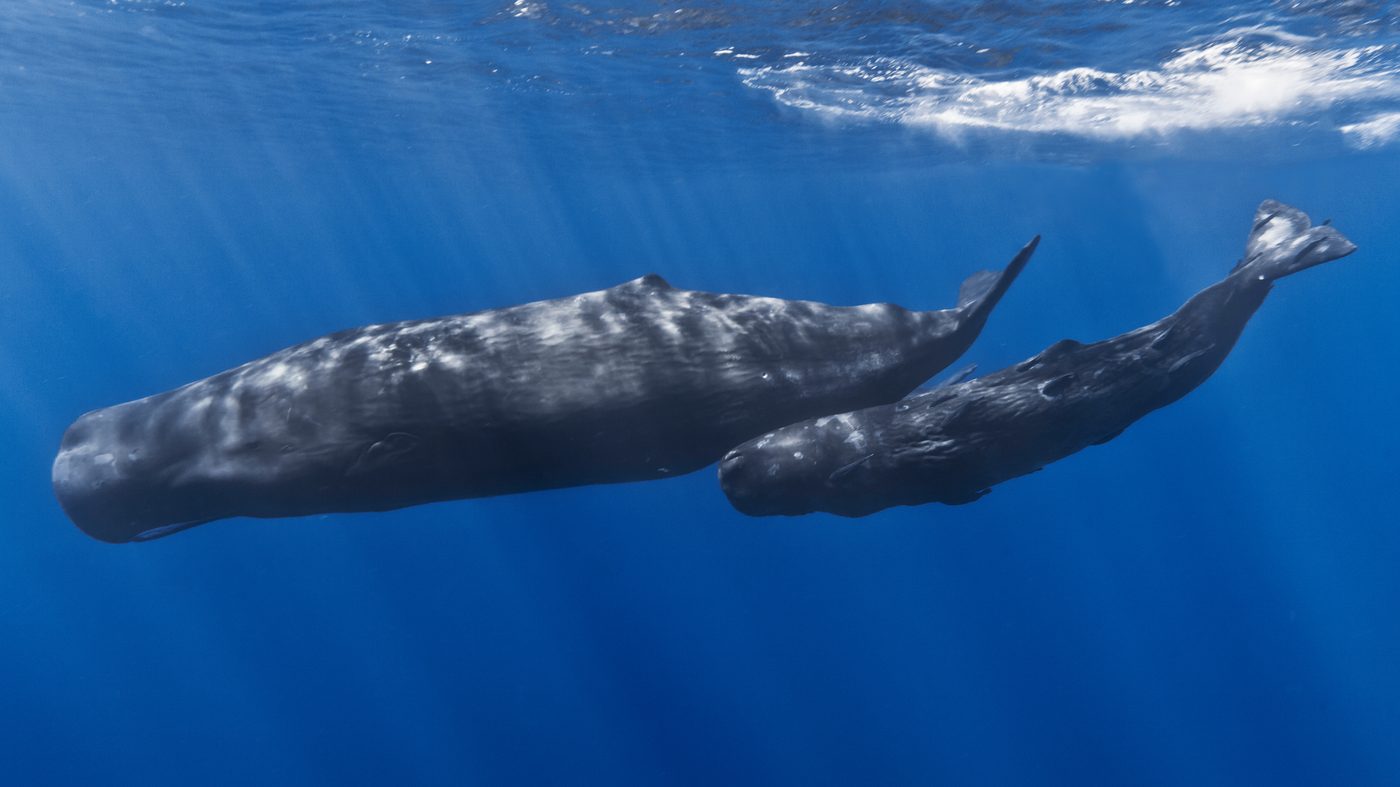
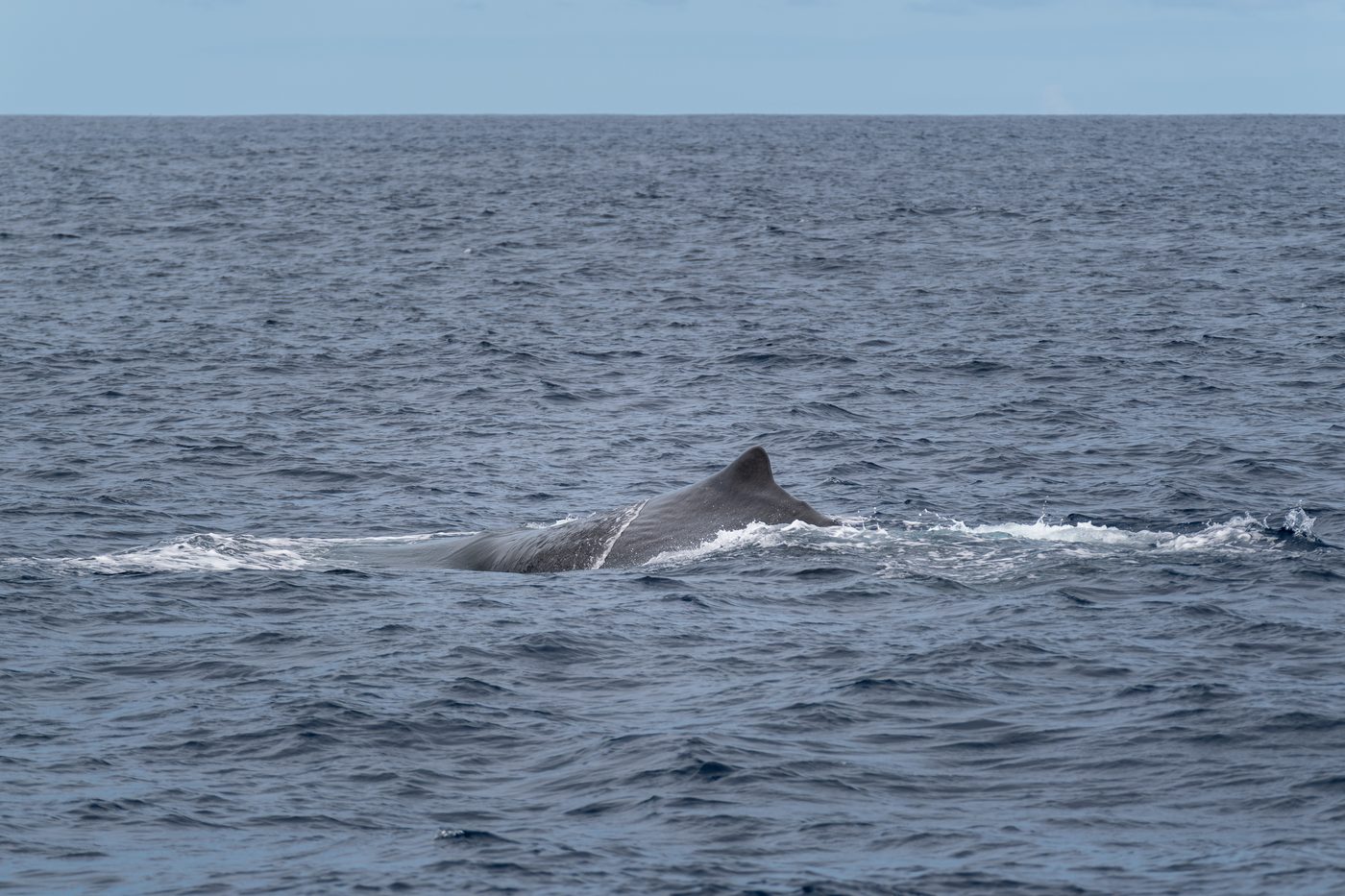
Jakobsen and colleagues call toothed whales by far the loudest group of animals in water. The sperm whale emits echolocation clicks with source levels up to 239 dB peak re 1 µPa at 1 m, which the paper converts to 900,000 pascals peak at 1 m. The paper adds that both the sperm whale and the pistol shrimp reach the cavitation limit in water, a physical ceiling on how loud a sound can get there. To avoid confusion, the paper states the dB scale with every figure.
Fin and blue whales: loud calls, lower peak levels
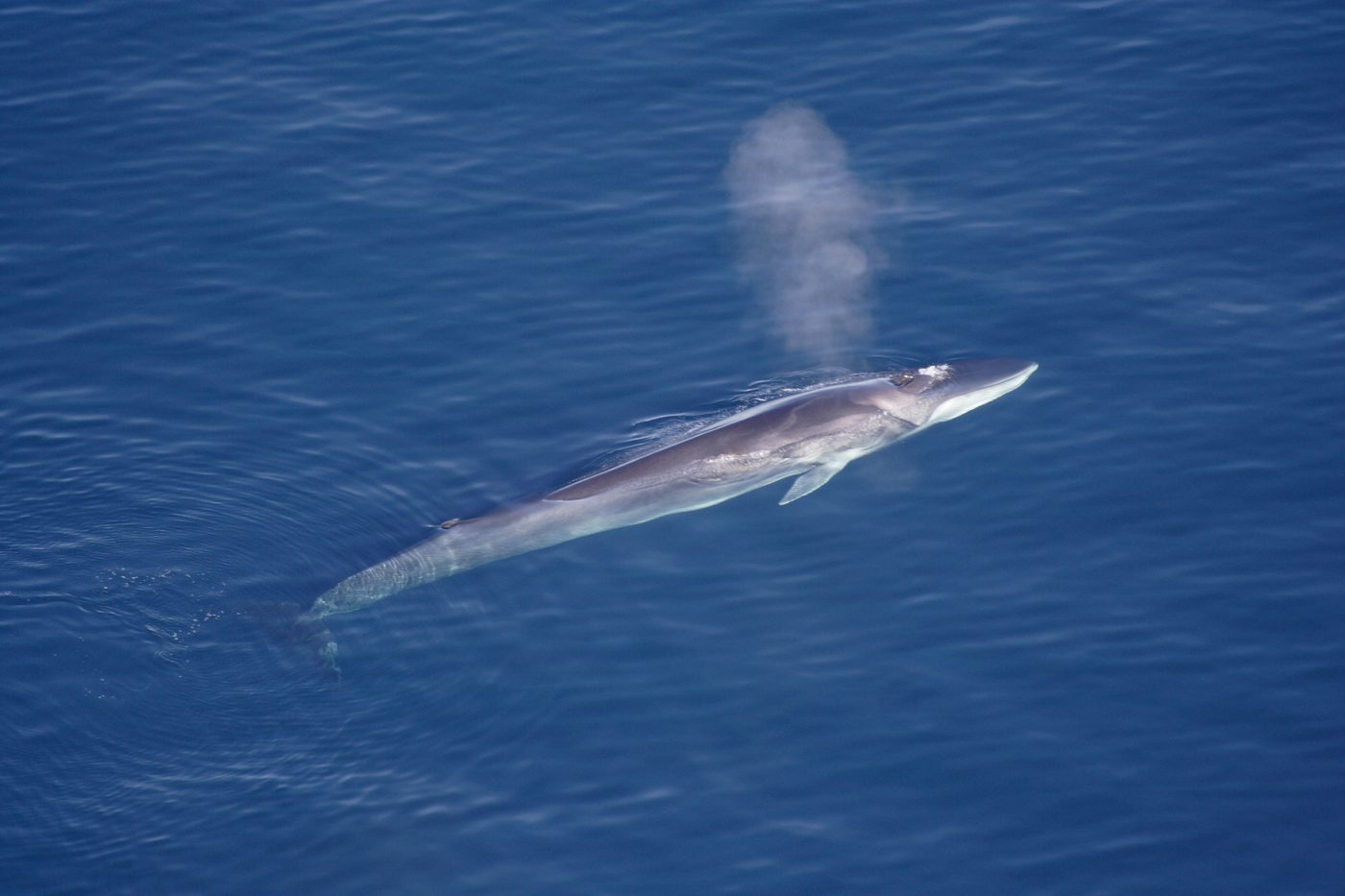
The same compilation names the fin whale as the loudest baleen whale, at 203 dB peak re 1 µPa at 1 m, and lists the blue whale at 199 dB peak re 1 µPa at 1 m. NOAA Fisheries says blue whales are among the loudest animals on the planet, emitting a series of pulses, groans and moans, and that it is thought that in the right oceanographic conditions their sounds can be heard by other whales up to 1,000 miles away. NOAA’s own wording is “it is thought”.
Pistol shrimp: a claw that fires a bubble
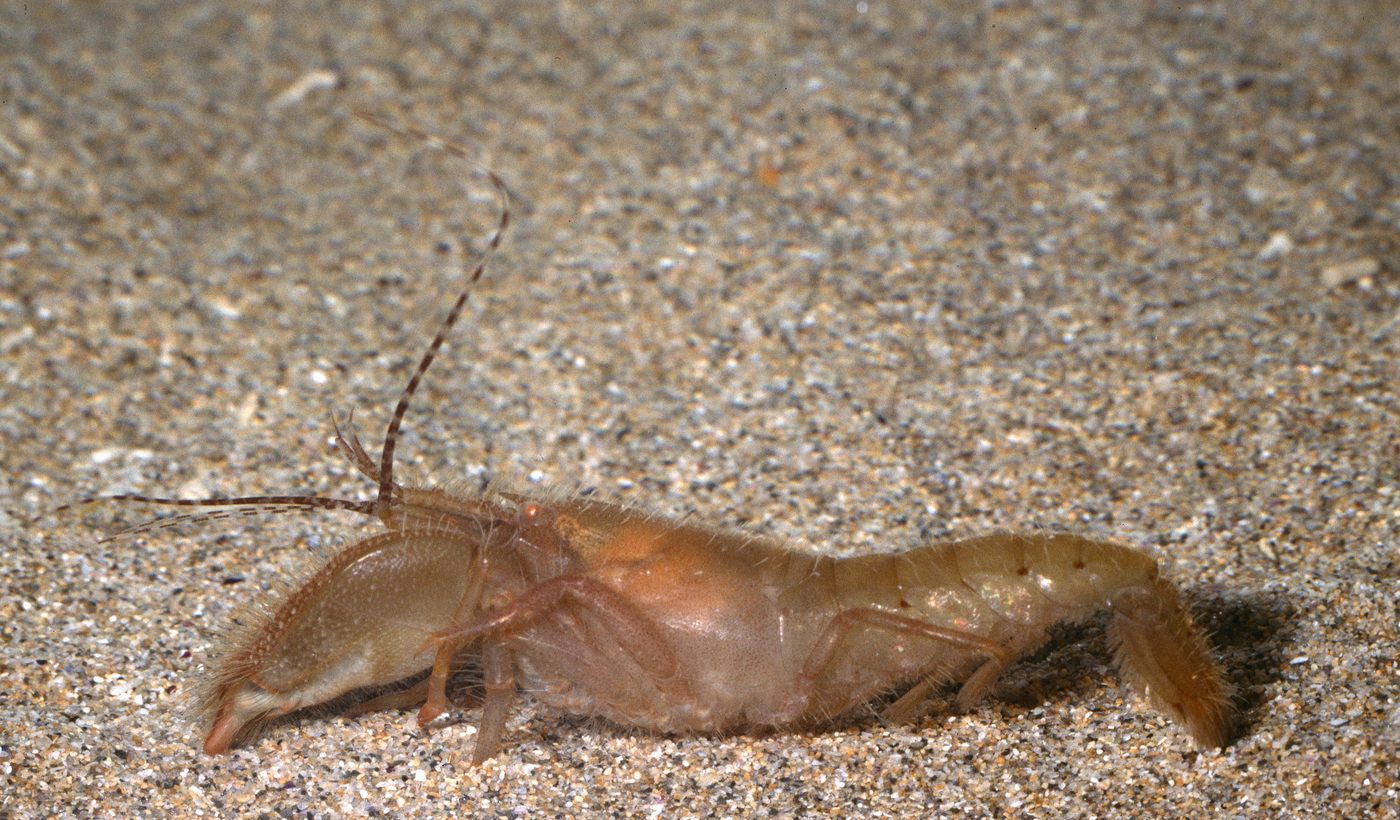
The Jakobsen paper gives the pistol shrimp Synalpheus parneomeris a source level of 183 dB peak re 1 µPa at 1 m, from Au and Banks (1998). It describes the mechanism: rapid closure of the claw pushes a plunger into a socket and creates an outward water jet fast enough that a cavitation bubble forms, and the implosion of that bubble creates the loud snapping sound. The photograph shows a different snapping shrimp, Alpheus villosus.
White bellbird: the loudest bird song documented, says the 2019 study
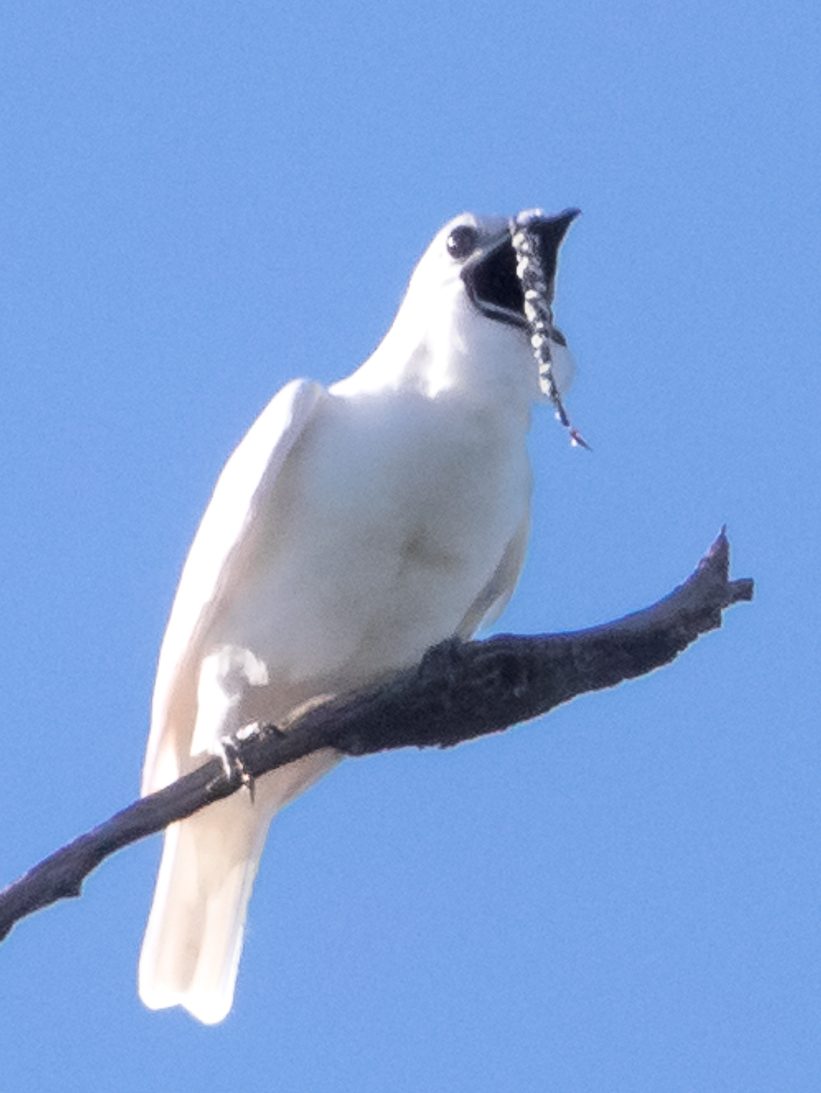
Reporting in Current Biology on 21 October 2019, Jeff Podos of the University of Massachusetts Amherst and Mario Cohn-Haft of Brazil’s National Institute of Amazonian Research recorded male white bellbirds with a new type of sound level meter. Discover magazine says the song males sing most often can reach 116 decibels and the version sung to females can reach 125 decibels, from within 13 feet. Sci-News reports a peak of up to 125.4 dB, about three times the sound pressure of the screaming piha, the previous record bird.
Podos said it is hard to compare vocalisations among species, and the researchers wondered how females listen at close range without damaging their hearing. Jakobsen and colleagues list elephants and bats as runners-up in air at 120 dB peak re 20 µPa at 1 m.
Howler monkeys: measured by distance, not decibels
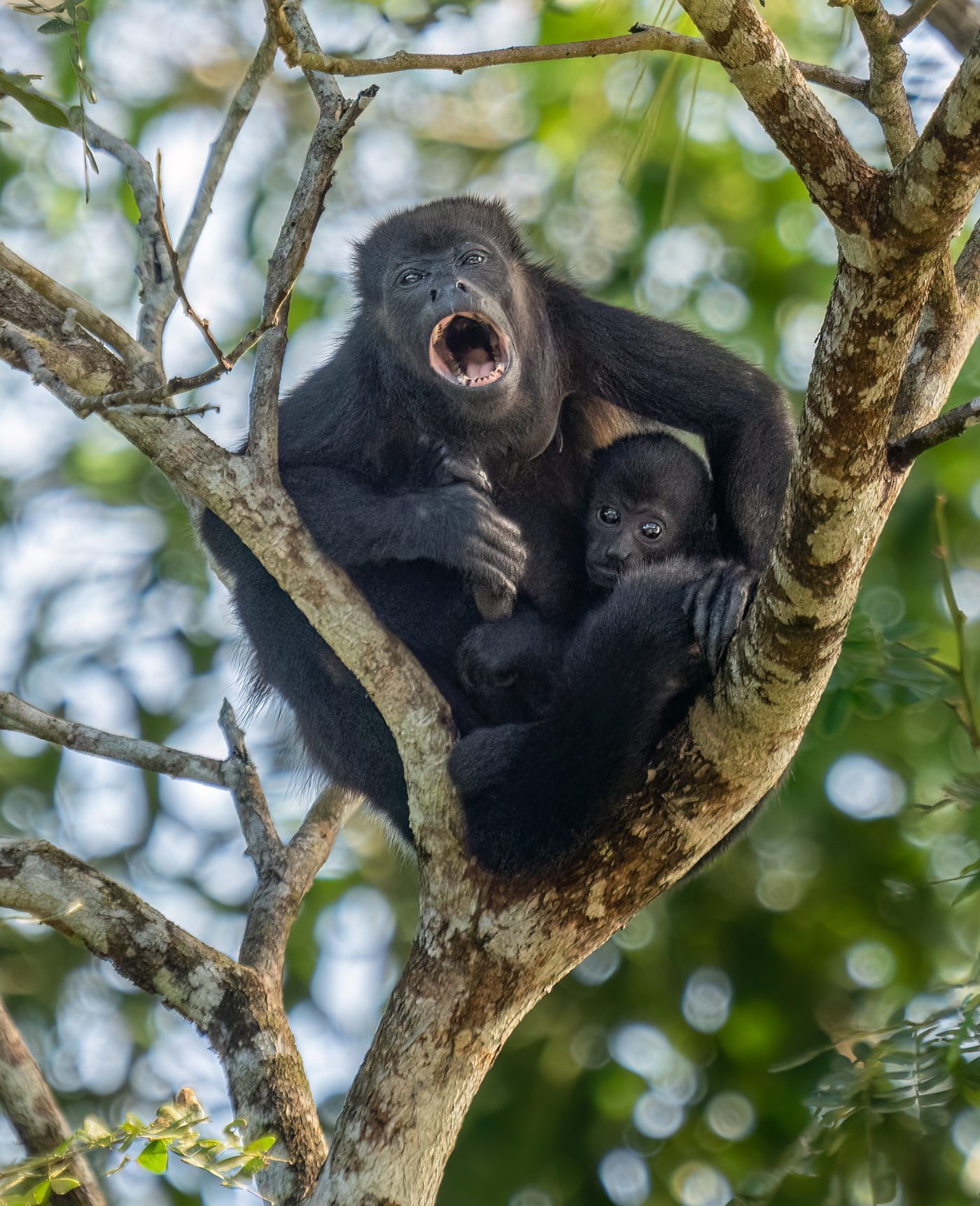
Howler monkeys are usually cited for how far they carry. NPR’s 2008 report from Guatemala, with biologist Greg Budney, says that when several black howlers get together to roar they can be heard from three miles away, and that males have a large throat sac they expand when they vocalise. That is a distance claim from one report, not a source level. Podos said howler monkey calls are quite loud but not nearly as loud as the bellbirds, according to Sci-News.
The bottom line
No single number settles which animal is loudest. The water figures sit on a different scale from the air figures, and the sources here mix peak levels, estimated source levels and distance claims. Within each medium, the compilation places the sperm whale at the top in water and the white bellbird at the top in air.
Sources
- How Loud Can you go? Physical and Physiological Constraints to Producing High Sound Pressures in Animal Vocalizations, Jakobsen and others, Frontiers in Ecology and Evolution, 21 May 2021, read 27 October 2026 (frontiersin.org)
- Blue Whale, NOAA Fisheries, read 27 October 2026 (fisheries.noaa.gov)
- White Bellbird Has Loudest Songs in Avian Kingdom: Study, Sci-News, read 27 October 2026 (sci.news)
- Scientists in the Amazon Have Recorded the World’s Loudest Bird, Discover Magazine, 21 October 2019, read 27 October 2026 (discovermagazine.com)
- Hear Them Roar: Noisy New World Monkeys, NPR, 28 July 2008, read 27 October 2026 (npr.org)