
Parenting in the animal world can look like an endurance event. Six cases are taken here as questions, with each behaviour and number credited to the page that gives it, and no motives added that the page does not state. All pages were read on 27 October 2026.
Who keeps the egg warm through an Antarctic winter?
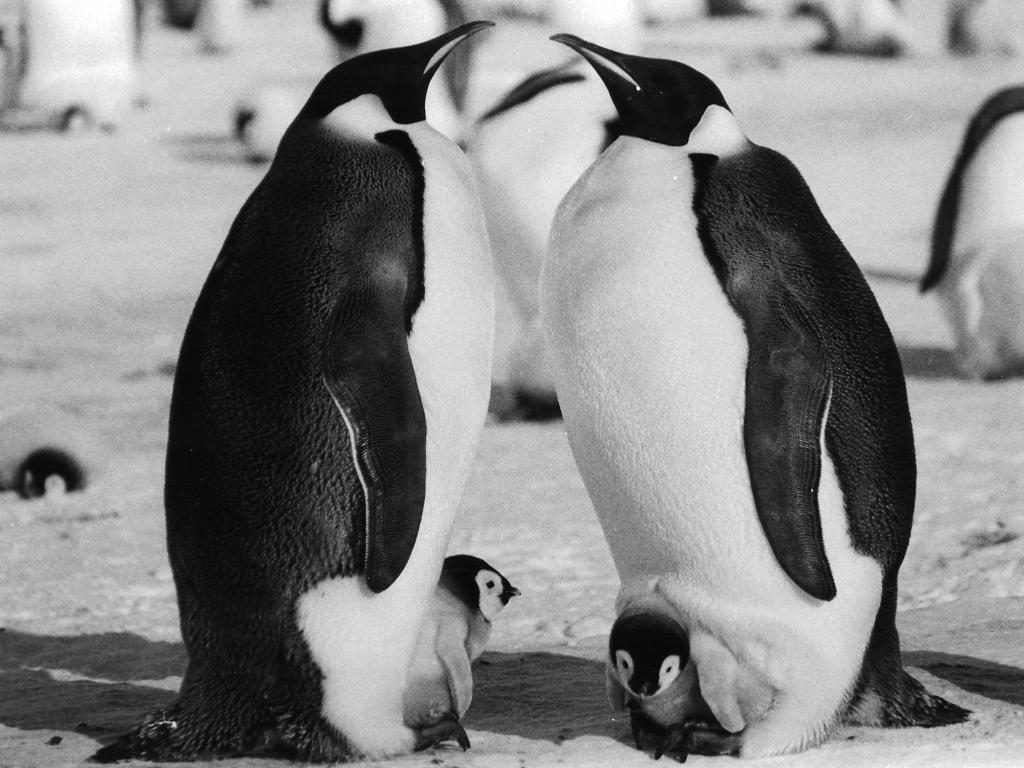
The Australian Antarctic Program says the female emperor penguin leaves the colony over winter and gives the egg to her partner, who puts it on his feet and covers it with a skin fold. That keeps the egg at about 38 °C while outside temperatures can drop well below −35 °C. The males huddle in winter storms. The program says it takes 65 to 75 days for the eggs to hatch, and by the time the chicks appear their fathers have fasted for 4 months, relying on body fat laid down in summer. When the females return in July, it says, the males have lost nearly half their body mass.
Which fathers carry the pregnancy?
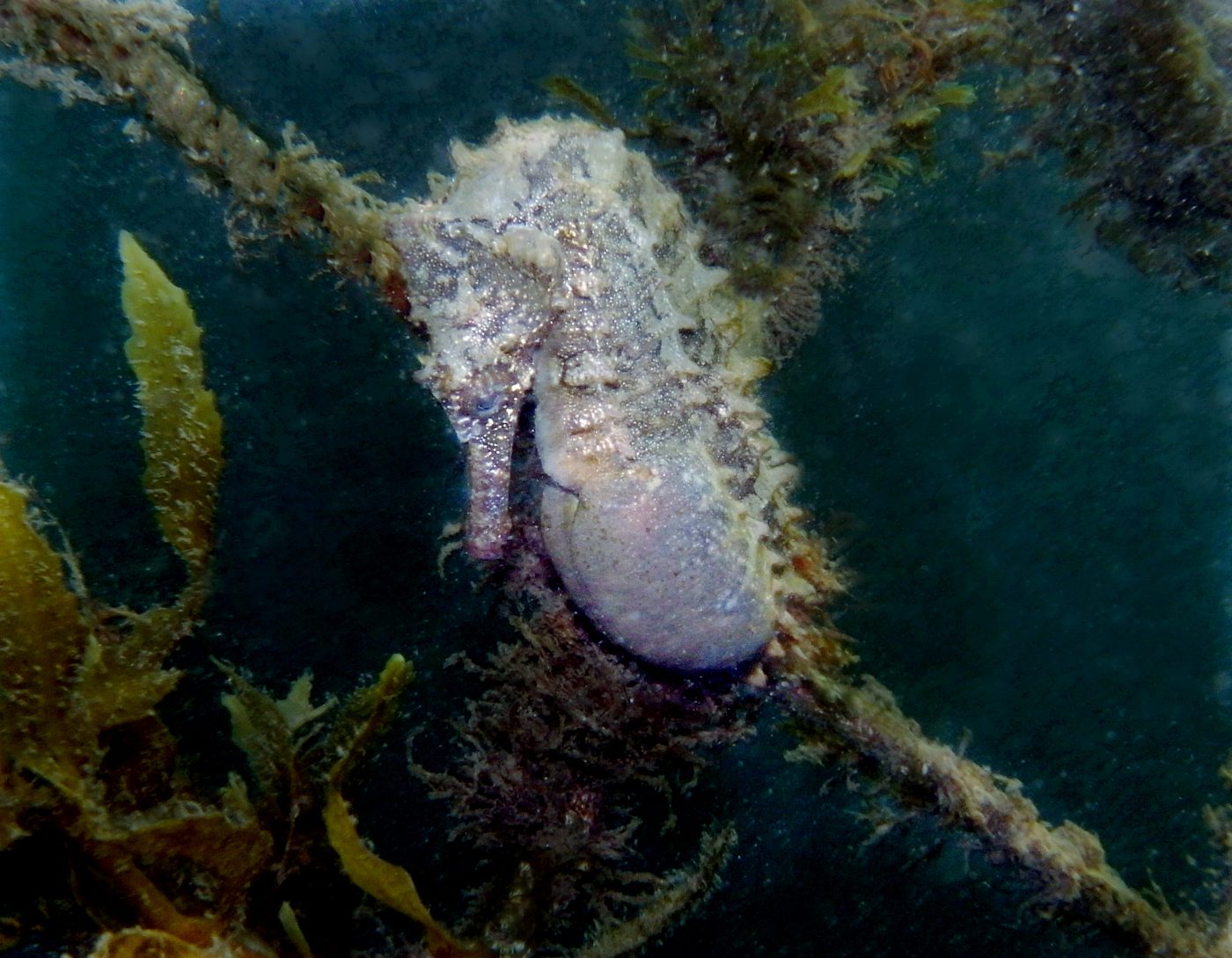
Project Seahorse says a female seahorse transfers eggs to a male’s enclosed brood pouch, where he fertilises them. The embryos settle into the pouch tissue, and Project Seahorse says they are provided with oxygen through a capillary network and nutrition through a placental fluid. Male pregnancy lasts about 10 days to six weeks depending on the species and water temperature. At the end, it says, the male goes into labour, pumping and thrusting for hours. He may release anywhere from a very few to several thousand young, depending on the species, and the young of most species measure 8 to 10 mm.
Whose back doubles as a nursery?

According to the San Diego Zoo, a female Surinam toad releases 60 to 100 eggs, and the male fertilises them and pushes them onto her back, where they stick to her skin. Over the next few days her skin grows up and around the eggs, forming a honeycomb of pockets. The young ride on her back for three to four months, the zoo says, and the fully formed toadlets then push and squirm to loosen her skin and pop out. NOVA describes this as a parental care strategy that mothers use to keep their babies safe until they are ready to start life on their own.
Which father goes without food while carrying the eggs?
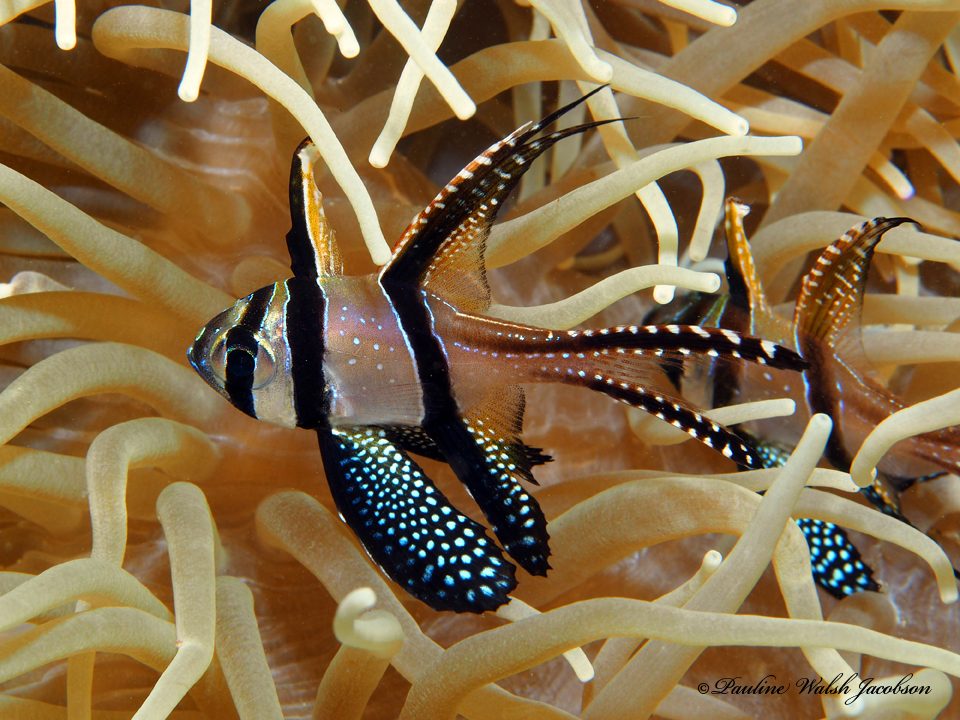
Georgia Aquarium says the Banggai cardinalfish is a paternal mouthbrooder: after the female spawns up to 75 eggs, the male holds and guards them in a pouch in his mouth. It says the eggs hatch in about 20 days and develop another 10 days before being released from the mouth. During that time, the aquarium says, the male does not eat, turns the eggs and expels dead eggs. PBS’s Nature series describes the father as fasting for nearly a month, and says the hatchlings stay inside his mouth because predators are around.
How long can a mother keep coming back to the same nest?
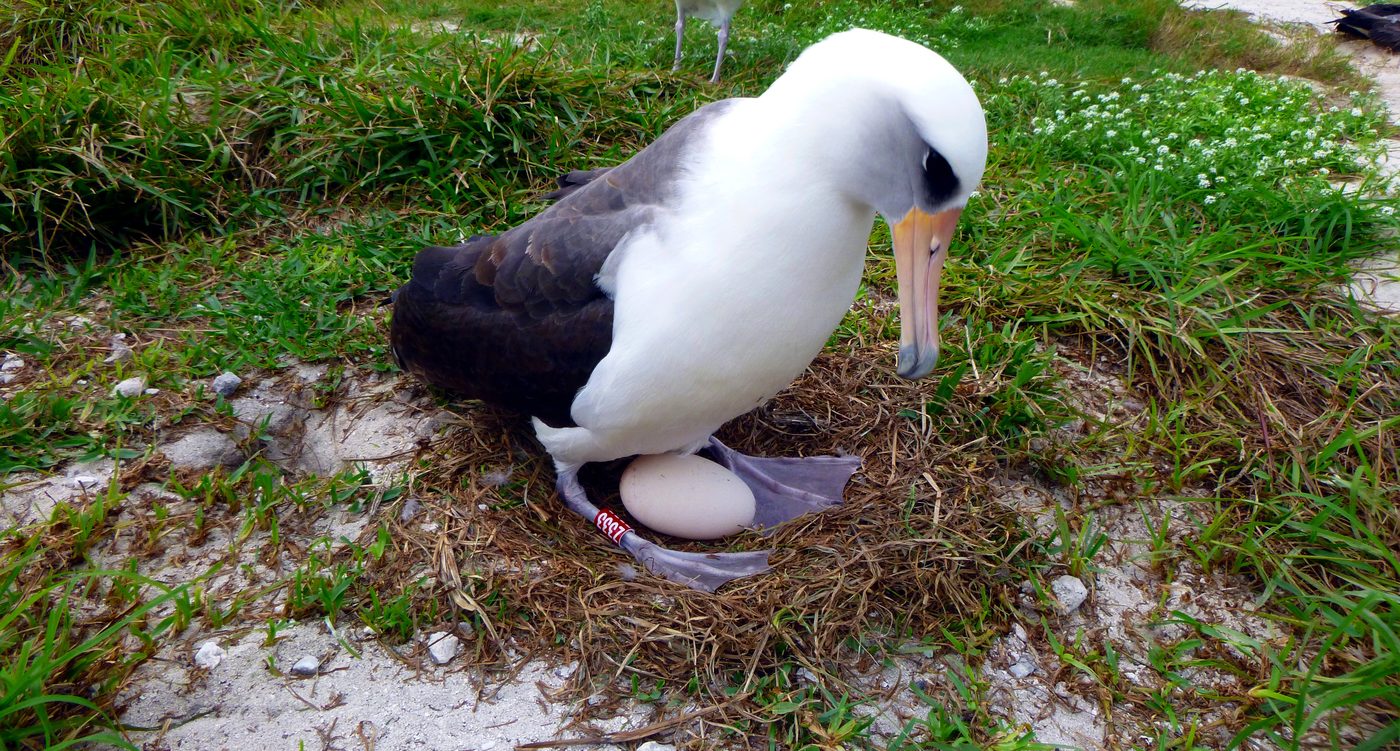
Audubon magazine’s 2021 profile of Wisdom, a Laysan albatross on Midway Atoll, calls her the oldest known wild bird on the planet. Naturalist Chandler Robbins first tagged her in 1956, when he found her incubating an egg, and Audubon says she is at least 70, because Laysan albatrosses do not nest before five years of age at the earliest. It describes her flying back to Midway that winter to build a nest for what might be her 39th egg. Audubon also says albatrosses incubate no more than one egg per year with a long-term mate, and a photo caption says she shares incubation duties with her mate, Akeakamai.
Which mothers wait longest between babies?
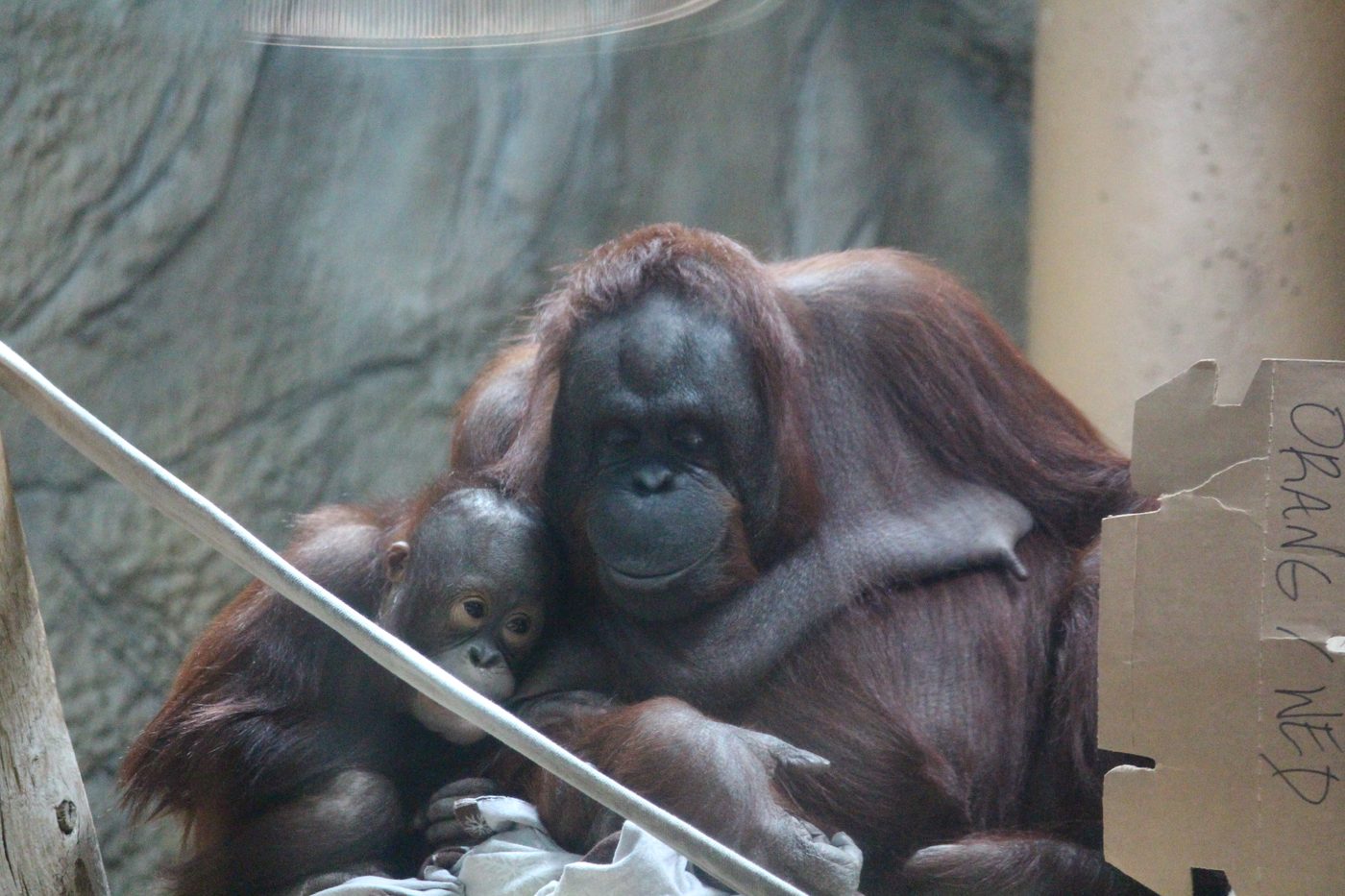
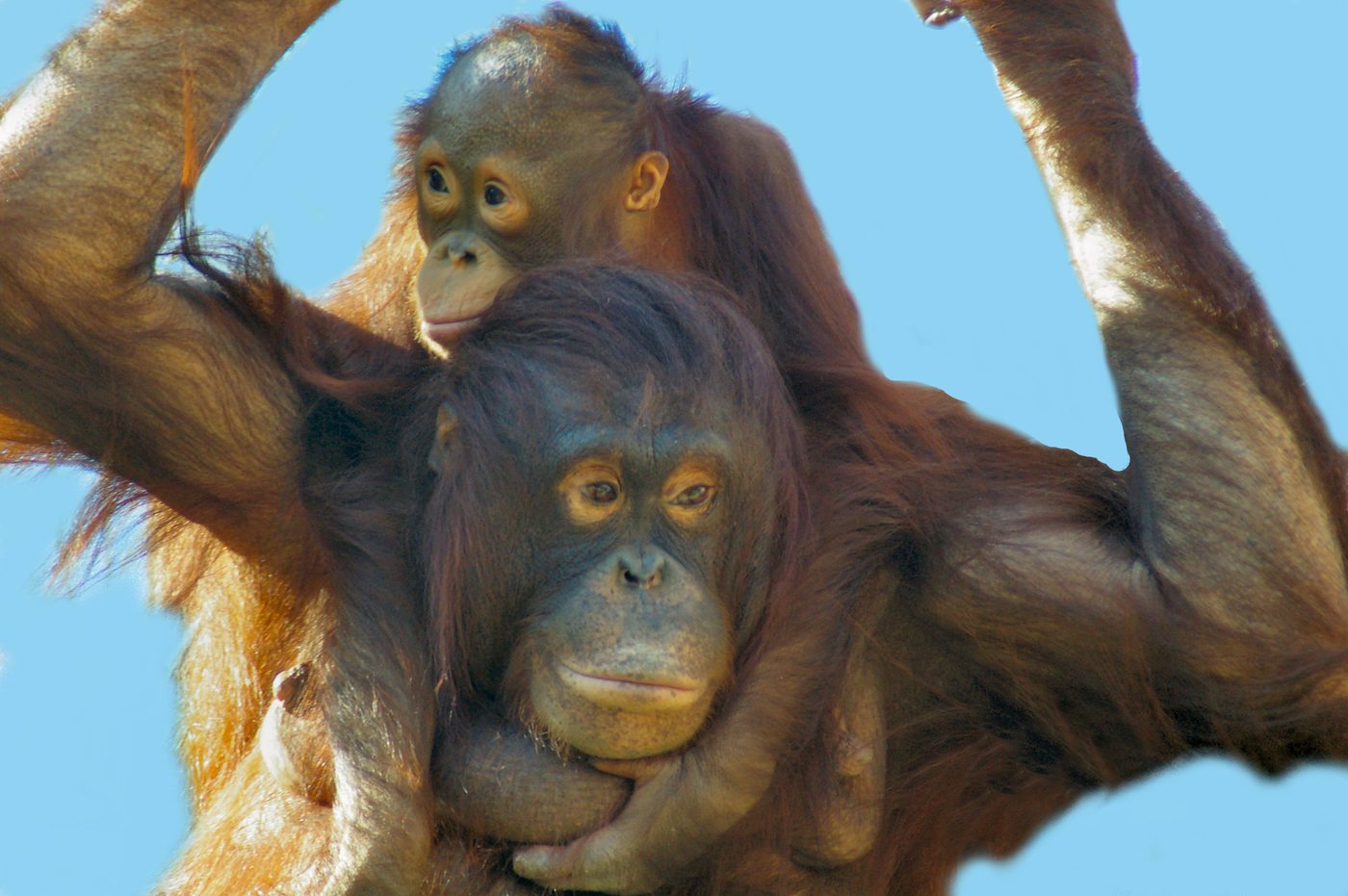
A 2018 Journal of Human Evolution paper says orangutans are reported to have the longest average interbirth intervals of all mammals. Combining birth data from seven field sites, each with at least 10 years of data collection, it found an average closed interbirth interval of 7.6 years. The authors also report that female survival to age at first birth, at around age 15, was 94 percent, higher than reported for any other mammal species under natural conditions. The Sumatran Orangutan Society says mothers typically wait 7 to 9 years before having another baby.
The bottom line
Each number above belongs to its own page: the penguin fast is the Australian Antarctic Program’s 4 months, the toad’s young stay on her back for three to four months according to the San Diego Zoo, the cardinalfish father’s fast is nearly a month on PBS, and the albatross count is Audubon’s “might be”. The sources describe what these animals do. They do not claim to know what the animals feel, and this article makes no such claim either.
Sources
- Emperor penguin breeding cycle, Australian Antarctic Program, undated, read 27 October 2026 (antarctica.gov.au)
- Reproduction, Project Seahorse, updated 10 June 2021, read 27 October 2026 (projectseahorse.org)
- Surinam Toad, San Diego Zoo Animals & Plants, undated, read 27 October 2026 (animals.sandiegozoo.org)
- How Surinam Toads Give Birth, NOVA, PBS, 9 July 2015, read 27 October 2026 (pbs.org)
- Banggai Cardinalfish, Georgia Aquarium, undated, read 27 October 2026 (georgiaaquarium.org)
- A Father Fish Starves to Protect His Young, Nature, PBS, clip dated 18 February 2026, read 27 October 2026 (pbs.org)
- Seventy Never Looked So Good: The Long, Wondrous Life of Wisdom the Albatross, Audubon magazine, Spring 2021, read 27 October 2026 (audubon.org)
- The slow ape: High infant survival and long interbirth intervals in wild orangutans, van Noordwijk et al., Journal of Human Evolution 125, December 2018 (abstract read via Semantic Scholar), read 27 October 2026 (api.semanticscholar.org)
- Do Human Pregnancy Tests Work on Orangutans?, Sumatran Orangutan Society, undated, read 27 October 2026 (orangutans-sos.org)