
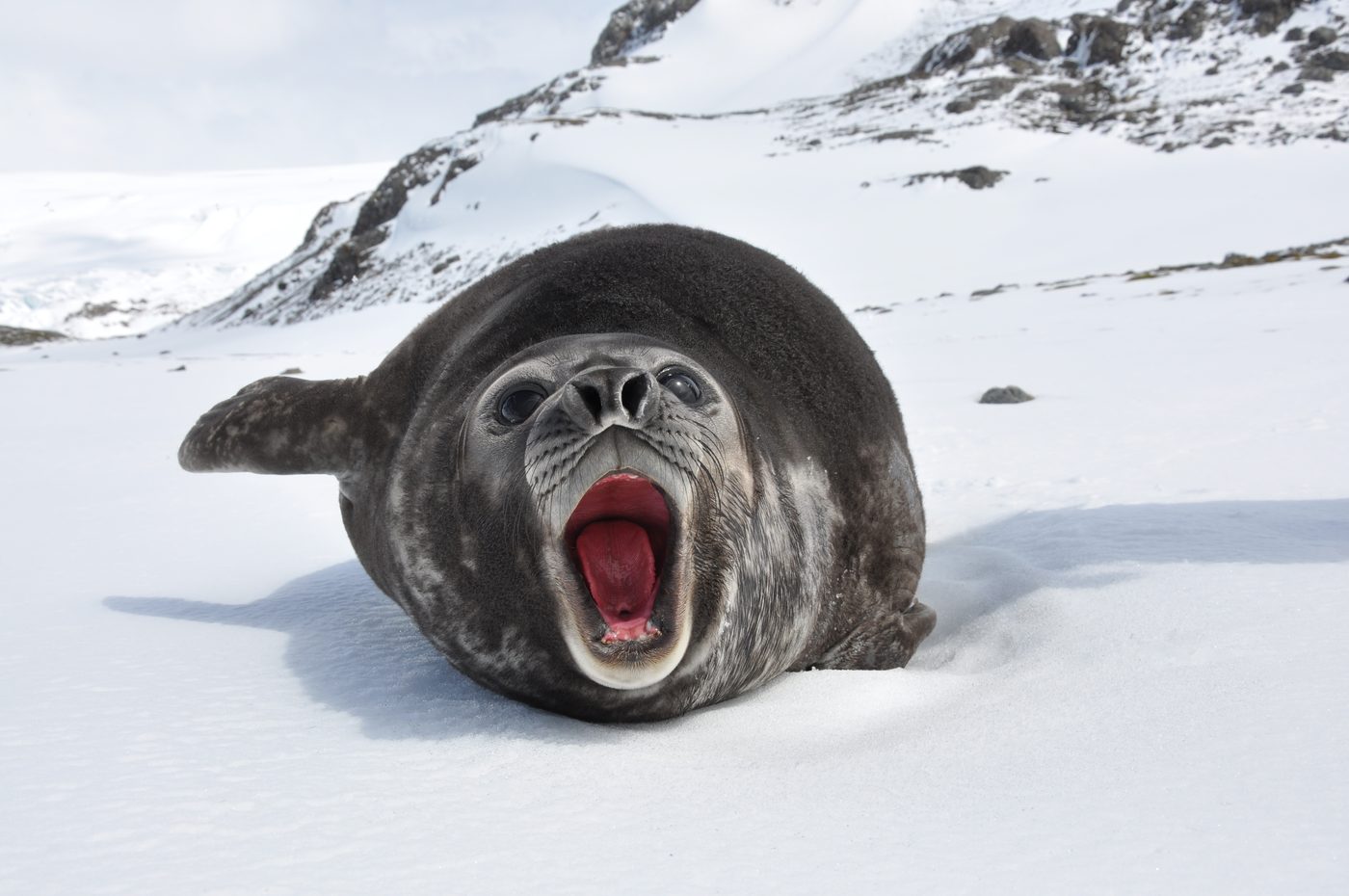
Depth records for diving animals come from tags that log pressure, so each one belongs to particular animals, a particular study and a particular date. The five below are counted down in order of the deepest dive each source reports, from shallowest to deepest, with the method and the caveats the sources give. Every page was read on 27 October 2026.
Emperor penguin: 565 metres
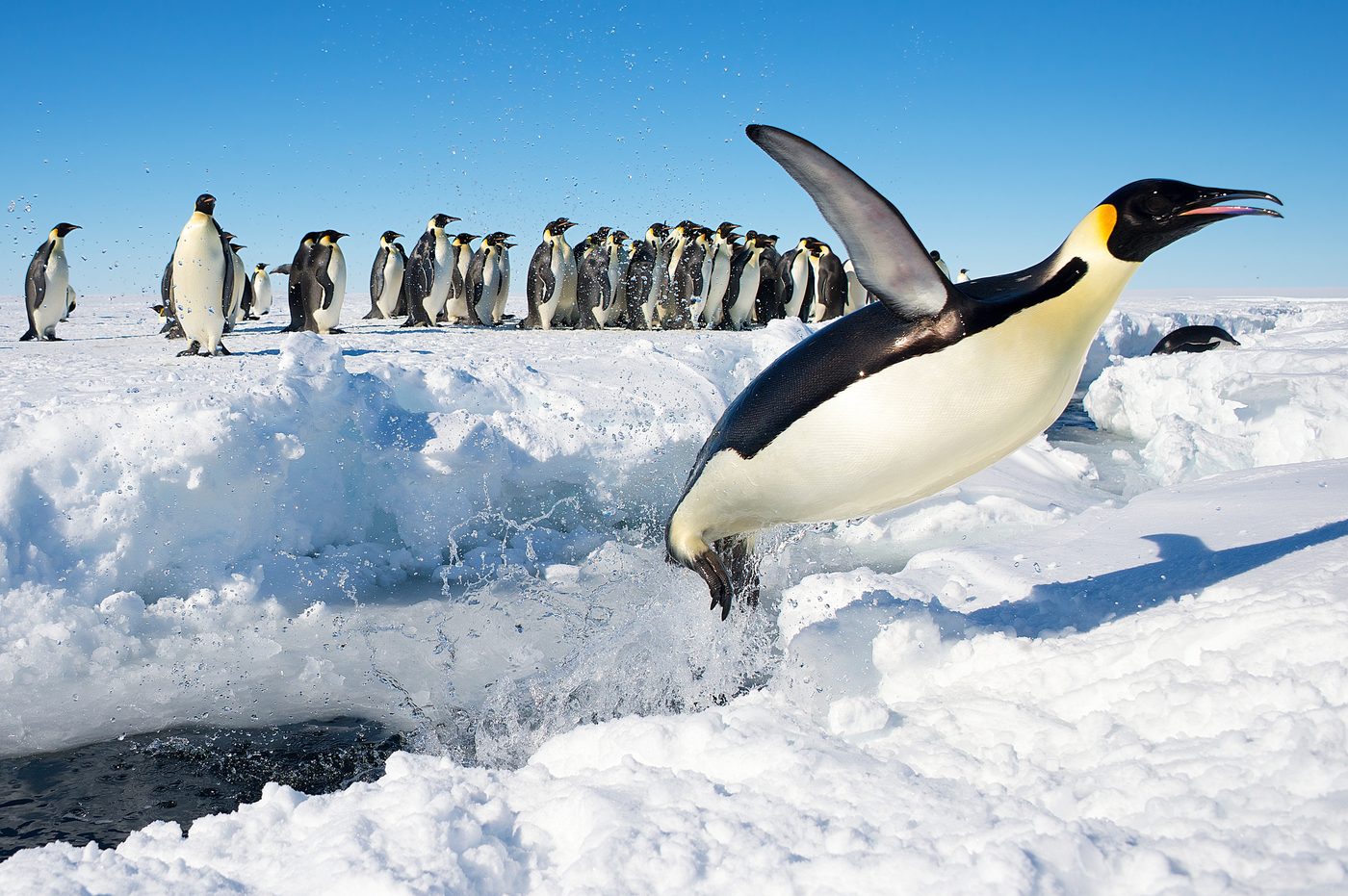
The Australian Antarctic Division says emperor penguins mostly forage at depths of 150 to 250 metres, but the deepest dive recorded was to 565 metres. On average, it says, dives last 3 to 6 minutes, and the longest dive on record was 22 minutes. CSIRO adds that the emperor is the deepest-diving penguin, and describes it as the world’s largest, at 45 kilograms, and says emperors are among its deepest divers, but only when they do not have child-minding responsibilities.
Leatherback turtle: 1,280 metres, from one tagged male
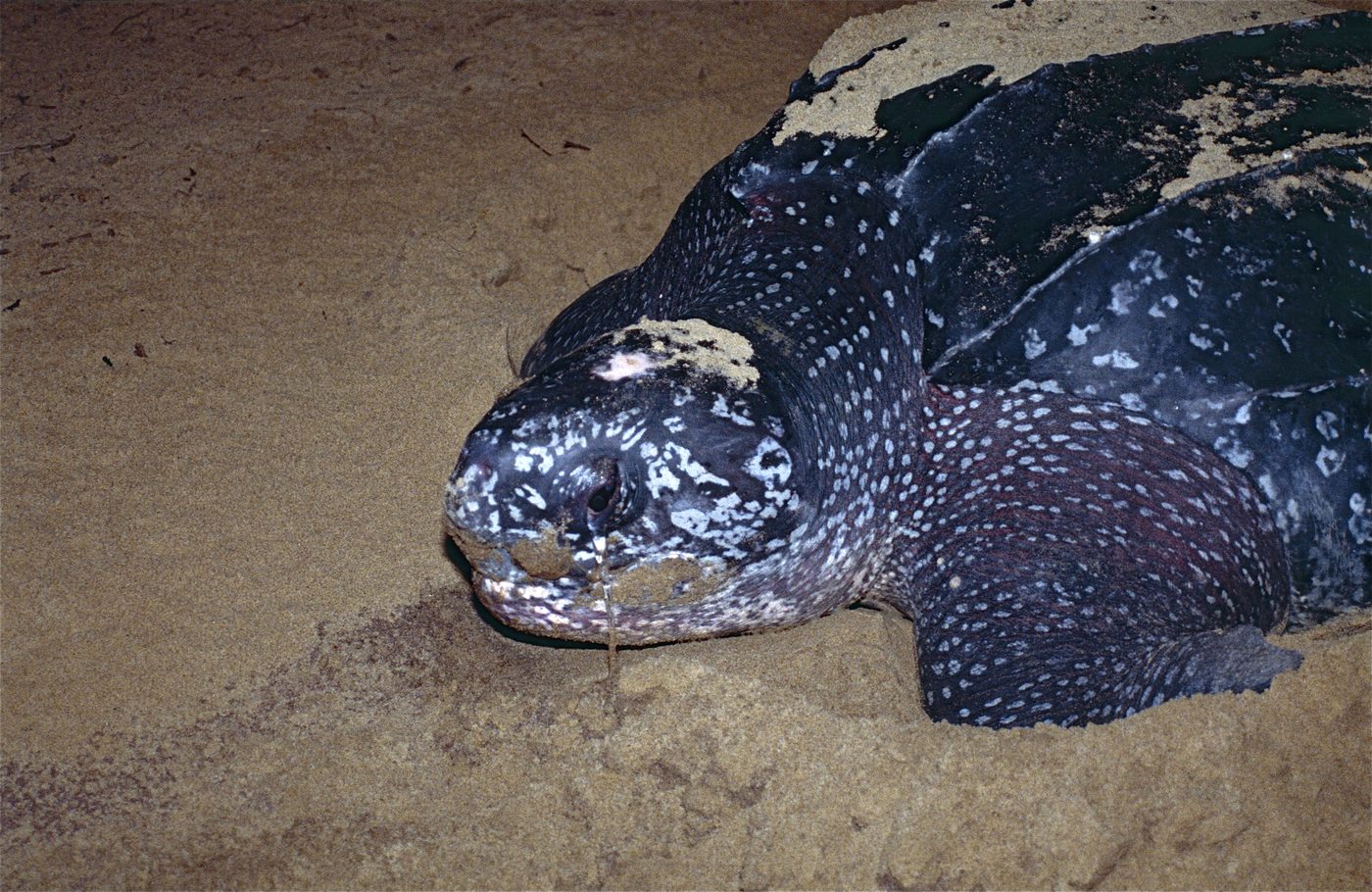
A 2008 paper in Endangered Species Research by Thomas Doyle and colleagues followed two leatherbacks that were bycaught in fisheries off south-west Ireland. One, a male tagged on 29 June 2006 and tracked for 233 days, performed what the authors call the deepest-ever dive recorded by a reptile, 1280 m, south-west of Cape Verde.
CSIRO’s 2023 article gives a rounder picture: leatherbacks can dive to more than 1000 metres in search of jellyfish and stay down for up to 85 minutes. It adds that the leatherback is the only turtle without a hard shell, its soft, leathery skin forming a flexible shell that can cope with the pressure changes of long, deep dives. Its heading says 1200 metres, so the two sources do not give the same record figure.
Sperm whale: routinely about 2,000 feet, more when needed
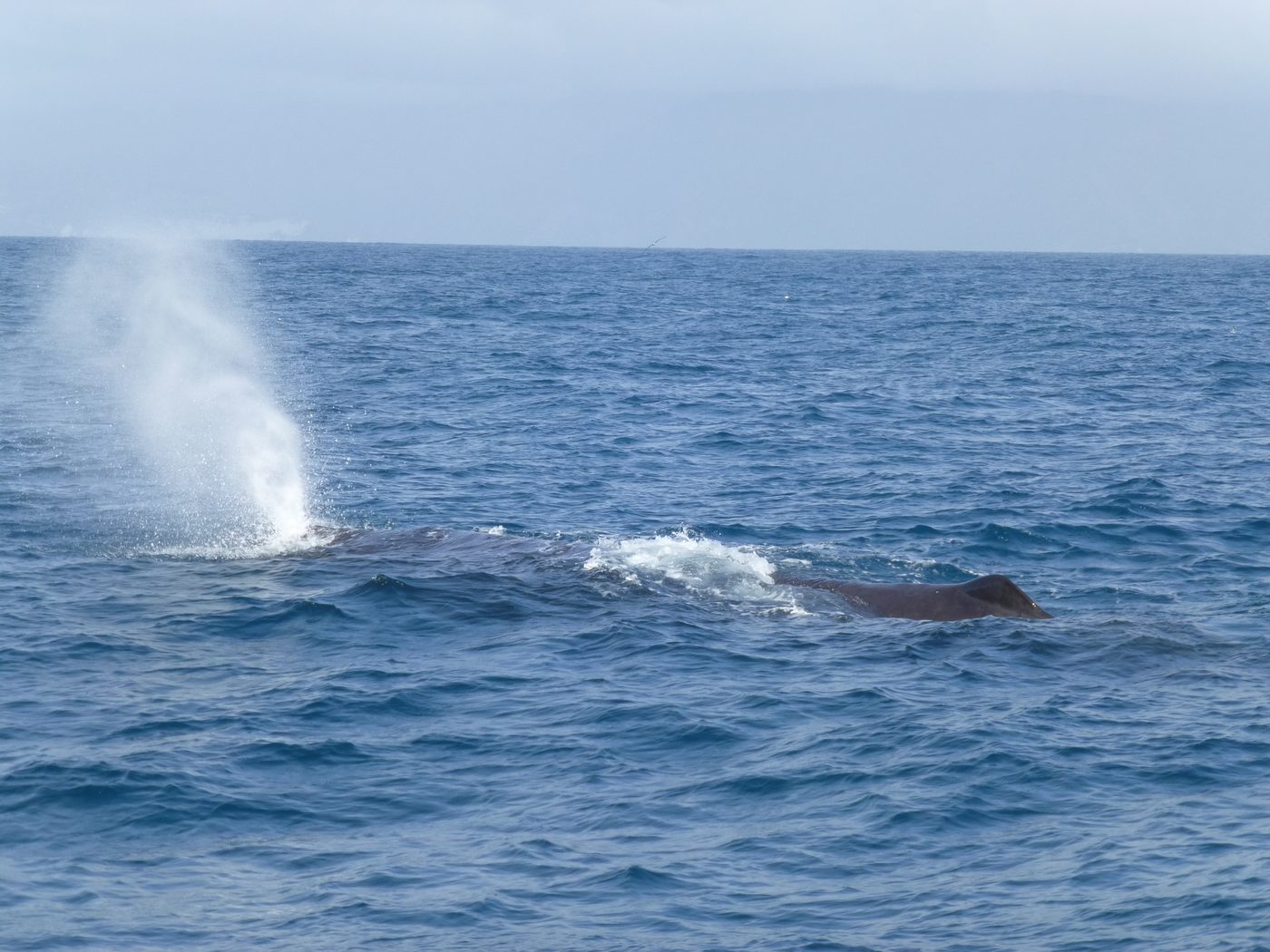
NOAA Fisheries says sperm whales hunt during deep dives that routinely reach depths of 2,000 feet and can last for 45 minutes. CSIRO says they regularly dive to 1000 metres for squid and are capable of exceeding 2200 metres when they need to. NOAA lists adults at 15 tons (females) to 45 tons (males). The two sources describe a routine depth and a capability, not a single measured record.
Southern elephant seal: 2,388 metres
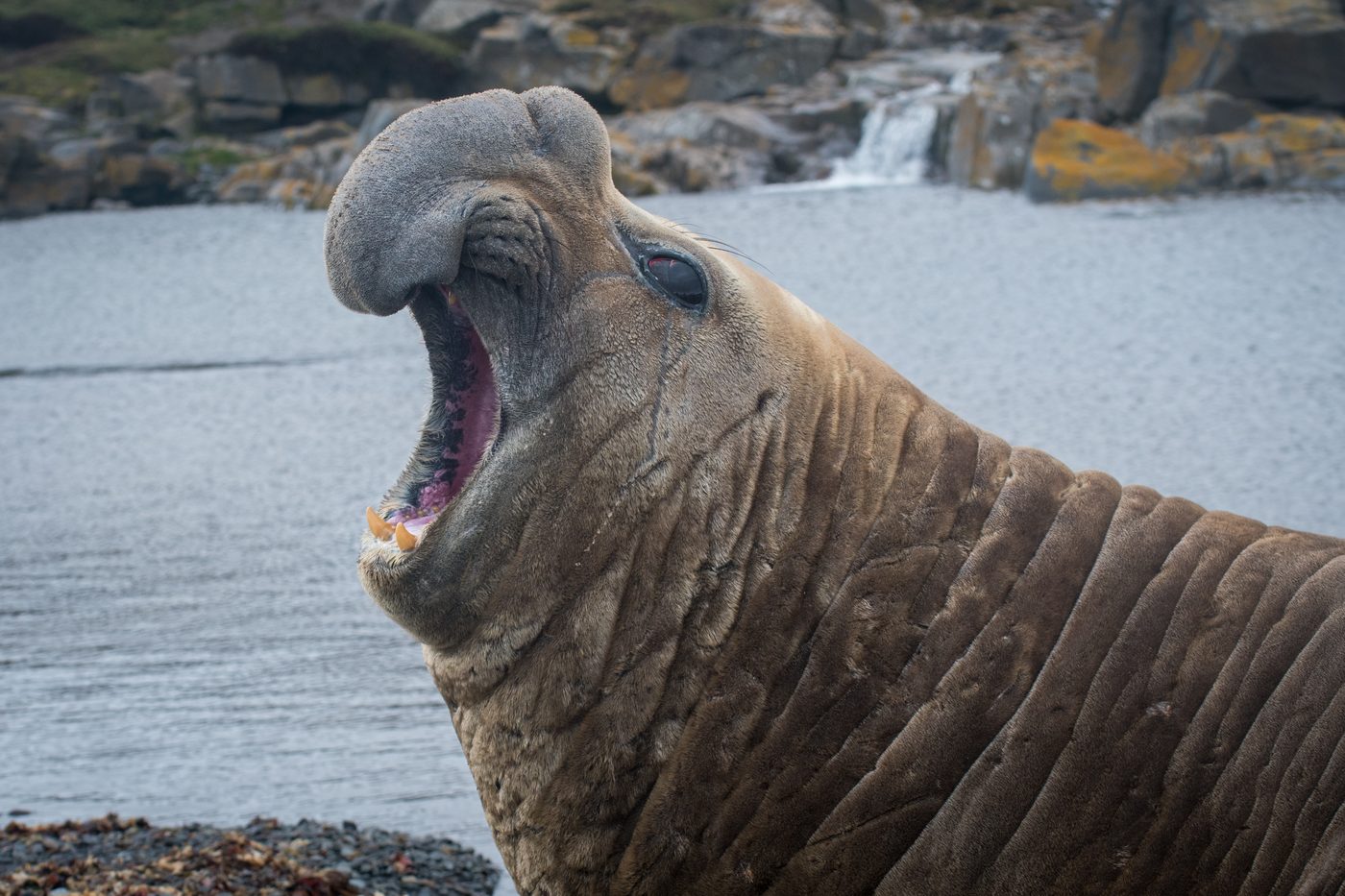
CSIRO calls 2388 metres the deepest recorded dive by an elephant seal, says males weigh close to four tonnes, and says they can stay underwater for close to two hours. BBC Wildlife magazine, in a piece in Discover Wildlife, credits a bull southern elephant seal with that depth and says the species frequently dives to 400 to 800 metres for 20 to 30 minutes. The 2014 beaked whale paper cites 2388 m and 120 minutes as the previous mammalian records, both from southern elephant seals.
Cuvier’s beaked whale: a depth record and a duration record
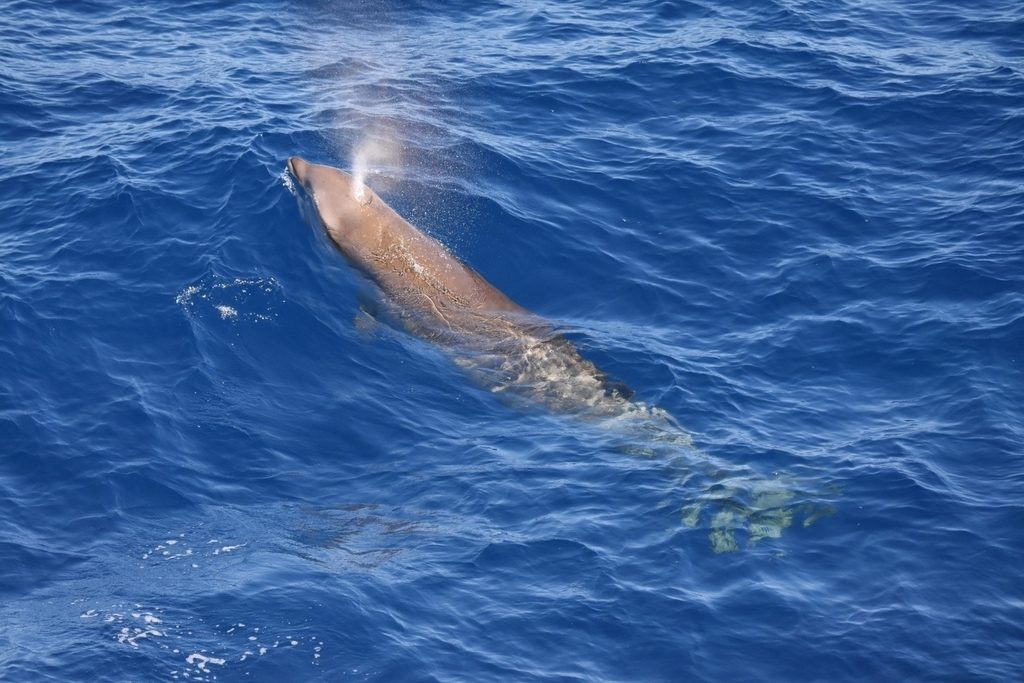
Schorr and colleagues, in work published by Cascadia Research Collective, used satellite-linked tags on eight Cuvier’s beaked whales off Southern California, for periods of up to three months. In PLOS ONE in March 2014 they reported 3732 hours of dive data. The study recorded a maximum dive depth of 2,992 m and, separately, a maximum dive duration of 137.5 minutes. The authors described these as new mammalian depth and duration records in 2014.
The deep dives were not all that extreme. The group mean depth of deep dives was 1401 m, with a mean duration of 67.4 minutes, and the mean time between deep dives was 102.3 minutes. Surfacing bouts averaged less than 2 minutes. The paper says the longest dive was a 45% increase over the previous maximum dive duration for the species, and that the 2992 m dive exceeded the previous maximum depth for the species by 1104 m. CSIRO calls 2992 metres the world record for diving animals and adds that a few years later another Cuvier’s beaked whale was recorded on a dive lasting three hours and 42 minutes, a duration claim rather than a depth record.
The bottom line
The counted-down figures run from 565 m for a penguin to 2,992 m for a beaked whale, but they come from different decades and methods. The leatherback figure differs between sources, the sperm whale figure is a routine depth plus a capability, and the elephant seal depth is given by the secondary pages without a named study. The 2014 paper itself overtook the earlier elephant seal records, so these figures are as of the dates of their sources.
Sources
- Emperor penguin, Australian Antarctic Division, read 27 October 2026 (antarctica.gov.au)
- Meet the ocean’s deepest diving animals, Dr Ben Arthur, CSIRO, 14 April 2023, read 27 October 2026 (csiro.au)
- Leatherback turtles satellite-tagged in European waters, Doyle and others, Endangered Species Research 4:23-31, 2008, read 27 October 2026 (int-res.com)
- Sperm whale, NOAA Fisheries, read 27 October 2026 (fisheries.noaa.gov)
- Despite weighing a massive 4 tonnes, this mammal can dive 2000 metres down, BBC Wildlife Magazine, 25 August 2026, read 27 October 2026 (discoverwildlife.com)
- First Long-Term Behavioral Records from Cuvier’s Beaked Whales Reveal Record-Breaking Dives, Schorr and others, PLOS ONE 9(3):e92633, 26 March 2014, DOI 10.1371/journal.pone.0092633, read 27 October 2026 (journals.plos.org)
- First Long-Term Behavioral Records from Cuvier’s Beaked Whales Reveal Record-Breaking Dives, Cascadia Research Collective, read 27 October 2026 (cascadiaresearch.org)