
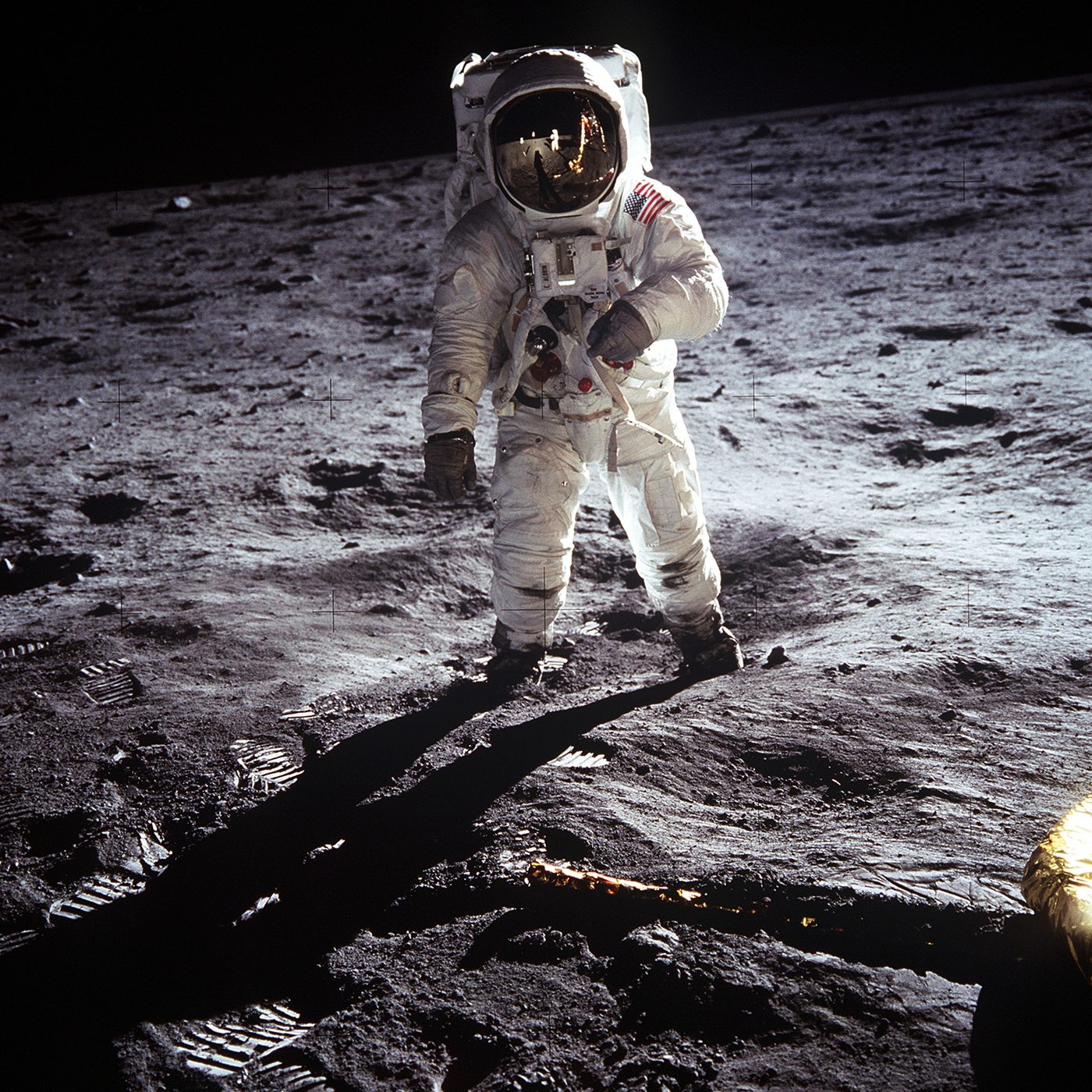
NASA publishes its own yes-or-no answers on what it did and did not invent. Its Spinoff FAQ defines a spinoff as a commercialized product that incorporates NASA technology or expertise, then rules on named products. Six groups of claims are checked below, in NASA’s wording, from pages read on 27 October 2026.
Memory foam: NASA says yes
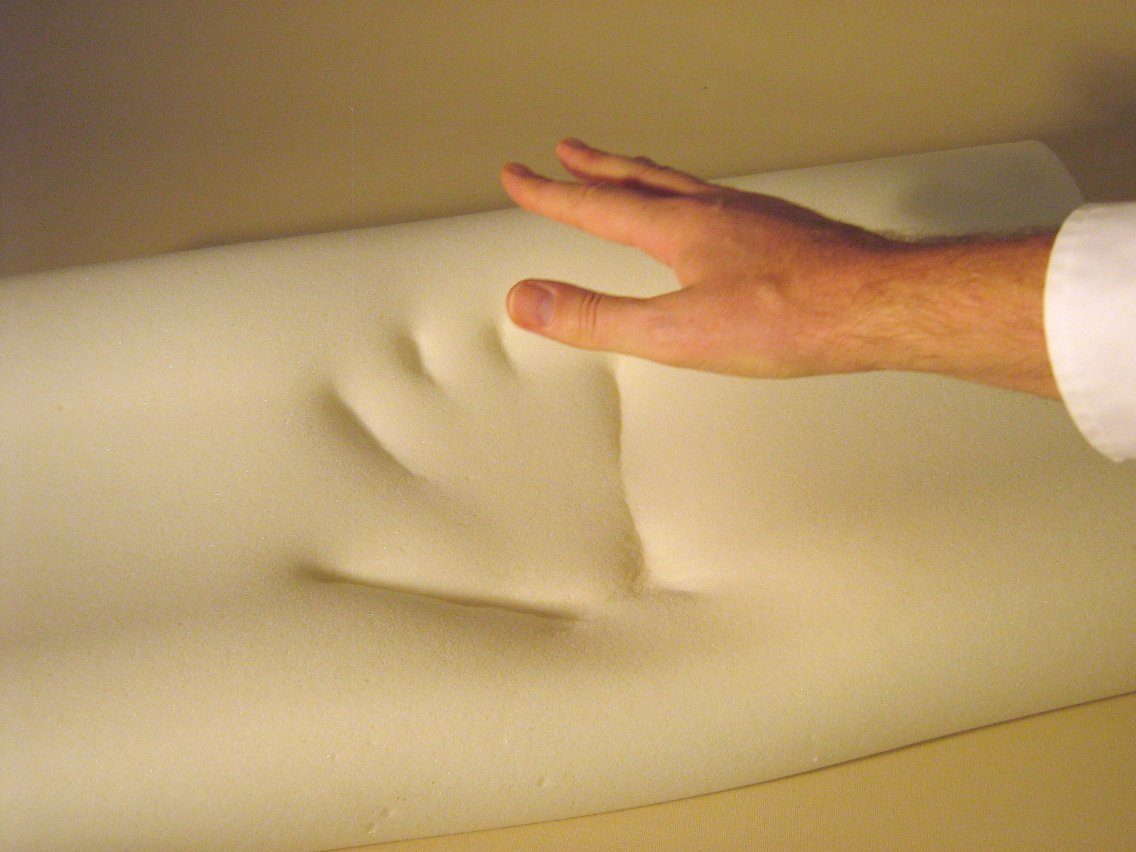
The FAQ says memory foam, also known as temper foam, was developed under a NASA contract in the late 1960s that improved seat cushioning and crash protection for airline pilots and passengers. A 2019 Spinoff article says an Ames Research Center team, including then human factors engineer Charles Kubokawa, set out to design a crash-proof seat, and that the first prototype used a pre-existing foam that proved flammable. The seats were never fully integrated into commercial jets, the foam was never patented, and NASA released the formula into the public domain in the 1980s.
Scratch-resistant lenses: NASA says yes
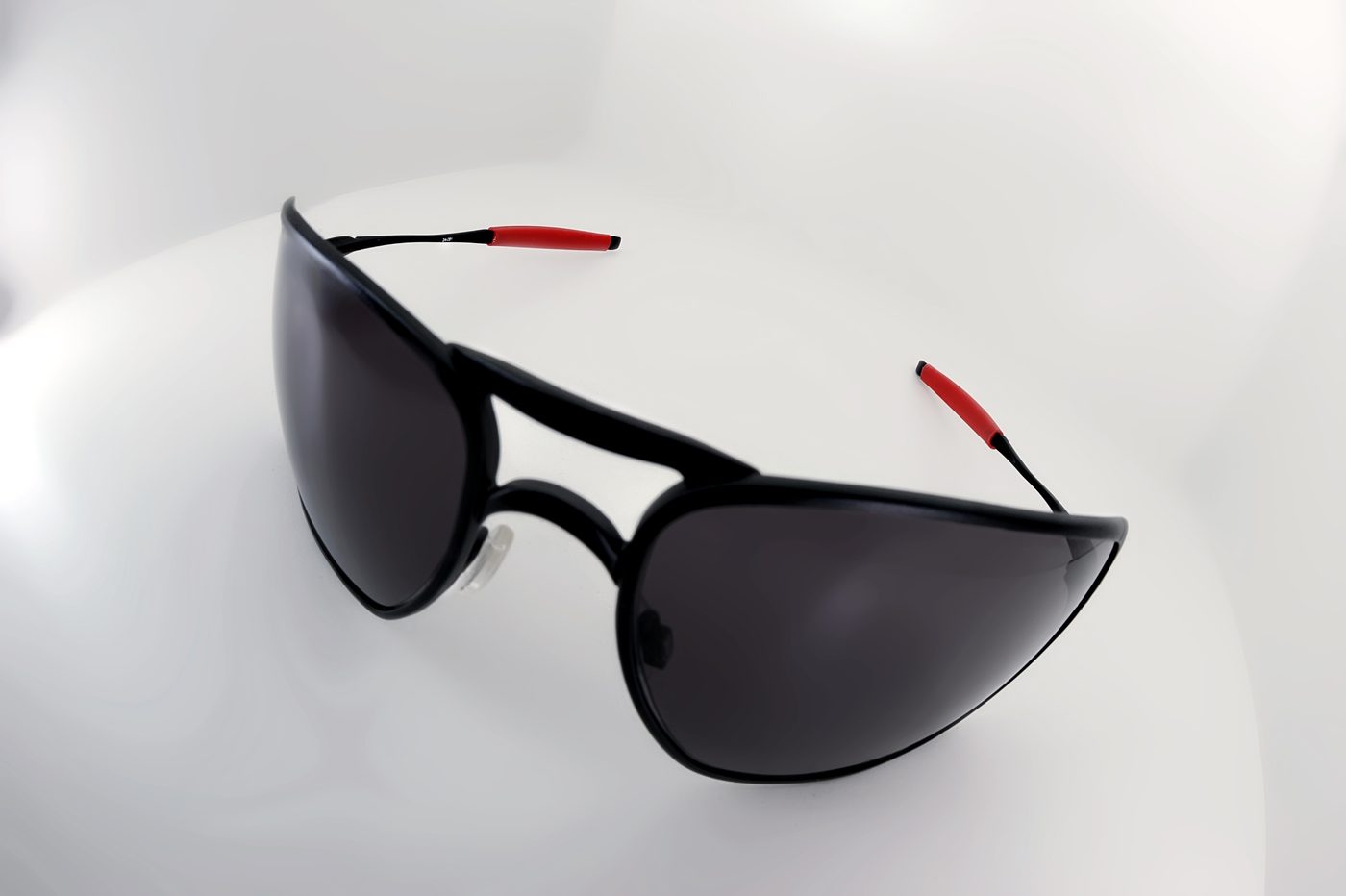
The FAQ says the first scratch-resistant lenses were developed using a NASA-created coating, originally designed to protect equipment and helmet visors in space. A 1996 Spinoff page describes one case. Lewis Research Center developed a way to deposit thin films of diamond-like carbon, and in 1988 Air Products and Chemicals received a licence to the NASA patent. Its spinoff company Diamonex used the technology for coatings on commercial optical products, including a sunglasses line from Bausch & Lomb that the page says is 10 times more scratch-resistant than conventional glass lenses. The FAQ adds that NASA does not confirm manufacturers’ performance claims.
Emergency blankets: NASA says yes
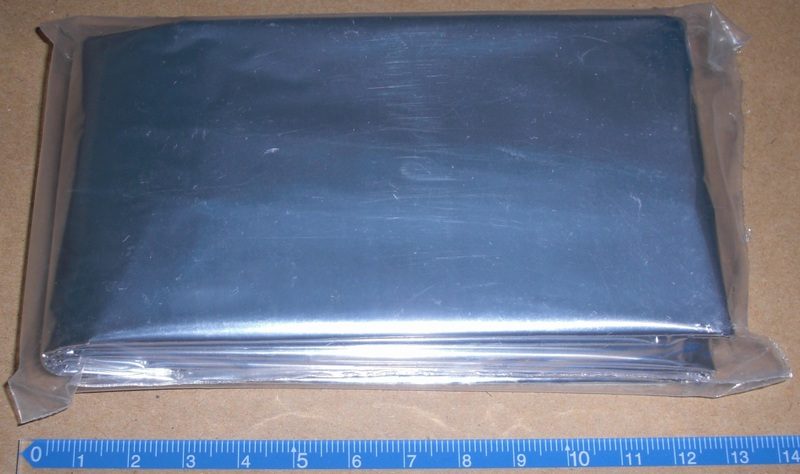
The FAQ says heat-reflective emergency blankets are made from thin sheets of plastic coated with a metallic reflecting agent first developed by NASA. A NASA article says the insulation behind space blankets was first developed by NASA in 1964 and was invented for Apollo-era spacesuits. It says layering multiple metalized sheets of lightweight mylar made a reflective insulation far more effective, pound for pound and inch for inch, than anything else available.
Phone camera sensors: NASA credits JPL
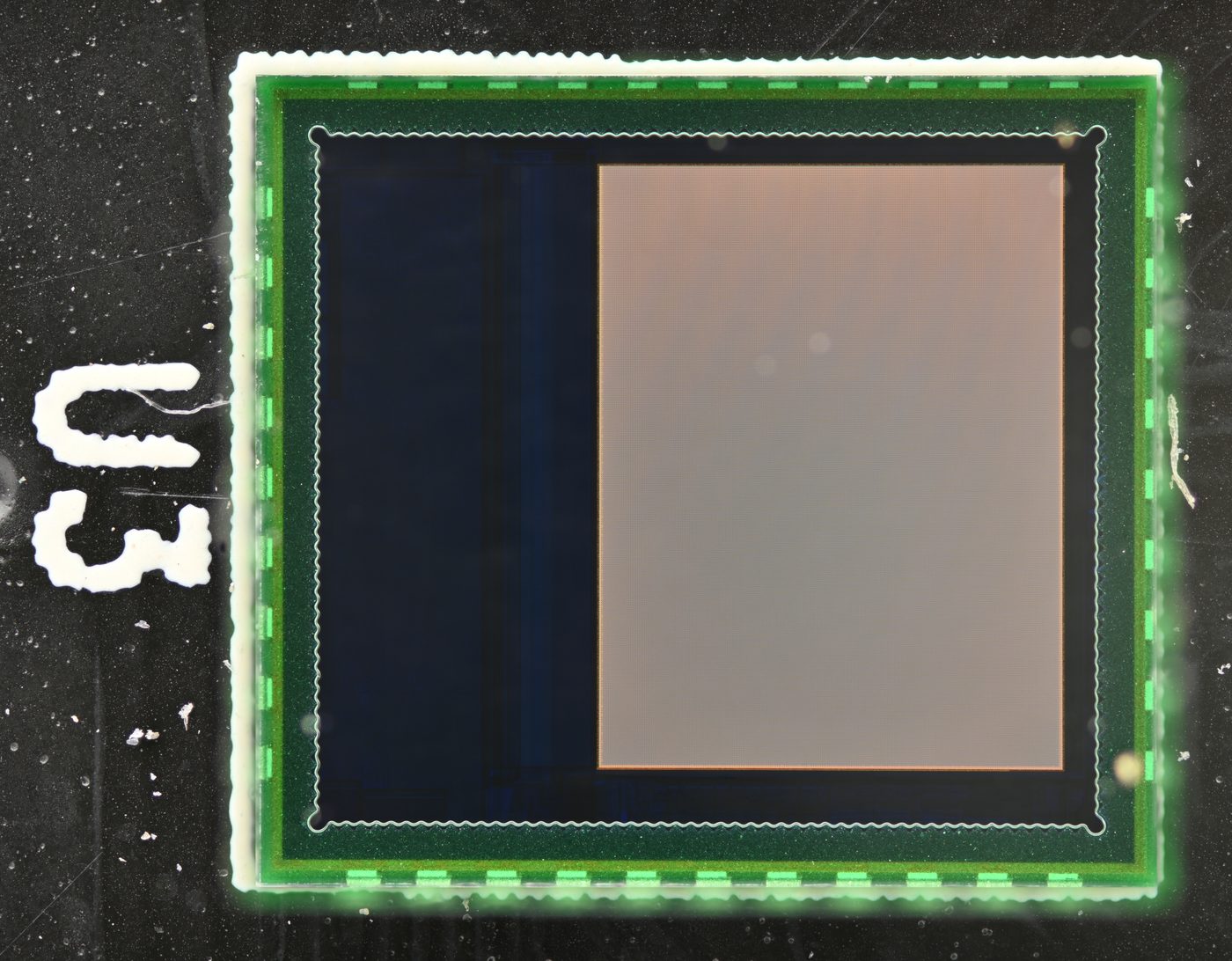
A NASA science article, last updated 3 March 2026, says Eric Fossum at the Jet Propulsion Laboratory applied a technique used in CCDs to CMOS sensors and developed the first CMOS active pixel image sensor. Fossum and Sabrina Kemeny licensed the technology from Caltech in 1995 and founded Photobit, which Micron Technology acquired in 2001. The article says about seven billion CMOS sensors are now made each year, used in cameras including those on cell phones, in automotive electronics and in medical and dental imaging.
Cordless power tools: NASA says no, with a catch
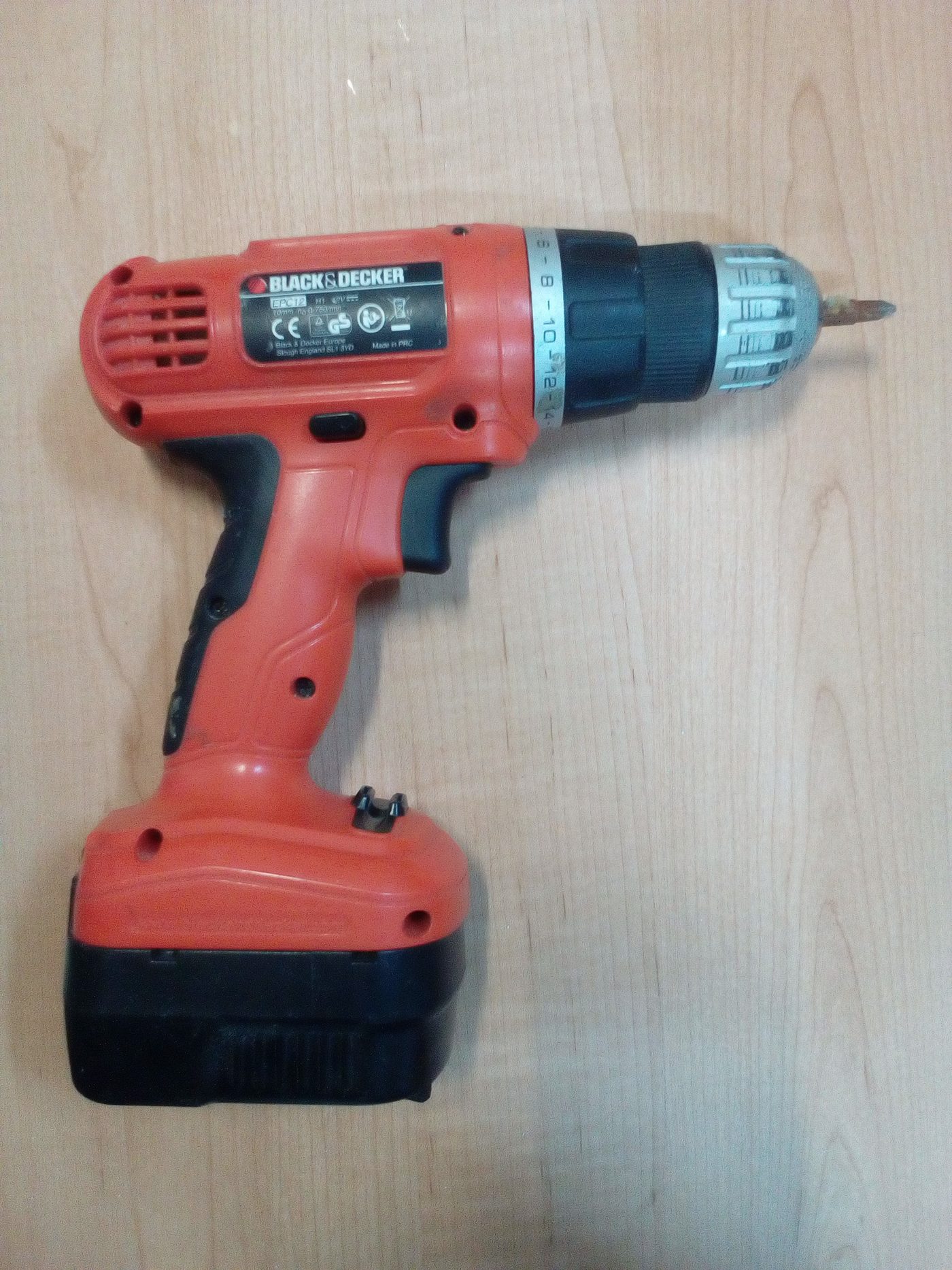
The FAQ says the first cordless power tools were unveiled by Black & Decker in 1961, and that the technology predates NASA’s involvement. It adds that the company later worked as a subcontractor on a NASA project to design power tools for use in space and created multiple spinoffs as a result. A 2016 NASA image article says an Apollo-era partnership with Black & Decker led to a line of consumer, medical and industrial hand-held cordless tools, including the Dustbuster cordless vacuum.
Velcro, Tang and Teflon: NASA says no
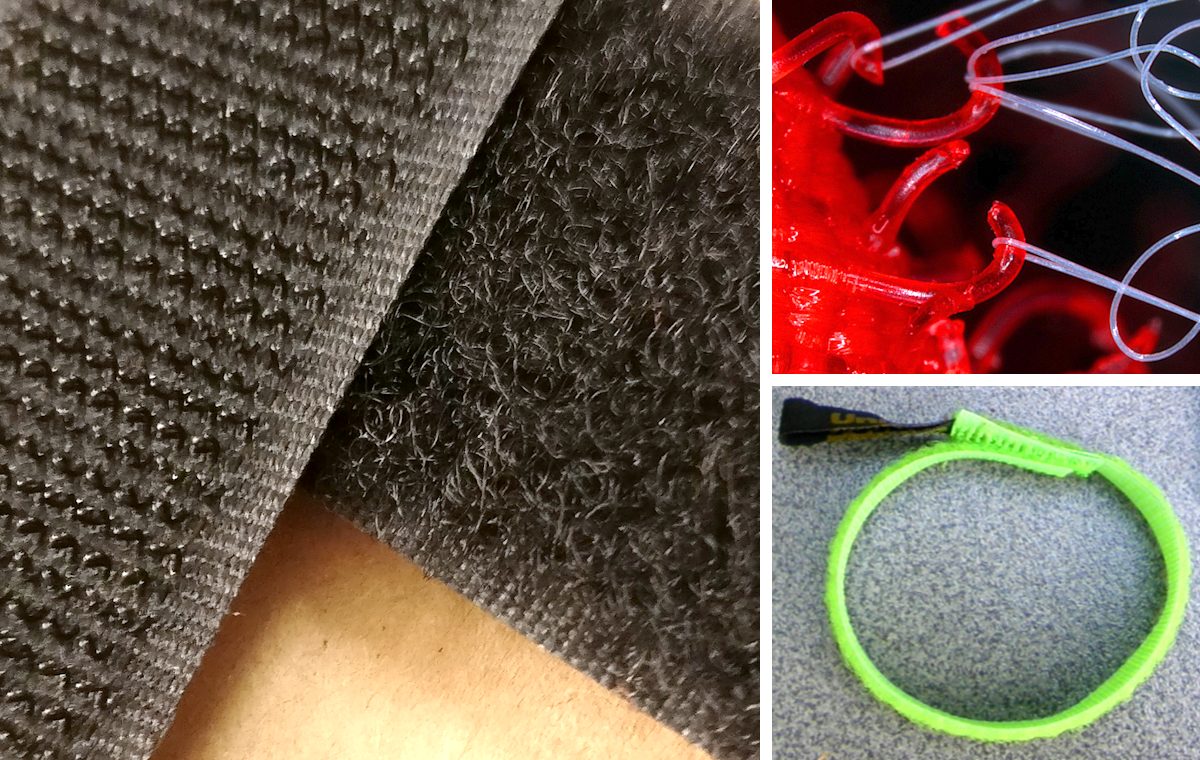
NASA’s FAQ answers each directly. Velcro was invented in the 1940s by a Swiss engineer, and its extensive use during the Apollo missions to anchor equipment led to its association with NASA. General Foods developed Tang in 1957, and John Glenn consuming it in orbit in 1962 raised awareness of the drink and its link to space. DuPont invented Teflon in 1938, and NASA’s use of it in heat shields, space suits and cargo hold liners raised awareness of the material.
The bottom line
NASA separates inventing something from contributing to it or using it. Its FAQ answers yes for memory foam, scratch-resistant lenses and emergency blankets, and no for the origin of cordless tools, Velcro, Tang and Teflon. It also says it does not endorse spinoff products or confirm manufacturers’ performance claims.
Sources
- Frequently Asked Questions, NASA Spinoff, National Aeronautics and Space Administration, read 27 October 2026 (spinoff.nasa.gov)
- Memory Foam Supports and Shapes in Women’s Apparel, NASA Spinoff, originally published 2019, read 27 October 2026 (spinoff.nasa.gov)
- Scratch-Resistant Lenses, NASA Spinoff, originally published 1996, read 27 October 2026 (spinoff.nasa.gov)
- Going to the Moon Was Hard, But the Benefits Were Huge, for All of Us, NASA, read 27 October 2026 (nasa.gov)
- Technology Originally Developed for Space Missions Now Integral to Everyday Life, NASA Science Editorial Team, 24 February 2026, last updated 3 March 2026, read 27 October 2026 (science.nasa.gov)
- Dustbuster, NASA image article, 11 February 2016, read 27 October 2026 (nasa.gov)