
Ancient technology survives as fragments, objects, structures and living crafts. For each of the five below, the first paragraph gives what the cited museum, university or agency documents, and the second gives what that source or the researchers treat as open. Every page was read on 27 October 2026.
The Antikythera Mechanism: a Greek calculator in 82 fragments
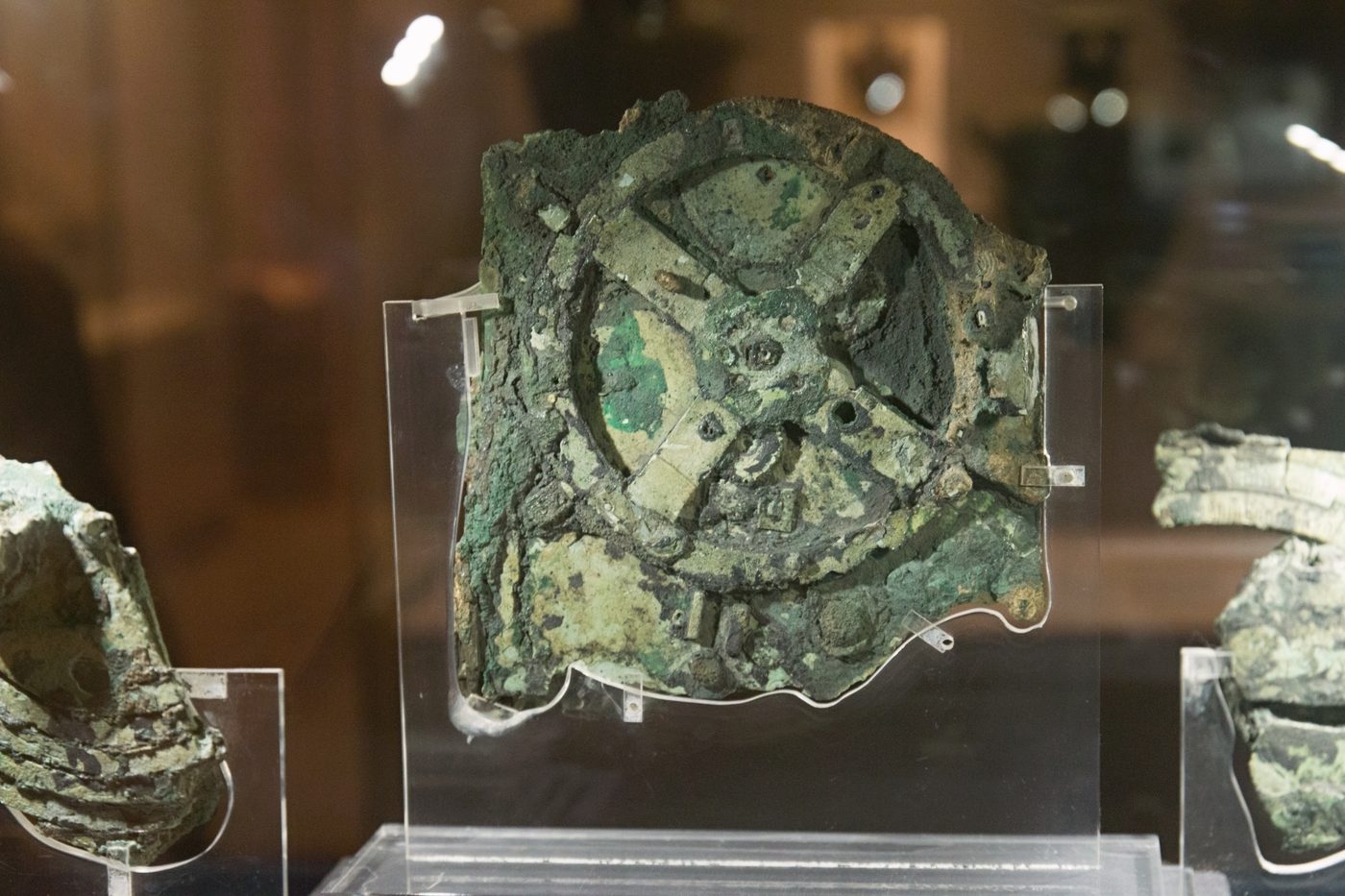
Documented: a 2021 paper in Scientific Reports by Freeth and colleagues, including researchers at University College London, calls it an ancient Greek astronomical calculator that has challenged researchers since its discovery in 1901. It says the device is now split into 82 fragments, that only a third of the original survives, including 30 corroded bronze gearwheels, and that X-ray CT revealed inscriptions describing the motions of the Sun, Moon and all five planets known in antiquity.
Open: the paper says the front of the machine remained deeply controversial because physical evidence was lost, and that no previous reconstruction has come close to matching the data. The authors present a new model that they say satisfies and explains the evidence, combining cycles from Babylonian astronomy, mathematics from Plato’s Academy and Greek astronomical theories. It is a proposed reconstruction.
The Lycurgus Cup: glass that changes colour
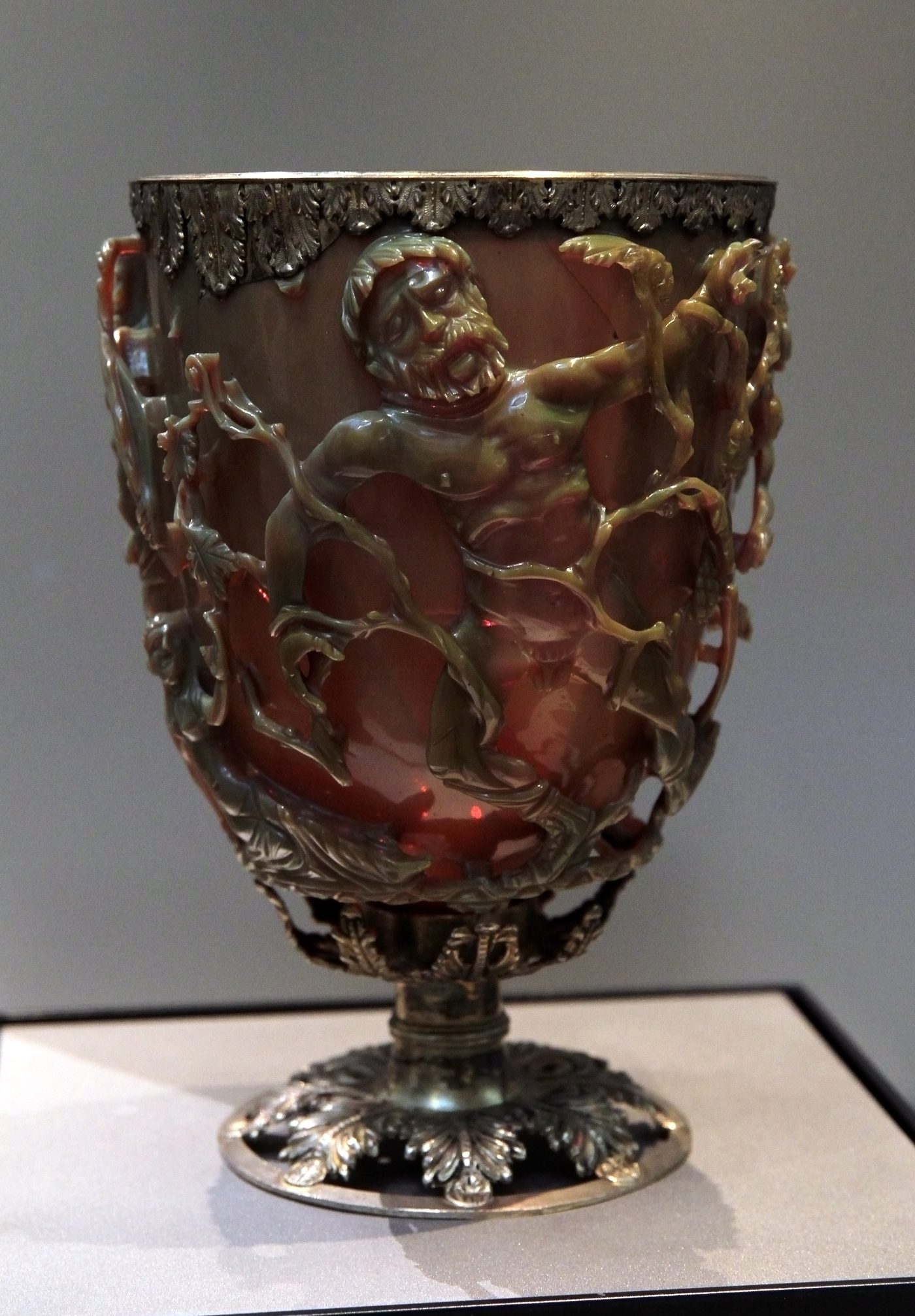
Documented: the British Museum records a late Roman drinking cup of the 4th century, glass with silver-gilt mounts, 158.80 millimetres high and weighing 700 grammes, covered with scenes of the death of King Lycurgus. The museum bought it from Victor, 3rd Lord Rothschild, in 1958 and shows it in Room 41. Smithsonian magazine says it looks jade green when lit from the front but blood-red when lit from behind, and that researchers in England found in 1990 that the glass holds silver and gold particles as small as 50 nanometres across.
Open: Smithsonian says the Romans may have first come across the colourful potential of nanoparticles by accident but seem to have perfected it, so whether the effect was found by chance is left as a possibility. The museum record gives the date only as the 4th century.
Roman concrete: why some of it has lasted
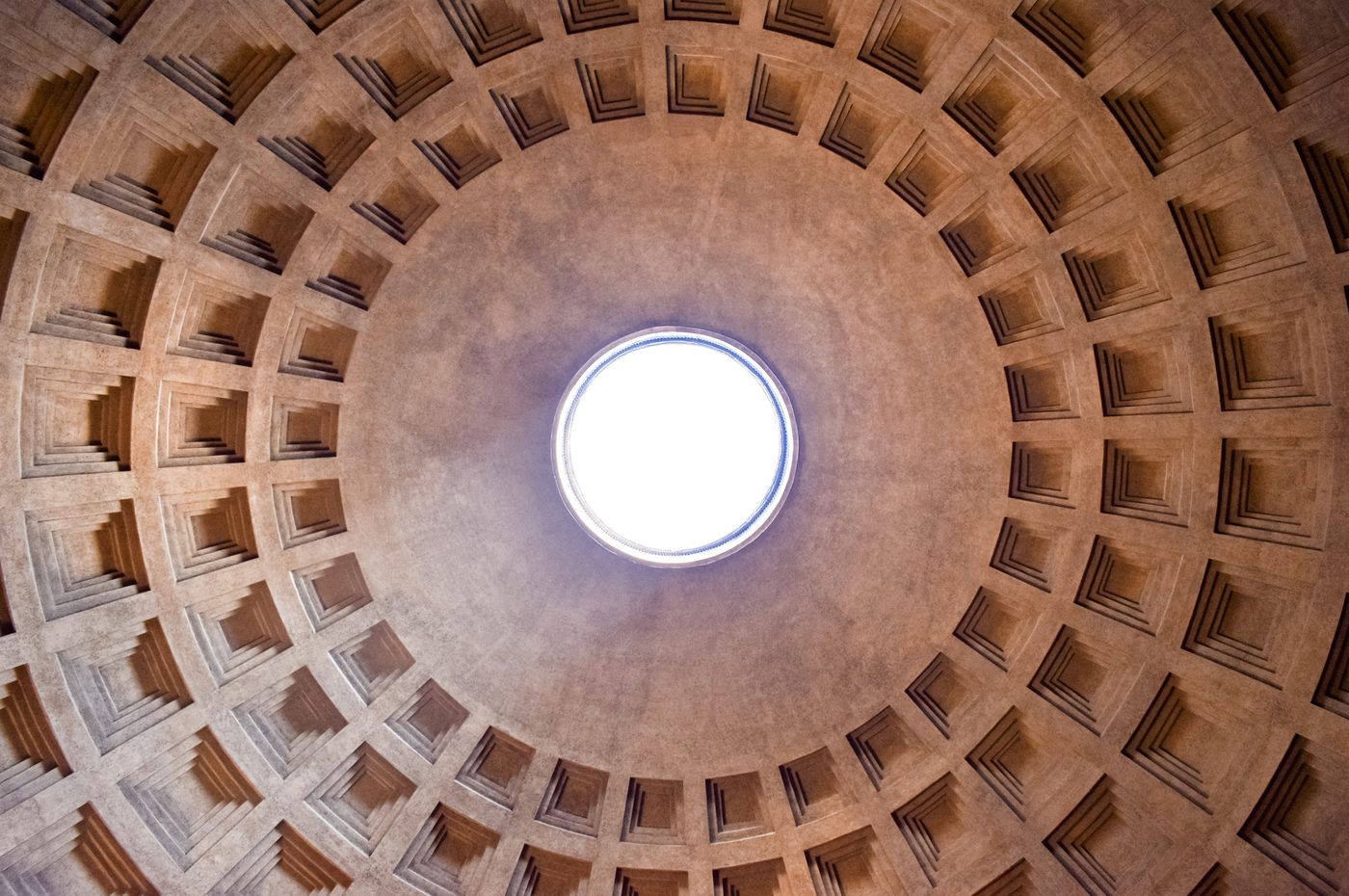
Documented: MIT News, on 6 January 2023, said the Pantheon in Rome, which has the world’s largest unreinforced concrete dome and was dedicated in 128 CE, is still intact, and that some ancient Roman aqueducts still deliver water to Rome today.
Open: a team from MIT, Harvard and laboratories in Italy and Switzerland reported in Science Advances that the white lime clasts in Roman concrete, once dismissed as sloppy mixing, suggest a self-healing ability. The team concluded that hot mixing with quicklime was the key. In lab tests on hot-mixed samples, in ancient and modern formulations, cracks healed within two weeks and water stopped flowing, while a chunk made without quicklime never healed. The paper is Seymour and others, Science Advances, 2023, doi 10.1126/sciadv.add1602.
The Pont du Gard: a three-level aqueduct bridge
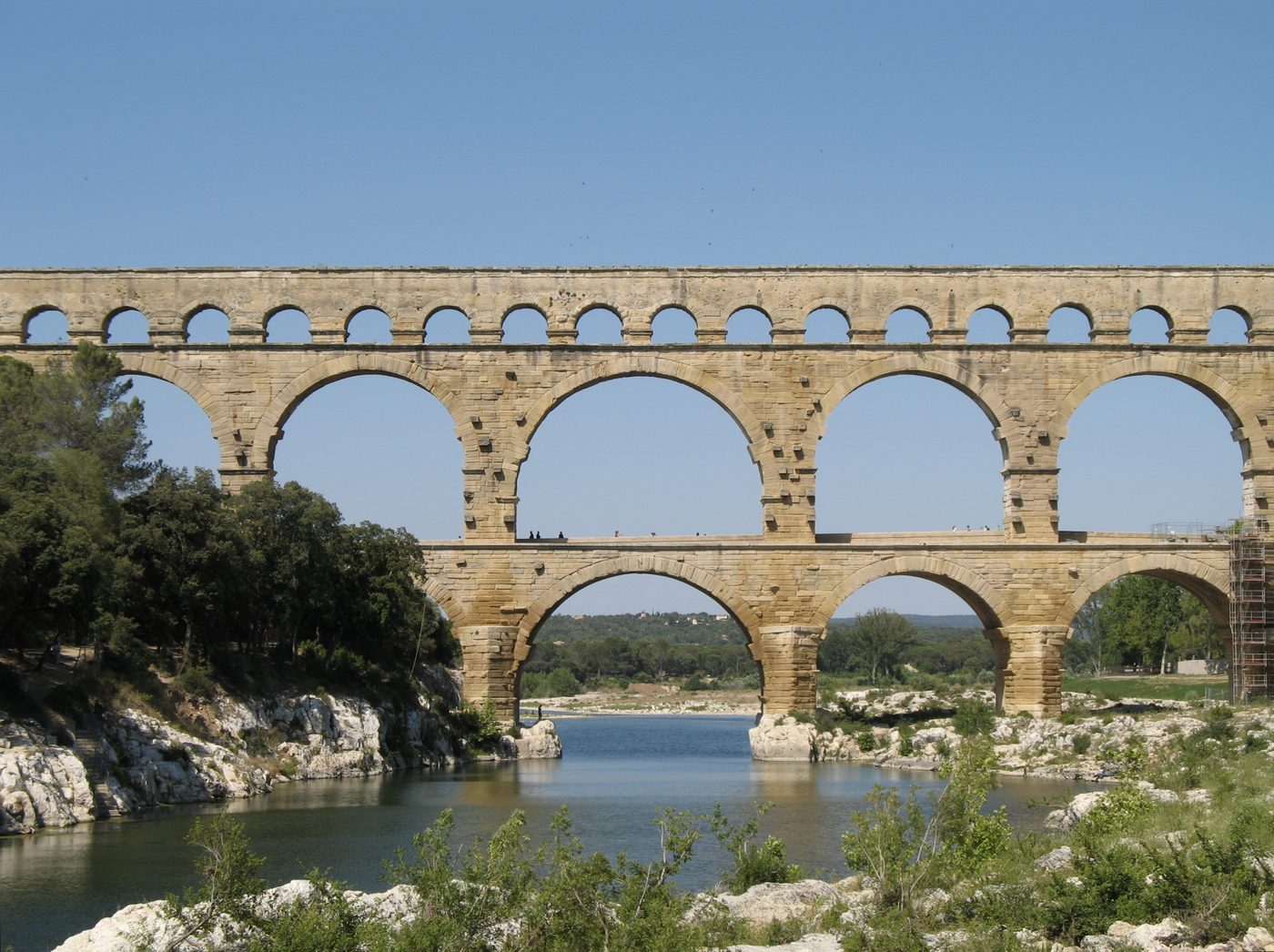
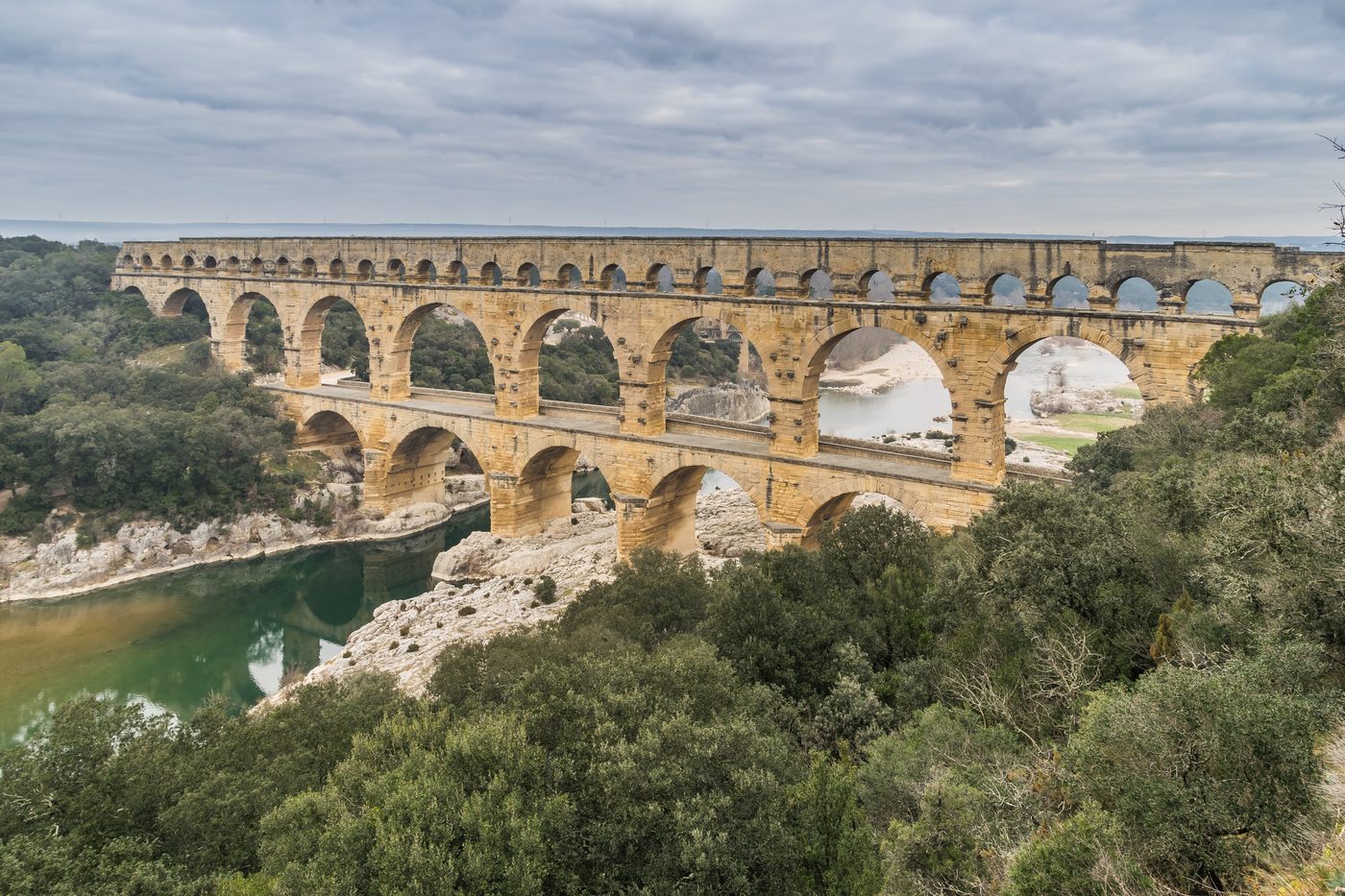
Documented: the monument’s own site says the aqueduct to which the Pont du Gard belongs was built around 50 AD, under the reigns of Claudius or Nero. UNESCO says the Pont du Gard was built so that the aqueduct of Nîmes, almost 50 km long, could cross the Gard river, and describes a bridge almost 50 m high on three levels, the longest measuring 275 m, designed by Roman architects and hydraulic engineers.
Open: dating is approximate. The monument’s own site gives around 50 AD for the aqueduct, while UNESCO’s description places the building shortly before the Christian era; UNESCO also rounds the bridge’s height and the aqueduct’s length to almost 50 metres and almost 50 kilometres.
Q’eswachaka: a grass bridge rebuilt every year
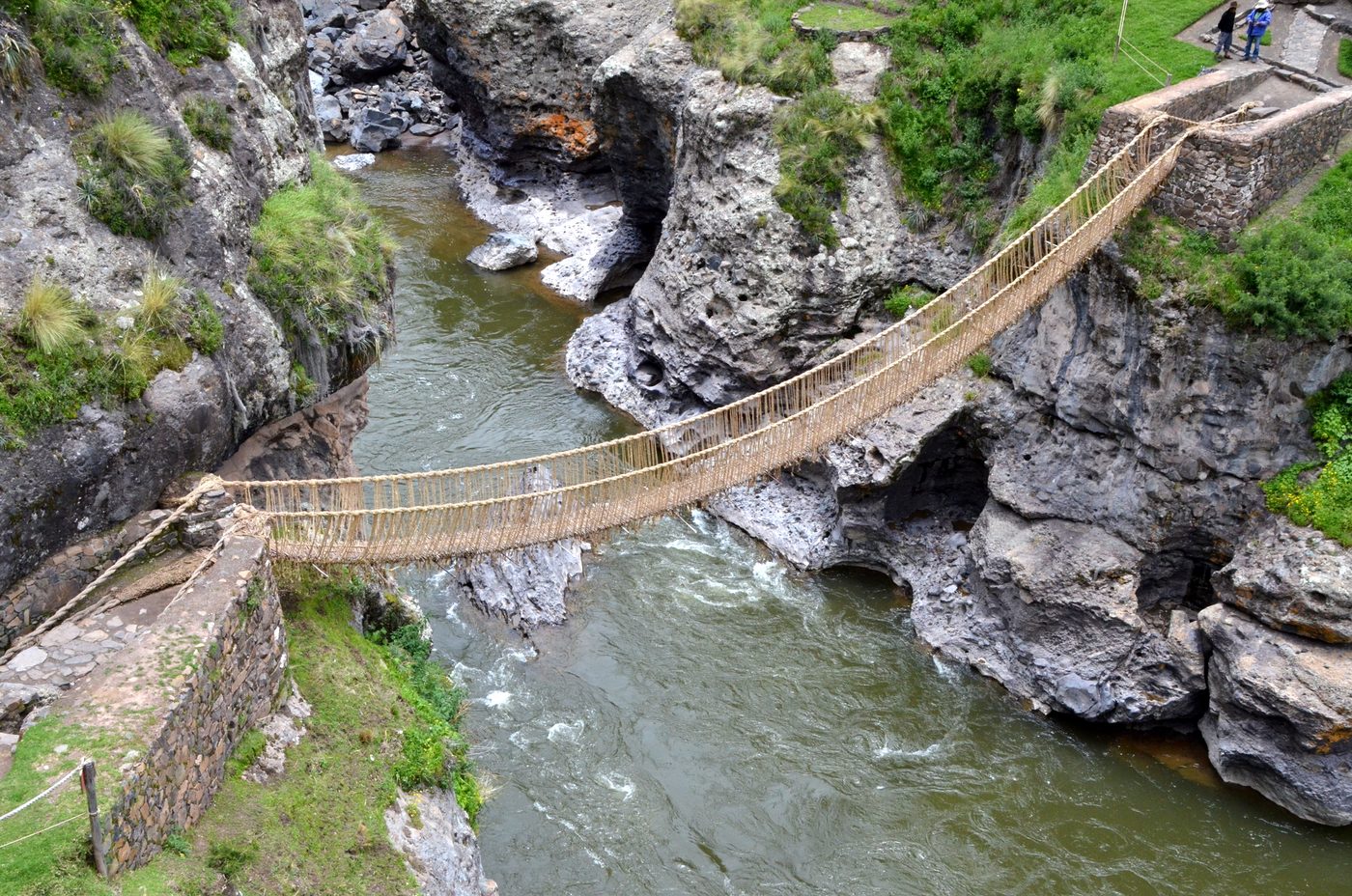
Documented: UNESCO’s intangible heritage listing, inscribed in 2013, describes the Q’eswachaka bridge as a rope suspension bridge over a gorge of the Apurimac River in the southern Andes, renewed every year using traditional Inca techniques and raw materials. Families twist straw into thin ropes about 70 m long, bridge-builders twist these into medium-sized ropes, and those are braided into six great ropes tied to ancient stone bases. The renewal lasts only three days.
Open: the UNESCO Courier says the technique is over 600 years old and that this is the last remaining bridge made of vegetable fibres in Peru, but neither UNESCO page gives a date for the first bridge on the site. The Courier adds that the ropes eventually deteriorate, so such bridges have to be reconstructed periodically.
The bottom line
The five rest on different kinds of evidence: a corroded fragment set, a museum object, a laboratory study of sampled concrete, a standing bridge and a living craft. Where the sources say suggest, may, proposed or almost, those words are kept here.
Sources
- A Model of the Cosmos in the ancient Greek Antikythera Mechanism, Freeth, Higgon, Dacanalis, MacDonald, Georgakopoulou and Wojcik, Scientific Reports, 2021, doi 10.1038/s41598-021-84310-w, read 27 October 2026 (europepmc.org)
- The Lycurgus Cup, museum number 1958,1202.1, British Museum collection online, read 27 October 2026 (britishmuseum.org)
- This 1,600-Year-Old Goblet Shows that the Romans Were Nanotechnology Pioneers, Smithsonian Magazine, read 27 October 2026 (smithsonianmag.com)
- Riddle solved: Why was Roman concrete so durable?, David L. Chandler, MIT News, 6 January 2023, read 27 October 2026 (news.mit.edu)
- Hot mixing: Mechanistic insights into the durability of ancient Roman concrete, Seymour and others, Science Advances, 2023, doi 10.1126/sciadv.add1602, record read 27 October 2026 (europepmc.org)
- Pont du Gard (Roman Aqueduct), UNESCO World Heritage Centre, read 27 October 2026 (whc.unesco.org)
- Knowledge, skills and rituals related to the annual renewal of the Q’eswachaka bridge, UNESCO Intangible Cultural Heritage, inscribed 2013, read 27 October 2026 (ich.unesco.org)
- An Inca suspension bridge is restored in Peru, The UNESCO Courier, 10 October 2019, last update 20 April 2023, read 27 October 2026 (courier.unesco.org)
- History of the site, Pont du Gard (pontdugard.fr), read 27 October 2026