
Regrowth is not one trick. In some animals a tiny fragment can restart a whole body; in others only certain parts return, under conditions the sources spell out, and sometimes as a replacement rather than a copy. Six examples follow, with the surviving tissue, regenerated parts and limitations described by each source. All pages were read on 27 October 2026.
Hydra: a fragment of about 300 cells
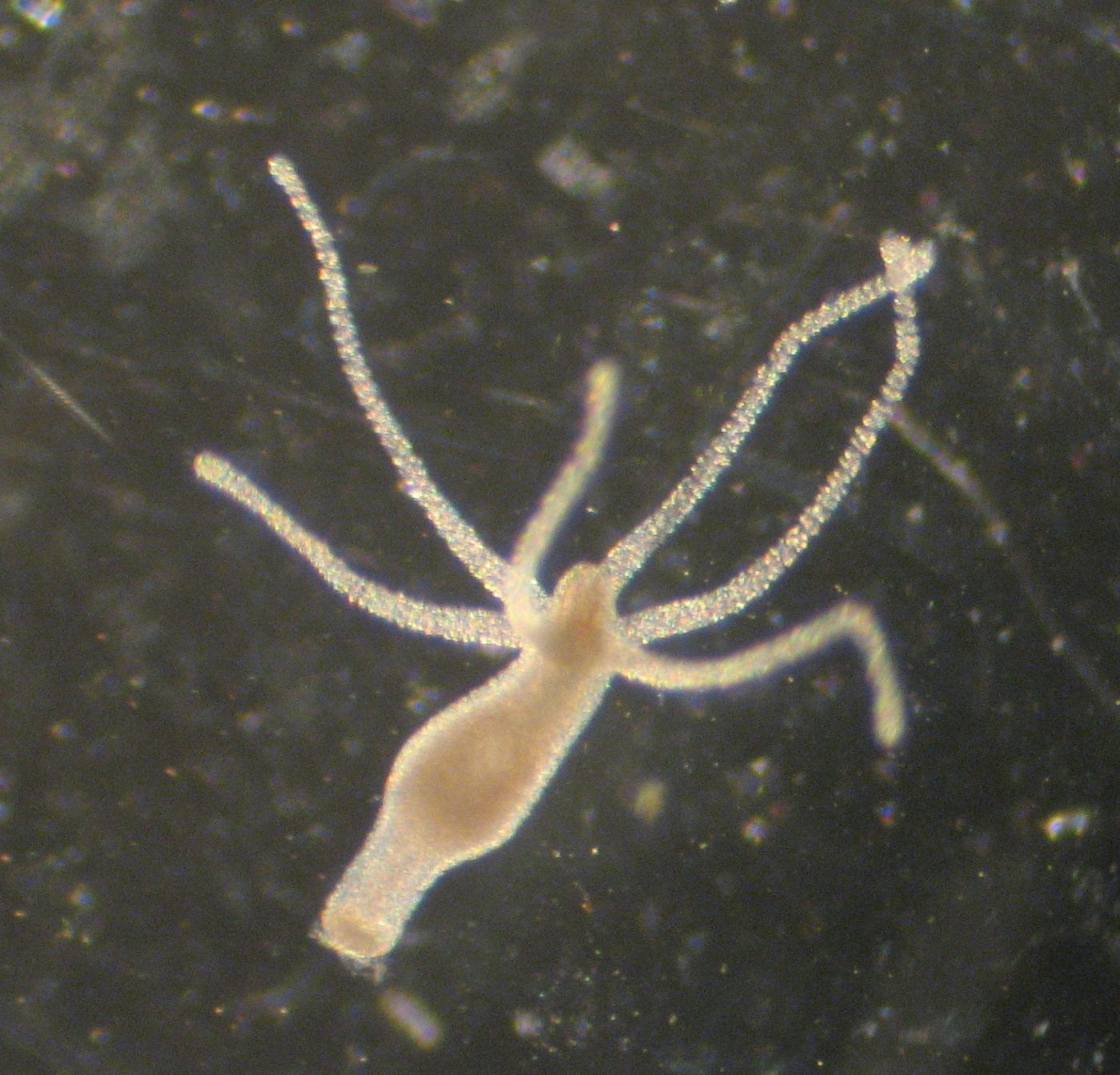
University of California, Davis researchers Celina Juliano, Jack Cazet and Abby Primack describe Hydra vulgaris in a 2022 abstract as a small and simple aquatic animal capable of whole-body regeneration. Its whole body, nervous system included, can regenerate from a fragment of tissue as small as about 300 cells, they write, and three distinct stem cell populations support its three lineages.
A 2014 Biology Open study from the inStem institute in Bangalore says that when a hydra is cut into pieces, each piece of the body column can regenerate into an adult animal within 3 to 4 days. It adds that a cluster of dissociated single cells can also regenerate an animal.
Planarian flatworm: one 279th of the animal
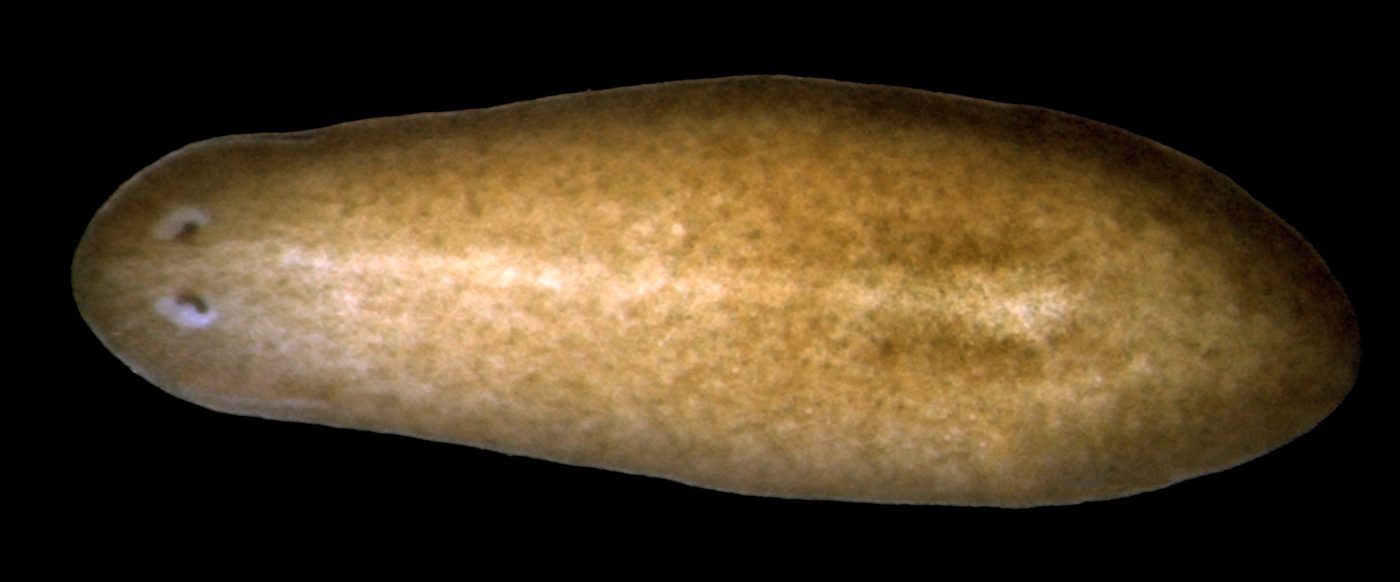
A 2015 blog from the US National Institute of General Medical Sciences describes the freshwater flatworm Schmidtea mediterranea as able to grow back its head, its tail or nearly any other body part. It says the geneticist Thomas Hunt Morgan showed in the late 1800s that a body fragment as small as 1/279th of the animal’s original size could regrow into an entirely new worm. The page credits neoblasts, stem cells that make up 20 to 30 percent of the worm’s body.
Sea stars: arms, if part of the central disk survives
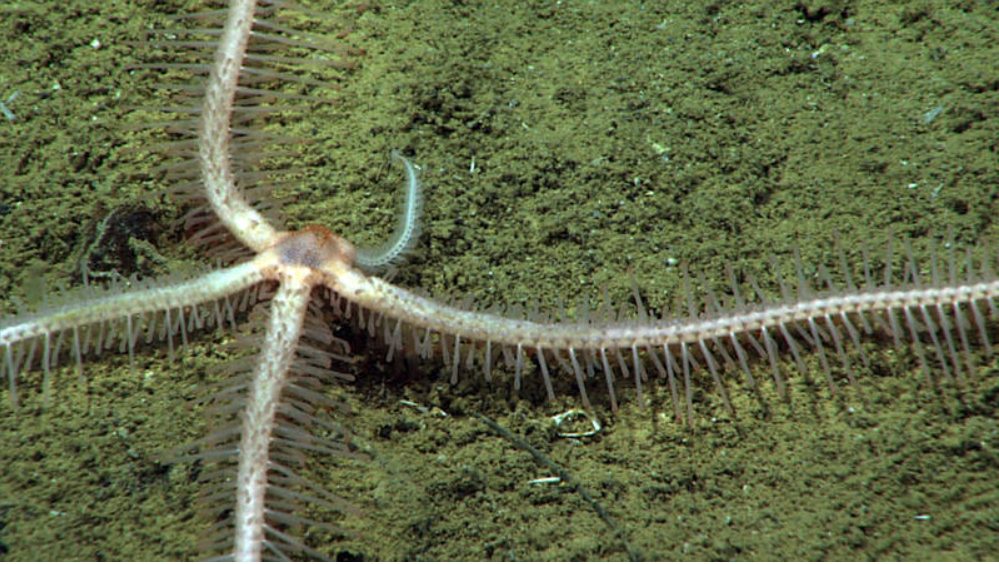
The Seattle Aquarium says sea stars can regrow a lost arm as long as some part of the central disk remains intact. After an arm is injured or broken off, tissues at the injury site seal themselves off, special cells migrate to the area and slowly begin to regrow the arm, a process that can take a year or even longer.
The Khaled bin Sultan Living Oceans Foundation adds that a limb may also regenerate an entirely new animal. It says sea stars of the genus Linckia are commonly called “comet stars”, because shed arms regrowing stubs of new arms look like comets once depicted in artwork.
Axolotl: limbs, spinal cord, parts of the brain and heart
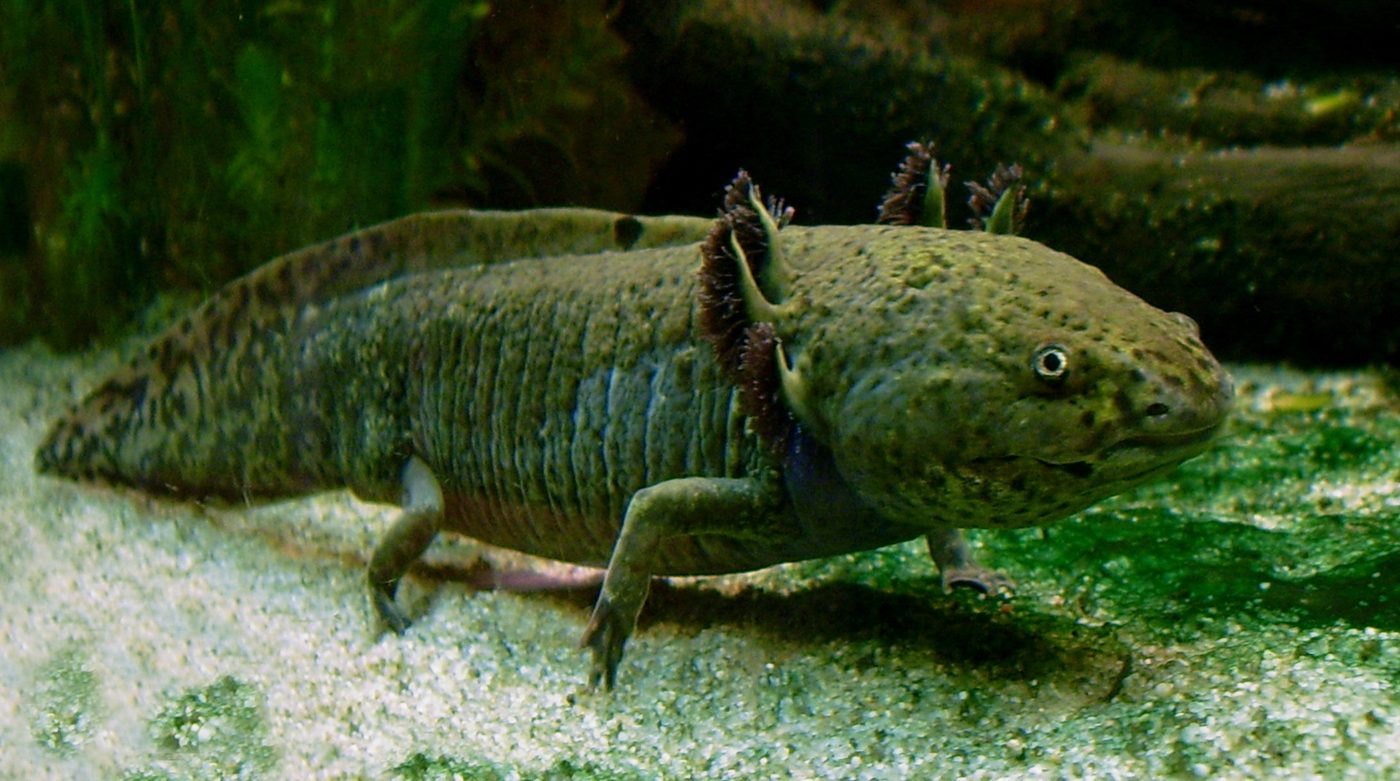
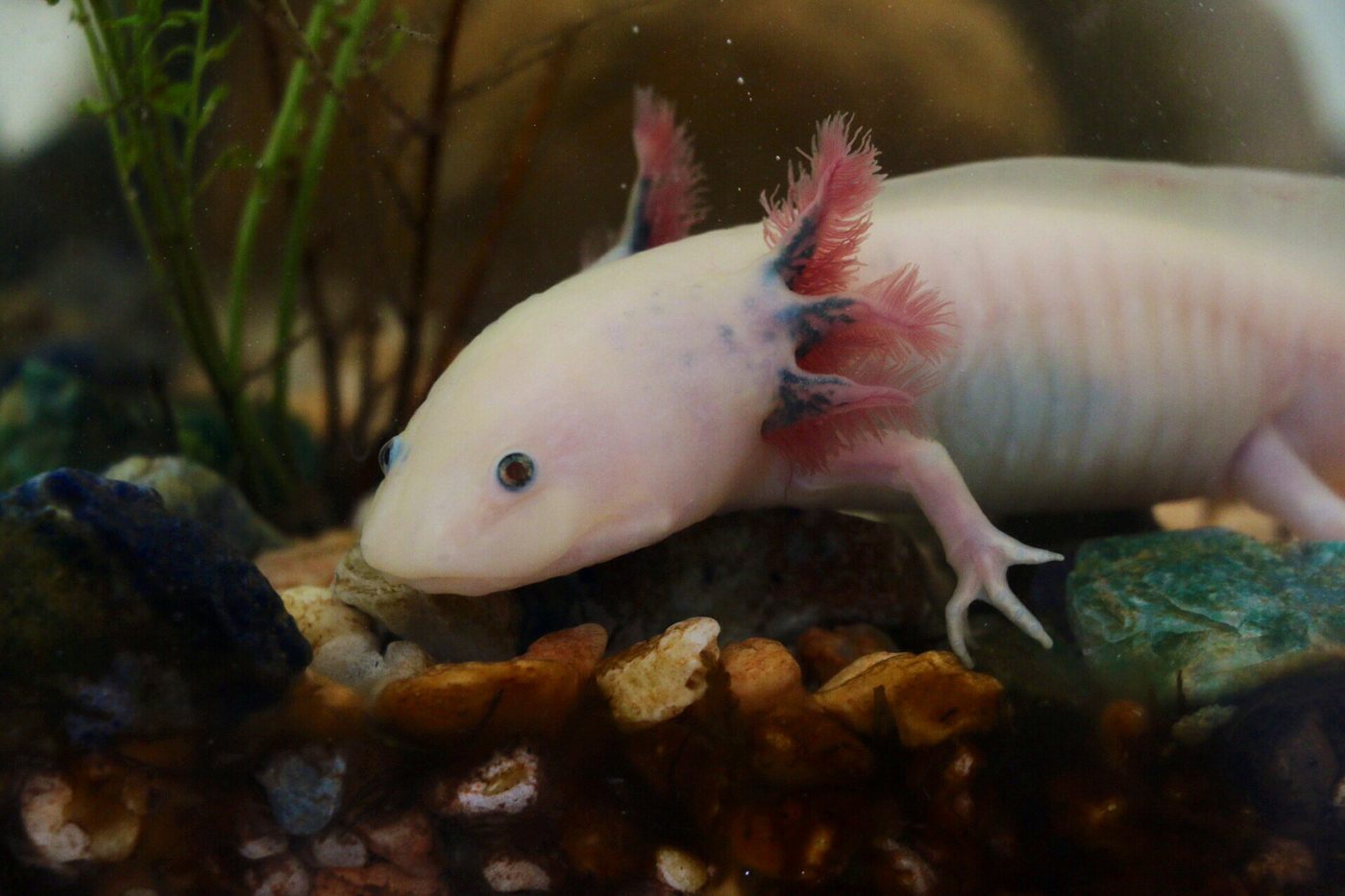
The Marine Biological Laboratory says axolotls, native to only one lake, Lake Xochimilco in Mexico, can functionally regenerate multiple body parts, including limbs, spinal cord and parts of the brain and heart, without forming scar tissue. A Space Daily article on research at the laboratory says that, under suitable conditions, a lost limb can regrow over several weeks to months, including nerves, bone, cartilage, skin, blood vessels and digits. The laboratory lists the species as critically endangered in the wild.
Zebrafish: fins, and lesioned tissues
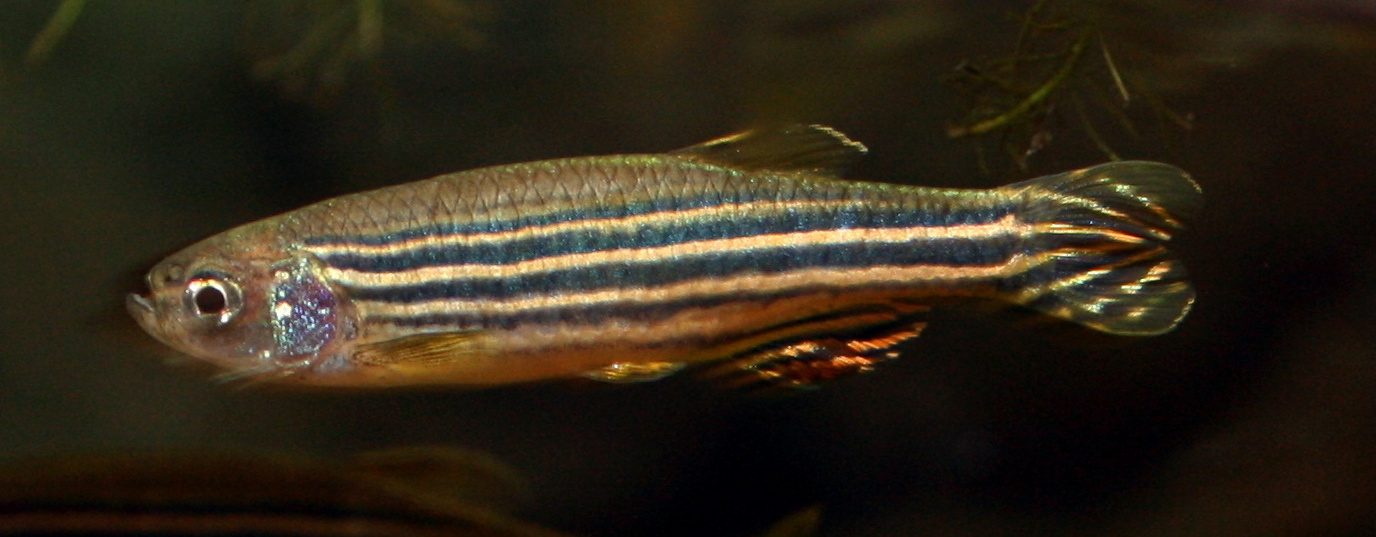
A 2013 review in Trends in Genetics by Matthew Gemberling, Travis Bailey, David Hyde and Kenneth Poss calls zebrafish highly regenerative, able to regrow amputated fins as well as a lesioned brain, retina, spinal cord, heart and other tissues. Fins, it says, are complex appendages that quickly and reliably regenerate after amputation, restoring both size and shape.
Lizards: a tail that returns as a replacement
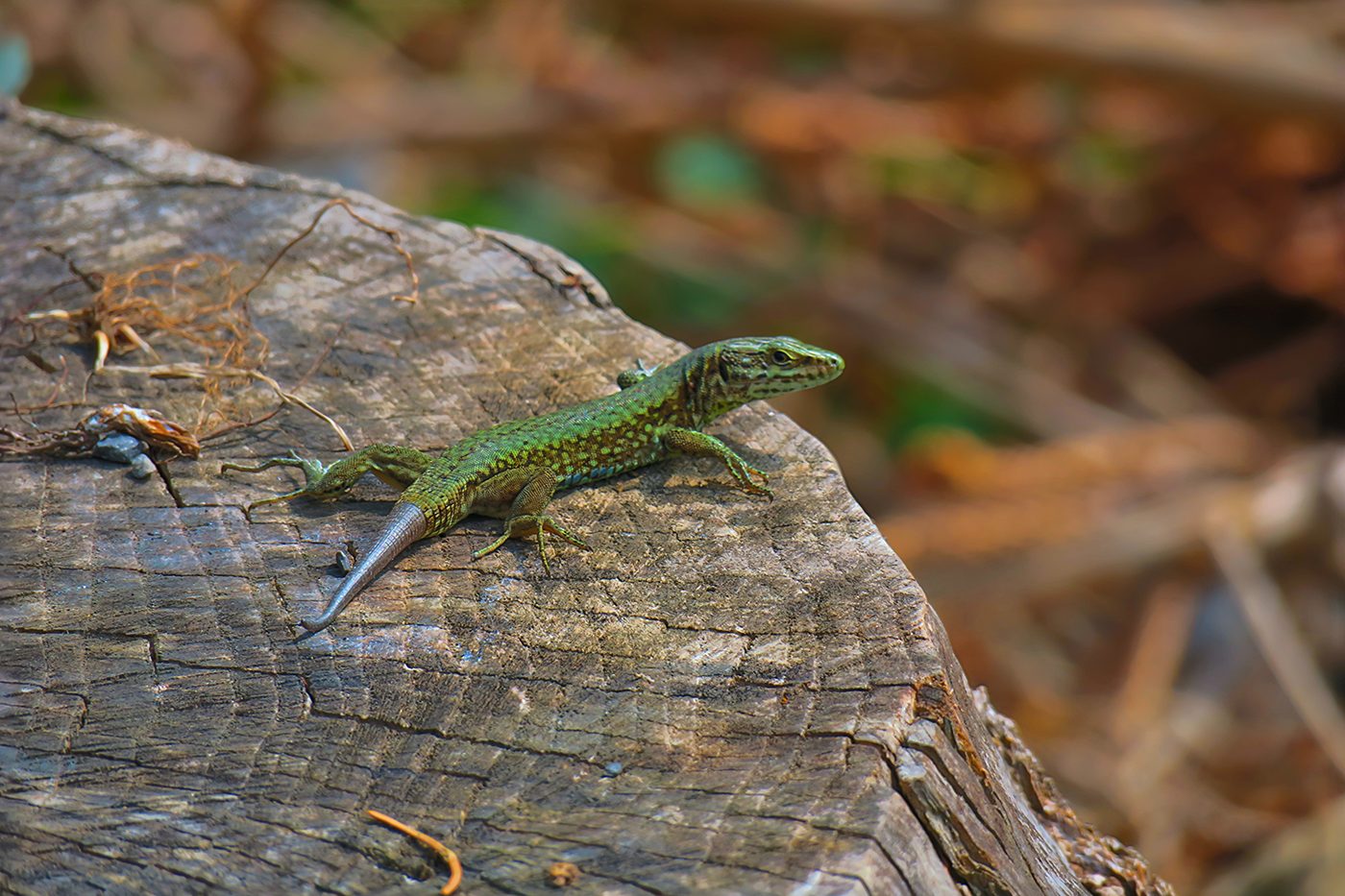
Researchers at Arizona State University and the University of Arizona studied the regenerated tails of the green anole, which can lose its tail when caught by a predator and then grow it back. In The Anatomical Record they reported that the new tail had a single long tube of cartilage rather than vertebrae, and long muscles spanning its length instead of short muscle fibres. Rebecca Fisher said the regrown tail is not simply a copy of the original, but a replacement that restores some function.
The bottom line
Each source attaches its own condition to “regrows”: a fragment of about 300 cells for hydra, part of the central disk for sea stars, the right conditions and weeks to months for an axolotl’s leg, a replacement rather than a copy for a lizard’s tail. Each result describes the species and conditions named in its source, not animals in general.
Sources
- Mechanisms of development and regeneration in Hydra, Juliano, Cazet and Primack, Innovation in Aging abstract, 2022, PubMed Central, read 27 October 2026 (pmc.ncbi.nlm.nih.gov)
- Slow-cycling stem cells in hydra contribute to head regeneration, Govindasamy, Murthy and Ghanekar, Biology Open, 28 November 2014, PubMed Central, read 27 October 2026 (pmc.ncbi.nlm.nih.gov)
- Interview With a Worm: We’re Not So Different, National Institute of General Medical Sciences, 16 November 2015, read 27 October 2026 (nigms.nih.gov)
- Sea star, Seattle Aquarium, read 27 October 2026 (seattleaquarium.org)
- Sea Stars and Starfish of the Great Barrier Reef, Ken Marks, Khaled bin Sultan Living Oceans Foundation, 19 September 2014, read 27 October 2026 (livingoceansfoundation.org)
- Axolotl, Marine Biological Laboratory, read 27 October 2026 (mbl.edu)
- The axolotl can regrow a lost leg, a piece of its heart, parts of its spinal cord, and even sections of its brain with no scarring, Space Daily article on research at the Marine Biological Laboratory, 17 August 2026, read 27 October 2026 (mbl.edu)
- The zebrafish as a model for complex tissue regeneration, Gemberling, Bailey, Hyde and Poss, Trends in Genetics, 2013, PubMed Central, read 27 October 2026 (pmc.ncbi.nlm.nih.gov)
- Researchers discover regenerated lizard tails are different from originals, Arizona State University News, 8 October 2012, read 27 October 2026 (news.asu.edu)