
“X times its own body weight” means little until the task is named. Pulling in a tunnel, a neck breaking in a centrifuge, walking on a treadmill, carrying leaves and gripping a rough surface are different measurements. Here are five figures, each with what the researchers did to get it. Queen Mary University of London’s news item calls one of the animals the world’s strongest insect; the pages below were read on 27 October 2026.
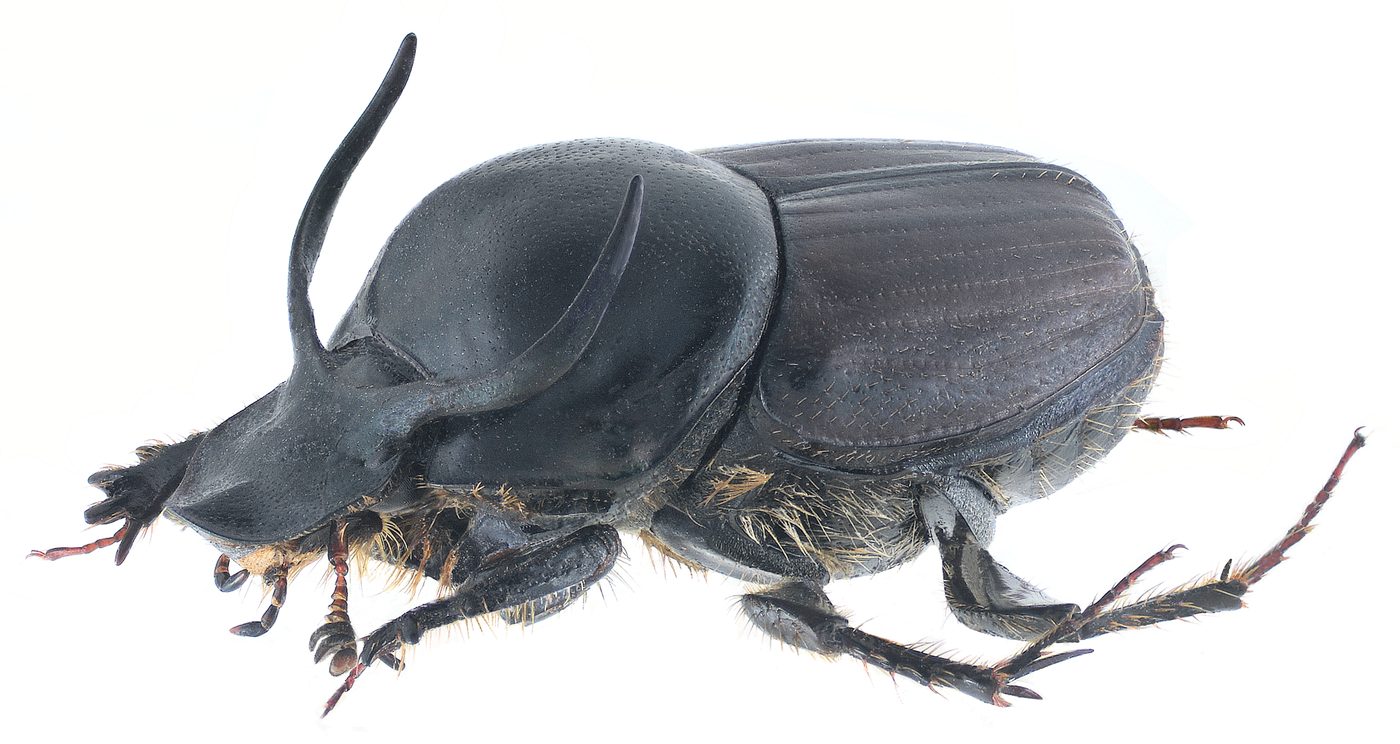
Onthophagus taurus: 1,141 times, pulling
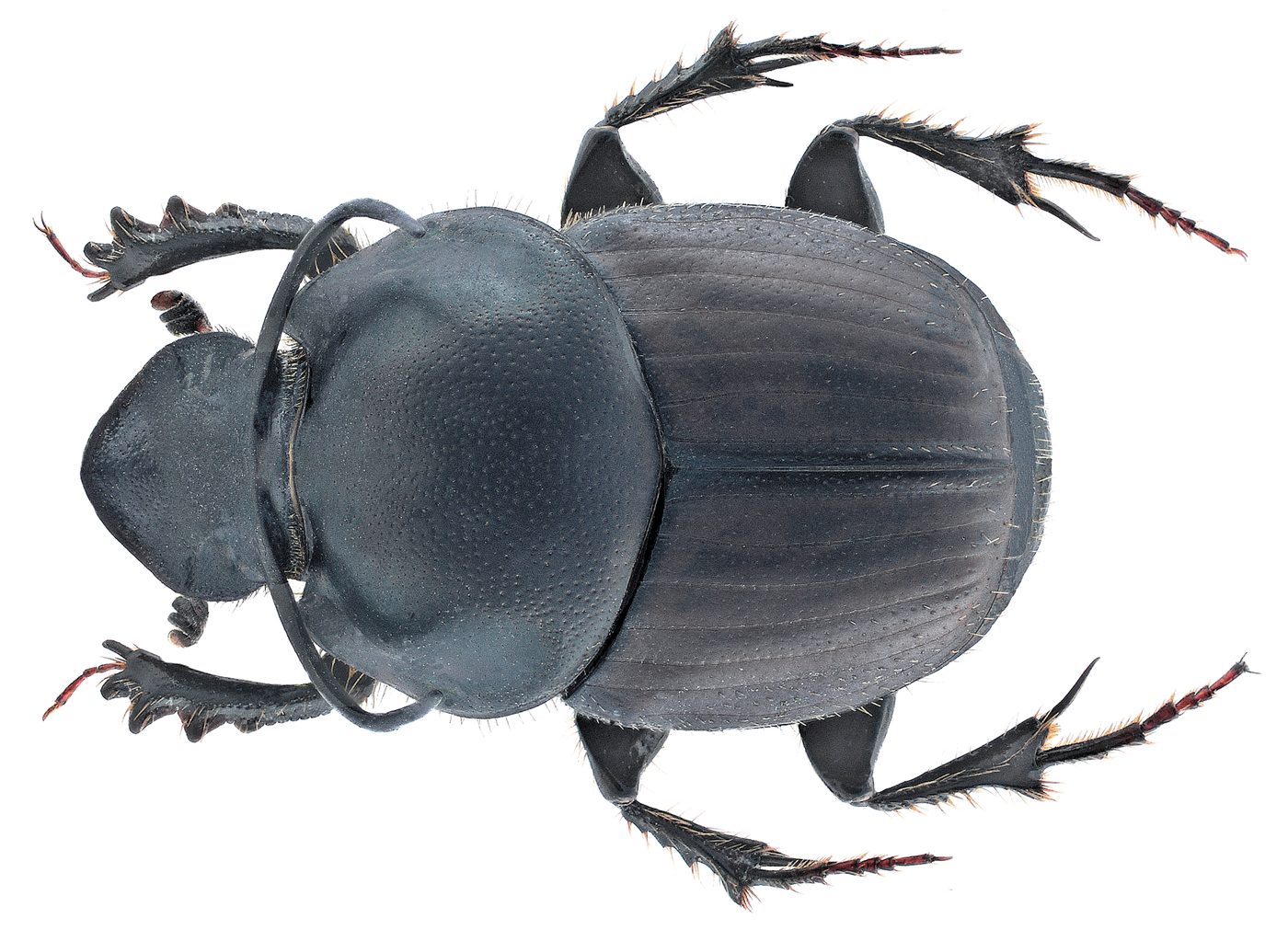
According to Queen Mary University of London, a horned dung beetle was found after months of tests to pull 1,141 times its own body weight, which the university equates to a human lifting six full double-decker buses. Live Science describes the study by Rob Knell and Leigh Simmons: a cotton thread was attached to the rear of each beetle, which walked into a small lab tunnel and was tugged, bracing its legs as it does when fighting. Horned males fed a good diet got much stronger than unfed ones. Live Science adds that the researcher knows of a mite that can take on a hair more, but it is an arachnid, not an insect.
Allegheny mound ant: 3,400 to 5,000 times, but for the neck
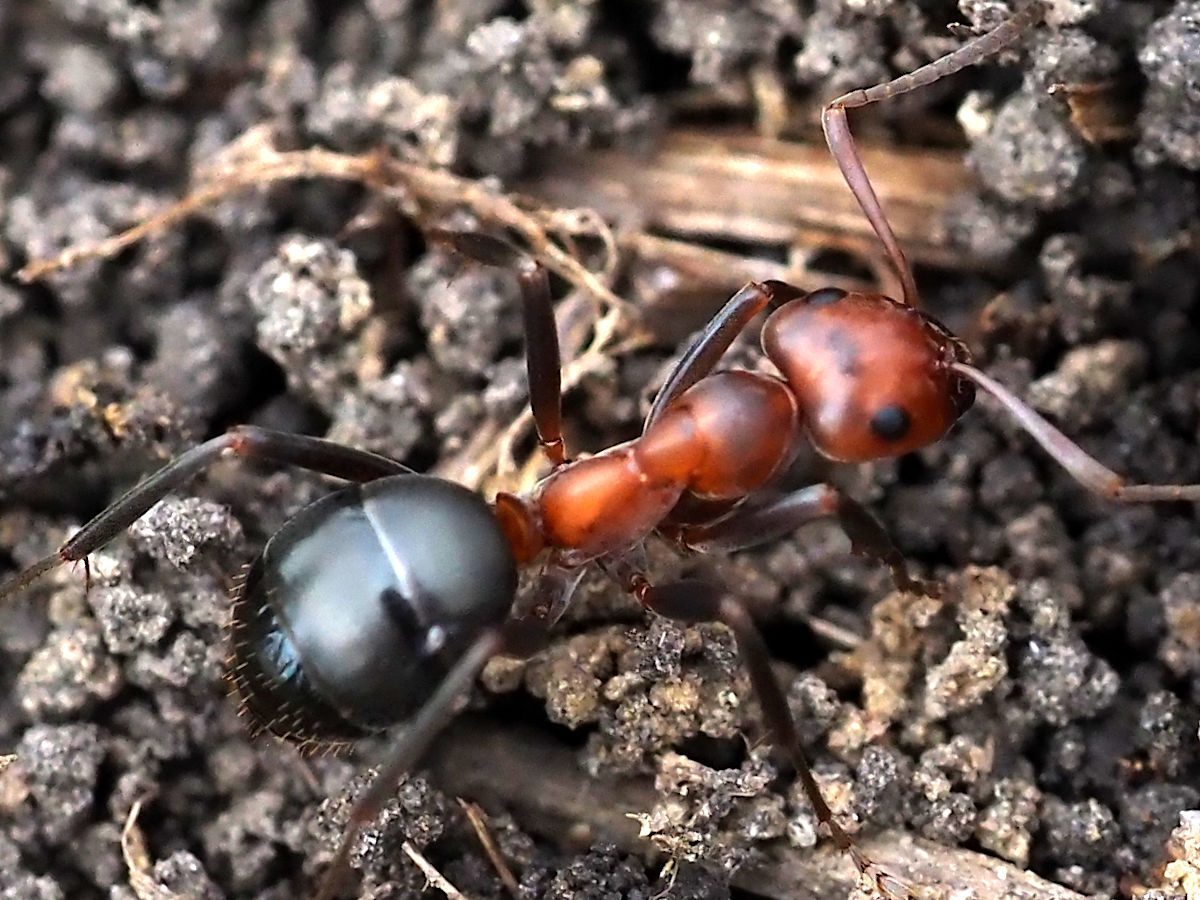
Ohio State University engineers took a different approach from watching ants carry loads. In the Journal of Biomechanics they reported that the neck joint of Formica exsectoides, a common American field ant, withstood forces reaching up to 5,000 times average body weight in the centrifuge experiment. Anaesthetised ants were glued face-down in a centrifuge and spun until the neck ruptured. The neck began to stretch at forces corresponding to 350 times body weight and ruptured at 3,400 to 5,000 times average body weight. The university says other researchers had guessed ants could hoist a hundred times their weight or more, judging by the leaves or prey they carried.
Rhinoceros beetles: 850 claimed, 100 and 30 measured
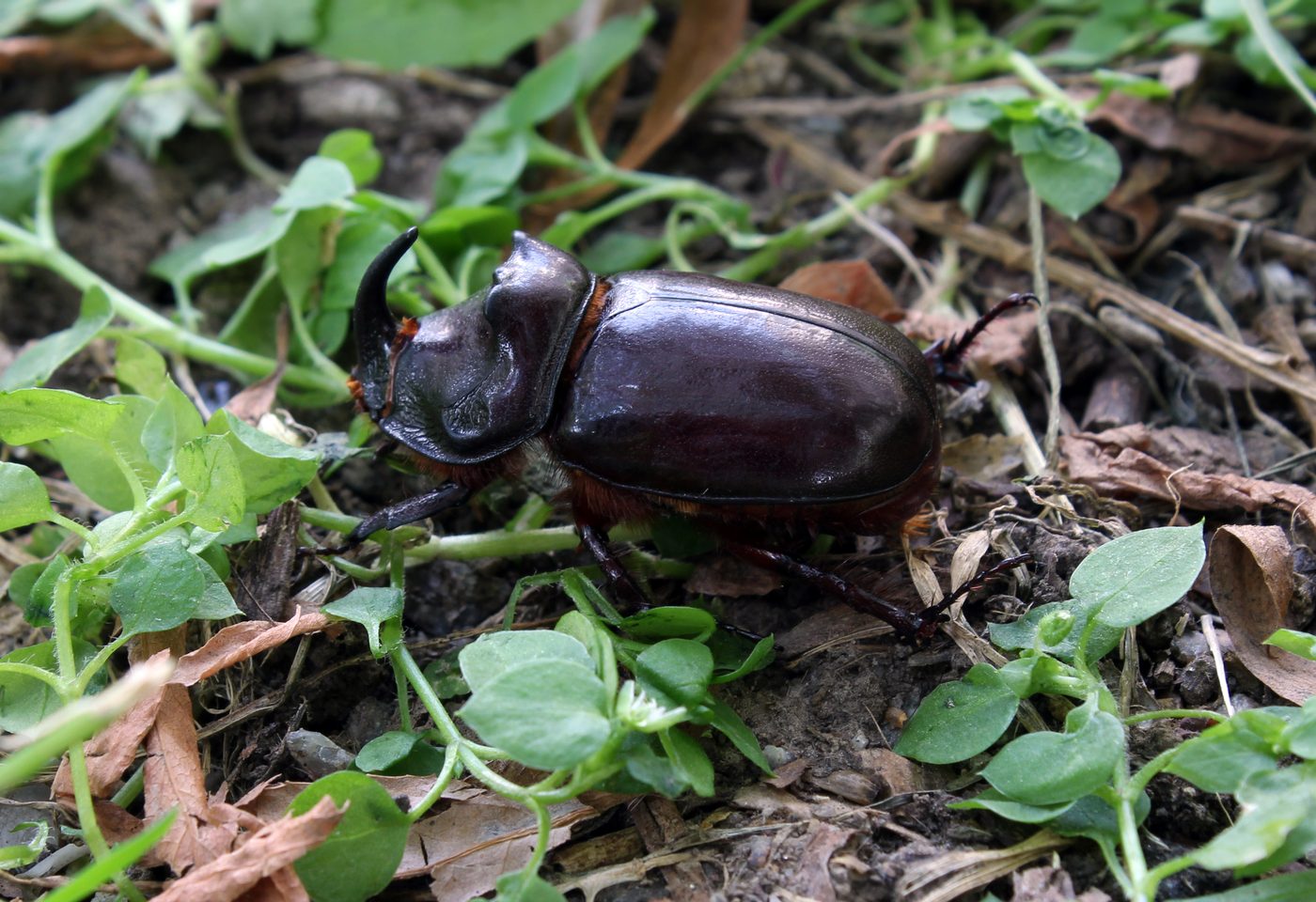
Discover reported in 1996 that Rodger Kram of the University of California at Berkeley read a Guinness entry claiming rhinoceros beetles can support 850 times their body weight, and decided to test it. With weights yoked to their backs on a treadmill, the beetles carried up to 100 times their own weight but could barely move. With 40 times they plodded for about ten minutes before becoming exhausted, and with 30 times they showed no sign of fatigue after half an hour of walking. Carrying 30 times their weight, they used only four times more oxygen than when walking unloaded.
Leaf-cutter ant: 8.78 times, the heaviest load found
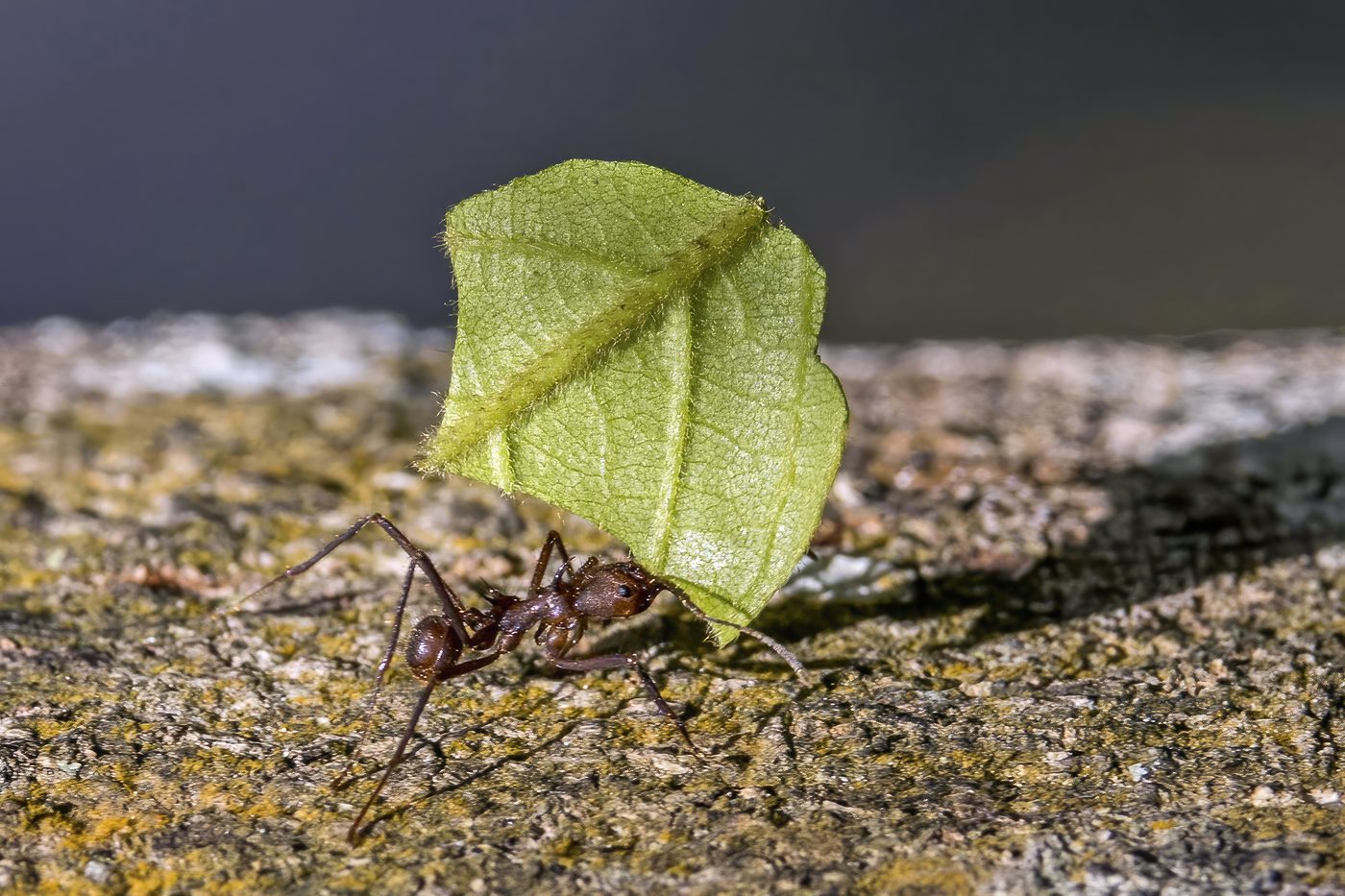
A 2019 Journal of Experimental Biology study by P. S. Segre and E. D. Taylor measured Atta cephalotes by incrementally adding mass to the leaves the ants carried. Maximal load scaled with body size, so larger ants could lift the same proportion of their body mass as smaller ones: 8.78 times body mass, the abstract says. Larger ants were caught carrying leaf fragments that were a lower proportion of their body mass than smaller ants carried.
Oribatid mite: 1180 times, holding on
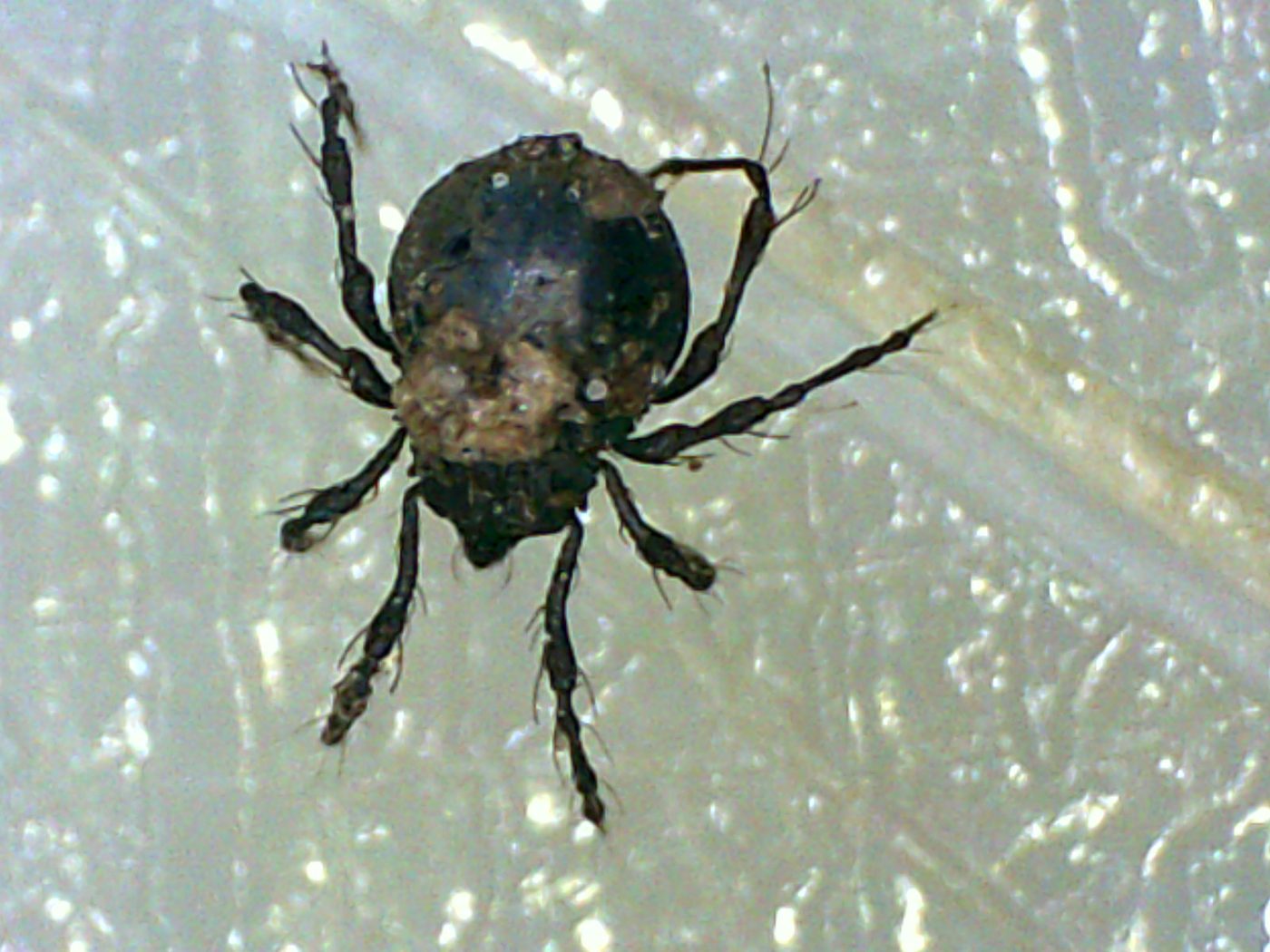
In work from the University of Tübingen, Michael Heethoff and Lars Koerner tested the claws of the mite Archegozetes longisetosus. On horizontal rough surfaces the mites produced holding forces of up to 1180 times their weight, measured with a strain gage force transducer. On vertical rough surfaces they could pull with 530 times their weight, using two pairs of legs. The abstract says these relative forces are five times higher than expected for organisms under 1 mm, higher than any relative forces reported for insect claws, and the first measured for any microarthropod.
The five figures side by side
| Animal | Figure | What was measured |
|---|---|---|
| Onthophagus taurus | 1,141 times body weight | Pull, on a thread, in a lab tunnel |
| Formica exsectoides | 3,400 to 5,000 times body weight | Force at which the neck ruptured, in a centrifuge |
| Rhinoceros beetles | 100 times (barely moving), 30 times (no fatigue) | Weights carried on a treadmill |
| Atta cephalotes | 8.78 times body mass | Maximal load of leaf material |
| Archegozetes longisetosus | 1180 times weight | Claw holding force on rough surface |
The bottom line
A multiple of body weight only means something with its task attached. These figures come from different animals, different tests and different years, and none of the sources puts them in one league table, so this article does not either.
Sources
- Super bug! World’s strongest insect revealed by Dr Rob Knell, Queen Mary University of London School of Biological and Behavioural Sciences, 24 March 2010, read 27 October 2026 (qmul.ac.uk)
- Super Bug! World’s Strongest Insect Revealed, Live Science, read 27 October 2026 (livescience.com)
- With their amazing necks, ants don’t need ‘high hopes’ to do heavy lifting, Ohio State University release, ScienceDaily, 10 February 2014, read 27 October 2026 (sciencedaily.com)
- Beetle of Burden, Carl Zimmer, Discover Magazine, 19 January 1996, read 27 October 2026 (discovermagazine.com)
- Large ants don’t carry their fair share: Maximal load carrying performance of leaf-cutter ants (Atta cephalotes), Segre and Taylor, Journal of Experimental Biology, 2019, NSF Public Access Repository record, read 27 October 2026 (par.nsf.gov)
- Small but powerful: the oribatid mite Archegozetes longisetosus Aoki (Acari, Oribatida) produces disproportionately high forces, Heethoff and Koerner, Journal of Experimental Biology, 2007, abstract record on Europe PMC, read 27 October 2026 (europepmc.org)