
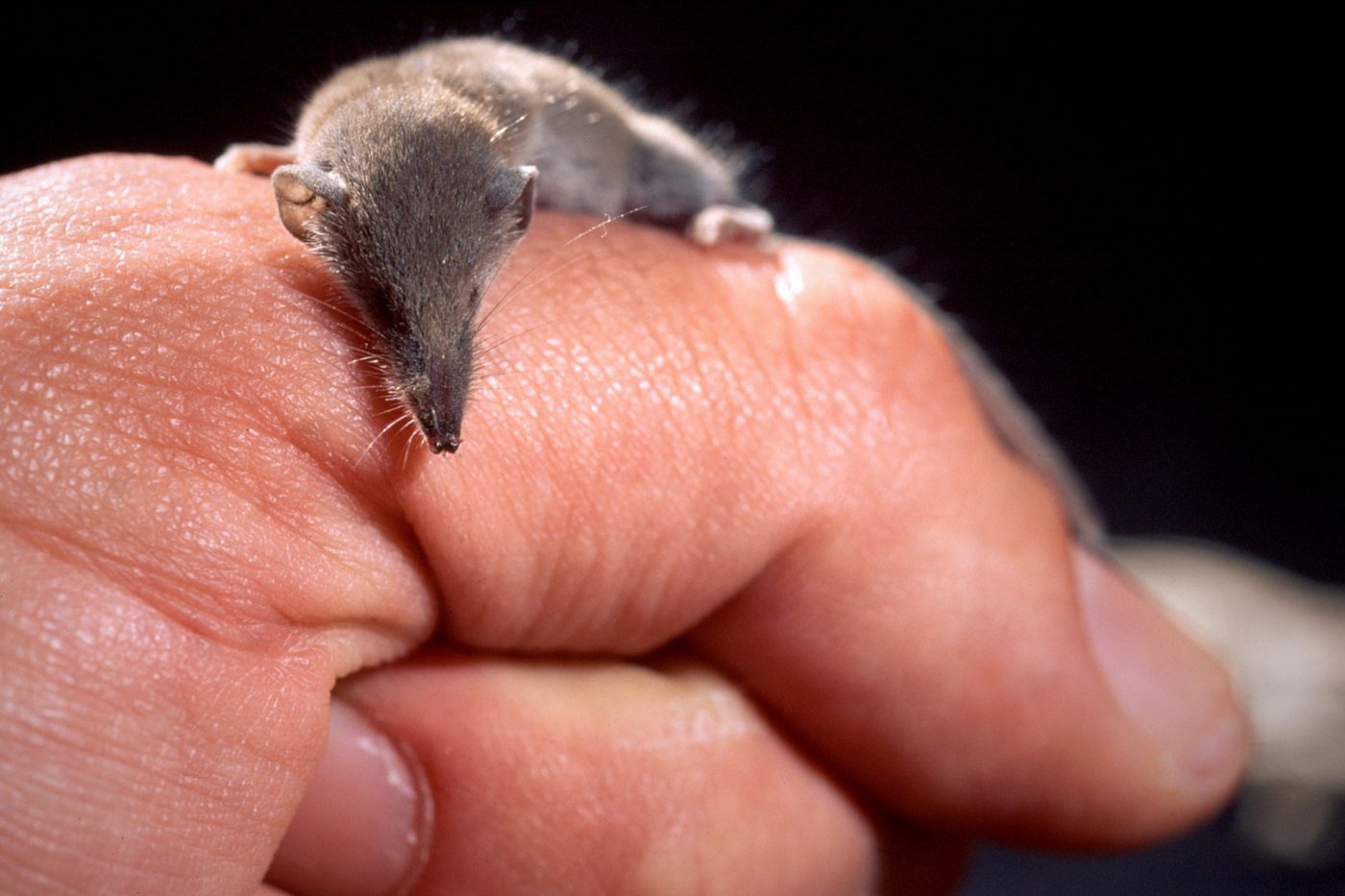
Record claims about size come with fine print: what was measured, how many animals were found, and which body part counts. These five are set out by claim, with the figure each source gives and the points where sources differ. All pages were read on 27 October 2026.
| Claim | Animal | Size as the source gives it |
|---|---|---|
| Smallest frog (Guinness, record dated 7 February 2024) | Brachycephalus pulex, the Brazilian flea toad | Males average 7.1 mm snout to vent, smallest examined just under 6.5 mm; females 8.15 mm on average (Guinness) |
| Former smallest-frog record (2012 description) | Paedophryne amauensis | 7.7 mm average (PLoS ONE paper) |
| “Smallest vertebrate” is a different comparison | Male Photocorynus spiniceps anglerfish | One sexually mature male 6.2 mm (Guinness, citing Pietsch 2005) |
| Smallest bird | Bee hummingbird | Two and a quarter inches long, under 2 g (Audubon) |
| Smallest mammal (two contenders) | Kitti’s hog-nosed bat; Etruscan shrew | Bat 29 to 33 mm; shrew 35 to 48 mm (Guinness) |
| Smallest reptile (“may be”) | Brookesia nana, a chameleon | Male 13.5 mm snout to vent (Scientific Reports) |
| Not a record claim | Pygmy seahorse | Under 2 cm (Oceana); 2.4 cm maximum (FishBase) |
Smallest frogs: a 2012 record overtaken in 2024
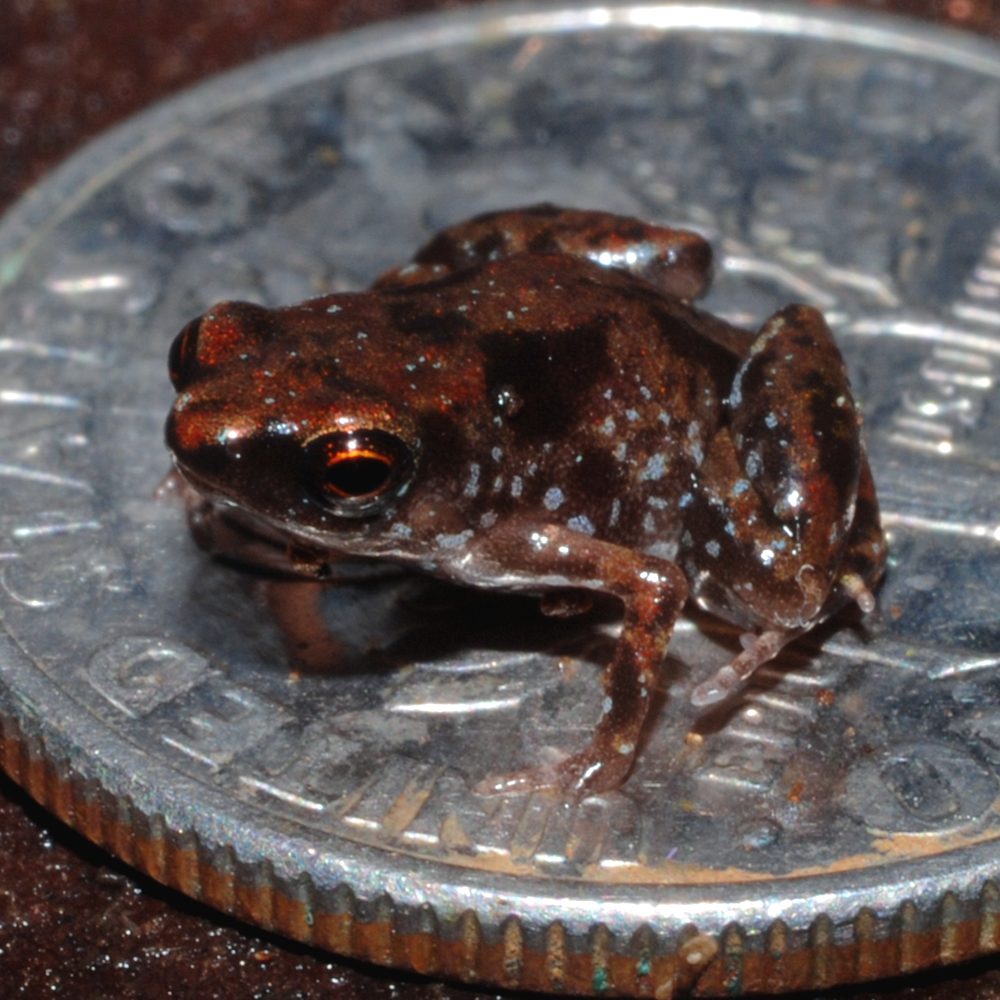
The 2012 description of Paedophryne amauensis reported an average body length of 7.7 mm and called it the smallest known vertebrate species. It has since been replaced as the smallest-frog record holder. Guinness now names the Brazilian flea toad, Brachycephalus pulex, following a study published in Zoologica Scripta in February 2024. Adult males average 7.1 mm from snout to vent, with the smallest examined specimen just under 6.5 mm; females average 8.15 mm.
“Smallest vertebrate” remains a different comparison. Guinness also discusses a sexually mature male Photocorynus spiniceps anglerfish measuring 6.2 mm. Cornell’s news service says the lead author of the 2012 paper described those males as obligate parasites on much larger females and the comparison with the frog as not valid, which is why sex and measurement must accompany the claim.
Smallest bird: Cuba’s bee hummingbird
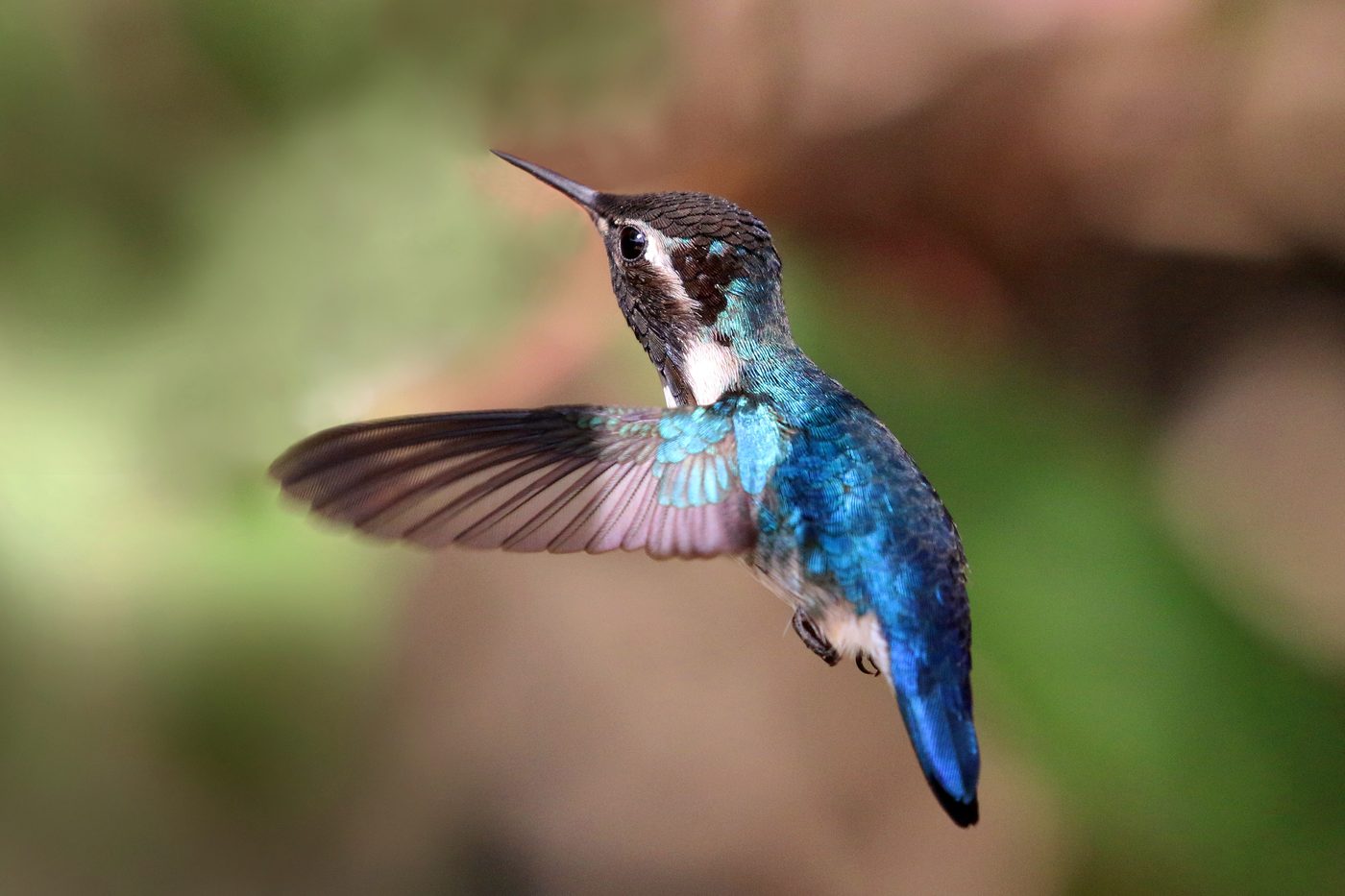
Audubon magazine says the bee hummingbird, found only in Cuba, measures a mere two and a quarter inches long and weighs less than two grams, less than a dime. Its wings beat 80 times a second, Audubon says, and up to 200 times per second during a courtship flight. The female builds a nest barely an inch across. The Cornell Lab’s Birds of the World account says males weigh less than 2 g and describes the species as holder of the smallest-bird accolade enshrined by Guinness World Records.
Smallest mammal: two contenders and a disagreement
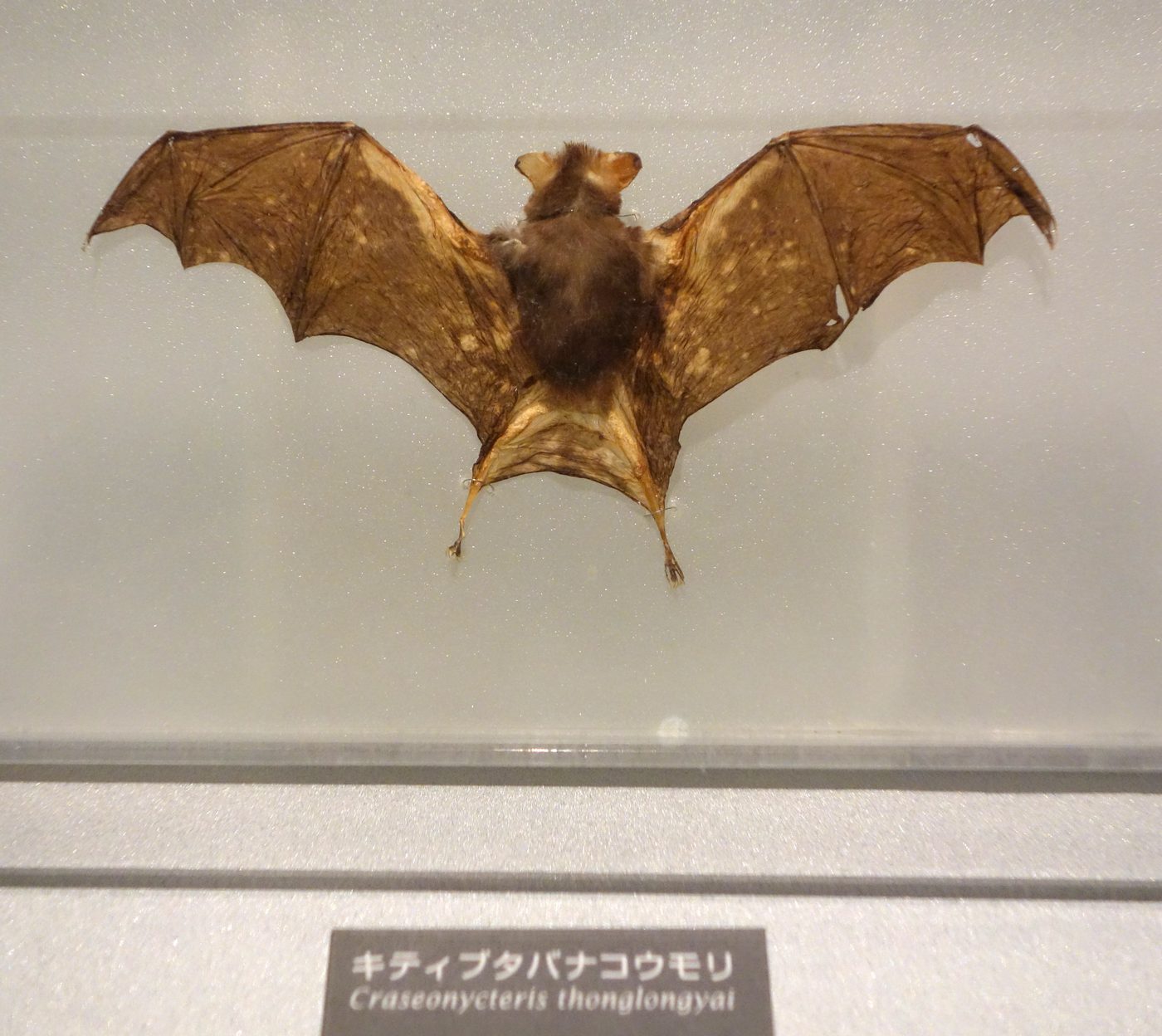
Bat Conservation International calls the bumblebee bat, also known as Kitti’s hog-nosed bat, the smallest bat and the smallest mammal in the world, at about one and one third inches from head to rump and under 2 grams. Guinness World Records gives a head-body length of 29 to 33 mm and a weight of 1.7 to 2 g, and names the Etruscan shrew as the smallest non-flying mammal, with some arguing it is the lightest overall: head and body 35 to 48 mm, weight 1.5 to 2.5 g.
BBC Discover Wildlife says there are two contenders and it depends how you measure. By body mass it says the Etruscan shrew is probably smallest, weighing as little as 1.2 g, while the bat is a little heavier but has smaller skeletal dimensions. The shrew’s weight therefore differs between Guinness and the BBC page.
Smallest reptile: a chameleon known from two animals
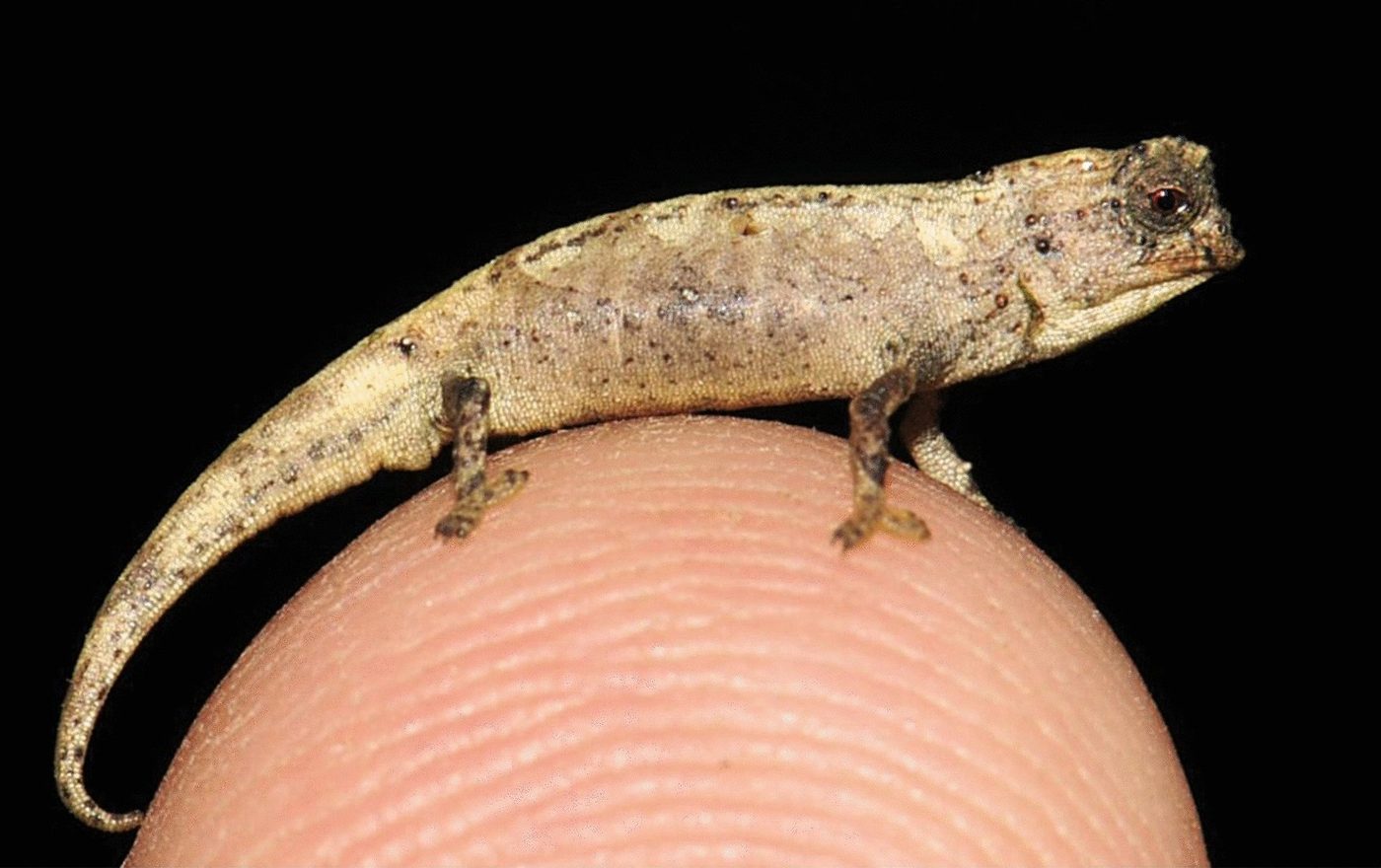
The Scientific Reports paper that described Brookesia nana says it may be the world’s smallest reptile species. The male holotype has a snout–vent length of 13.5 mm (total length 21.6 mm), which the paper calls apparently the smallest mature male amniote ever recorded. The female paratype measures 19.2 mm, and a micro-CT scan revealed developing eggs. The description rests on two individuals, and the paper says the chameleon is known only from a degraded montane rainforest in northern Madagascar and might be threatened by extinction.
A seahorse under 3 cm: sources differ on the size
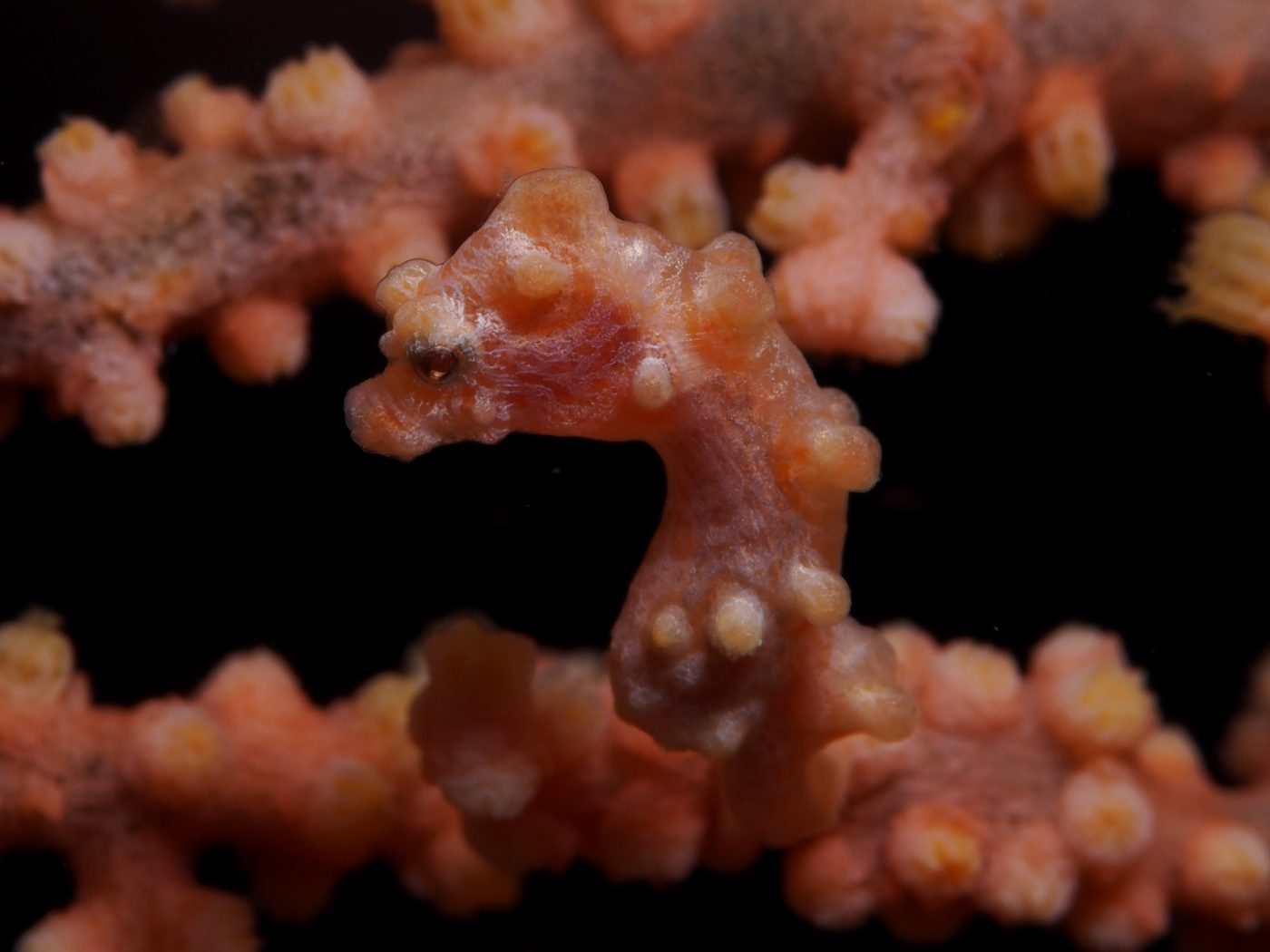
Oceana describes the pygmy seahorse as growing to less than an inch (2 cm) in length, living in or around tropical gorgonian corals, the only type of coral it lives on. Oceana says its camouflage was so extreme that it was discovered only when it was unintentionally collected with a sample of coral taken to an aquarium. FishBase lists a maximum length of 2.4 cm for Bargibant’s pygmy seahorse, Hippocampus bargibanti. Neither page frames this as a record, so it is a size rather than a title.
The bottom line
A record size is only as firm as its measurement. The smallest-frog record changed hands in 2024, “smallest vertebrate” depends on whether a parasitic male anglerfish counts, the mammal title depends on whether length or mass is used, the chameleon paper says “may be” and rests on two animals, and the seahorse pages give 2 cm and 2.4 cm. Each figure above belongs to the measurement and the sample its own page describes.
Sources
- Ecological Guild Evolution and the Discovery of the World’s Smallest Vertebrate, Rittmeyer et al., PLoS ONE, 11 January 2012, read 27 October 2026 (journals.plos.org)
- Student researchers help discover world’s smallest frog, Cornell Chronicle, Cornell University, undated page, read 27 October 2026 (news.cornell.edu)
- Get to Know the Bee Hummingbird, the World’s Smallest Bird, Audubon magazine, undated, read 27 October 2026 (audubon.org)
- Bee Hummingbird, Birds of the World, Cornell Lab of Ornithology, undated, read 27 October 2026 (neotropical.birds.cornell.edu)
- Superlative Bats, Bat Conservation International, 27 December 2024, read 27 October 2026 (batcon.org)
- Smallest bat, Guinness World Records, undated, read 27 October 2026 (guinnessworldrecords.com)
- What’s the smallest mammal in the world? Meet the tiny mammals, BBC Discover Wildlife, 20 September 2023, read 27 October 2026 (discoverwildlife.com)
- Extreme miniaturization of a new amniote vertebrate and insights into the evolution of genital size in chameleons, Scientific Reports, 28 January 2021, read 27 October 2026 (nature.com)
- Smallest species of frog, Guinness World Records, record dated 7 February 2024, read 27 October 2026 (guinnessworldrecords.com)
- Zooming in on amphibians: which is the smallest vertebrate in the world?, Zoologica Scripta 53(4):414-418, 7 February 2024, DOI 10.1111/zsc.12654, abstract read 27 October 2026 (doi.org)
- Pygmy Seahorse, Oceana, undated, read 27 October 2026 (oceana.org)
- Hippocampus bargibanti, Bargibant’s pygmy seahorse, FishBase, read 27 October 2026 (fishbase.se)