
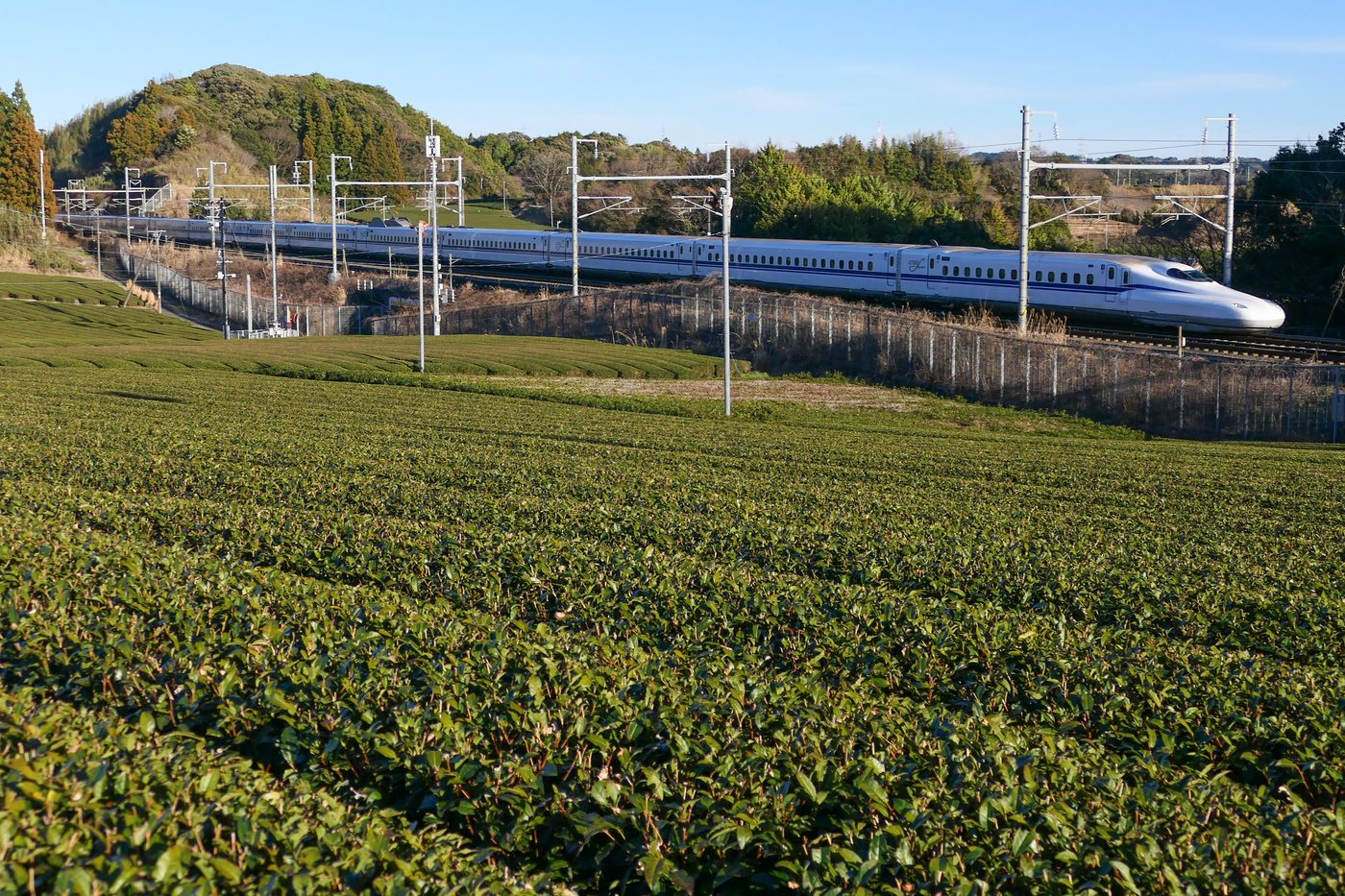
A train that runs at one speed every day and a train that reached a higher speed once are not breaking the same record. Each figure below is credited to the railway, builder or operator that reported it, dated, and labelled as a service speed or a test. Every page was read on 27 October 2026.
Tokaido Shinkansen: 285 km/h, every day
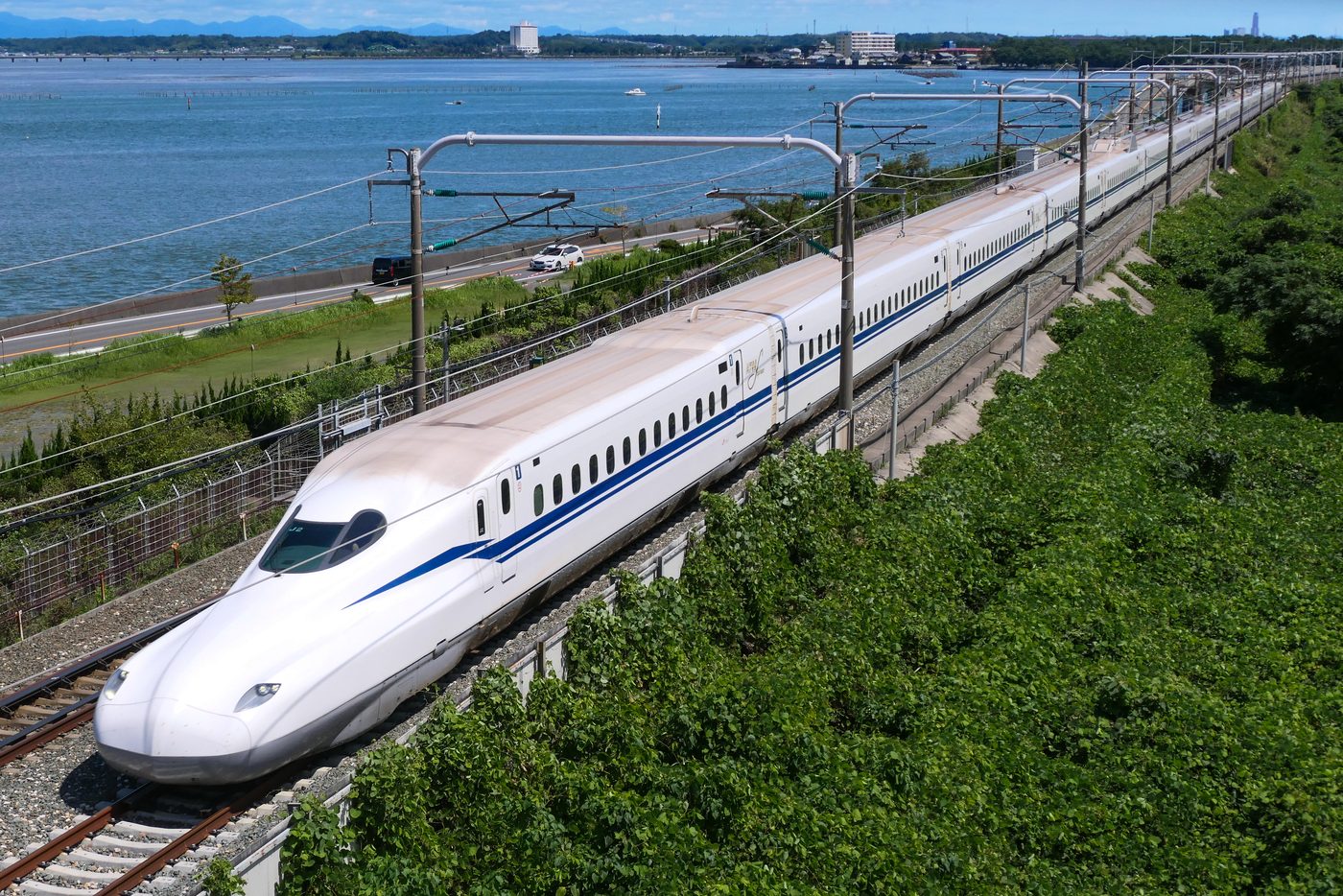
JR Central’s Integrated Report 2025 gives the line’s maximum speed as 285 km/h, with Tokyo to Shin-Osaka in 2 hours 21 minutes, accurate as of the March 2025 timetable revision. The report says the speed was raised in 2015 for the first time in 23 years, and that once the fleet update to the N700A type was complete, all trains could run at that maximum.
Fuxing CR400AF: a stated 350 km/h service maximum, as reported in 2017
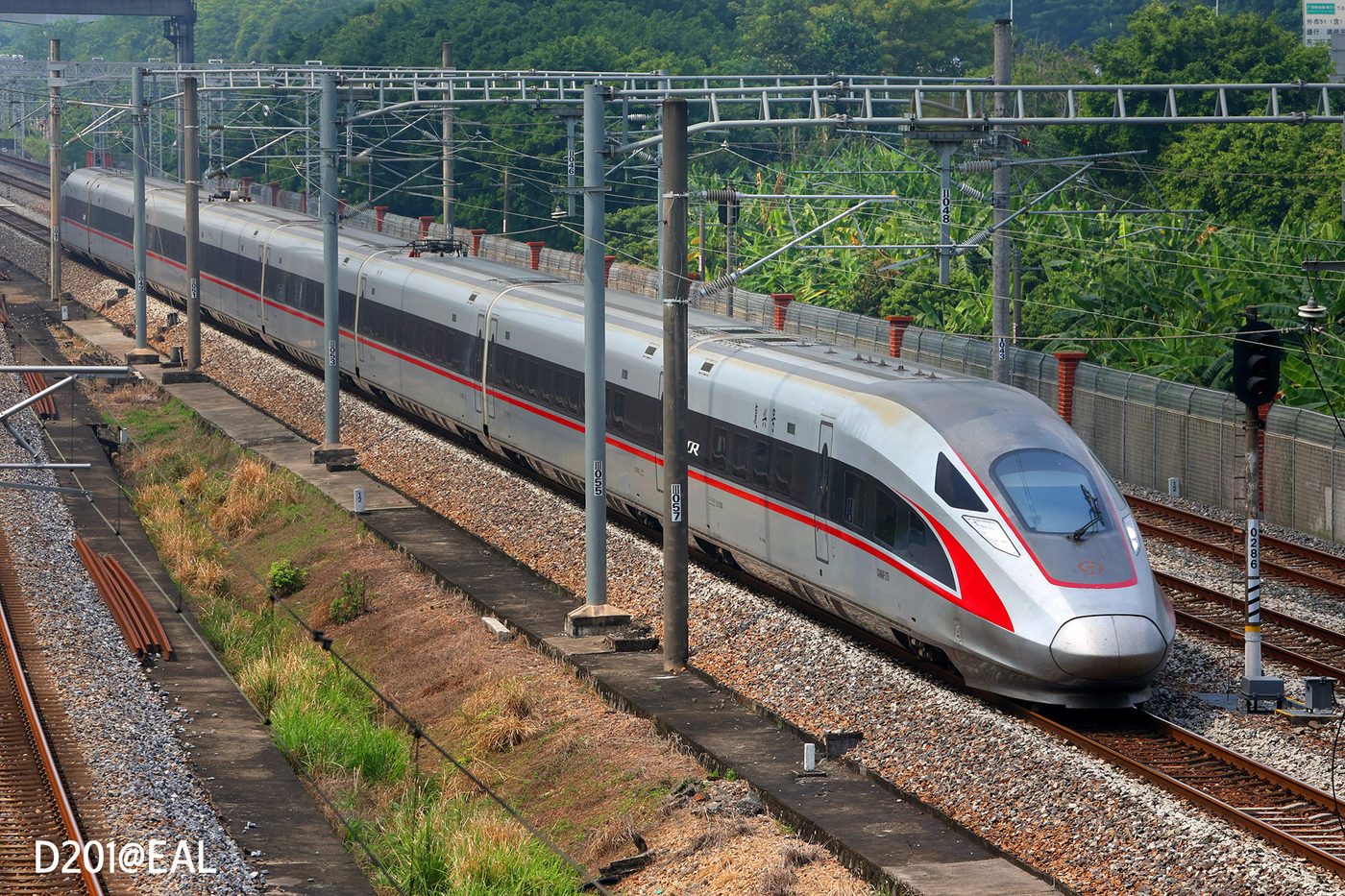
Railway Gazette reported on 28 June 2017 that two Fuxing designs entered service on the Beijing-Shanghai high-speed line on 26 June. They were designed for up to 400 km/h, with a stated service maximum of 350 km/h. A China Daily report of 25 June 2017, carried on a Chinese government site, said China Railway Corp released the information and that designers at the China Academy of Railway Sciences expected about 350 km/h, with a maximum of 400 km/h for each model. These are 2017 statements, not a current timetable.
ICE 3: a regular top speed of up to 300 km/h
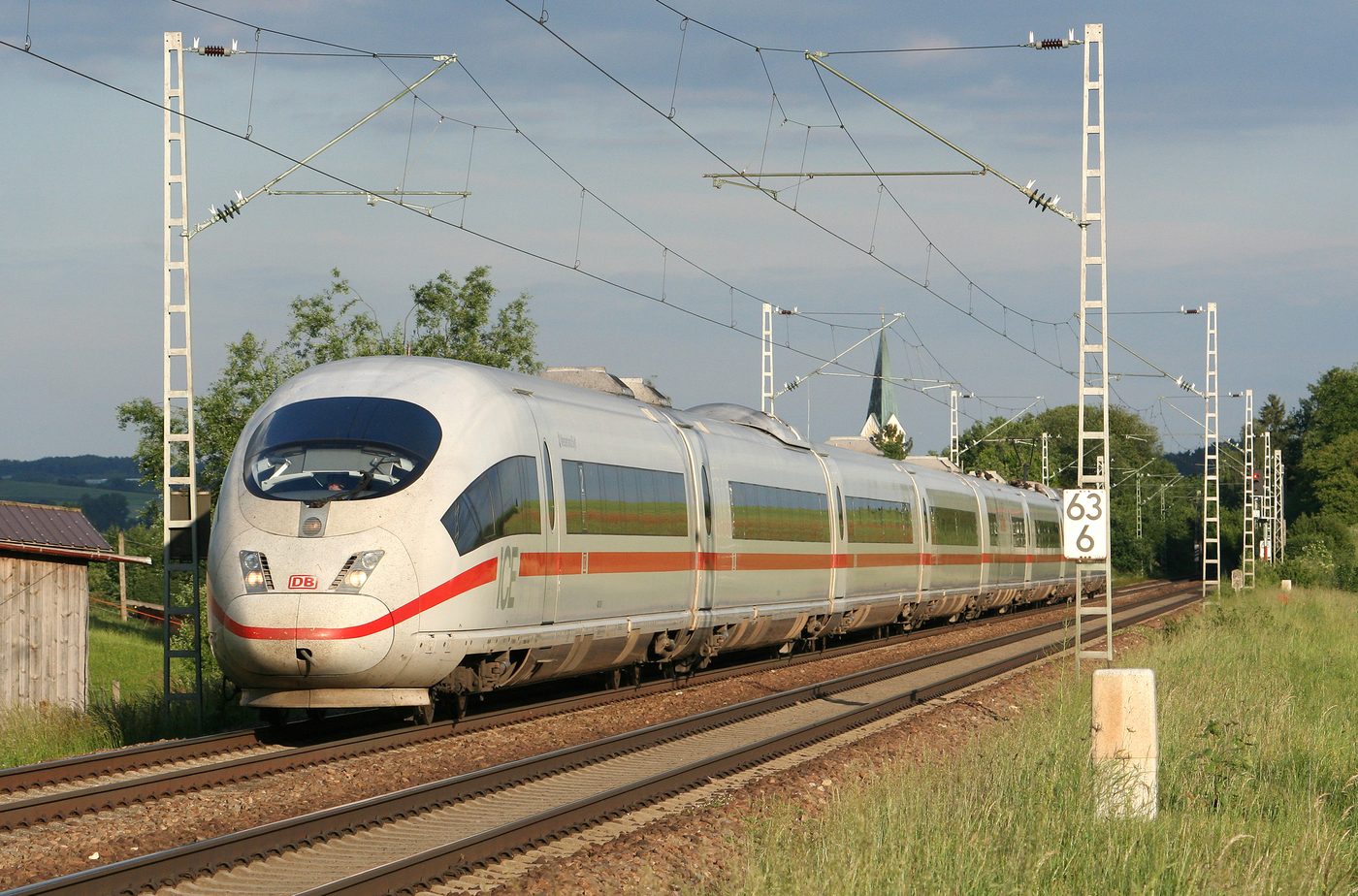
Deutsche Bahn says that when the ICE 3 entered service in 2000 it had a regular top speed of up to 300 kilometres per hour, which made it Germany’s fastest train. DB’s table for the three ICE 3 classes lists a maximum speed of 330 km/h for each, a different measure from the regular top speed.
ICE/V: 406.9 km/h in 1988, a test train
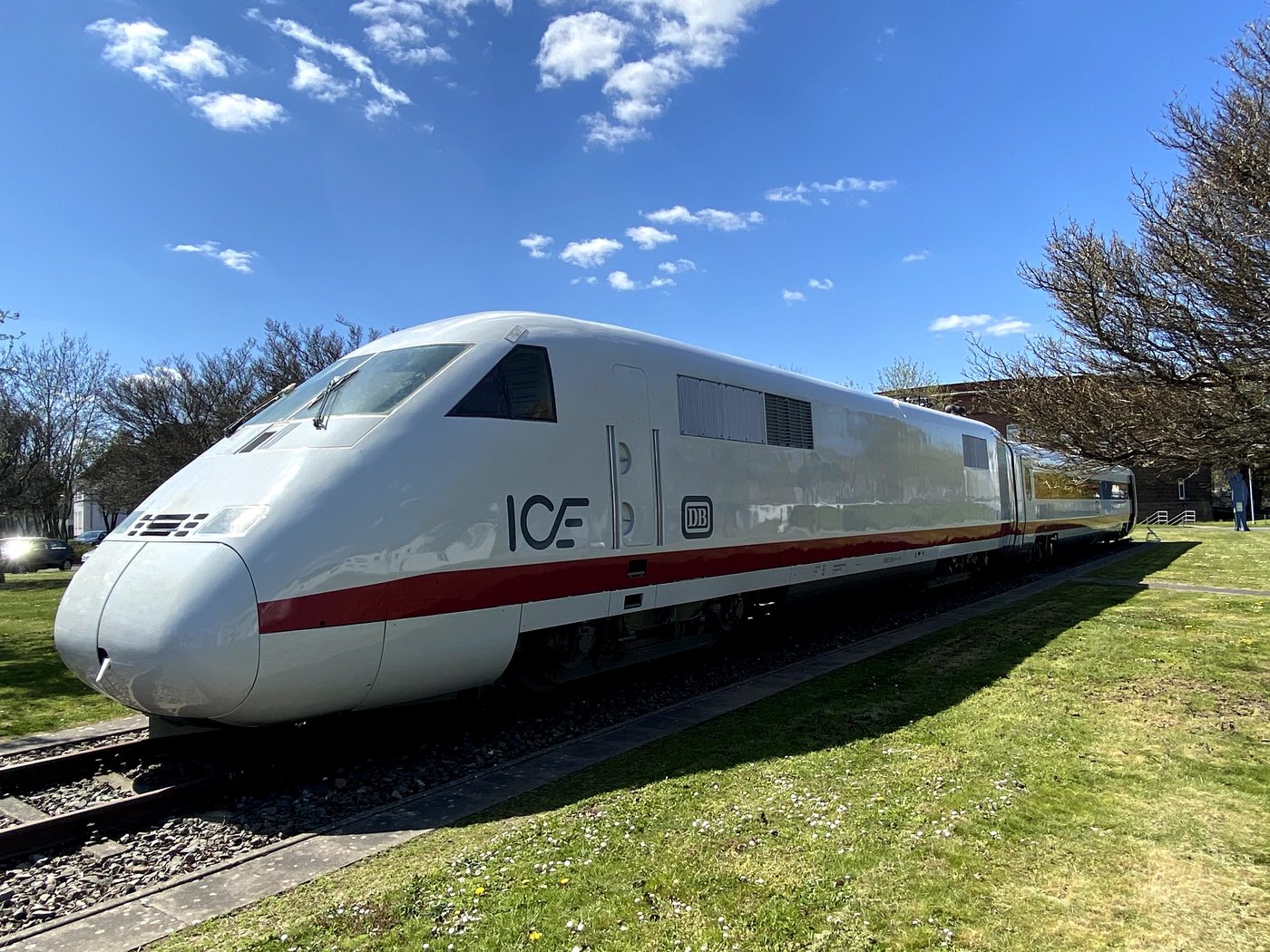
A Deutsche Bahn fact sheet dated April 2021 says the experimental ICE/V set a world record of 406.9 km/h on the Fulda-Würzburg line in 1988, and calls it, as of that date, the only train to have run faster than 400 km/h in Germany. The sheet’s own text gives two dates for the run, 31 May and 1 May. The record was later overtaken: Alstom’s 2007 release says the previous record, 515.3 km/h, had been held since 18 May 1990 by an SNCF TGV Atlantique set.
TGV V150: 574.8 km/h on 3 April 2007, a record attempt
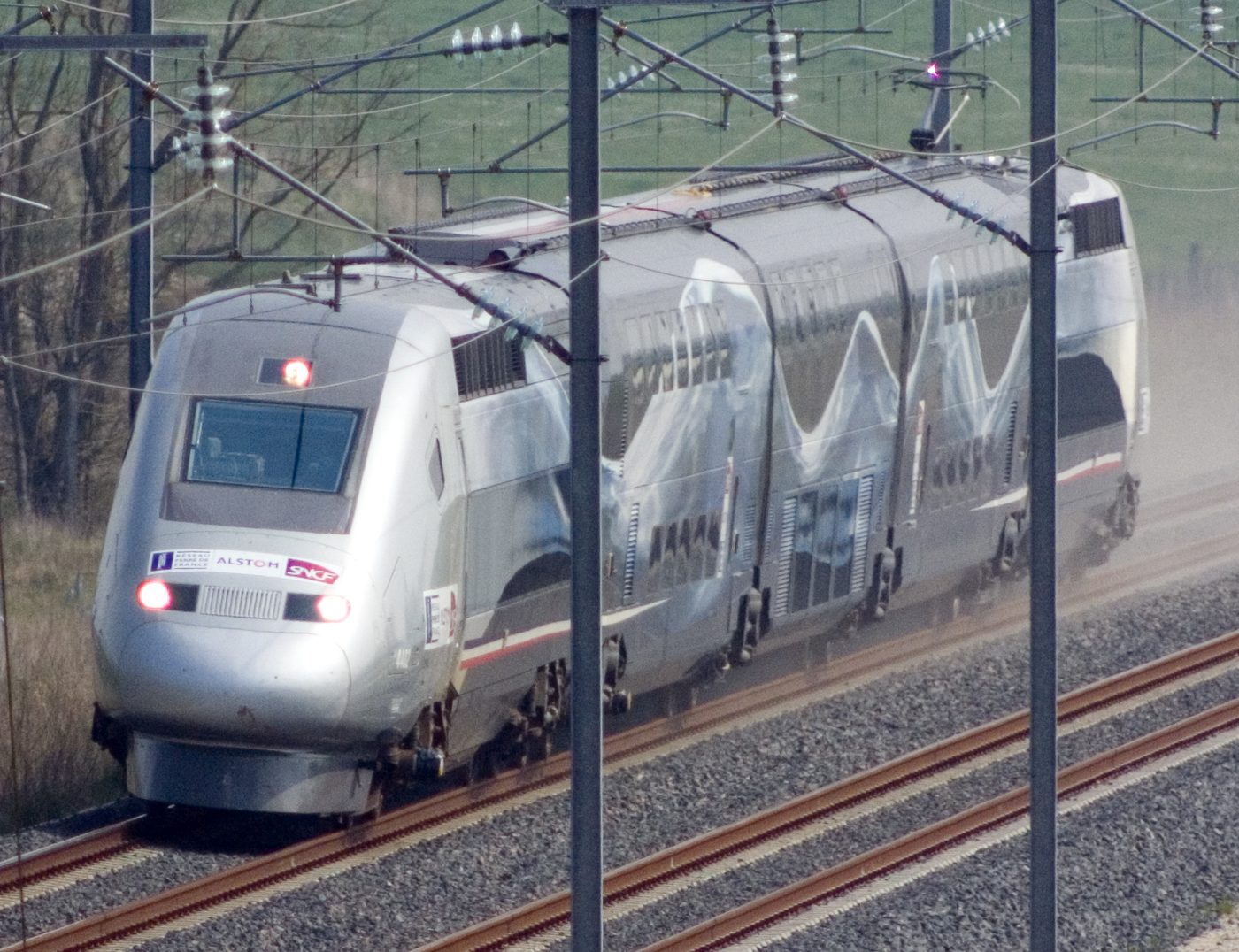
Alstom, RFF and SNCF announced a new world rail speed record of 574.8 km/h on 3 April 2007. Their release says it followed tests that began on 15 January 2007, including 40 trial runs above 450 km/h, and describes the V150 trainset as two TGV POS power cars and three double-deck TGV Duplex coaches developing 19.6 MW.
L0 maglev: 603 km/h in April 2015, a manned test
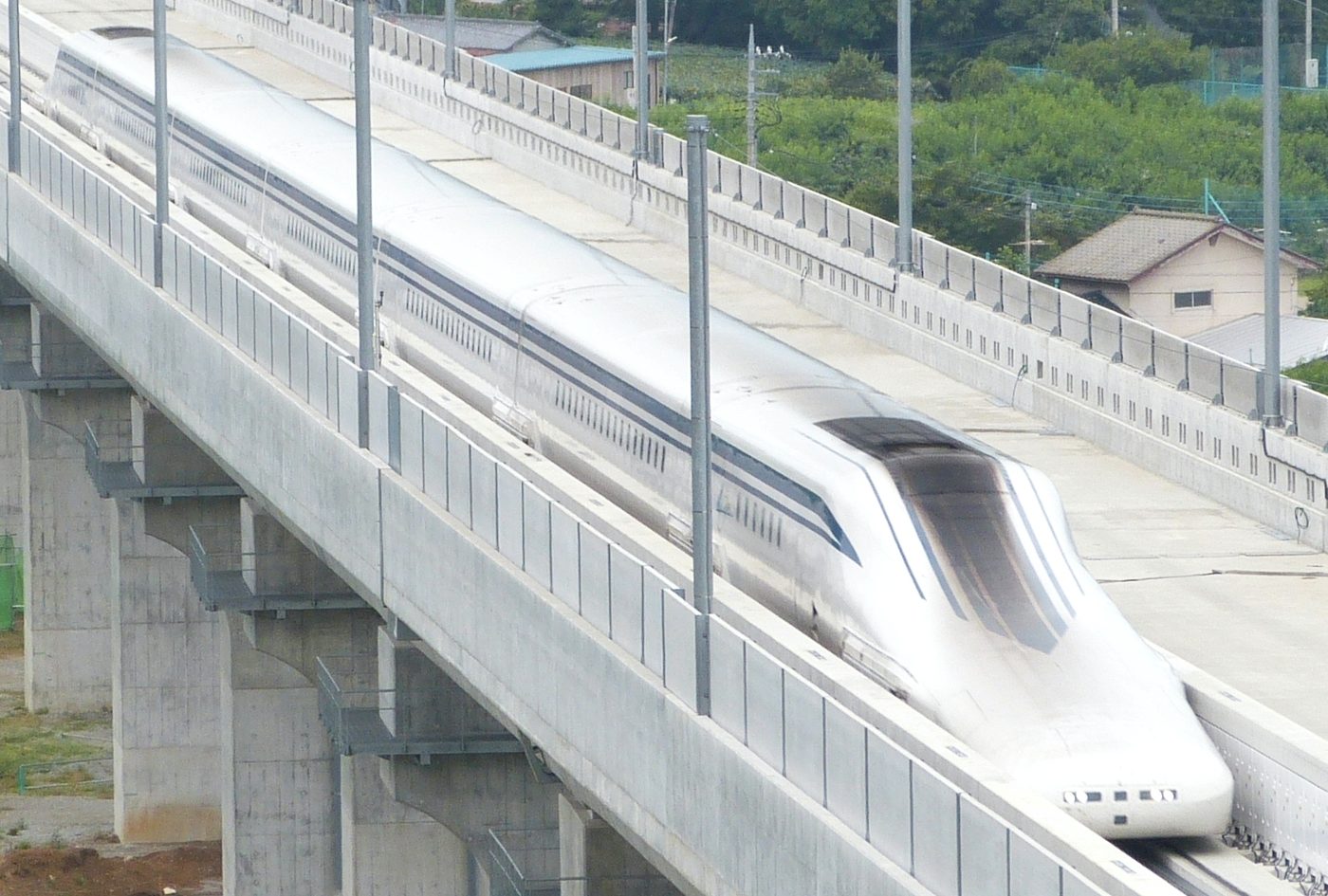
JR Central’s Integrated Report 2025 lists, under April 2015, a world speed record for a manned rail vehicle at 603 km/h. An earlier JR Central maglev review says a high-speed running test achieved that record and that Guinness World Records recognised it in June 2015 as the world’s fastest maglev train. The Integrated Report also lists the planned Chuo Shinkansen with an operating speed of 500 km/h and a maximum design speed of 505 km/h.
The figures side by side
| Train | Speed | Kind of figure | Reported by | Date |
|---|---|---|---|---|
| Tokaido Shinkansen | 285 km/h | maximum speed in service | JR Central | March 2025 timetable |
| Fuxing CR400AF | 350 km/h | Planned service maximum reported in June 2017, Beijing-Shanghai | Railway Gazette, China Daily | June 2017 |
| ICE 3 | 300 km/h | regular top speed | Deutsche Bahn | from 2000 |
| ICE/V | 406.9 km/h | record by a test train | Deutsche Bahn | 1988 |
| TGV V150 | 574.8 km/h | world rail speed record | Alstom, RFF, SNCF | 3 April 2007 |
| L0 maglev | 603 km/h | manned rail vehicle record | JR Central | April 2015 |
The bottom line
The first three figures are service or regular top speeds reported by operators. The last three are records set in tests, reported by Deutsche Bahn, by Alstom with RFF and SNCF, and by JR Central. The sources word their records differently, as a world rail speed record, a record for a manned rail vehicle and the fastest maglev, and each is kept here with its own wording.
Sources
- Integrated Report 2025 (Shinkansen section), Central Japan Railway Company, read 27 October 2026 (global.jr-central.co.jp)
- Integrated Report 2025 (Chuo Shinkansen section), Central Japan Railway Company, read 27 October 2026 (global.jr-central.co.jp)
- The Review: Superconducting Maglev (SCMAGLEV), Central Japan Railway Company, read 27 October 2026 (global.jr-central.co.jp)
- Fuxing: China standard high speed trainsets enter service, Railway Gazette International, 28 June 2017, read 27 October 2026 (railwaygazette.com)
- New trains ease pressure off busy Beijing-Shanghai high-speed rail, China Daily, updated 25 June 2017, read 27 October 2026 (chinaservicesinfo.com)
- ICE 3: Germany’s first 300 km/h train, Deutsche Bahn, read 27 October 2026 (int.bahn.de)
- Faktenblatt ICE V, Deutsche Bahn, April 2021, read 27 October 2026 (deutschebahn.com)
- 574,8 km/h: new world rail speed record set at 13h13 on 3 April 2007, Alstom, 3 April 2007, read 27 October 2026 (alstom.com)